About Brighton Recovery Center — Brighton House, Salt Lake City
Brighton House and the current Salt Lake City address
Brighton Recovery Center’s current Salt Lake City location page identifies Brighton House as a 14-bed residential addiction and mental-health treatment program at 4931 South 900 East, Salt Lake City, Utah 84117. Earlier directory information describes a Sandy-area property and a different address. Those descriptions should not be treated as interchangeable. Before deciding, ask admissions to confirm the current receiving house and to identify which photographs, rooms, amenities, and program details apply to that address.
The published admissions number is 844-479-7035; general and patient inquiries use 801-479-7035. Brighton’s locations overview also distinguishes its South Ogden residential center and separate outpatient and community services. This profile concerns the Salt Lake City area offer. The current primary information establishes Brighton House’s published address, but does not by itself explain when an earlier Sandy listing changed or whether an old property continues in another form. No closure or relocation date is inferred here.
What the current residential service offers
The Brighton House page describes a phased residential approach to addiction and associated mental-health concerns, with progress reviewed against individual needs and clinical milestones. Ask which track is proposed, how the assessment is performed, and what support is available overnight. The program should explain whether the person’s current needs fit this house and what would lead to a different placement. A broad mental-health description does not establish an acute psychiatric hospital service or eligibility for every presentation.
Someone comparing programs can ask for the treatment recommendation, receiving address, and room arrangement in one written proposal. That is particularly useful when a central admissions team discusses more than one Brighton location. A plan should distinguish the clinical level from the building where the person lives and from any later outpatient appointment. These details help prevent assumptions based on a familiar program name, a regional location label, or photographs associated with an earlier listing.
Detox is arranged before the residential stay when needed
Brighton’s current admissions page says it commonly recommends an appropriate detox setting before arrival and helps facilitate transport from detox to its center. This does not establish a medical detox unit inside Brighton House. Discuss recent substance use, prescriptions, previous withdrawal experiences, and relevant medical conditions during assessment. Ask who decides whether prior stabilization is needed, which provider would deliver it, and how acceptance at Brighton is confirmed after that phase.
The proposed detox and residential arrangements should have clear clinical and financial responsibilities. Ask whether the providers exchange records with consent, who organizes transport, whether a residential room is reserved during detox, and how a change in timing affects the offer. A recommendation to attend detox elsewhere is different from a combined package that includes all treatment and travel. Obtain preparation instructions from the clinicians responsible for the actual care rather than trying to fit medication or withdrawal around a booking.
Length of stay and the weekly clinical commitments
The treatment-services page describes residential stays commonly lasting 45–60 days, and its FAQ describes a typical minimum of 45 days. It also says clinical review and coverage affect the course. These current provider descriptions are more relevant to planning than an older directory’s 30-day label. Ask whether the proposed Brighton House admission follows that expectation, what circumstances change it, and how extensions or an earlier step down are discussed with the resident.
The same page describes two individual therapy sessions and one family session each week, plus at least a weekly review by a medical professional. Confirm how those appointments are delivered at the assigned house, whether the schedule changes during the first week, and who covers absences. Ask what happens if family therapy is unsuitable or a relative cannot participate. A published frequency is useful for comparison, but the actual plan should explain the clinician, format, duration, and alternatives available to the individual.
Understanding the day beyond a list of therapies
Brighton’s sample residential schedule combines clinical groups, recovery skills, activity, meals, peer support, and personal time. It is presented as an example rather than a fixed timetable. Ask for the current Brighton House week and identify where individual appointments, medical reviews, and family sessions fit. Someone taking time away from work, study, or caregiving may also need to understand when essential calls or paperwork can be managed without conflicting with treatment.
Recreation is a visible part of Brighton’s approach. Ask which activities currently take place, who leads them, how they connect to treatment goals, and what adaptations are available. A mountain-region location does not mean every resident participates in hiking or other physically demanding outings. Describe mobility, fitness, sensory, or anxiety-related concerns during assessment. The relevant question is whether there is a meaningful alternative when an activity does not fit the person’s needs, rather than whether every advertised activity must be completed.
The treatment-services page describes assessment and medication management when needed, as well as work addressing substance-use and co-occurring concerns. Ask how the team coordinates those elements and how existing clinicians can contribute with consent. If the person has previous treatment experience, explain what helped and what created difficulties. A useful plan should identify what will be different in this setting, how progress is reviewed, and who discusses a change in the recommended level of care.
Rooms and amenities should match the current house
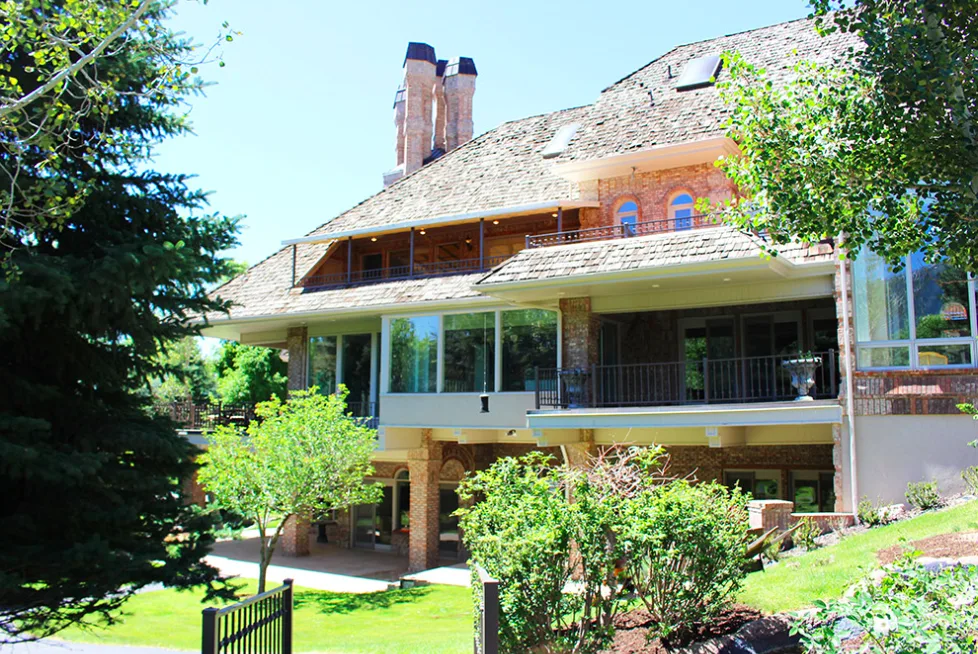
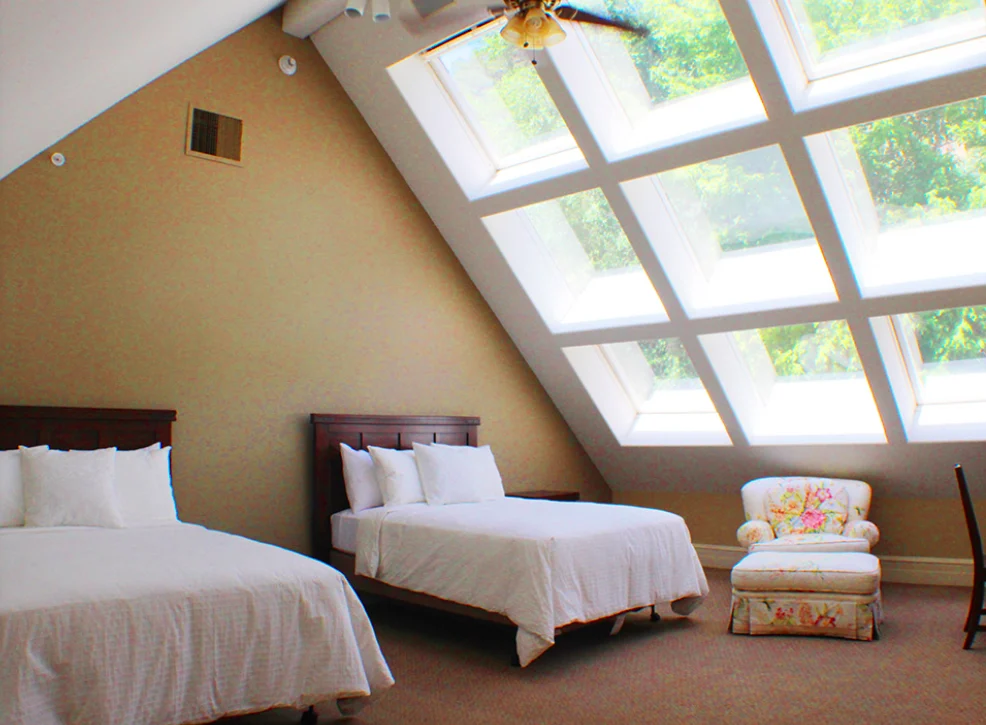
The older Recovery.com Sandy listing describes a seven-acre setting and private or shared rooms. The current primary Brighton House page describes a 14-bed program at South 900 East. Those facts do not establish that the older estate, bedroom, or grounds description applies to the current house. Request a current tour or photographs of the receiving property and ask about bedroom occupancy, bathroom sharing, stairs, communal areas, and any private-room option.
Brighton’s general residential information advertises room and board and a private-room option, but availability at the proposed house and dates still needs confirmation. Ask whether a supplement applies and what happens if a room changes during treatment. Describe any specific sleeping, mobility, personal-care, or sensory requirements before paying a deposit. The important agreement is the accommodation actually offered, not the most attractive room in a network gallery or an amenity attached to a different address.
Discuss meals, allergies, laundry, storage, phones, permitted belongings, visiting, and quiet hours. Ask which features are onsite and which require travel to a community or outpatient location. If transport is part of the plan, identify who provides it, how it is scheduled, and whether there is a charge. A small residential program may involve shared spaces and structured routines, so clear expectations can help the person decide whether the environment will work for them.
Family therapy and separate family coaching
The provider’s family-support page describes online coaching and support that can be available even when a loved one has not attended Brighton. It refers to weekly video meetings and a suggested three-to-six-month coaching course. This is distinct from the family appointment described in the residential schedule. Ask which service is proposed, who participates, how consent is handled, and whether coaching is included in the residential fee or arranged separately.
A family may need practical help with communication, planning a return home, or understanding the limits of its role. Ask how the resident’s preferences shape participation and what alternatives exist if a relationship is unsafe or a relative cannot attend. Ordinary visiting, family therapy, and independent coaching serve different purposes. Clarifying them before admission can prevent a support person from assuming that attendance at one provides access to confidential clinical information or guarantees a particular visiting arrangement.
Why a new quote is necessary
The secondary Sandy profile, checked October 20, 2026, displays an estimate of USD 20,000 for 30 days. Because that listing describes a different address and an earlier estate-style setting, it is not used here as a verified price for the current Brighton House offer. The current primary residential duration also differs from the secondary 30-day reference. No current official numeric tariff was verified for the specific house, room, and length a new resident might be offered.
Request an itemized quote naming Brighton House, the current address, clinical track, dates, room, and included appointments. Ask about separately arranged detox, transport, medication, testing, outside care, extensions, and later outpatient services. Review deposits, payment timing, early departure, transfers, and refunds. If insurance is involved, confirm the exact plan, authorized service, and possible remaining charges. A general network relationship with an insurer does not answer whether a particular room, length, or service is covered.
Separate outpatient services and the next stage
Brighton’s treatment-services page explicitly says its IOP uses a separate site and identifies outpatient programs in Salt Lake City and South Ogden. Its day-treatment description also places services at outpatient locations. Those programs should not be represented as appointments necessarily delivered inside Brighton House. If a step down is proposed, ask for the receiving address, timetable, clinical responsibilities, housing arrangement, transportation, and separate financial agreement. Residential admission does not automatically establish an outpatient place.
Someone returning outside the area can ask how Brighton will coordinate with local services and which appointments will be arranged before discharge. Discuss prescription follow-up, ongoing therapy, work or education, housing, and the contact responsible for unfinished tasks. Alumni or community support may form another part of the plan, but it should be distinguished from clinical follow-up. The practical goal is to understand how support continues after the resident leaves the house, rather than treating discharge as the end of all planning.
Before travel, request a final confirmation of the receiving property, arrival time, transport, accepted belongings, and contact for delays. Compare the current Brighton House offer with other residential programs and United States treatment listings using the same details: assessment, medical resources, appointment frequency, room, total cost, and continuing care. The current address and written offer provide a firmer basis for that comparison than the older Sandy description alone.
Destinations
Conditions
Levels of care
Settings
Program approach
Individual, group and family therapy, co-occurring assessment, medical/medication review as needed, recreation, skills work and continuing-care planning
Fees & admissions
Confirm current pricing
Secondary Sandy listing checked 2026-10-20 estimates USD 20,000/30 days, but its older property description does not establish a current Brighton House fee, and primary duration is generally 45–60 days. Numeric display cleared; request exact house, dates, room, detox/referral, clinical and follow-up quotation.
Confirm the current program, duration, accommodation and included services directly with the center.
Confirm Brighton House at 4931 South 900 East, rather than older Sandy property descriptions. Assess off-campus detox needs, current clinical suitability, receiving house, room, staff coverage, coverage, quote and transfer arrangements. General/patient inquiry number is 801-479-7035.