About BrightQuest Nashville
Longer-term mental-health treatment in Nashville
BrightQuest Nashville provides residential and progressive community-based care for adults with complex mental-health needs. The current Nashville program page describes treatment for conditions such as schizophrenia, schizoaffective disorder, bipolar disorder, depression, and trauma-related difficulties. Its approach combines clinical treatment with supported daily living and increasing independence. The published admissions number is 619-466-0547. Although that number is used by the wider program, an inquiry should specify Nashville and the level of support being considered.
This is not described by the provider as a short, fixed 30-day residential course. The admissions FAQ says the average treatment course exceeds six months, while the Nashville page gives a general six-to-twelve-month range. Those descriptions concern progression through levels of care, rather than necessarily spending the entire period in the highest-support residence. Ask for an individualized estimate and a clear explanation of which clinical, housing, and financial arrangements are expected at each stage.
What a therapeutic community means in practice
BrightQuest describes a therapeutic community in which daily routines, peer relationships, and practical responsibilities form part of treatment. Ask how this approach would look for the individual: where they would live, which activities occur in the home, which require travel to the clinical offices, and how staff help with tasks. A person who needs substantial support with daily routines may have a different starting plan from someone ready to practice more independent living while continuing therapy.
Useful goals can involve managing appointments, preparing meals, maintaining a routine, communicating needs, or returning to work or education. Ask how those goals are chosen with the client and how progress is reviewed. A community-based model should be explained in concrete terms rather than assumed to mean immediate independence. Clarify what staff will do directly, what they will coach, and what the client is expected to manage at the proposed starting level.
The residential level and its staffing
The Nashville page describes its highest-support Residential Treatment Center homes as non-locked residences with continuous onsite staff. It specifies onsite nursing for eight hours a day, rather than describing a nurse continuously present around the clock. It also states a maximum of six residents per home. Those are provider descriptions, not an independently measured staffing ratio or guarantee of the current census. Ask which house is proposed and how clinical support works outside the stated nursing hours.
A non-locked residential home is not the same setting as an acute psychiatric hospital. Discuss current symptoms, medical needs, prescriptions, recent hospital care, and any risks that could affect suitability. Ask which needs can be managed at the home, how urgent clinical decisions are made, and when another service is required. A diagnosis appearing on the website does not establish that every level of acuity or combination of conditions can be accommodated in the same residence.
How PHP, IOP, and independent living differ
BrightQuest’s Nashville description separates residential care from partial hospitalization, intensive outpatient treatment, and later outpatient services. At the supported housing stages associated with PHP and IOP, clients practice greater responsibility while attending clinical programming at the offices. Staff support and daily responsibilities change with the level. Ask how the team decides that a transition is appropriate, whether the move involves another home, and how the client takes part in the decision.
Clarify the practical differences before agreeing to a course of care. Who prepares meals, manages transport, supports medication routines, and checks on the house at the proposed stage? What happens if the client needs more help after a transition? The labels alone do not establish identical support across levels, and living in a program-associated house does not mean that every stage provides the same continuous staffing as the highest-support residential service.
As independence increases, ask how work, volunteering, or education is introduced and coordinated with clinical appointments. A vocational plan can identify goals and support, but it cannot guarantee a particular job, admission to a school, or a fixed date for independent living. Discuss realistic milestones and how setbacks are reviewed. The aim is to understand how support adapts to the person’s current functioning rather than assume that progress follows an automatic calendar.
The admissions assessment and preparation
The assessment page describes a telephone review with clients and families, collection of relevant records, and a full assessment day involving clinical staff, psychiatry, nutrition, nursing, and work-development planning. The provider describes housing admission after that process for accepted clients. Ask what must be completed before travel, whether additional stabilization is necessary, and what happens if the assessment identifies a different starting level or another provider as the better fit.
Prepare a concise history of current concerns, previous care, prescriptions, medical needs, daily-living difficulties, and the person’s own priorities. Ask how existing clinicians can contribute with consent and which records are essential. Family observations may be useful, but the client should also understand the process and have an opportunity to describe their experience directly. Clarify the difference between an initial telephone consultation, clinical acceptance, an available room, and a completed financial agreement.
The FAQ says therapy is conducted in English and that clients need a reasonable understanding of the language. It describes considering translation arrangements for the family portion of therapy individually. International inquiries should therefore address language needs, travel, ongoing prescriptions, and arrangements after return home before making commitments. Do not assume that a translator for family discussions means all clinical programming is available in another language or that travel assistance guarantees entry or a particular duration of stay.
Clinical treatment and medication coordination
Ask for an example of the weekly schedule at the proposed level, including individual appointments, groups, psychiatric reviews, practical work, and personal time. Request the role of the clinician who coordinates the plan and the process for reviewing it with the client. Someone with prior treatment experience can explain which approaches were helpful and which created difficulties. The useful question is how that history changes the proposed plan, rather than whether every named therapy appears somewhere in the program.
BrightQuest’s FAQ describes psychiatric assessment and review of existing prescriptions. Any proposed medication change should be discussed with the treating clinician, including the reasons, monitoring, and alternatives relevant to the individual. Ask who coordinates with a current prescriber, how medication routines are supported at each housing level, and what happens if the person disagrees with a recommendation. A transparent care discussion should identify available options without treating a general program policy as individualized medical advice.
Rooms, personal space, and moving between homes
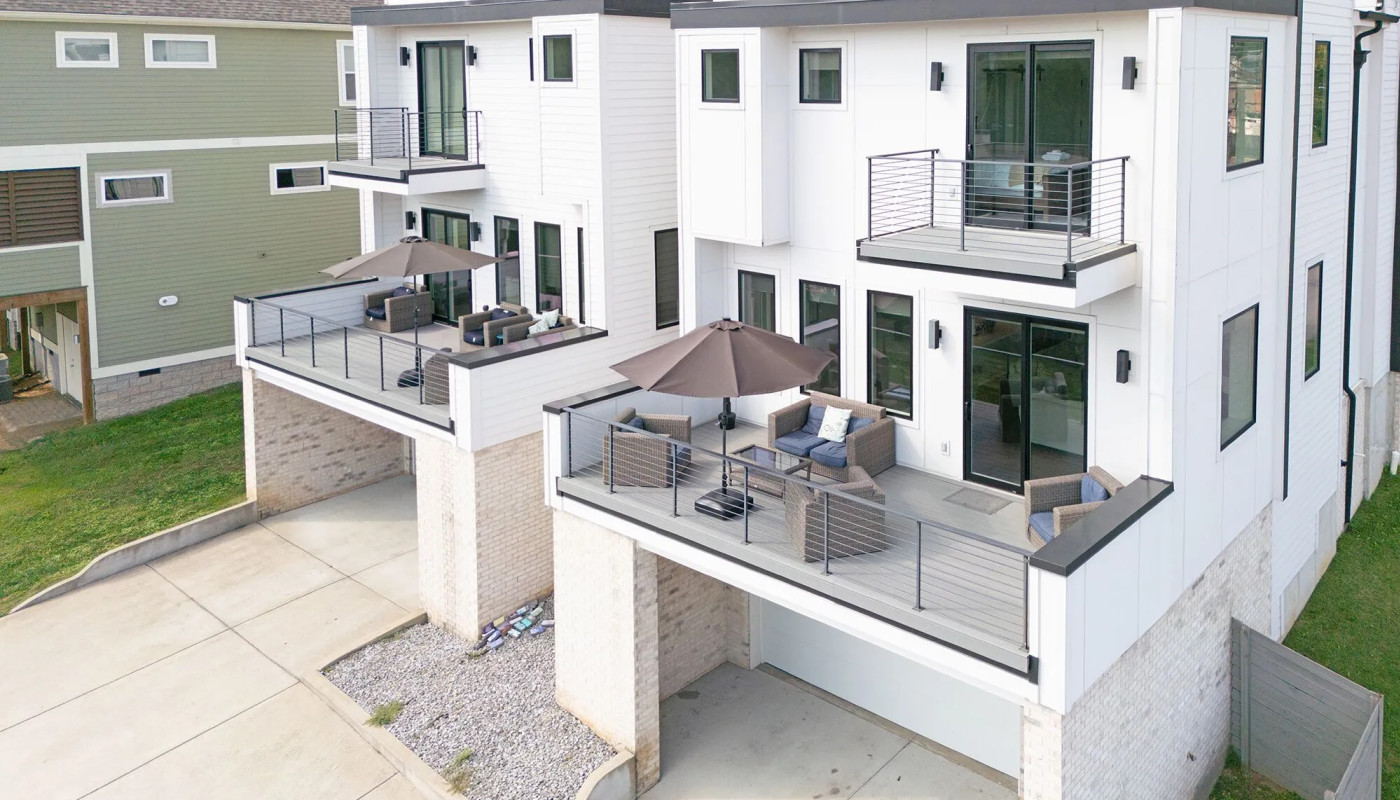
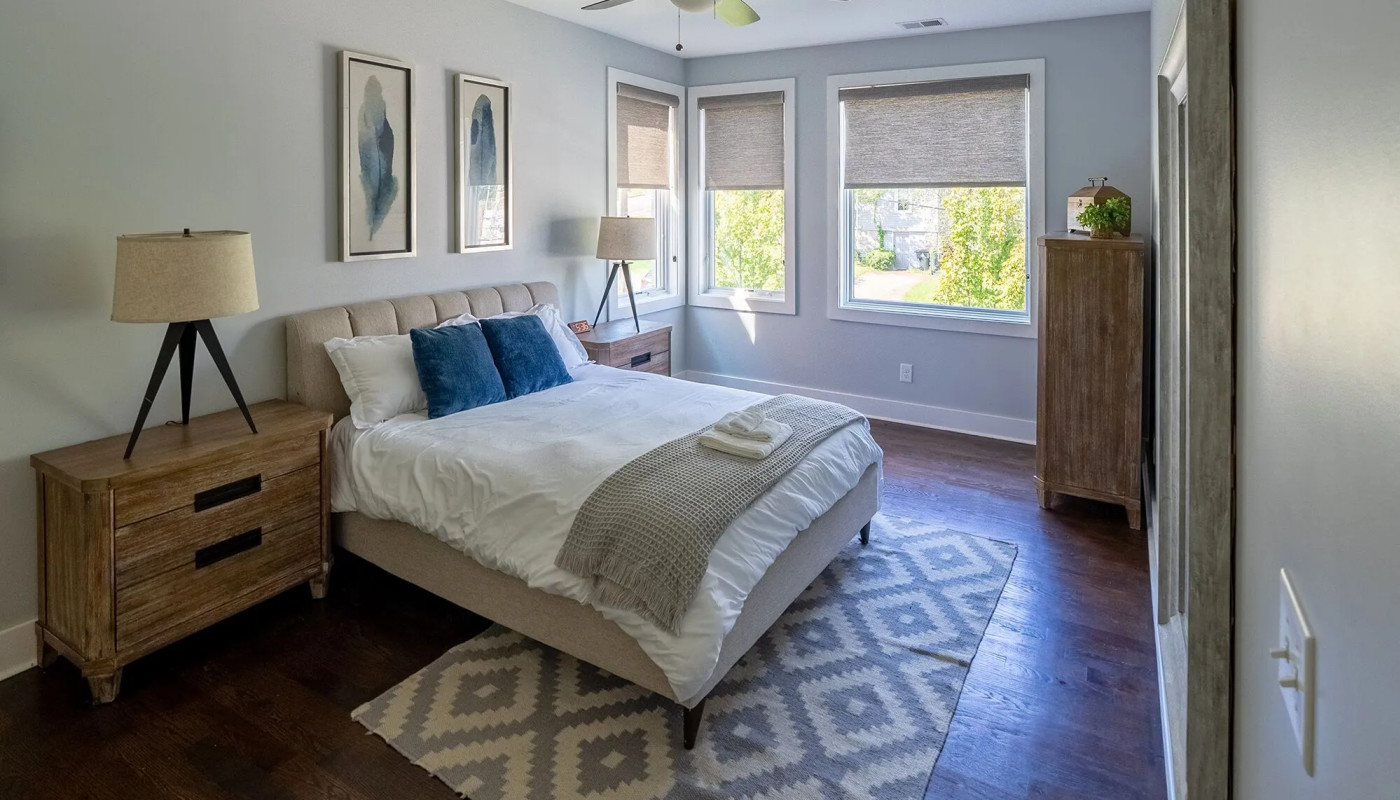
The provider describes private or shared rooms and furnished homes, while the FAQ explains that clients may change rooms or houses as they progress. Ask about the actual bedroom and bathroom arrangement, any private-room supplement, laundry, storage, accessibility, and permitted belongings. A current room offer should identify the proposed home and the conditions under which it could change. The maximum number of residents in a house does not establish that every person has a private bedroom.
Because care may last months, consider practical questions beyond the first week. How are personal belongings handled during a move? What support is available for shopping, meals, transportation, and appointments at different stages? Can a client personalize their room, and are there limits on furniture or storage? If sensory, mobility, sleep, or personal-care requirements are important, describe them during assessment and request confirmation of a workable arrangement for the actual home.
Family support without assuming identical needs
The Multi-Family Support Group page describes meetings every other month for families of clients in treatment or awaiting admission. Its published Nashville schedule includes November 19–21, 2026; dates and participation should be confirmed directly. This group is distinct from individual family appointments and from ordinary visits. Ask what is expected, whether participation creates an additional cost, and how arrangements work when relatives live far away or cannot attend.
Discuss whom the client wants involved, what information can be shared, and how consent and preferences are reviewed over time. Family participation may focus on communication, realistic expectations, boundaries, or the transition toward independent living. It should account for situations in which a relationship is unsafe, strained, or unavailable. Ask what alternatives exist and how staff support a client who relies on friends or other trusted people rather than a conventional family network.
Private payment and the limits of a 30-day estimate
BrightQuest describes itself as a private-pay program that assists with insurance reimbursement for eligible services. The FAQ states that clients remain responsible for payment, while reimbursement amount and timing depend on the insurer. Ask for a written explanation of the proposed charges, payment schedule, benefits review, and any reimbursement process. Financial planning should reflect the likely stages and duration of care rather than assume that a benefits check removes the need to fund the stay.
The Recovery.com Nashville profile, checked October 20, 2026, estimates USD 25,000–30,000 for 30 days of residential care. It lists different amounts for outpatient and semi-independent living services. These are third-party estimates, not an official BrightQuest tariff, and the lower service prices should not be blended into a residential range. Nor should the 30-day reference be multiplied to produce a supposed price for six or twelve months without a provider quotation.
Request an itemized plan covering housing, clinical appointments, psychiatry, medication, meals, transport, outside care, family programming, and transitions between levels. Ask about deposits, extensions, changes of room, early departure, and refunds. The current Nashville page states that Medicare, Medicaid, Medi-Cal, and TRICARE do not reimburse its treatment; confirm current plan-specific arrangements directly. A clear agreement should show which costs change as support decreases and which remain payable even if insurance reimbursement is delayed or denied.
Evaluating fit over a longer course of care
Ask how the program reviews goals with the client, how concerns about care are raised, and what happens if the current arrangement stops meeting their needs. Promotional outcome statistics or stories from other clients cannot predict an individual result. More useful questions concern how progress is defined, how support is adjusted, and how the team responds to difficulties. A longer course should still have understandable review points and a clear explanation of each proposed decision.
Compare BrightQuest Nashville with other mental-health treatment options, residential programs, and United States listings using the actual housing level, clinical resources, language, family arrangements, total funding plan, and support after discharge. Before admission, confirm the receiving home, assessment schedule, clinical acceptance, and financial terms. Those details provide a more useful basis for deciding than treating a 30-day directory price as the description of the whole program.
Destinations
Conditions
Levels of care
Amenities
Program approach
Individual/group psychotherapy, psychiatric review, family work, daily-living and social skills, vocational/education planning, and progressively adjusted community support
Fees & admissions
Estimated USD 25,000–30,000 / program
Recovery.com checked 2026-10-20 estimates USD 25,000–30,000 for 30-day residential care. Separate IOP/OP and semi-independent amounts are different services, not residential range endpoints. Provider is private pay with reimbursement assistance for eligible plans; no official numeric tariff or guaranteed reimbursement. Obtain phase-specific written quote.
Confirm the current program, duration, accommodation and included services directly with the center.
Telephone review and records followed by comprehensive assessment, clinical acceptance and actual housing confirmation. Clarify exact Nashville home and level, medical/psychiatric needs, English-language participation, current prescriptions, support outside nursing hours, private-pay agreement and reimbursement limits.