
About BriteLife Recovery Pennsylvania — Hanover
BriteLife Recovery Pennsylvania in Hanover
BriteLife Recovery’s Hanover campus provides addiction treatment with medical detoxification, residential care, and integrated attention to co-occurring mental health needs. The current campus page also describes specialized mental health programming. Its approach emphasizes connection, repeated practice, and a coordinated clinical team. A prospective client should ask how those principles shape the individual treatment plan, the actual weekly schedule, and the support available after discharge. Broad program descriptions are most useful when translated into specific clinical responsibilities and practical arrangements.
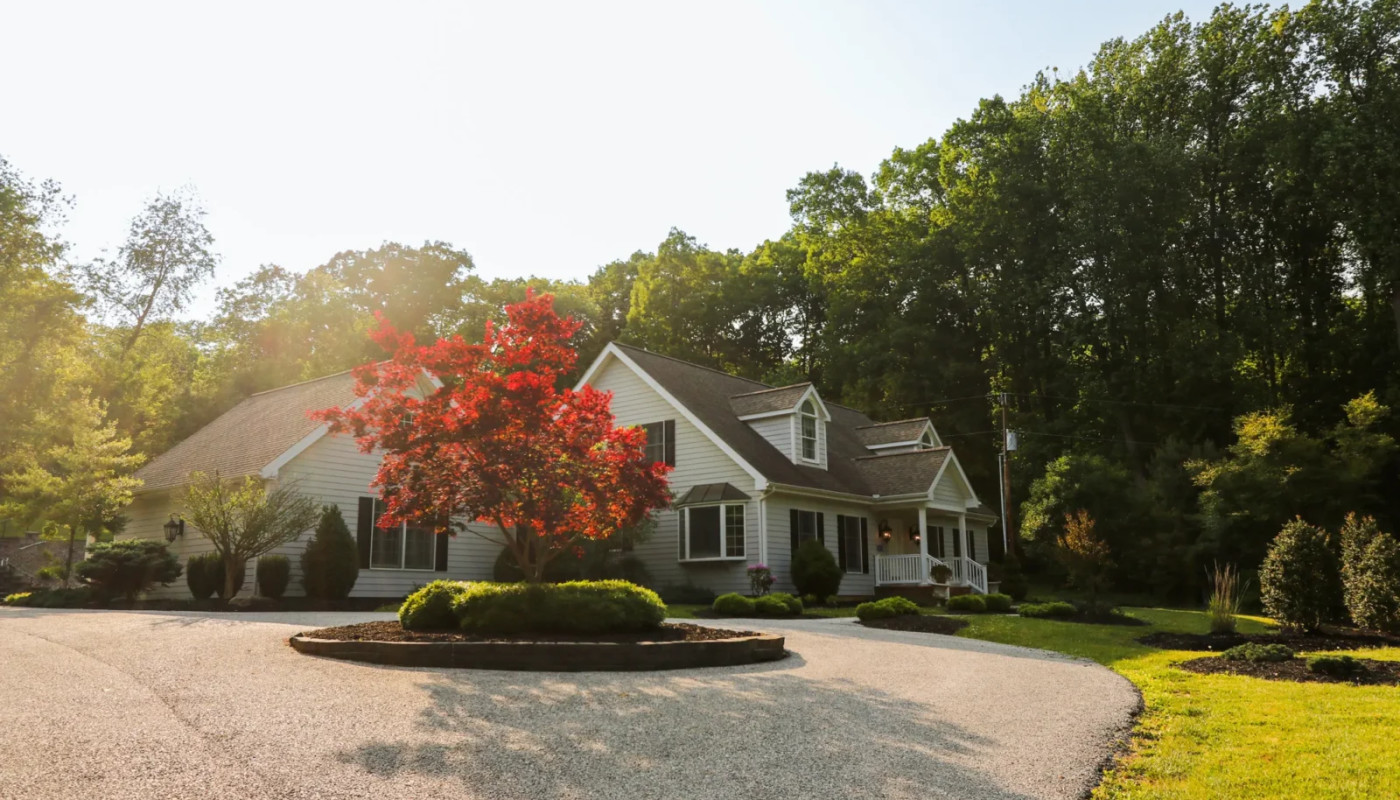
The campus is at 544 Iron Ridge Road, Hanover, Pennsylvania 17331, and its published admissions number is 866-470-1464. The provider describes several buildings with therapy rooms, common areas, an auditorium, dining space, and outdoor grounds. Confirm which building and room will be used, where the initial assessment occurs, and whether any proposed service requires travel elsewhere. This profile concerns Hanover; details from BriteLife’s other state locations should not automatically be applied to this campus.
Assessment and the proposed care pathway
The current Hanover page describes coeducational detoxification and residential treatment with gender-specific care within the program. Ask how living arrangements and groups are organized, who is eligible for the proposed service, and what the individual can expect on arrival. A shared campus does not mean every client follows the same timetable or clinical pathway. The receiving team should explain whether the plan begins with withdrawal care, residential therapy, or another assessment based on the person’s current needs.
Before admission, discuss recent substance use, prescribed medicines, previous withdrawal experiences, physical conditions, psychiatric history, and any accessibility or communication needs. Ask who reviews the information and what additional records are required. BriteLife advertises the possibility of same-day or next-day admission, subject to clinical needs and availability. Treat that as something to confirm for the actual date, rather than a promise. Travel arrangements should follow confirmation of the receiving service, bed, and financial terms.
The provider describes round-the-clock medical supervision and nursing during detoxification. Ask what that means for the proposed stay: staff physically present, prescriber access, monitoring, laboratory arrangements, and the response when a patient needs care elsewhere. Those details are more useful than assuming a particular level of medical capability from the term detox. The applicant’s needs and the facility’s resources should be matched before arrival, with clear responsibilities if a clinical transfer becomes necessary.
Program length and medication support
The campus page gives five to seven days as a general detoxification reference and twenty-eight days as an average residential stay, while recommending thirty days for comprehensive care. These are provider descriptions of typical care, not fixed requirements for an individual. Ask whether detoxification is included in the proposed residential dates, when progress is reviewed, and what would lead to a longer or shorter stay. A package quote should identify the exact phases and nights covered rather than relying on an average.
The current Hanover information mentions medication options including Suboxone, naltrexone, and Vivitrol. Ask about the specific prescription and formulation, who will assess suitability, who provides ongoing prescribing, and how medication is obtained. Someone already receiving recovery or psychiatric medication should discuss continuity with the clinical team before making changes. Confirm whether pharmacy, injection, monitoring, laboratory, or outside professional charges are included, and how the medication plan will continue when the person leaves the campus.
Mental health treatment and the limits of the setting
BriteLife’s Hanover materials describe integrated care for substance use and mental health concerns, and a dedicated page advertises mental health programming for this location. Someone seeking care primarily for mental health should ask which specific program would admit them, whether substance use is required, and what medical and psychiatric resources are available. The evidence reviewed here does not independently establish a psychiatric hospital admission. Provider use of the word inpatient should not be treated as proof of hospital-level care.
This directory distinguishes supported residential treatment from hospital admission. Ask about psychiatric assessment, access to a prescriber, observation and support outside appointments, and which symptoms or medical needs require a different setting. For someone with several concerns, clarify how one clinical plan addresses them together. The directory’s explanation of co-occurring conditions can help prepare questions, while actual suitability depends on the person’s presentation and the receiving program’s capabilities.
The therapeutic model in daily practice
The provider describes a structured model that moves through emotional awareness, relationships, personal direction, recovery skills, integration, and carrying change into everyday life. Ask how that progression fits the resident’s goals and how the team responds if a topic needs more time. A named sequence is an organizing framework, not a guarantee that everyone progresses in the same order. The useful evidence for an applicant is an explanation of the work proposed, the clinicians involved, and the way progress is reviewed.
The current Hanover page describes individual therapy twice weekly and daily process and specialty groups. It lists acceptance and commitment therapy, dialectical behavior therapy, motivational interviewing, grief work, and somatic or polyvagal-informed practices. Ask which approaches the team recommends for the individual and how they are delivered. Promotional method names should not be treated as proof of a particular outcome. If a specific technique is central to the choice of center, confirm the clinician’s qualifications and current availability.
Nature-informed work is also part of the campus description. Ask what activities currently take place, whether they involve clinical therapy or recreation, and how they are adapted for mobility limitations, allergies, weather, or personal preferences. A program with outdoor grounds should still be able to explain appropriate alternatives. The weekly schedule should distinguish individual appointments, groups, clinical reviews, rest, meals, and activities so a resident understands both the therapeutic structure and the practical demands of the day.
Rooms and practical arrangements at Hanover
The provider describes comfortable rooms and shared campus spaces; current secondary information specifies shared bedrooms with ensuite bathrooms. An ensuite bathroom can serve more than one resident and does not establish private accommodation. Ask for the actual number of occupants, bathroom arrangement, accessibility, stairs, storage, laundry, and any room supplement. Confirm the building assignment and how movement between buildings is managed if the person has limited mobility or needs additional support during the first days of care.
Discuss dietary requirements, allergies, meal arrangements, phone access, computers, visitors, deliveries, smoking policies, and time away from the campus. Someone responsible for children, another dependent, or essential work contact should agree on practical communication arrangements before admission. Photographs of shared amenities do not confirm that every space or activity is available during each clinical phase. Ask what is provided, what to pack, and whom to contact if an essential item or prescription is missing on arrival.
Family support through BriteLife Village
BriteLife’s current family-services program, called the Village, includes free virtual education and support resources alongside individually arranged family therapy. The provider explains that clinical family involvement depends on the patient’s consent and needs. A relative can ask about general educational resources without assuming access to private clinical information. Confirm how a family member registers, which sessions are relevant, and how those resources differ from therapy focused on the resident and their relationships.
The family page describes phone, virtual, or in-person clinical sessions as appropriate, and case management that helps coordinate the next stage of care. Ask who the resident wants involved, how consent is documented, and whether family participation should begin immediately or later. Visiting, receiving updates, attending education, and joining therapy are different arrangements. A resident should be able to discuss the pace of involvement and any relationship concerns with the team rather than assume all relatives must participate in the same way.
Planning beyond the residential stay
The current Hanover page says discharge planning begins early and can include referrals for ongoing therapy, recovery housing, and community support. Ask what the expected next level is, who provides it, and where it takes place. A network’s broader service list does not establish that every outpatient option operates at Iron Ridge Road. If another provider or residence is recommended, obtain its name, address, appointment or move-in date, transport arrangements, and separate financial terms before leaving Hanover.
The provider also describes alumni connection. Ask what participation includes, how often contact occurs, whether there is a fee, and who facilitates it. Peer or alumni support should be distinguished from psychiatric follow-up, medication management, and therapy. A practical continuing-care plan identifies the receiving clinician, prescriptions and supply, clinical appointments, daily living arrangements, and a contact process if the plan changes. For someone returning to another state, discuss how information and responsibilities transfer to clinicians closer to home.
If family members will help with transport, appointments, or daily arrangements, agree on those responsibilities before discharge. The resident’s preferences and practical resources should guide the plan. A referral is most useful when the receiving service has confirmed the appointment and everyone understands who will make contact if it must be changed.
Fees and insurance for the actual course
Recovery.com, checked October 20, 2026, displays an estimated USD 24,000 for thirty days. The defined period makes it a usable third-party reference, but it remains separate from an official current tariff or an individual quote. The provider’s twenty-eight-day average and five-to-seven-day detoxification reference do not establish exactly what the thirty-day estimate includes. Request written terms for the assessed course, housing nights, detoxification, therapy, medical appointments, medication, tests, transport, activities, and any subsequent care.
Confirm the specific insurance plan, program, campus, network relationship, authorization, deductible, and cost sharing. Ask how extensions, clinical transfers, early departure, or a change of care level affect charges and refunds. Compare the final offer with other United States treatment options using the actual therapeutic plan, psychiatric resources, room arrangements, family support, and continuing care. For Hanover, a useful decision depends on understanding both the integrated program and the precise service being offered to the individual.
Sources and verification
Reviewed October 20, 2026: Hanover campus and current FAQ, Hanover mental health description, BriteLife Village family services, and Recovery.com secondary accommodation and price reference. Provider descriptions do not establish individual admission, independent hospital status, exact staffing at a future date, or a guaranteed outcome.
Destinations
Conditions
Levels of care
Settings
Program approach
Coordinated addiction and mental health care with individual therapy, daily process/specialty groups, ACT, DBT, motivational interviewing, grief work, somatic/polyvagal-informed practices, nature-informed programming, family support and continuing-care planning
Fees & admissions
Estimated USD 24,000 / program
Recovery.com checked October 20, 2026 estimates USD 24,000 for thirty days. This is a third-party reference, not an official tariff. Ask whether it includes detoxification and the residential phase, exact housing nights, medical and psychiatric appointments, medicines, tests, transport, activities and later care; the provider’s twenty-eight-day average does not define those inclusions.
Confirm the current program, duration, accommodation and included services directly with the center.
Confirm clinical fit, exact program and building, detoxification need, psychiatric and medical resources, prescriptions, actual room/bathroom sharing, access and dietary needs, family consent, travel, availability, insurance authorization and full written charges. Mental health programming does not by itself establish hospital admission.