About CNV Detox — Los Angeles
CNV Detox in Los Angeles
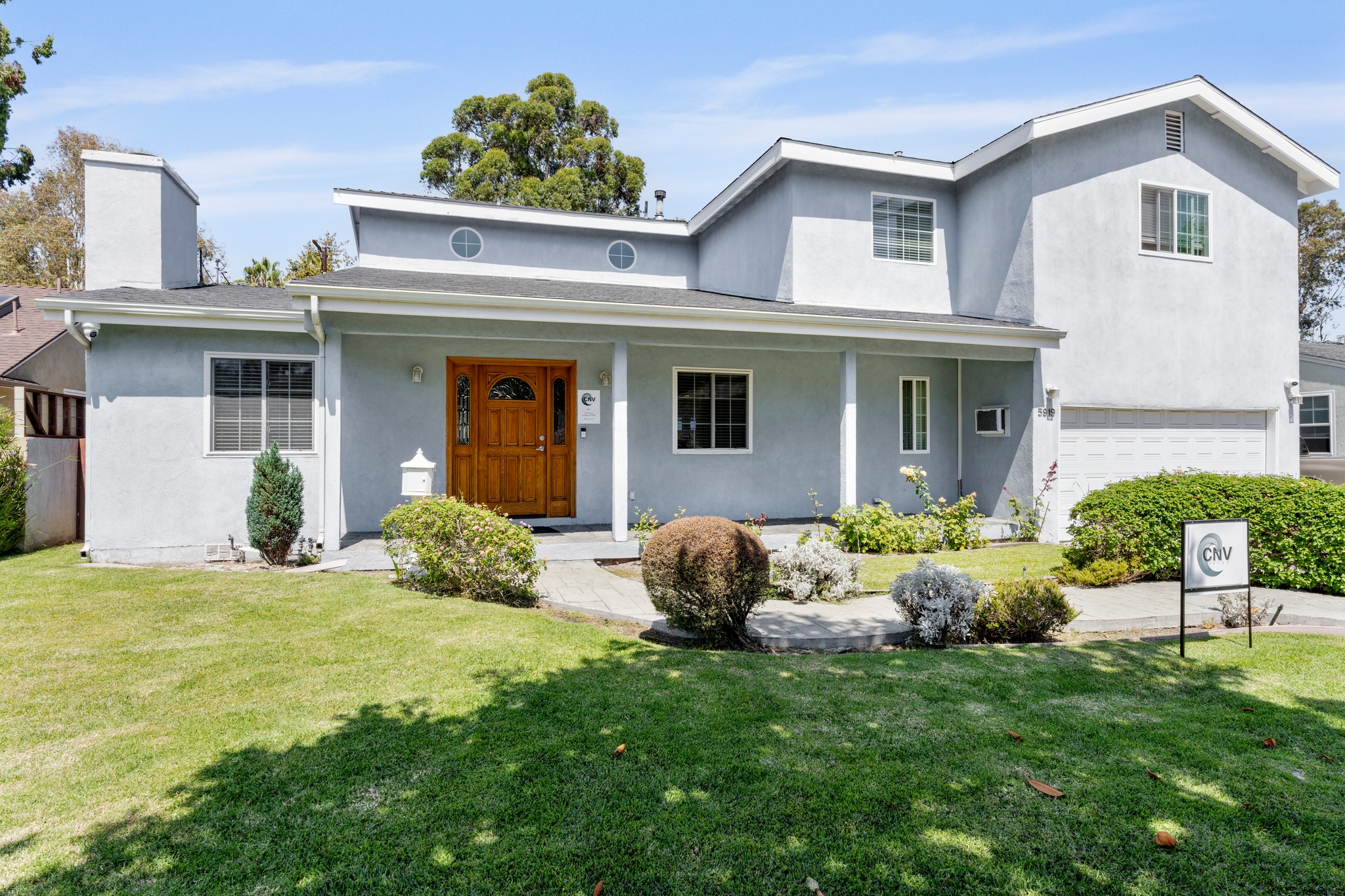
CNV Detox provides sub-acute detoxification and residential addiction treatment in Los Angeles, California. Its official facility description identifies a family-operated, six-bed home offering medication and therapy for substance use and co-occurring mental health concerns. The small residential setting is an important part of the listing: it is different from an acute hospital ward, and a person’s suitability still depends on clinical assessment. The program belongs in the United States treatment directory, with the actual admission arrangements confirmed directly with the Los Angeles team.
A prospective resident may be considering CNV because they want supervised withdrawal support, a small treatment community, or help with addiction alongside mental health concerns. Those starting points can lead to different plans. Explain which concern needs attention first and whether another clinician is already treating the person. A useful inquiry establishes the recommended care level, the services available at the house, and what would happen if the person’s needs exceed that setting. A six-bed capacity describes the size of the home; it does not establish a particular staff-to-patient ratio or guarantee constant individual attention.
Understanding the sub-acute detox service
CNV explicitly describes its medical detox service as sub-acute. Before admission, ask the assessing clinician to explain what that means for the individual’s substance use, prescribed medication, physical health, and recent symptoms. Discuss any previous difficult withdrawal or hospital treatment honestly. The practical question is whether the planned setting can provide the monitoring and response the person needs. An advertised detox service should not be interpreted as confirmation that the home can handle every medical complication or the same range of needs as a hospital.
The provider’s main program information says its physician determines the detox plan after an initial history and physical assessment, with psychiatric input also described. Ask who reviews information before arrival, when the in-person assessment happens, and how medical contact works overnight or on weekends. Distinguish a clinician being available by telephone from that clinician being physically present in the house. These questions help make the staffing description understandable without assuming that every professional listed on a website is onsite throughout each shift.
The website gives examples of short detox stays, but an example is not an individualized prediction. Agree how the team will review progress and discuss the next stage. There may be a difference between the time initially authorized by insurance, the anticipated clinical course, and the total period spent in residential treatment. Do not change prescribed medicines or attempt to make withdrawal fit a reservation. If the person’s health changes before the scheduled admission, contact the clinical team so it can reassess the arrangement and advise on the appropriate next step.
Residential treatment after withdrawal support
CNV also offers residential rehabilitation, so the decision is broader than choosing a place for detox alone. Its facility page describes residents helping develop their own treatment plans and participating in a program operating seven days a week. Ask how the transition from detox to residential care is decided and whether it takes place in the same accommodation. The proposed plan should explain what changes in the daily schedule, supervision, clinical appointments, and payment arrangements. Completing one stage should lead to a clear conversation about what support is appropriate afterward.
Bring specific goals to that conversation. Someone might want to understand patterns around substance use, rebuild daily routines, address relationship difficulties, or work on mental health concerns that have complicated previous treatment. Those goals are more useful than a general promise of transformation. Ask how the team records priorities, reviews them with the resident, and adapts the schedule if an approach is not useful. The resident should know whom to approach with a concern about treatment and how a second discussion with the responsible clinician can be arranged.
Therapy and co-occurring concerns
The official website lists individual therapy, process groups, relapse-prevention work, and activities such as yoga, breathwork, and physical training. It also advertises a dual-diagnosis program. Treat these as a menu to discuss during assessment, rather than assuming every resident receives identical sessions. Ask how much scheduled individual therapy is included, how groups are organized, and which clinician is responsible for mental health treatment. A wellness activity and a psychotherapy appointment have different purposes; the weekly timetable should make those distinctions clear.
For someone seeking help with both addiction and mental health symptoms, describe the current concerns in practical terms. Explain what has been difficult at home, which medicines are prescribed, what treatment has already been tried, and whether there are existing diagnostic records. Ask how the CNV team coordinates its assessment with those records and how it handles needs outside the program’s scope. A co-occurring treatment description does not mean that every psychiatric condition or level of acuity is suitable for this home. Clinical acceptance should address the individual situation.
Living in a six-bed home
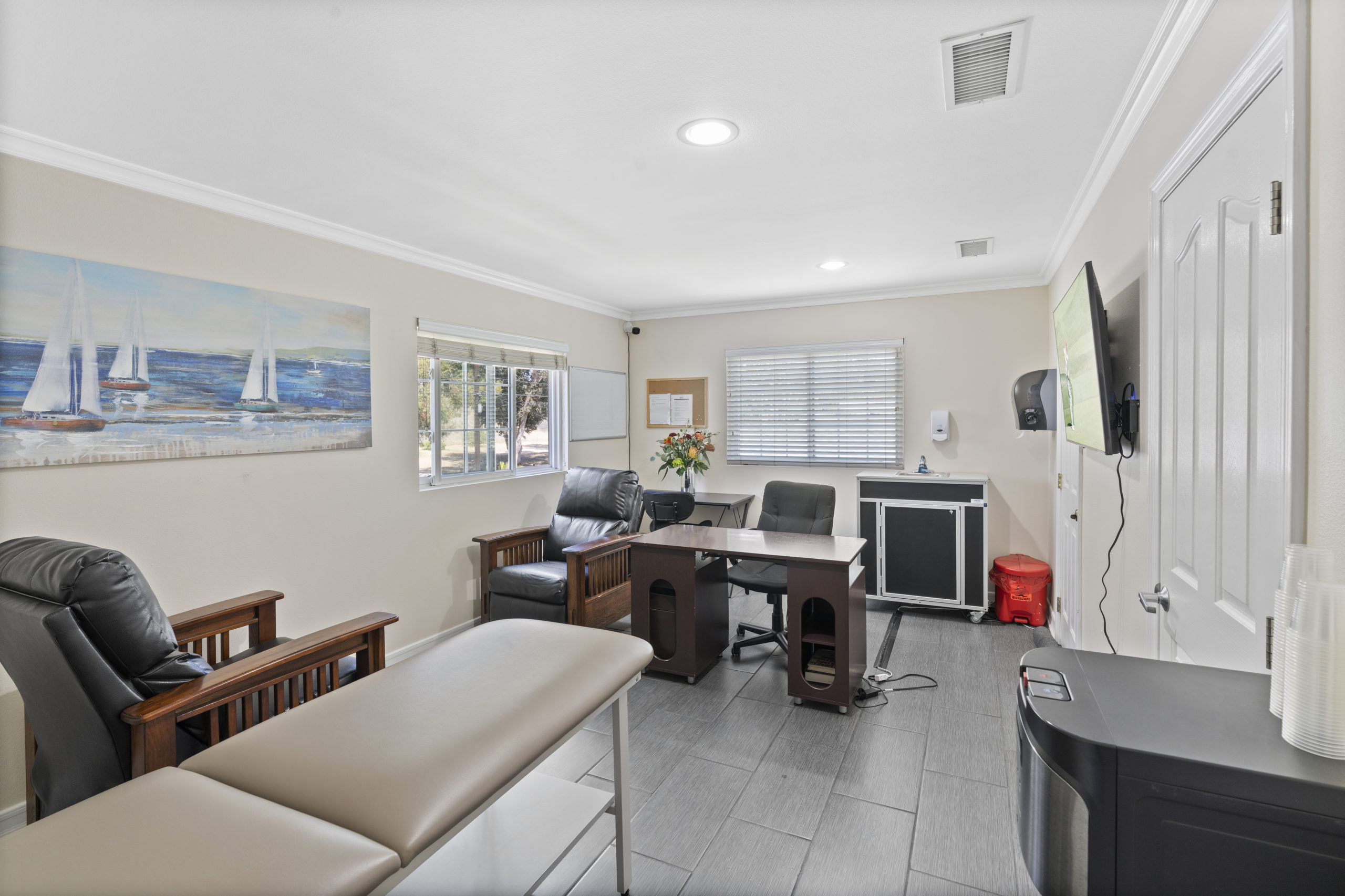
A small house can make the residential experience feel more personal, but the details of shared living still deserve attention. Request current information about bedroom occupancy, bathroom sharing, quiet spaces, and accessibility. The public description does not establish a guaranteed private bedroom for every resident. If privacy or a physical limitation will affect participation, discuss it before paying a deposit. Ask whether photographs show the accommodation currently offered and whether a room allocation can change between detox and residential care or during a longer stay.
Think through an ordinary day rather than focusing only on the property’s appearance. Confirm laundry arrangements, permitted belongings, meals, dietary requirements, and how personal items are stored. Ask when phones or computers can be used and how essential responsibilities at home can be managed. A resident with work, caregiving, or administrative obligations may need a trusted person to handle specific tasks while treatment is underway. Any flexibility should be agreed with the program instead of assuming that normal routines can continue unchanged in a residential setting.
Bringing a pet requires advance approval
CNV publishes a pet-friendly policy, but admission of an animal requires discussion and approval. The stated rules include vaccination requirements, crate training, appropriate behavior around others, and a leash outside the owner’s room. This feature may matter to someone for whom pet care would otherwise prevent treatment. Confirm the arrangement before travel, including the animal’s size and needs, required documentation, and any restrictions relevant to the other residents. A general pet-friendly label does not replace approval for the particular animal accompanying the prospective patient.
Make a practical care plan for times when the resident is in a clinical appointment, resting, or temporarily unable to care for the animal. Ask who provides food and supplies, where the pet can go, and what happens if another resident has a concern. Arrange a backup person who can collect or care for the pet if necessary. These are especially useful questions in a small house, where one animal can affect the shared environment. Discuss assistance-animal arrangements directly rather than assuming that the ordinary pet policy explains every circumstance.
Admission, assessment, and timing
CNV’s published intake sequence includes an initial contact, a discussion of benefits or payment, and a clinical pre-assessment. The website advertises the possibility of prompt admission, but availability and clinical acceptance remain individual decisions. Before arranging transport, confirm the actual arrival time, who will receive the person, and what documents or medicines should accompany them. Ask for the current preparation instructions rather than relying on an older checklist. A telephone conversation about a vacant bed should not be confused with a complete review of the person’s clinical needs.
A family member can help gather information, but the prospective resident should have a clear opportunity to discuss their own concerns and preferences. Ask how consent works if supporters, an existing therapist, or another medical service will exchange records. Clarify what the admissions team can tell a relative and what requires the patient’s authorization. If the person is transferring from another facility, establish which team is responsible for the handover. That helps avoid a gap between a discharge decision elsewhere and confirmed acceptance at CNV.
Fees and insurance: keep the daily basis clear
At the October 20, 2026 review, Recovery.com listed an estimated cash-pay price of US$2,000 per day. This is a secondary estimate, not a current tariff independently confirmed by CNV. It should remain a daily figure; it does not establish a fixed thirty-day package. Ask for a written quote that identifies the care level, anticipated number of days, room arrangement, and included clinical services. Confirm whether detox and residential rehabilitation use the same rate or have separate charges.
The provider advertises work with major insurance plans but also states that it does not accept Medicare or Medicaid; its detox page specifically excludes Medi-Cal. Check the current position directly for the individual policy. A benefits check should explain deductibles, coinsurance, authorization, and any services billed separately. The appearance of an insurer’s logo is not confirmation of payment for this admission. Request a financial explanation that distinguishes what has been verified from what remains dependent on authorization or the actual treatment delivered.
Before committing, clarify deposit requirements, cancellation terms, payment for additional days, and the financial process if the clinical plan changes. If another person is paying, agree who receives invoices and what information can be shared. A short initial estimate can be useful for planning, but it should not conceal uncertainty about the complete stay. The most helpful comparison with another program uses the same duration and type of care, with differences in accommodation and separately billed professional services made explicit.
Planning the next step before discharge
Ask CNV how discharge planning begins and who helps arrange continuing care. A person leaving a small residential home may need outpatient appointments, medication follow-up, recovery support, or another living arrangement. Identify which services the CNV team provides itself and which require an outside referral. Confirm appointment dates where possible and discuss record sharing with consent. If the person lives outside Los Angeles, make sure the plan is practical in the place where they will actually return, including travel, availability of clinicians, and everyday responsibilities.
The official contact number is (213) 354-7155. A productive first call can focus on four concrete issues: suitability for the sub-acute setting, the proposed residential plan, practical arrangements in the six-bed home, and the written cost explanation. Mention any pet request early enough for it to be assessed. The value of this listing is to help prepare that conversation; admission should rest on the person’s assessed needs and the arrangements CNV confirms for the actual stay.
Destinations
Conditions
Levels of care
Settings
Program approach
Medication and therapy; provider-described individual and process groups, relapse prevention, psychiatric input, and wellness activities
Fees & admissions
Estimated USD 2,000 / day
Recovery.com estimate checked 2026-10-20: USD 2,000 per day. Not a provider-confirmed tariff or fixed thirty-day package; confirm detox/residential rates and inclusions.
Confirm the current program, duration, accommodation and included services directly with the center.
Clinical pre-assessment and benefits/payment discussion; pet admission requires advance approval