About Connections Mental Health — Tustin
Connections Mental Health in Tustin
Connections Mental Health offers residential mental health treatment in Orange County, with the Tustin facility identified at 17811 Bigelow Park, Tustin, California. The current provider site describes a small, supervised home environment and individualized care for adults. Its wider facility directory also lists homes in Orange and Villa Park. When making an inquiry about this profile, specify the Bigelow Park location and confirm that it is the actual receiving residence for the proposed admission.
The provider’s general program information describes a maximum of six clients and round-the-clock supervision. Its FAQ says at least two staff members are present at all times, while the treatment overview separately describes nursing and clinical monitoring. Ask how those statements apply to the Tustin home, which roles are physically present on each shift, and which clinicians attend by appointment or are on call. A small resident group does not establish current vacancies or one-to-one clinical attention throughout the day.
Adults, mental health needs, and clinical suitability
Connections describes support for adults with mood, anxiety, trauma-related, personality, and psychotic disorders, as well as selected neurodevelopmental and other mental health concerns. Its program overview also discusses substance use alongside mental health difficulties. These are advertised areas of work, with suitability determined by assessment. Ask how the team evaluates the person’s current symptoms, physical health, medications, previous treatment, daily functioning, and required support before accepting a residential placement.
The homepage identifies young adults aged eighteen and older within an inclusive adult program. It says younger teenagers can be connected to age-appropriate care, which should not be interpreted as confirmation that the Tustin residence admits minors. Some pages list eating disorders, suicidal thoughts, or psychotic symptoms. Those broad references do not establish capacity for every severity or an acute crisis. The receiving clinician should identify the program’s limits and whether hospital or specialist stabilization is required first.
Residential treatment and other levels of care
Connections distinguishes its home-style residential treatment from hospital inpatient care in its own comparison guide. The residential setting provides a planned therapeutic environment with support across the day and night, while clinical suitability and urgent-care arrangements need individual discussion. Ask about observation, access to medical review, prescribed medication, and escalation procedures. The words residential inpatient on a website do not by themselves establish that the home operates as an acute psychiatric hospital.
The current treatment overview also advertises PHP and IOP within the wider program. It describes PHP as five days per week at approximately six hours daily, and IOP as three days per week at approximately three hours daily. Those are program timetables, not hours of individual therapy or a promise of overnight accommodation. Confirm the current outpatient operator, clinical address, eligibility, transport, and housing arrangements. Do not assume every service is delivered inside the Bigelow Park residence or included in one residential fee.
Therapy methods and the first week
The provider lists CBT, DBT, EMDR, ACT, cognitive processing therapy, motivational interviewing, and other selected trauma-focused approaches. Its first-week description includes psychiatric, medical, and psychosocial evaluation, introduction to the care team, and the start of an individualized schedule. Ask which methods are recommended for the person, the expected number and length of individual sessions, group size, and how progress is reviewed. An extensive therapy menu does not establish that every method is delivered to every resident.
The staff pages distinguish the clinical director, therapists, associate therapists, case managers, and support roles. That distinction helps clarify who develops the treatment plan, who provides psychotherapy, and who coordinates practical needs. Ask about the assigned clinician’s professional role and supervision where relevant. If a particular specialist approach is a deciding factor, confirm the current practitioner and availability. A list of techniques in a staff biography is not a guarantee that each technique will be used in the proposed course.
Psychiatric care and medication management
Connections describes medication management as part of its services, with the treatment overview referring to psychiatric evaluation and prescribing. Its dedicated medication page discusses reviewing current and past medicines, health history, symptoms, treatment preferences, and follow-up appointments. Ask who will prescribe for the actual admission, whether appointments are onsite or remote, how often review is expected, and how the team communicates with existing clinicians. Continuous residential supervision should be distinguished from a prescriber being physically present at all times.
Before arrival, discuss all prescriptions, relevant medical conditions, past medication difficulties, and any outside appointments that must continue. The packing information asks for prescriptions in their original labeled containers and says medication is reviewed and stored at intake. Confirm the current supply requirements and any restrictions directly with the clinical team. The written financial agreement should identify medication, laboratory, pharmacy, and separately billed professional costs. Changes to treatment belong in the individual clinical plan rather than being inferred from a directory description.
Family therapy, relationships, and practical support
Connections includes family and group work in its general program description, and also describes couples counseling among available approaches. Ask how family participation is assessed, how the resident’s agreement is handled, whether sessions can be remote, and what appointment pattern is proposed. A couples-therapy service does not establish that partners can share a residential room or receive an identical treatment plan. If two people are considering care, their eligibility, clinical arrangements, accommodation, and fees need separate clarification.
Case management and continuing-care planning are also described within the program. Discuss the practical goals that need attention, such as returning to work or education, coordinating outside clinicians, managing appointments, or arranging support at home. Families should know who handles ordinary updates and how to raise concerns during the stay. Travel, visits, and family accommodation should be arranged around the actual policy. Participation in therapy should not be assumed to grant unrestricted access to private clinical information.
The Bigelow Park home and room arrangements
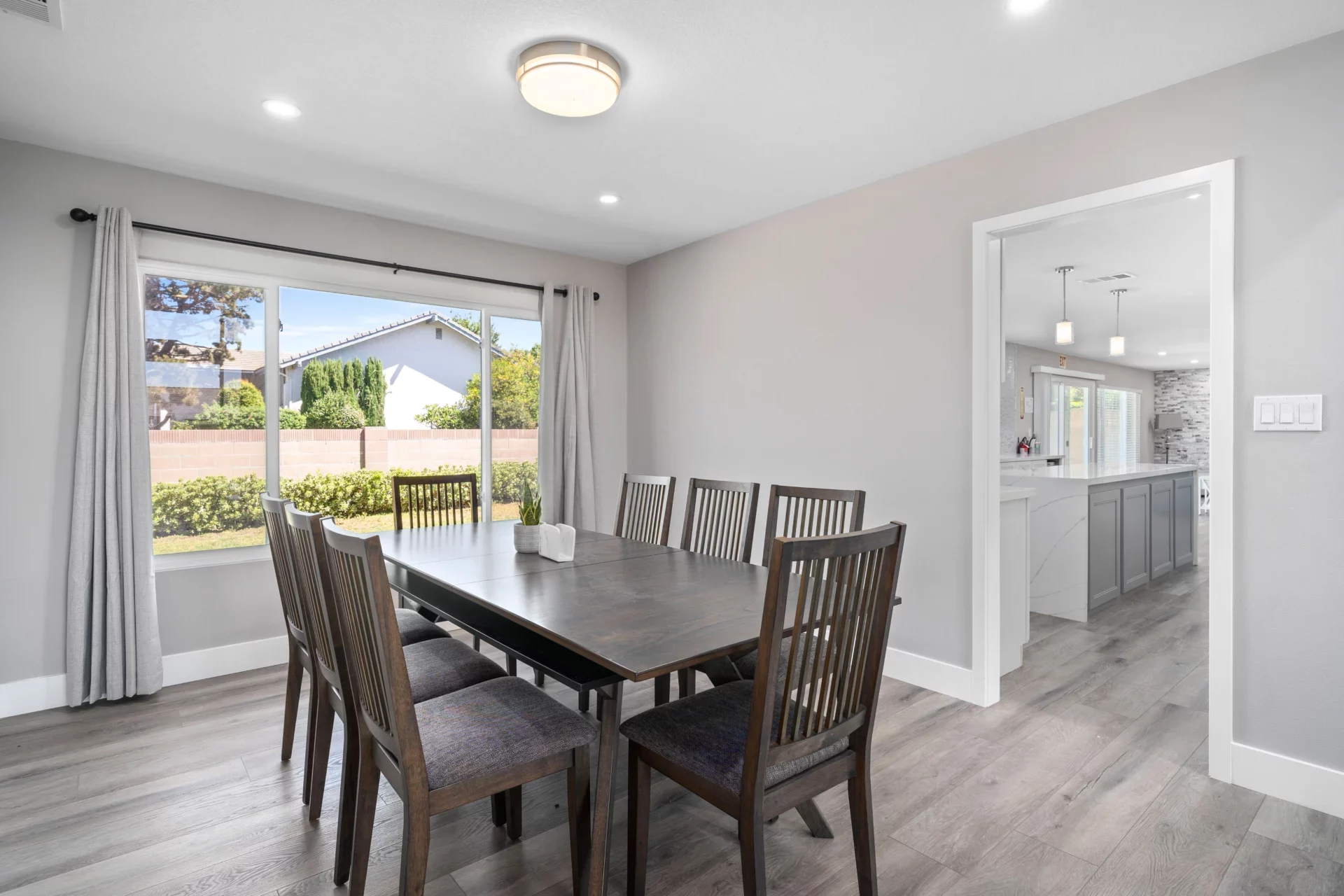
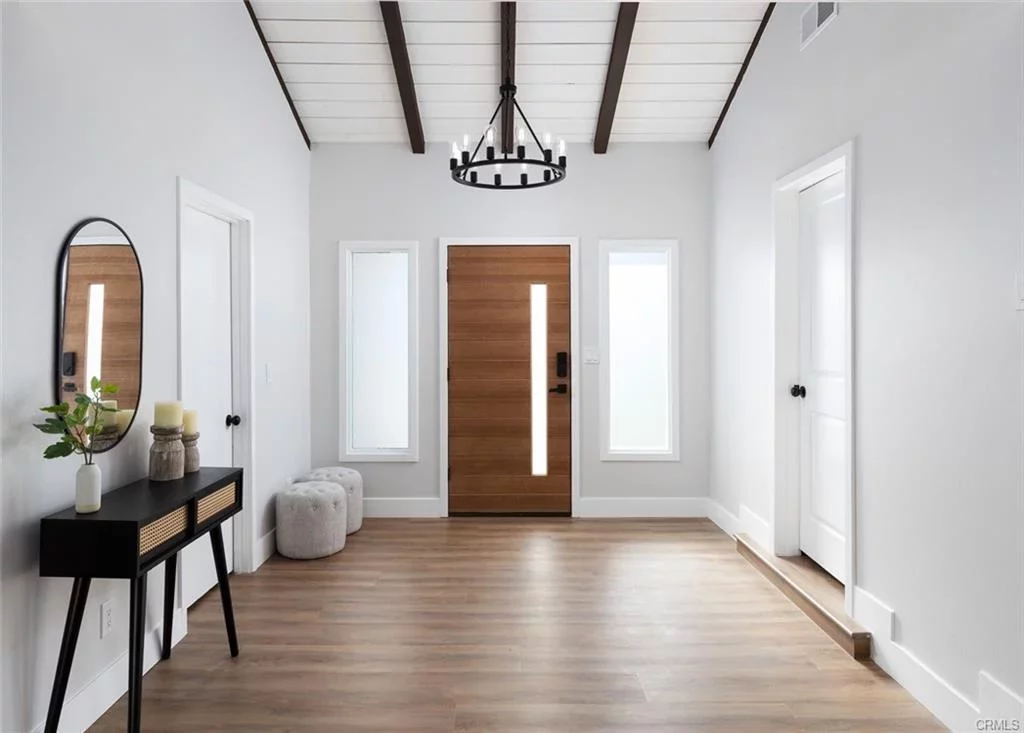
The Tustin facility page confirms the Bigelow Park address and provides a gallery, while the wider provider describes comfortable communal spaces and a supervised residential environment. Recovery.com mentions private and shared bedrooms across the profile. The reviewed primary location page does not establish which room categories are currently available at this exact home. Ask for the assigned room, occupancy, bathroom sharing, accessibility, and any supplement before treating a private bedroom as part of the offer.
Connections describes wellness activities, community connection, and access to outings around Orange County. Nearby beaches, parks, or restaurants do not establish unrestricted access from the residence or a beachfront location. Ask what is actually scheduled, how outings are supervised, and whether clinical or mobility needs affect participation. Meals, dietary requirements, allergies, laundry, sleep arrangements, and shared-space rules are practical details to settle early. A current tour of the receiving home can help distinguish its facilities from those shown for other locations.
Devices, pets, and preparing for admission
The current packing page places clear limits on electronics: personal devices are subject to restrictions and can be used only with staff supervision. It also lists clothing, alcohol-free toiletries, identification, emergency contacts, and approved personal comfort items, with separate rules for sharp objects and valuables. Anyone expecting to work remotely, study online, or maintain frequent outside calls should obtain the actual device policy before enrolling. A general internet or phone amenity label would not fully describe these restrictions.
Connections advertises a pet-friendly policy on the same page. Confirm acceptance for the individual animal and the Tustin home, including practical care responsibilities, health documentation, shared-space arrangements, costs, and any restrictions before traveling with a pet. The packing page is a preparation guide rather than a confirmed admission. Request the current list directly from the accepting team and resolve questions about medication, accessibility, transport, and belongings in advance so arrival can proceed according to the agreed plan.
Duration, price evidence, and insurance
Recovery.com lists a typical thirty-day duration and an estimated US$45,000–60,000 cash-pay range for thirty days. These are secondary references, rather than a current official tariff or a guarantee of the duration recommended for an individual. The range is not explicitly allocated between private and shared bedrooms. Ask for the actual residential dates, room, treatment schedule, clinical review points, and extension terms. The provider’s general discussion of longer residential care does not define one fixed package for the Tustin home.
The provider invites insurance verification and discusses working with major plans. Confirm the exact policy, network status, medical-necessity requirements, authorization, deductible, coinsurance, and any separately billed clinicians. Obtain a written quote identifying accommodation, meals, therapy, psychiatric appointments, medication, testing, transport, optional activities, and later care. Deposits, payment dates, cancellation, early departure, and additional-day rates should also be clear. An initial benefits check is useful information, but it does not establish final acceptance, a reserved room, or complete coverage.
Admission and the transition after residential care
The current contact and admissions pages publish 844-759-0999. The described process begins with a conversation and evaluation, followed by financial discussion, clinical acceptance, scheduling, travel coordination, and the start of the treatment plan. Ask the team to confirm the Bigelow Park residence, arrival contact, room, required records, medications, and packing instructions. Assistance planning a flight or ride does not automatically mean every travel expense is included in the program price.
Before discharge, request a clear plan for the next appointments, prescriptions, clinical records, housing, and support where the person will live. If PHP or IOP is recommended, confirm its location, schedule, funding, and living arrangements separately. Connections can be compared on its small adult residential setting, advertised psychiatric and therapy services, supervised device policy, family involvement, and the actual written offer. Those details provide a practical basis for deciding whether the proposed Tustin admission fits the person’s assessed needs.
Sources and further comparison
Source review: October 20, 2026. Official program overview; Exact Tustin facility address and gallery; Provider locations; Treatment methods, staffing, and care-level timetables; Clinical staff roles; Official FAQ; Medication management; Residential and hospital care distinctions; Packing, device, and pet policies; Admissions and clinical review; Current contact; Recovery.com secondary thirty-day price and room description. Provider statements describe the advertised service; they do not establish an individual admission decision, current availability, or treatment outcome. Price evidence is identified separately from the provider’s own fee policy.
For a broader comparison, explore treatment options in the United States and read questions to ask a treatment center. Use the answers from the actual receiving team to compare the clinical plan, practical arrangements, and written financial terms.
Destinations
Conditions
Levels of care
Settings
Program approach
Individualized psychiatric evaluation and medication management, individual/group and family work, selected CBT/DBT/EMDR/ACT/CPT and motivational approaches, trauma work, wellness activities, case management and continuing-care planning
Fees & admissions
Estimated USD 45,000–60,000 / program
Recovery.com checked October 20, 2026 estimates USD 45,000–60,000 for thirty days. No current official numerical tariff or mapping of the range to specific room categories was verified. Obtain actual residential dates, room, therapy and psychiatric services, medicines, tests, meals, transport, optional services, extension and cancellation terms, and separate outpatient or housing charges in writing.
Confirm the current program, duration, accommodation and included services directly with the center.
Adults eighteen and older undergo assessment, financial review and acceptance before travel. Teen referral wording does not establish onsite minor admission. Confirm exact home, clinical severity/resources, prescriber, medications, room, device and pet policies, family involvement, insurance authorization, full quote and next-stage arrangements.