About Cope Recovery — Encino
Cope Recovery in Encino
Cope Recovery is the public-facing name of A and A Detox Center at 16806 Addison Street, Encino, CA 91436. The California Department of Health Care Services facility dataset reviewed on October 20, 2026 lists this address as a six-person residential and detox program under application number 191443BP. This profile belongs in the United States treatment directory. The official records help establish the program’s identity and registered scope; current admission availability and the care proposed for an individual still need direct confirmation.
Several names and telephone numbers appear across public listings, making the exact address particularly useful when comparing information. Confirm that any quote, admission agreement, or clinical assessment refers to the Addison Street program. The current DHCS dataset and CARF record both publish (747) 266-4426. Older federal and accreditation contact records show another business number, while commercial directories may use referral-tracking numbers. Matching the organization, address, and document date helps avoid assuming that every contact listing describes the same current admission arrangements.
What the official records establish
The DHCS record identifies Cope as licensed for a residential-detox program, with six treatment places, a co-ed population, and an expiration date of October 31, 2027. It marks incidental medical services as present and does not list an adolescent waiver. These are the dataset’s recorded fields, not a guarantee that a bed is available or that every clinical need can be managed onsite. Ask the provider for the current license and an explanation of the services approved at this exact location.
The Joint Commission’s provider locator lists A and A Detox Center at the same address under its Behavioral Health Care and Human Services program. The listing identifies adult high-intensity and low-intensity clinically managed residential services. Accreditation gives a specific organizational reference to check, but it does not replace an assessment of the person’s needs. Ask which listed level is being proposed, what the daily clinical contact involves, and how any transition between levels is explained to residents and their supporters.
A separate CARF record for A and A Detox Center, DBA Cope Recovery lists adult ASAM Level of Care 3.7 with a certified decision. This is a distinct certification record and should not be merged with the Joint Commission entry as though the two describe an identical process. For an admission decision, request the actual care-level explanation and the professionals responsible for delivery. The useful outcome is an understandable plan for the individual, rather than a collection of acronyms without an account of what happens during treatment.
Registered identity and current information
The federal NPI record also connects Cope Recovery with A and A Detox Center at Addison Street. An NPI is an administrative identifier. CMS explicitly explains that issuing one does not validate licensing or credentials. In this profile, licensing and accreditation information comes from the separate records above. Keeping those sources distinct prevents an active billing identifier from being mistaken for evidence about the current care team, available beds, or the suitability of treatment for a particular person.
The provider’s own website could not be read during the October 20 review. That access limitation does not establish that the program has closed. It does mean that current staffing, schedules, room allocation, and financial terms should be confirmed through the provider rather than assumed from an older description. Ask for the latest program information in writing and compare it with the exact address and entity on the admission documents. A direct conversation can also clarify any differences between public records and the arrangements currently offered.
Adult residential treatment and detox
The provider’s public Psychology Today profile describes adult detox and residential treatment for addiction and co-occurring concerns in a small, homelike setting. It lists approaches including CBT and DBT. Treat those descriptions as topics for the clinical assessment, not a fixed schedule promised to every resident. Ask how the team decides the initial care level, how much individual therapy is planned, and which professionals manage substance use, mental health, and any relevant physical health needs.
For detox, provide a clear account of current substances, medications, previous withdrawal experiences, and recent medical treatment. Ask what information the clinician needs before accepting the person and which assessment happens after arrival. Explain any health concern that could affect the type of monitoring required. A residential-detox license should not be interpreted as evidence of an acute hospital’s full capabilities. The provider should explain its clinical limits and how it coordinates with another medical service if the person’s needs fall outside the program’s scope.
A resident seeking help for both addiction and mental health symptoms should discuss how those concerns will be addressed together. Bring relevant records and identify any existing therapist or prescriber who may need to remain involved. Ask how diagnoses are reviewed, how medication decisions are made, and how the patient takes part in setting goals. The term co-occurring care covers a broad range of situations; a specific assessment should explain whether the Addison Street program can provide the support needed now and what requires referral elsewhere.
Living in a small residential program
The six-person capacity recorded by DHCS describes the scale of the setting, not a guaranteed staff-to-resident ratio. Ask how many residents normally share groups and common spaces, how overnight support is arranged, and whom to approach about a practical concern. A small household may feel more personal, but it still requires clear rules for privacy, quiet time, and respectful shared living. Discuss how staff handle disagreements or a room arrangement that is difficult for someone during treatment.
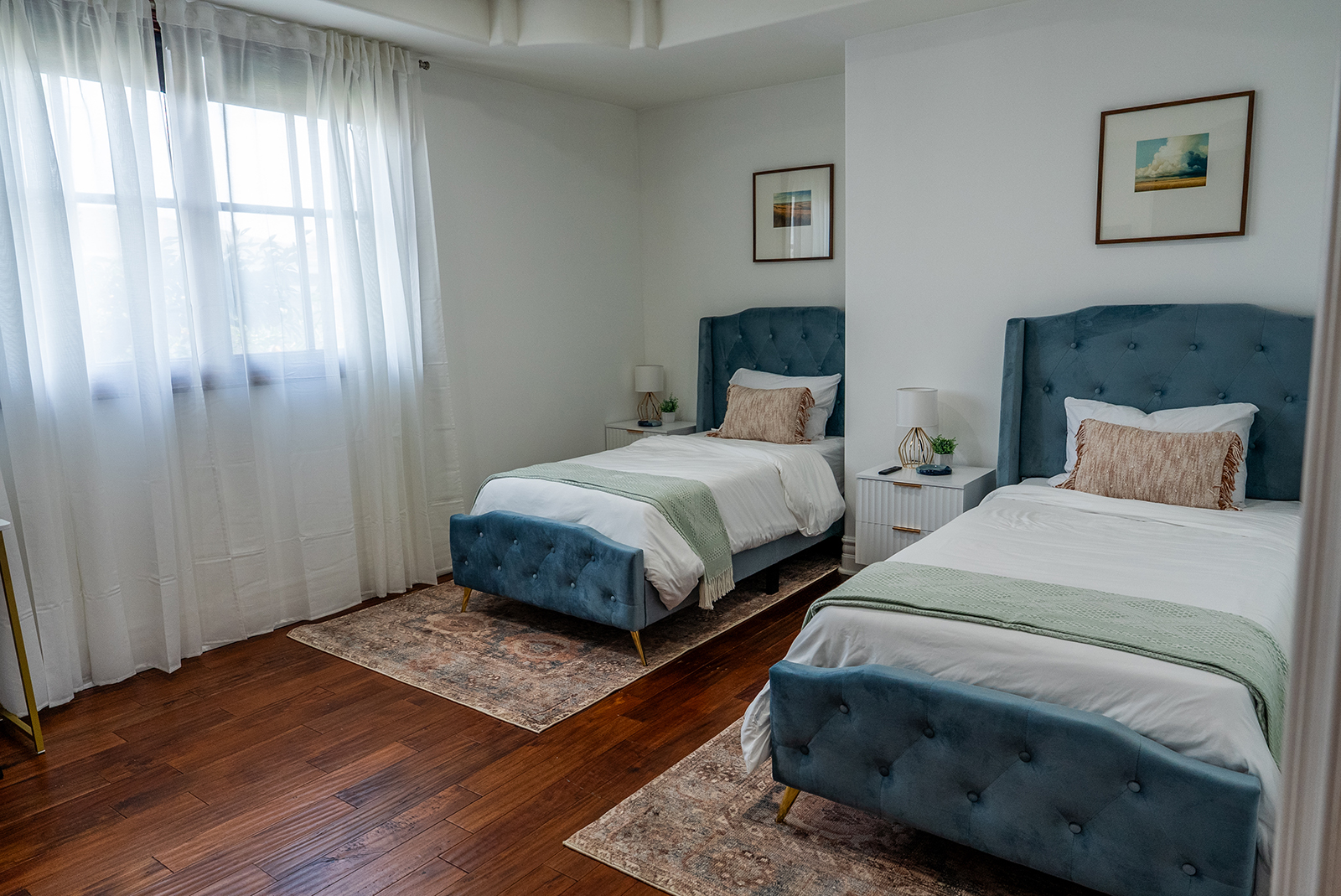
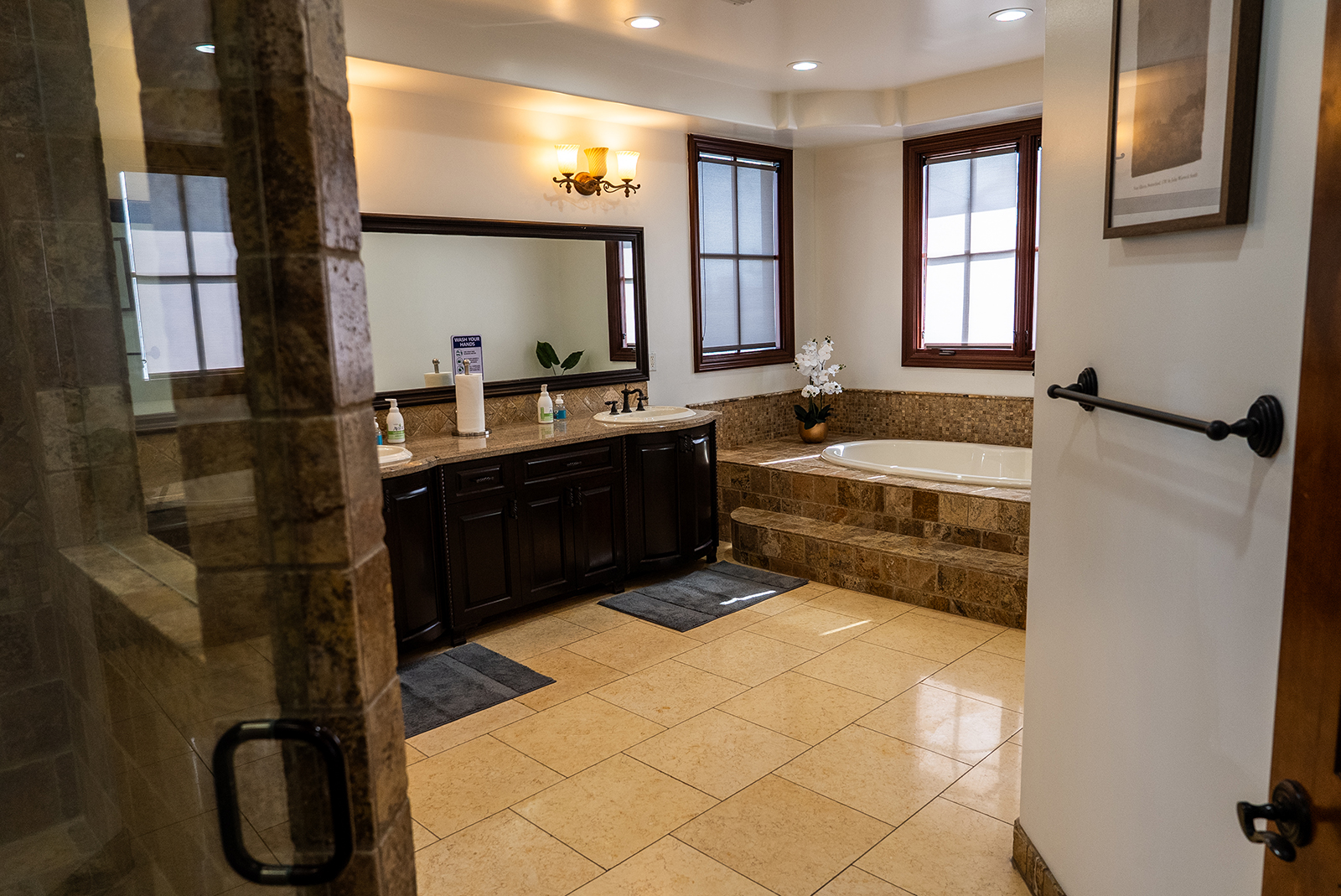
The Recovery.com listing reports a mixture of private and shared bedrooms with ensuite bathrooms, meals prepared by a chef, outdoor space, and a pool. These are secondary descriptions that require current confirmation. Ask which room is actually included in the proposed stay, how the bathroom is shared, and whether a room change is possible. If mobility, dietary requirements, or sleep needs are important, explain them before committing to the admission so that the response can be specific.
Clarify the current policy for phones, computers, visitors, and personal belongings. Someone may need to arrange temporary help with childcare, household administration, or essential work communication. Discuss what contact is realistic during detox and later residential treatment rather than assuming that normal availability can continue throughout. Ask which activities are included in the current schedule and whether participation is optional. A property amenity or an outing described in a directory should not be treated as a clinical treatment or a guaranteed part of the package.
Duration and treatment planning
Public directories describe length of stay differently. Recovery.com reports a thirty-day minimum and a commonly recommended forty-five- to sixty-day stay, while the provider’s Psychology Today profile also lists short-term residential care. Those descriptions should not be turned into a fixed admission rule without confirmation. Ask the clinical team what duration is proposed, why it is appropriate, and when it will be reviewed. Distinguish the recommended clinical course from an insurance authorization period or the duration used in a cash-pay estimate.
The plan should also explain what happens if treatment needs change. Ask how the resident participates in reviews, whether a different care level requires a move, and how records are transferred with consent. For someone coming from another facility, confirm acceptance and the handover before arranging departure. The same care is useful when leaving Cope: a planned end date should connect with actual next appointments and living arrangements. A calendar alone does not explain whether the necessary continuing support is in place.
Price evidence and payment questions
At the October 20, 2026 review, Recovery.com displayed an estimated cash-pay price of US$50,000 for 30 days. This is a secondary estimate rather than a provider-confirmed current tariff. It does not establish the price for forty-five or sixty days, and it should not be converted into a calendar-month charge. Request a written quote identifying the treatment level, exact duration, room type, and included professional services. Ask whether detox and later residential stages have separate rates or billing arrangements.
If insurance is being considered, ask for a benefits review for the precise provider and program. Clarify authorization, deductible, coinsurance, and services billed separately. A statement that insurance is accepted does not establish how much a particular plan will pay or whether the preferred room is covered. The written financial explanation should identify what has been verified and what remains conditional. Where another person is helping with costs, agree financial responsibility and permission for relevant communication without assuming consent to share unrelated clinical information.
Discuss deposit requirements, cancellation, extensions, early departure, and the process if the person needs a different setting. Ask how any unused package amount is handled under the actual agreement. A transparent comparison with another provider uses the same period and care level and makes accommodation differences visible. Keep a copy of the quote and the agreed terms. That helps the resident and supporters understand the financial commitment without relying on a directory estimate as though it were a binding offer.
Continuing care and the first conversation
Before admission, ask what discharge planning and continuing support Cope currently provides. Identify who helps arrange the next therapist or prescriber, whether any outpatient service is delivered by the same organization, and which parts depend on outside referrals. A person returning to another city needs a plan that works where they will live, including appointment availability and consent for sharing records. Peer or alumni contact should be distinguished from ongoing clinical treatment so that expectations are clear after the residential stay ends.
The most useful first conversation can start with the exact Addison Street program, the person’s current needs, and the proposed level of care. Follow that with questions about staffing, room allocation, duration, and the written price. The official records provide a stronger basis for identifying Cope than an isolated directory label, while current arrangements still belong in a direct discussion with the provider. A clear response should leave the prospective resident understanding what is offered, what remains to be assessed, and who is responsible for the next step.
Destinations
Conditions
Levels of care
Settings
Amenities
Program approach
Provider-described adult addiction and co-occurring care, CBT/DBT and individual/group therapy; confirm current schedule
Fees & admissions
Estimated USD 50,000 / program
Recovery.com estimate checked 2026-10-20: USD 50,000 for 30 days. Not a provider-confirmed tariff, calendar-month fee, or price for 45–60 days. Obtain exact quote.
Confirm the current program, duration, accommodation and included services directly with the center.
Confirm current Addison Street admission, clinical scope, staffing, room allocation and written terms directly