About Cypress Lake Recovery — Woodville
Cypress Lake Recovery in Woodville
Cypress Lake Recovery provides residential addiction treatment in rural East Texas at 1129 Highway 287 North, Woodville. The current provider site describes a live-in program combining individual and group therapy, support for co-occurring mental health concerns, outdoor activities and continuing-care planning. Its published admissions number is 866-338-4939. This profile concerns that Woodville campus; people comparing other programs in the United States should match their clinical needs and practical requirements to the actual services available there, rather than choosing solely from photographs of the lake.
The official overview presents medically supervised detoxification as a service used when clinically appropriate. It is not described as a necessary stage for every applicant. The admissions assessment therefore matters before making travel arrangements: it should establish whether someone can enter the residential schedule directly, needs initial withdrawal management, or requires resources beyond those offered at this location. A preliminary telephone conversation and a confirmed clinical acceptance are separate steps, even where the website advertises quick admissions.
Understanding the residential setting
The residential program page emphasizes a predictable schedule, counseling, peer interaction, experiential activities and medical oversight when needed. Participants live at the facility while taking part in treatment. The provider sometimes uses inpatient terminology for this service, but the reviewed material does not independently establish hospital admission. When comparing residential care with other options, ask what medical resources are physically present, which professionals are available by telephone, and how staff respond when a resident needs an outside assessment.
An initial discussion should cover the applicant’s current substance use, prescribed medicines, previous treatment, physical health and mental health symptoms. Give the team accurate information about mobility, sleep, dietary requirements and any help needed with ordinary daily activities. Ask who makes the placement decision and whether that person has reviewed relevant records. This makes it easier to distinguish a program that sounds appealing from one that can support the person’s actual circumstances throughout the day and overnight.
Detoxification and medication questions
The current detoxification description says a clinical assessment determines need and that licensed medical professionals oversee care. It describes around-the-clock support and a team that may include physicians, registered nurses, counselors and other clinical staff. Those broad descriptions do not specify an individual staffing roster or guarantee that every professional remains onsite continuously. Ask for the specific arrangements applicable to the planned admission, including nursing coverage, prescriber access, monitoring, medication administration and escalation to another service.
Bring a complete medication list to the assessment, including prescribed treatment, nonprescription products and supplements. The admissions conversation should explain which items to bring, how existing prescriptions will be reviewed, who can change a treatment plan and how refills are handled. Request clarity about laboratory work, outside consultations and medications charged separately. No online directory description can establish an individual withdrawal plan, and a quoted residential package should not be assumed to include every detoxification service or an unlimited medical stay.
Therapy and co-occurring conditions
Cypress Lake’s overview names cognitive behavioral therapy, dialectical behavior therapy, EMDR, individual counseling and family therapy among its approaches. It also describes integrated care for substance use alongside mental health concerns. For someone seeking help with co-occurring conditions, the practical question is which clinicians will address both parts of the presentation and how they will coordinate. Ask whether a named method is part of the regular schedule, available only after assessment, or offered through a separately arranged practitioner.
The provider lists several mental health concerns in its broader material, including anxiety, depression and trauma-related difficulties. A list of conditions does not establish unrestricted admission for every degree of severity, nor does it show that the campus is a specialist service for every listed diagnosis. Describe the current difficulties honestly and ask about acceptance criteria, psychiatric consultation and any limits of the setting. If another program is recommended, request an explanation of the resources that person needs and how a referral will be coordinated.
A useful treatment discussion should translate broad goals into a workable weekly plan. Ask how often individual appointments normally occur, how group size varies, whether different clinical needs receive different groups, and how progress is reviewed with the resident. Establish how someone can raise a concern about the schedule or therapeutic relationship. The aim is to understand the process and responsibilities, not to secure a promise that a specific number of sessions will produce a particular outcome.
Bedrooms, shared space and the lake
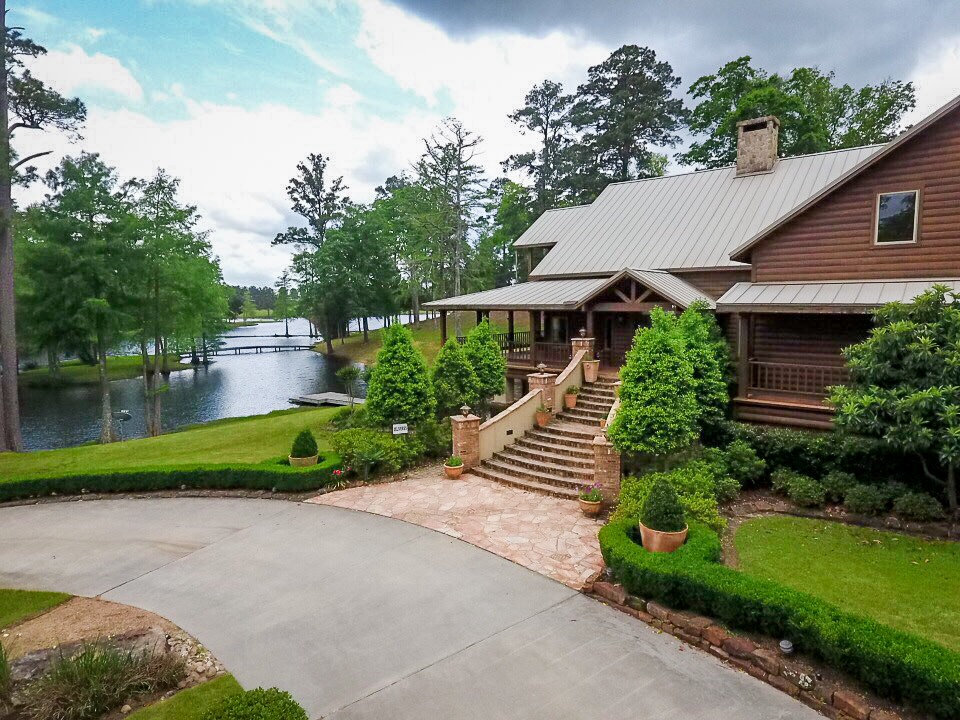
The provider’s FAQ describes furnished semi-private rooms and an eighteen-acre lake. Its tour page includes separate men’s and women’s room sections. This is the most direct current accommodation description reviewed. Although a third-party listing includes a private-or-shared room label, a private bedroom is not confirmed by that primary information. Ask admissions for the actual occupancy of the offered room, the bathroom arrangement and whether any alternative is available at a different price.
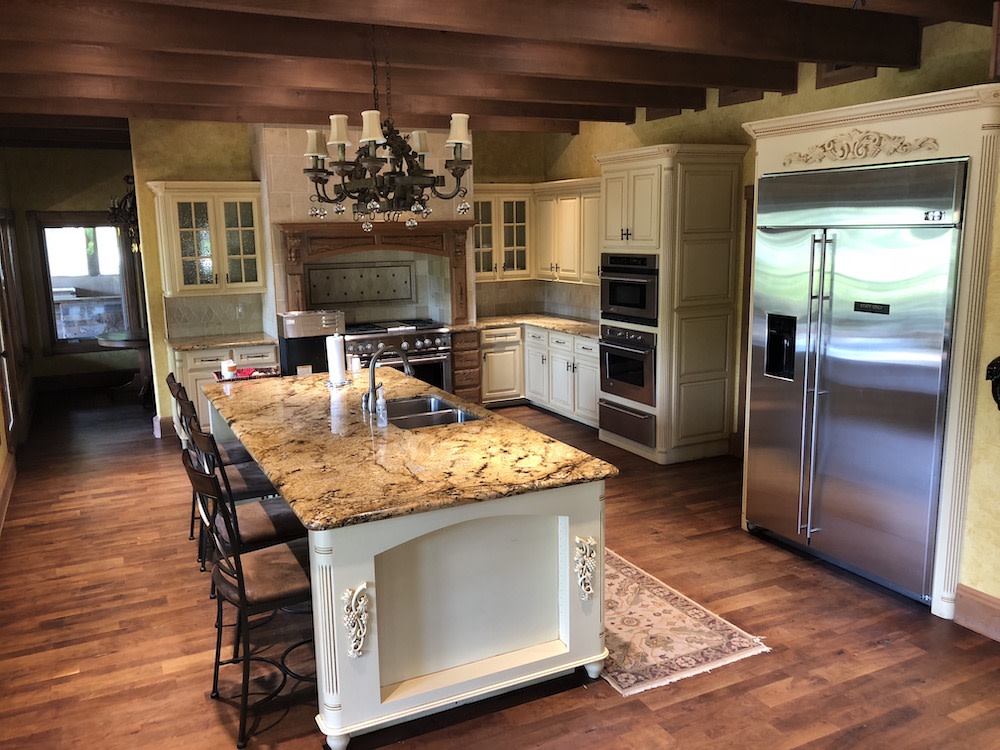
The wooded setting may be an important preference, but daily comfort also depends on details that broad campus descriptions omit. Ask about stairs, distances between bedrooms and therapy spaces, lighting, temperature control, laundry and secure storage. Request a current tour or room photographs when accessibility or sharing is a deciding factor. Confirm how rooms are allocated and what happens if a roommate arrangement becomes difficult. A secluded property still involves living alongside other residents, following schedules and sharing parts of the environment.
The residential page describes fishing, kayaking, swimming, creative activities and nutritional support among possible experiences. Recovery.com describes a larger property of more than two hundred acres; that acreage is a third-party description, while the lake itself is identified by the provider. Ask which outdoor activities are currently scheduled, what supervision and equipment they involve, and whether weather or clinical assessment can change participation. Someone who prefers quieter activities should discuss alternatives rather than assuming water sports are either compulsory or freely available at all times.
Food, daily routines and family contact
The program description includes nutritional support and a nutritionist, as well as opportunities for writing, art, music, spiritual reflection and introduction to twelve-step principles. Ask how these activities fit around clinical appointments and how individual beliefs or preferences are accommodated. Explain allergies, dietary restrictions and any eating-related support needs before arrival. A general wellness or nutrition service should not be assumed to provide every specialist intervention. Request the actual meal arrangements, clinical responsibilities and options if a particular activity or menu is unsuitable.
The same primary program page describes family therapy and education for loved ones. Clarify whether family work happens remotely, onsite or both, how sessions are arranged, and whether they are included in the quoted fee. The resident’s consent and preferences should guide who participates and what information is shared. Also ask about ordinary telephone contact, devices, visitors and work-related communication. A broad statement about family support does not answer these everyday questions or guarantee unrestricted access during treatment.
Duration and the financial offer
The current FAQ says treatment can range from one to three months depending on initial intake and subsequent therapy. It also describes extensions of care after the initial live-in stage. Those statements are general program guidance, not a fixed commitment for every resident or proof that an insurer will authorize the full proposed period. Ask for the initial recommendation, when it will be reviewed, the expected living arrangement at each stage and how the plan changes if more or less support is needed.
The Recovery.com listing checked October 20, 2026 displays an estimated USD 35,000 amount without a defined billing period. A separate thirty-day-plus program reference does not establish the number of nights or services that amount buys. It is therefore unsuitable as a confirmed thirty-day tariff. Treat it as context for a direct financial enquiry and request a current, individualized written offer from Cypress Lake before relying on it to compare total treatment costs.
The written offer should identify the exact starting service and distinguish detoxification, residential care and any later accommodation. Ask about the room, professional appointments, medication, tests, outside consultations, transport, activities and family sessions. Establish what happens financially if the clinical team recommends transfer, a longer stay or an earlier departure. If a deposit is requested, obtain its purpose, applicable cancellation terms and the party receiving payment. These details are more useful than a single headline figure when building a realistic budget.
Cypress Lake describes insurance verification and financial discussions through admissions, but acceptance of an insurer does not determine the benefits of a particular policy. Ask about network status for the exact facility and services, authorization requirements, deductible and other personal costs. Request confirmation of who will explain any gap between the clinical recommendation and coverage. Financial assistance, payment arrangements and coverage should each be discussed as separate possibilities; a website statement about helping with finances is not a guarantee of funding or admission.
Preparing for the next stage
The FAQ and residential material describe aftercare planning, counseling, family support, relapse-prevention work and life-skills development. Ask what the resident will actually leave with: named appointments, an agreed medication plan, practical support contacts and a clear living arrangement. If transitional living or another treatment phase is proposed, confirm the address, operator, costs and clinical schedule. An aftercare recommendation does not automatically reserve accommodation or make an outside clinician available on the desired date.
Before confirming admission, bring the clinical and practical answers together. Cypress Lake may suit someone seeking a structured residential addiction program in a rural lakeside setting, subject to individual assessment. The deciding points are the actual medical resources, appropriate therapy, semi-private accommodation, daily rules, total financial responsibility and a credible plan beyond the campus. Ask for unresolved details in writing so the person entering treatment and anyone helping with arrangements understand the same plan.
Sources checked October 20, 2026: Cypress Lake Recovery’s official overview, residential and detoxification pages, FAQ and facility tour; Recovery.com for clearly attributed third-party descriptions and the undated-period price estimate.
Destinations
Conditions
Levels of care
Settings
Program approach
Individual/group counseling, cognitive and behavioral approaches, assessed trauma-related work, family support, nutrition, creative and outdoor activities, practical recovery planning and aftercare
Fees & admissions
Confirm current pricing
Recovery.com checked October 20, 2026 displays an estimated USD 35,000 amount without a defined billing period. Its separate thirty-day-plus program reference does not establish the covered nights or services. Request current written prices for detoxification, residential care, room, medication, tests, outside consultations, transport, activities and later care.
Confirm the current program, duration, accommodation and included services directly with the center.
Confirm clinical suitability, detoxification need, actual nursing/prescriber resources, existing medication, semi-private room and bathroom, accessibility, activity options, family/device rules, treatment stages, insurance authorization, itemized costs and the next care provider.