
About Desert Recovery Centers — Glendale
Desert Recovery Centers in Glendale
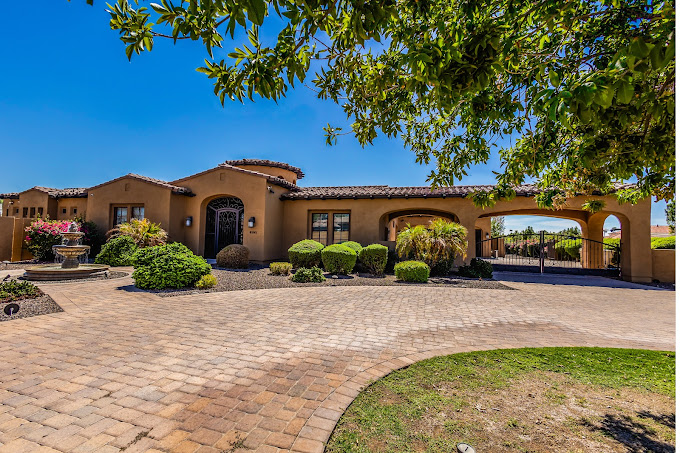
Desert Recovery Centers operates an adult men’s residential program at 8105 West Frier Drive, Glendale, AZ 85303. The official Glendale page describes a 7,500-square-foot home offering addiction and mental health treatment. Two location distinctions are essential: medical detox is coordinated through outside partners, and outpatient programs take place at the organization’s Phoenix center. This listing concerns the Glendale residence in the United States treatment directory. Confirm that the proposed admission and accommodation refer to this exact property.
The provider explicitly identifies Glendale as an adult-men-only setting. A prospective resident should discuss eligibility and clinical suitability before arranging travel. The residential program may be considered for substance use, primary mental health concerns, or both, but a broad list of conditions does not establish that every individual need can be managed in the home. Explain the main reasons for seeking care, recent treatment, prescribed medicines, and any relevant physical health concerns. The team should be able to explain the recommended starting point and the limits of the setting.
Detox happens at a partner facility
The provider’s detox page states that Desert Recovery Centers does not perform medical detox onsite. Its admissions team helps arrange care with a partner before a possible transition into residential treatment. This is a meaningful difference from a home that delivers its own detox service. Ask for the partner’s name, address, clinical team, and admission criteria. Confirm who conducts the medical assessment and whether the person has been accepted by both services before making a travel plan.
Discuss how the handover works in practice. Ask which team shares records with consent, who arranges transport, how medication information is transferred, and what happens if the anticipated residential admission date changes. A coordinated pathway can still involve separate agreements, insurers, and professional responsibilities. Request the financial terms for each stage rather than assuming the Glendale price includes partner detox. The person and supporters should know whom to contact while at the detox facility and when the residential team becomes responsible for care.
Provide the assessing clinician with accurate information about current substances, medicines, prior withdrawal experiences, and health conditions. Do not try to fit withdrawal into a general example of program duration or change prescribed treatment to match a booking. The partner responsible for detox should explain preparation and clinical monitoring for the individual. If the person’s needs change before the transfer, the plan should be reviewed. A promise of a smooth transition is useful only when the actual acceptance, transport, and clinical handover are confirmed.
Residential addiction and mental health care
The Glendale program advertises psychological treatment, psychiatric input, and approaches including CBT, DBT, EMDR, and motivational interviewing. Ask which elements are proposed for the resident and who will deliver them. The treatment plan should connect the selected approach with specific goals rather than relying on the length of a therapy list. Clarify the frequency of individual sessions, how groups are organized, and how progress is reviewed. The resident should also know how to request a discussion if an approach or schedule is not useful.
For someone seeking primary mental health care, ask how the residential plan differs from an addiction-focused admission. Describe the current difficulties and the support already in place, including any existing therapist or prescriber. A person with co-occurring concerns needs to understand how the team coordinates those parts of care and what falls outside the program’s scope. The presence of several diagnosis-specific pages should not be interpreted as a guarantee of suitability for every level of acuity. Clinical acceptance should address the individual situation.
The website describes nursing and psychiatric involvement, but the practical staffing arrangement should be explained for the actual stay. Ask which professionals are physically present, how overnight concerns are handled, and what requires an external medical appointment. The residence is not presented here as an emergency department. If a person has recently needed hospital care or has complex physical health needs, discuss whether the home can provide the necessary support before arranging a transfer. The response should identify responsibilities clearly across all services involved.
The Glendale home and room arrangements
The provider describes private and semi-private rooms, meals, outdoor areas, a pool, and sports facilities at Glendale. These introduce the environment but do not establish the room assigned to a particular admission. Confirm bedroom occupancy, bathroom sharing, accessibility, and any price difference for a room preference. Ask whether the allocation can change during the stay. A private-room option should be tied to the written offer rather than assumed from a general description of a luxury home.
Think about ordinary routines as well as amenities. Ask about quiet hours, laundry, dietary requirements, belongings, visitors, and access to phones or computers. A resident may need to arrange temporary help with work administration, childcare, or household responsibilities. Discuss what communication is realistic while participating in the residential schedule. Outdoor and fitness activities should be considered in relation to the person’s health and preferences, rather than assumed to be appropriate simply because the property has equipment or a pool available.
Family involvement and consent
Desert Recovery Centers describes family education, communication work, joint therapy, and support groups. Ask which of those services are available for the proposed Glendale admission and how they are scheduled. A family member’s role should be agreed with the resident. Education for a supporter, a joint clinical session, and an update about practical arrangements are different services, with different purposes. Clarify who delivers them, whether they are included in the fee, and how distance or work schedules affect participation.
Ask the team to explain consent and privacy arrangements in plain language. A relative, employer, existing clinician, or referral professional may be involved for different reasons, but that does not automatically permit unrestricted sharing of information. Decide what communication is needed and who can receive it. If the resident wants to change an authorization where permitted, they should know how to do so. Practical planning can happen alongside treatment without assuming that every person helping with admission becomes part of the clinical discussion.
Insurance and the exact care level
The official insurance page describes commercial coverage on an out-of-network basis and TRICARE in-network residential arrangements through TriWest. It states that Medicare, Medicaid, and other state-funded insurance are not accepted. Confirm the position for the individual’s policy and proposed service. In particular, a residential TRICARE arrangement should not be extended automatically to outpatient care or an external detox partner. Each provider, care level, and authorization needs to be checked on its own terms.
A benefits review should identify the deductible, coinsurance, authorization requirements, and services billed separately. Ask which amounts have been verified and which remain conditional. The presence of an insurer’s logo is not proof of coverage for the admission. If a family member or another party is paying, agree financial responsibility and the information needed for that arrangement. Keep the financial discussion separate from the clinical decision about the appropriate care level, while ensuring that the final plan is practical for the resident.
Secondary price evidence and duration
At the October 20, 2026 review, Recovery.com displayed an estimated US$40,000 price with a duration label of thirty-plus days. That is a secondary estimate, not a provider-confirmed tariff or a promise that one payment covers an unlimited stay beyond thirty days. Ask for a written quote stating the exact proposed duration, room type, clinical services, and payment basis. Confirm how an extension is authorized and billed and whether any partner services require separate payment.
Discuss deposits, cancellation, early departure, and changes if the clinical recommendation evolves. A person should understand the financial effect of remaining in residential care longer or moving to another service. Compare providers using the same care level and duration rather than a headline amount alone. A quoted package is easier to evaluate when it identifies accommodation, professional appointments, medication, transport, and continuing-care services separately. Keep the written terms available for the resident and any person responsible for payment.
Outpatient treatment is at Phoenix
The organization’s Phoenix outpatient center is at 4160 North 108th Avenue, Phoenix, AZ 85037. It advertises PHP, IOP, and standard outpatient appointments. Those services should not be listed as delivered inside the Glendale residence. Ask which program is recommended after residential care, whether accommodation is needed elsewhere, and how transport will work. The outpatient care guide can help frame questions about appointment commitments and daily living between sessions.
The Phoenix page also identifies TMS services delivered by an affiliated provider, Desert TMS LLC. That is another reason to keep location and clinical responsibility clear. A service elsewhere in the network should not be assumed to be included in a Glendale stay or appropriate for every resident. If it forms part of a proposal, request a separate explanation of the clinical assessment, professional responsible, appointment location, and cost. Network connections can support coordination while still involving distinct providers and arrangements.
Planning a realistic return home
Someone returning outside the Phoenix area may need local continuing care instead of the organization’s outpatient program. Ask who helps arrange appointments, how prescriptions are managed where relevant, and what records can be shared with consent. Identify the next clinician and a schedule that fits the person’s actual responsibilities. Alumni contact or peer support should be distinguished from ongoing treatment. The plan should make clear what remains available from Desert Recovery Centers and which needs will be handled by another service after discharge.
The official inquiry number is (623) 305-0496. Begin with the adult-men-only Glendale residence and the person’s current needs, then clarify any external detox stage and the possible move to Phoenix outpatient care. A useful admission proposal connects those locations with a clear clinical handover, accommodation plan, and written financial explanation. Those details make the provider’s continuum understandable and help the prospective resident evaluate the actual care being offered.
Destinations
Conditions
Levels of care
Settings
Amenities
Program approach
Provider-described CBT, DBT, EMDR, motivational interviewing, psychiatric input, family work and wellness activities
Fees & admissions
Estimated USD 40,000 / program
Recovery.com estimate checked 2026-10-20: USD 40,000 with 30+ day duration label. Not a provider-confirmed tariff or unlimited stay. External partner detox and Phoenix outpatient services require separate fee/coverage confirmation.
Confirm the current program, duration, accommodation and included services directly with the center.
Confirm adult male eligibility, clinical fit, any separately delivered detox, room allocation, insurance/private-pay terms and transfers