About Discover Recovery — Camas
Discover Recovery Camas: detox followed by residential care
Discover Recovery’s Camas center is at 2213 NW 23rd Avenue, Camas, Washington 98607. Its official campus page describes medical detox and residential addiction treatment, with assessment of co-occurring mental health needs. Camas is the live-in location covered by this profile. The organization also offers other services and locations, including outpatient care in Portland, so a referral to Discover Recovery should identify the actual campus and program. Before deciding on an admission, establish whether you need withdrawal management, ongoing residential treatment, or a different level of support, and ask how that recommendation was reached.
A significant admission condition: no detox-only program
The provider’s medical detox information says it does not offer detox-only programs: detox is the first phase of a residential admission, and residential care is required. This is an important distinction for someone seeking only a brief withdrawal-management stay. Ask the team to explain the expected next stage, the clinical and financial commitments, and what happens if your needs change after assessment. A person arranging leave from work or responsibilities at home should understand the proposed overall course before treating the detox phase as the complete treatment plan.
The detox page describes continuous clinical oversight, medication support when appropriate, and a team that may include addiction physicians, nurses, and other practitioners. Ask who will actually be involved in your Camas admission, including overnight nursing arrangements and access to a prescriber. Bring a complete account of substances used, existing prescriptions, previous withdrawal problems, and relevant medical history to the assessment. Those details help the receiving team determine suitability. They are also the basis for asking whether any hospital evaluation or stabilization is needed before arrival, rather than assuming every withdrawal situation can be managed in a residential environment.
Residential treatment and the meaning of inpatient
Discover Recovery’s residential program page describes a home-like, non-hospital environment and says it uses residential and inpatient terminology interchangeably. Its published usual duration is 30 to 90 days, with the individual plan shaped by clinical needs and other circumstances. A live-in setting can provide structure without having the resources of an acute hospital. Ask which services are continuously available, what conditions are outside the program’s scope, and how a higher level of care would be arranged if required. Use the actual medical arrangements, not the label alone, to compare options.
A proposed stay should have a purpose beyond reaching a particular number of days. Ask the treatment team to describe the initial priorities, the points at which your plan will be reviewed, and the signs that would support a move to less intensive care. It is also reasonable to ask how the plan changes if progress is slower than expected or a previously unidentified need emerges. Clinical Recovery’s residential care guide can help structure that conversation. The question is whether the offered program can meet your current needs and support a workable transition, not whether its usual length sounds impressive.
Individual therapy and psychiatric assessment
The Camas page advertises four individual therapy sessions per week and a psychiatric assessment used to shape the care plan. Confirm the session length, who provides those appointments, and whether the frequency applies throughout detox and residential care or only after a particular stage. For someone who has previously struggled in a large group program, the amount of individual contact may be a meaningful comparison point. Ask how those sessions connect with group work, how the team reviews your goals, and what happens when your assigned clinician is away or an appointment needs to be rescheduled.
The provider describes cognitive behavioral therapy, dialectical behavior therapy, motivational interviewing, and EMDR among its approaches to substance use and co-occurring needs. This does not mean every person receives every therapy. Ask which approach the team recommends for your situation, who is trained to provide it, and how readiness is assessed before difficult trauma work begins. If depression, anxiety, or another mental health concern is the main reason you are seeking care, clarify the admission criteria and psychiatric resources. A program offering co-occurring support still needs to assess the intensity and type of support required.
How the days are organized
The organization publishes a sample residential schedule with meals, several groups, individual or specialist appointments, recovery meetings, phone time, and an evening routine. It expressly says schedules differ by location and client needs. Request a current Camas example rather than assuming the sample is a fixed timetable. Useful questions include how much time is spent in clinical sessions, what happens at weekends, how rest is protected during early recovery, and whether physical or emotional limitations can be accommodated. A schedule is particularly helpful when deciding whether a program’s intensity is suitable for you.
Discover Recovery also describes activities such as yoga, creative work, equine experiences, and sound baths. Treat these as optional or scheduled program features to verify, not as evidence that an activity can replace appropriate clinical treatment or produce a promised outcome. Ask which activities currently run at Camas, whether they involve leaving the property, and what alternatives are available if you cannot or do not want to participate. Someone with mobility limitations, sensory sensitivities, religious preferences, or a strong discomfort around animals can raise those considerations without needing to explain them only after arrival.
Accommodation and the setting
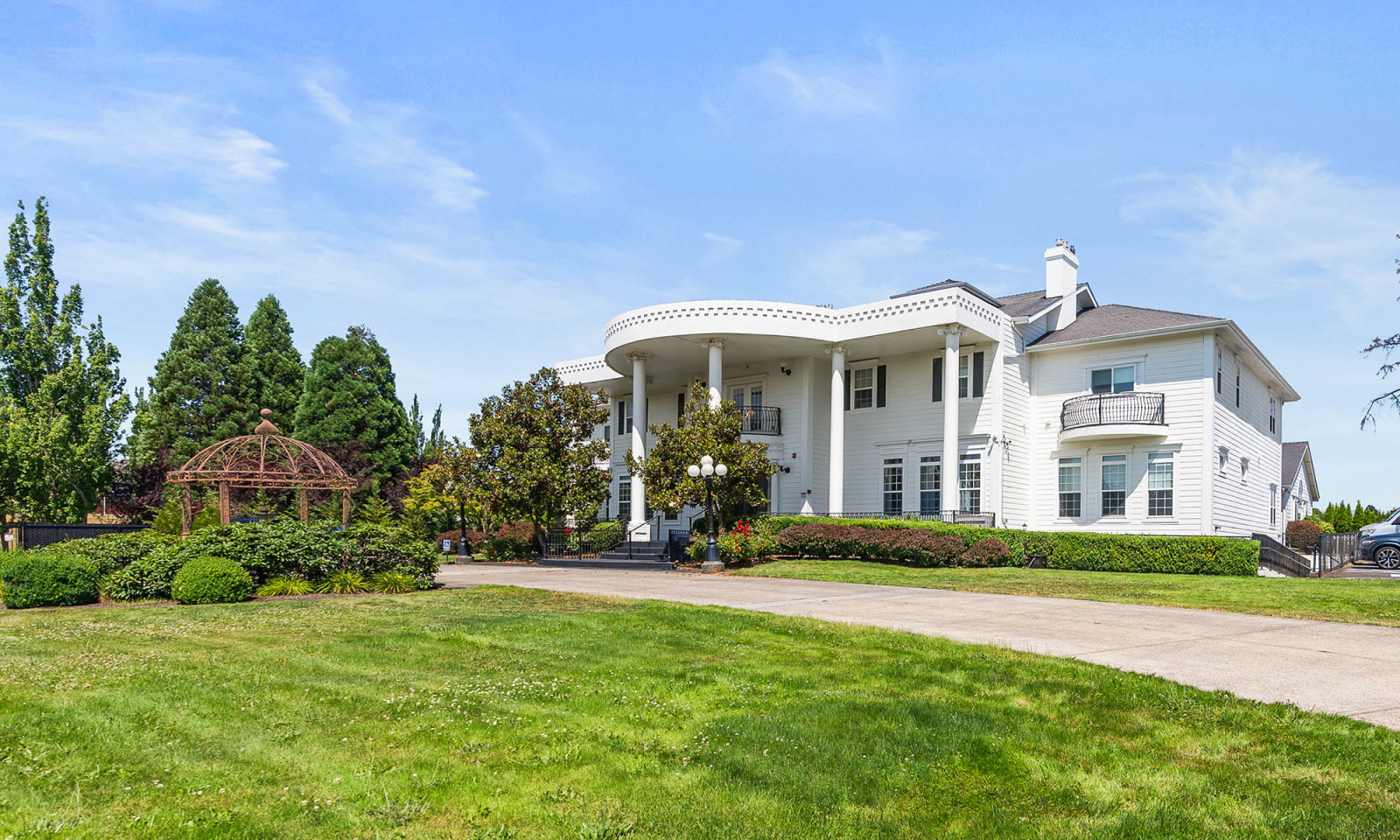
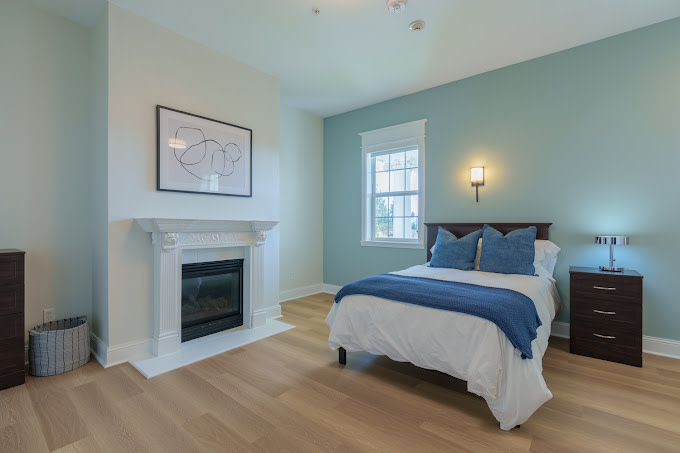
The campus page describes private and semi-private rooms, chef-prepared meals, a gym, and shared spaces. Room availability and the proposed assignment should be confirmed directly. Ask whether “private” refers to the bedroom, bathroom, or both, and whether a different room is used during detox. A tour or current description of the offered room can resolve practical concerns that general photographs cannot. Also discuss stairs, bathroom access, dietary requirements, allergies, laundry, and any equipment you use. The relevant question is whether the actual accommodation supports your needs throughout the expected stay.
Camas may be convenient for someone whose support network is in southwestern Washington or the Portland area. Nevertheless, travel times depend on the starting point and conditions, so confirm arrival arrangements rather than relying on a promotional journey estimate. If a supporter will drive you, establish when check-in is expected and whether they should remain for part of the intake. If transport assistance is offered, ask who arranges it and whether a charge applies. Keep travel plans flexible until clinical acceptance, the receiving location, the room, and the expected arrival time are confirmed.
Family participation and communication
The provider’s family therapy page describes guided discussions about communication, boundaries, and support. Ask how that service operates during a Camas stay, including whether participants can join remotely, how sessions are scheduled, and whether the person you want involved fits the program’s definition of family or a supporter. Participation should be discussed alongside your preferences and consent. A relative who is paying for treatment may need billing information, but that practical role is a separate question from access to clinical discussions or private details shared in therapy.
Before admission, agree on a practical contact plan with the people who matter to you. Ask when personal calls are possible, what device rules apply, and whom a supporter can contact about a logistical issue. If family relationships are difficult or unsafe, tell the assessing team privately and ask how that affects the plan. Family work should have an understandable purpose for the individual situation. It is helpful to define what you hope to address, such as a living arrangement or communication boundary, rather than expecting a single meeting to resolve every longstanding disagreement.
Cost and insurance: obtain a program-specific estimate
Recovery.com’s Camas profile displays an estimated USD 27,000 figure, but the fee is not accompanied by a clear pricing duration. It cannot therefore establish a daily, monthly, or 30-day tariff. The directory’s separate program-length information should not be joined to the price to create a rate the source does not state. As checked on October 20, 2026, a current provider quotation is needed. Ask for the total anticipated cost of the proposed detox and residential course, together with the assumptions about duration, accommodation, medications, and any additional services.
The official residential page says the organization works with major insurance plans and offers private-pay arrangements. Verify the particular Camas provider, your plan’s network status, any authorization requirements, and your expected responsibility for each stage. Benefits verification is not a guarantee that every day or service will be paid. Ask how the financial team communicates changes in authorization and what choices are available if coverage ends while further treatment is recommended. The main campus contact is 866-719-2173. Keep the benefits explanation, payment terms, and clinical plan together so that the proposed admission is understandable before you commit.
After Camas: a separate Portland outpatient setting
A cross-river transition also needs a practical budget. Ask whether transport between housing and the Portland program is provided, whether meals are included in any housing arrangement, and how prescriptions and routine medical appointments will be handled. If you intend to return to work, compare the actual treatment hours with your commute and employer’s expectations. A person who cannot relocate should say so during the Camas assessment, allowing the team to explore a different continuing-care route while there is time to make the necessary arrangements.
The campus FAQ says clients needing PHP or IOP may transition to the organization’s Portland center, with sober living potentially available for eligible participants. Those services should not be treated as on-site Camas outpatient care or automatic housing. Ask for the precise Portland address, schedule, eligibility, costs, and confirmed availability, and decide whether that move fits your responsibilities. Someone returning elsewhere may need a different local plan. Compare this pathway with other United States treatment options, and request actual appointments and named handoff contacts rather than a general recommendation to arrange continuing care after departure.
Destinations
Conditions
Levels of care
Settings
Amenities
Program approach
Provider-advertised four individual therapy sessions weekly, psychiatric assessment, CBT/DBT, motivational interviewing, appropriate EMDR, groups and family work
Fees & admissions
Confirm current pricing
Recovery.com checked 2026-10-20 lists USD 27,000 without an explicit fee period. Separate program duration is not a verified price duration. Numeric rate/currency cleared; obtain current provider estimate for detox plus required residential course, room and inclusions.
Confirm the current program, duration, accommodation and included services directly with the center.
Clinical/psychiatric and withdrawal assessment, required residential plan, exact room/medical resources, benefits and written quote; Portland step-down confirmed separately