Care at First Steps Recovery — Clovis
First Steps Recovery’s Clovis programs
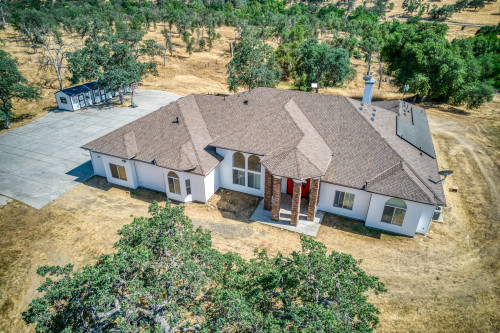
First Steps Recovery provides addiction treatment across several locations in Clovis, in California’s Fresno County. Its current official facility information identifies five Clovis sites: Sequoia Women’s Detox and Residential, Oak Men’s Detox and Residential, Manzanita Men’s Detox and Residential, Juniper Men’s Detox and Residential, and an outpatient facility. This is a group of local programs rather than one building delivering every service. The distinction matters when arranging admission, confirming the treatment address, or deciding whether a person needs overnight care or a daytime program.
The provider also operates in the Sacramento area, including the separately named Cypress men’s program and an outpatient service. Those locations should not be confused with Clovis when booking travel or checking insurance authorization. First Steps publishes 2121 Herndon Avenue, Clovis, California 93611, as a contact address, but that does not establish that every residential house is at that address. An admission offer should identify the exact house, level of care, and arrival arrangements. This directory profile focuses on the Clovis programs and explains the wider network only where it affects treatment planning.
Who the programs are designed to support
The current provider information describes treatment for adult men and women with substance use disorders and co-occurring mental health concerns. Its residential material names depression, anxiety, and post-traumatic stress among the issues that may be addressed alongside addiction. Detoxification and residential housing are organized into separate men’s and women’s programs, while Clovis outpatient care is described as mixed gender. A person’s preferred house still needs to be matched with clinical needs, available space, and the program’s admission criteria rather than selected from photographs or a directory category alone.
First Steps also states that it welcomes the LGBTQIA+ community and provides assistance for veterans. These are useful indications of the provider’s intended population, but they do not establish a dedicated specialty unit or automatic eligibility for a particular funding route. Prospective residents can discuss room placement, privacy, relevant clinical experience, and any accommodations they need. Veterans should clarify the referral and authorization process for their own coverage, along with how existing medical or mental health care will be coordinated during the stay.
Detoxification and residential admission
The four named Clovis residential programs advertise medically supervised detoxification as well as residential treatment. The provider describes individual evaluation and ongoing monitoring during the withdrawal phase. The initial assessment determines whether this setting is appropriate and what support the person needs before beginning the fuller therapy schedule. A person who has recently been hospitalized, has significant medical concerns, or takes several prescribed medications should provide those details during intake. The existence of a detox program does not mean that every medical situation can be managed safely in a residential house.
Residential treatment provides an overnight setting with continuing support, individual counseling, and group therapy. First Steps describes the length as ranging from several weeks to several months according to the person’s needs. That range is a planning framework rather than a fixed commitment that everyone should stay for the same period. The admitting team should explain the recommended duration, the review process, and how any preliminary detox phase fits into the overall course of care. Insurance approval and the clinical recommendation may need to be reviewed separately as treatment progresses.
Psychotherapy and recovery skills
The current official program information names cognitive behavioral therapy, dialectical behavior therapy, acceptance and commitment therapy, trauma-informed work, family systems therapy, brainspotting, and experiential therapy. Individual and group sessions are central components of the residential description. This range gives the clinical team several possible approaches, but it should not be read as a guaranteed schedule containing every method for every resident. A treatment plan should identify the methods actually recommended and connect them with the person’s goals, symptoms, relationships, and experience of previous care.
Cognitive and behavioral work can be discussed in terms of the practical concerns the resident wants to address, such as patterns around substance use, difficult emotions, or responses to stressful situations. Group sessions add a setting for shared discussion and interpersonal learning, while private sessions allow more personal concerns to be addressed with a therapist. The program’s public pages do not provide a universal number of weekly private appointments. Residents can clarify the expected balance of individual therapy, group work, psychiatric support, and other activities before comparing the program with alternatives.
Trauma-related care and family involvement
First Steps lists trauma-informed therapy and brainspotting among its available approaches. The directory reports those advertised services without treating them as a guarantee that one method will resolve a particular trauma-related condition. A person with an established trauma treatment plan can ask how the residential team will approach safety, pacing, consent, and continuity with the existing clinician. The relevant issue is the suitability of the proposed care for that person, rather than the number of therapy names included on a website.
Family systems therapy is also included in the official treatment information. This can connect the resident’s clinical work with relationships and practical arrangements outside the program, subject to consent and the individual plan. Recovery.com additionally reports weekly family visits, although the current timing and eligibility should be confirmed with the assigned house. A visit and a clinical family session are different activities; neither should be assumed to include the other. Relatives who live far from Clovis can ask whether remote participation is available and what information can appropriately be shared.
Living in a gender-specific residential setting
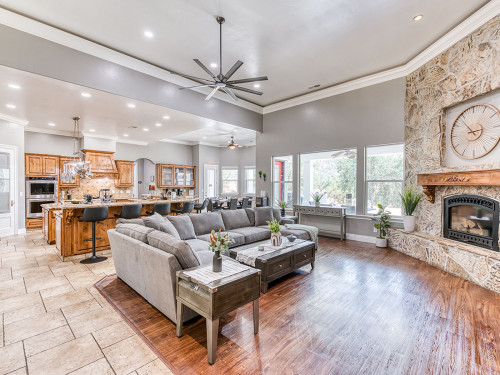
The named Clovis houses provide a clearer picture of accommodation than a single undifferentiated campus description. Sequoia serves women, while Oak, Manzanita, and Juniper serve men. The reviewed official pages do not guarantee a private bedroom or publish one uniform room arrangement across those houses. Recovery.com describes chef-prepared meals, outdoor space, and access to activities, but the exact amenities depend on the residence and current schedule. The admission team should confirm the room offered, bathroom arrangements, accessibility, and any support needed for diet, mobility, or an existing health condition.
Technology access also needs a house-specific explanation. Recovery.com reports an initial seven-day device restriction followed by earned phone privileges. That is a secondary description of the program’s policy, not a promise of unrestricted laptop access or a current rule verified for every placement. Someone who must communicate with an employer, attend to caregiving responsibilities, or use a device for accessibility should raise that need before admission. A clear written understanding helps prevent a mismatch between the treatment schedule and essential responsibilities outside the residence.
Outpatient care in the same community
First Steps advertises partial hospitalization and intensive outpatient programs as part of its continuum. The Clovis outpatient facility is intended both for people stepping down from residential care and for those whose assessment supports a less intensive setting. Outpatient participation does not itself include overnight residence. The person needs a suitable place to live and a practical way to attend the scheduled sessions, unless a separately arranged housing option is explicitly included in the admission proposal.
The provider also advertises online versions of some outpatient services, but availability should be confirmed for the person’s location and recommended treatment plan. A virtual option is not automatically equivalent to an in-person residential stay or a reason to skip a needed assessment. For someone leaving one of the Clovis houses, the transition discussion can establish whether continuing with the same organization is feasible or whether a local service closer to home is more appropriate. The receiving program, schedule, and authorization should be identified before the residential phase ends.
Aftercare and the alumni community
The official website describes an alumni program with meetings, events, resources, and an app for maintaining contact. Recovery.com adds examples such as twelve-step meetings, hybrid gatherings, and recreational events. These activities may offer a continuing connection with people familiar with the program, but current event schedules and participation arrangements can change. An alumni app should be understood as a support resource rather than a substitute for clinical follow-up, and the decision to participate should fit the person’s own recovery plan and privacy preferences.
Aftercare planning is included in the provider’s residential description. The most useful plan identifies the next clinicians or programs, medication arrangements where relevant, and the practical steps needed to resume everyday life. People returning to a different part of California or another state may need a different support network from someone remaining in Fresno County. The directory does not treat completion of residential treatment or participation in alumni activities as a guarantee of a particular outcome; ongoing care should reflect the individual’s needs and circumstances.
Published estimates and contacting admissions
Recovery.com currently lists estimated cash-pay rates of $1,200 per day for inpatient treatment, $1,000 per day for detoxification, $500 per day for partial hospitalization, and $300 per day for intensive outpatient care. These are third-party estimates for different levels of care, not one combined package. The directory uses the residential daily estimate with that qualification rather than converting it into a guaranteed monthly fee. The actual charge depends on the recommended services, duration, accommodation, insurance benefits, and any separately billed care.
The current official contact number is +1 877-379-8119. First Steps offers insurance verification, but a general network statement does not establish the benefits or authorization available under an individual policy. Request confirmation of the exact Clovis house or outpatient site, the recommended treatment sequence, and the expected financial responsibility before arranging arrival. For geographic comparisons, explore United States treatment destinations and the directory’s California treatment guide. Compare the actual clinical pathway and practical arrangements, especially when a provider operates several distinct locations.
Sources and verification
Reviewed October 20, 2026 using current indexed official pages: First Steps Recovery overview; Clovis locations; residential program; detoxification; treatment and contact information; and provider background and veteran assistance. Direct automated requests returned access restrictions. Recovery.com supplied the attributed fee estimates and additional residential and alumni details.
Conditions
Levels of care
Settings
Amenities
Treatment approach
Individual and group work, CBT, DBT, ACT, trauma-informed care, family systems therapy, brainspotting and experiential approaches, with discharge planning and alumni support
Fees & admissions
USD 1,200 / day
Recovery.com estimated USD 1,200 per residential day, checked October 20, 2026; separate estimates are USD 1,000/day detox, USD 500/day PHP and USD 300/day IOP. These are third-party rates, not a combined package or verified provider tariff. Clear an implied fixed USD 36,000 monthly package.
Confirm the current program, duration, accommodation and included services directly with the center.
Confirm whether the $1,200 daily estimate applies throughout residential treatment, the planned length, detox charges, room type, medication costs and continuing-care placement.