Care at Freedom Rehab Bali — Private Residential Program
A private residential program in Bali
Freedom Rehab Bali provides residential drug and alcohol treatment through individual programs in private villas. The central feature is one-to-one care for someone who prefers a private living arrangement to a shared residential group. This is one listing for the service, not a separate treatment center for every villa or price package. The available property, location, and clinical arrangements should be confirmed for the person’s actual admission rather than assumed from a general photograph.
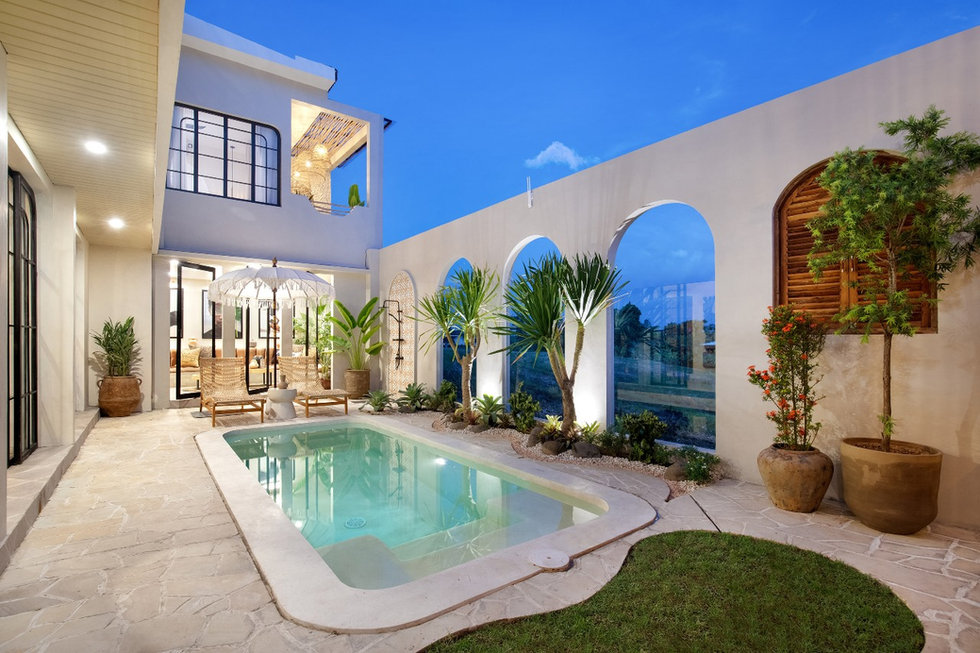
The provider’s contact page gives Jalan Pakadnelan 34, Umalas, Banjar Semer. The older directory title used Seminyak as an area reference; that should not be mistaken for a guaranteed fixed campus. Freedom says it uses centrally located villas with pools and can arrange different standards of accommodation. Its published Indonesian telephone is +62 8214 5926 803, with WhatsApp at +62 8123 7957 670. The allocated villa and arrival instructions remain separate details to obtain before traveling.
Who the service is designed around
The website focuses on people seeking help with alcohol or drug use who want a private, individualized residential setting. It emphasizes willingness to participate and the ability to work on changes beyond simply stopping substance use. The published pages do not give a comprehensive age policy, diagnostic admission criteria, or medical exclusion list. A person seeking treatment for a primary psychiatric condition, an eating disorder, or a complex physical illness should therefore establish suitability directly rather than assume the addiction program includes a specialist pathway.
A private villa changes the social experience of rehabilitation. Freedom’s core offer does not require participation in a large resident therapy group. That may appeal to someone who wants discretion or finds a shared environment difficult, but it also makes the plan for social connection important. The treatment discussion should explain how individual sessions, daily support, chosen activities, and later community recovery resources will work together, especially when the person returns to circumstances that cannot be controlled as closely as a residential stay.
Three parts of the treatment approach
The program description organizes care around therapy, wellness, and knowledge. Therapy is presented as a way to understand emotional pain, trauma, and patterns associated with substance use. The provider discusses both clearly identifiable traumatic events and more persistent experiences involving shame, low self-esteem, disconnection, or abandonment. These are the provider’s explanations of its approach; they do not establish a single cause of addiction or mean that every client needs the same trauma-focused intervention.
The knowledge component covers triggers, emotional regulation, resilience, boundaries, CBT, and relapse prevention. It aims to help clients recognize unhelpful responses and develop alternatives they can use outside treatment. That educational work is distinct from an individual psychotherapy appointment. A useful plan connects the two: therapy may identify a recurring difficulty, while education and daily practice help the person respond differently when it arises. The website does not publish a fixed weekly lesson sequence or promise a specific number of therapy hours for every package.
How the two published packages differ
The official package page lists a minimum four-week stay and prices its standard residential options over twenty-eight days. The Freedom package includes two therapy sessions, two knowledge sessions, and three sessions with the clinical director each week. It also includes five chosen wellness activities weekly, daily exercise at an appropriate pace, a private villa and pool, a chef, support staff, transport, and exit planning. These are separate types of contact and should not be added together as psychotherapy hours.
Freedom Plus increases the listed therapy frequency to five sessions weekly and adds five weekly check-in sessions. It retains two knowledge sessions, three clinical-director sessions, five wellness activities, daily exercise, transport, support staff, and exit planning, while describing the accommodation as a luxury private villa. The difference is therefore about both the timetable and the accommodation. Session duration, assigned practitioner, and how appointments adapt during an initial stabilization period should be confirmed in the individual program agreement.
Ultimate Freedom is advertised with pricing available on request. The public page does not give an equally detailed schedule or a fixed tariff for that option. It should not be represented as an automatic upgrade with a known number of extra clinical sessions. Similarly, a longer stay needs its own plan and quote. The provider expresses a preference for longer treatment where possible, but the appropriate duration depends on assessment and progress rather than a universal promise that one package length will produce a particular outcome.
The published clinical and support team
The team page names Karen Tyndall, with a master’s qualification in clinical psychology, as clinical psychologist. Su Nasby and Ian Caley are listed as addiction therapists; Caley’s listed qualification is an MSc in addiction psychology and therapy. Dr. Joy Reverger, Sp.KJ, is identified as consultant psychiatrist. Those roles help clarify that the program combines psychological treatment, addiction-focused work, and psychiatric input. They do not establish the frequency of every clinician’s involvement in every package.
Ned Dean is listed as director, Ketut Suasti as operations manager, Rizki Ananda as senior support worker, and Lusianawati as yoga teacher. The pricing page also promises sessions with a clinical director without identifying that role on the visible team roster. The person delivering those sessions should be clarified rather than inferred from the general director title. Qualifications are reported from the provider’s website; this review has not independently verified each practitioner’s registration or authorization to provide a particular service in Indonesia.
Medical assessment and withdrawal needs
Both published packages include a medical consultation on arrival and detoxification medication if required. The exclusions section also refers to a psychiatrist visit and states that most other medical bills are additional. These statements require a precise admission plan: who conducts the medical assessment, when psychiatric review occurs, what monitoring is available, and which conditions can be managed in the villa. An included consultation and medication allowance do not establish a hospital, continuously present physician, or round-the-clock registered nursing service.
The provider specifically describes support staff available twenty-four hours a day. Their role should be distinguished from medical observation and prescribing. As general clinical context, NICE’s alcohol-withdrawal guidance recommends hospital admission for people with, or at high risk of, withdrawal seizures or delirium tremens. This is not a claim about Freedom’s acceptance criteria; it explains why a clinician must determine the appropriate withdrawal setting before a private villa is treated as suitable.
Wellness activities and practical choice
Freedom describes a Weekly Wellness Watch that follows self-care across seven areas. The published explanation links daily routines with sleep, nutrition, exercise, emotional wellbeing, social connection, and a sense of direction, without providing a complete scoring method or validated clinical measure. The purpose is to help turn goals into habits. The program should explain which changes will be tracked, who reviews them, and how the client can continue the useful parts after leaving Bali.
Wellness options include yoga, meditation, massage, surfing, art-based activities, spa services, and other locally available experiences. The provider says clients can choose activities that appeal to them; counseling and education follow the treatment agenda. Some advertised options, such as Balinese healing or oxygen-related experiences, are complementary activities rather than evidence of a core medical treatment. The useful distinction is what the clinical team recommends for an assessed need, what is optional recreation or relaxation, and what requires separate medical clearance.
Living in the villa
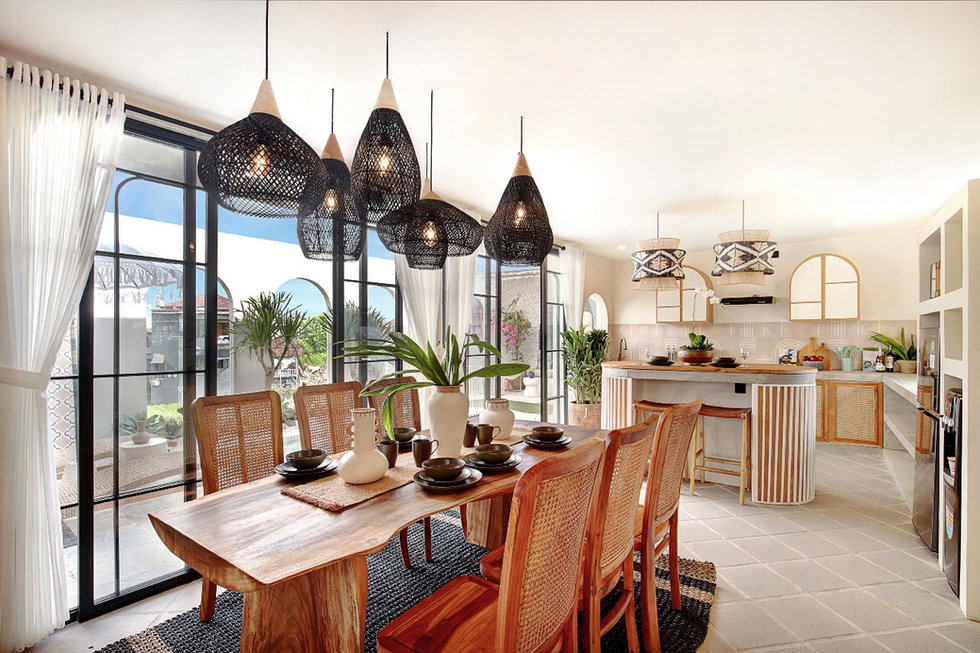
The accommodation FAQ describes private villas with a pool and a standard the provider compares with a four-star hotel, with more expensive upgrades available. That is the provider’s comparison, not an independently verified hotel classification. The specific property matters for privacy, stairs, access, bathroom arrangements, noise, and how staff are accommodated overnight. Existing gallery images illustrate accommodation associated with the service. They do not guarantee an identical property, exclusive use of every photographed space, or availability for a requested date.
A private chef prepares meals to agreed preferences, while weekend food is handled separately through dining out or delivery. The provider says it can gradually introduce more nutritious choices where needed. Phones and other devices are permitted, with a request not to use them during therapeutic appointments. The practical schedule should make space for treatment rather than assume that private accommodation permits unlimited work. Weekend excursions and activities are described, but the particular outings should reflect health, interests, and the agreed program.
Current published prices and exclusions
Checked October 20, 2026, the provider lists Freedom at US$23,595 or A$32,950 for twenty-eight days. Freedom Plus is US$28,150 or A$39,295 for the same period. These are the provider’s published currency alternatives, not exchange-rate calculations made by this directory. They should not be prorated into a thirty-day tariff or used to price a longer admission automatically. The quote should identify the chosen package, payment currency, dates, villa, included appointments, and any agreed changes.
Flights, visas, personal purchases, weekend food, and medical bills beyond the stated detoxification medication and psychiatrist visit are excluded. Although the package lists transport, the precise airport, route, and any outside medical journeys should be confirmed. The site’s visa-cost illustration is not used here as a current immigration fee. A dated agreement should resolve the medical exclusions, cancellation terms, extension charges, and whether any requested wellness activity or villa upgrade is additional to the published package amount.
Exit planning and three months of follow-up
Freedom describes an exit plan built around accountability, coping strategies, self-care, and a support network. It also promises ongoing check-in sessions for three months after discharge. The public page does not specify the number, length, professional role, or platform for every follow-up contact. Those details should be agreed before leaving, including time-zone arrangements and how any need for additional psychotherapy or psychiatric care will be handled. Check-ins should not be mistaken for a guaranteed three months of comprehensive medical treatment.
AA and NA attendance is optional under Freedom’s published policy. The team says it is neither exclusively for nor against twelve-step approaches and encourages clients to consider whether such meetings are useful. This leaves room for an individual continuing-care plan, but the plan still needs concrete contacts and appointments. For someone returning overseas, useful preparation includes a named local clinician when needed, medication handover, a realistic weekly routine, and recovery support that is accessible after the private residential structure ends.
Conditions
Levels of care
Settings
Amenities
Treatment approach
Individual psychotherapy, addiction education including CBT, emotional regulation, boundaries and relapse prevention, weekly self-care review and chosen wellness activities. Freedom lists two therapy sessions weekly; Freedom Plus lists five. Knowledge, clinical-director and check-in sessions are separate contact types.
Fees & admissions
USD 23,595–28,150 / program
Official tariffs rechecked October 20, 2026: Freedom US$23,595 or A$32,950; Freedom Plus US$28,150 or A$39,295, each for twenty-eight days. Currency alternatives are provider-published, not conversions. Ultimate Freedom is price on request. Includes allocated villa/pool, specified sessions, support staff, chef, transport, arrival medical consultation and detox medication if required. Flights, visa, personal spending, weekend food and most other medical bills excluded; psychiatrist-visit inclusion needs exact scope confirmed. No thirty-day prorating.
Confirm the current program, duration, accommodation and included services directly with the center.
Confirm age and diagnostic eligibility, assigned villa, individual clinicians and registrations, named clinical director, session lengths, withdrawal suitability, nursing versus support cover, psychiatric arrangements, hospital transfer, itemized package and follow-up timetable. Private villa care does not establish hospital or continuous nursing capacity.