About Fresh Start of California — Santa Ana
Fresh Start of California’s Santa Ana program
Fresh Start of California provides addiction treatment at its Daisy Avenue location in Santa Ana, California. The current provider website gives 503 North Daisy Avenue as the contact address and 888-804-8588 as its main telephone number. Its services include residential care, detoxification and support for accompanying mental health concerns. This profile covers the Santa Ana program in the United States, with the actual house and clinical starting service to be confirmed during admissions.
The official homepage presents a community-oriented residential model and links to location-specific information. Applicants should distinguish a city served by the provider from the exact address where they will sleep and receive care. Ask the admissions team to identify the assigned house, the receiving staff and any transport between locations. This is particularly relevant when a search result, directory listing or general Orange County description uses the same provider name without naming a specific residence.
The two Daisy Avenue addresses in the state record
The California DHCS facility dataset, last updated August 17, 2026 and checked October 20, lists Fresh Start of California, LLC under record 300349CP. It covers 503 North Daisy Avenue and the additional address 507 North Daisy Avenue in Santa Ana. The record identifies licensed residential/detoxification services, incidental medical services and a combined capacity of twelve treatment and total places. Its listed expiration date is June 30, 2027, matching the license reference displayed by the provider.
This state dataset provides an exact-campus reference, but the twelve-place figure is not twelve beds in each house or a current vacancy count. A separate Fresh Start record covers a Fountain Valley address and should not be included in the Santa Ana capacity. Ask for the current authorization and actual placement. The dated residential/detoxification record also does not establish hospital admission, so this directory describes the service as residential treatment.
Assessment and detoxification
The Santa Ana program page describes detoxification with nursing support and medication management, followed by residential care when appropriate. It gives five to ten days as a common detoxification range, but the individual assessment should determine whether detoxification is needed and what support is required. Ask about the actual nursing and prescribing arrangements, monitoring, access to medical consultation and circumstances that would require another service. A broad medical-support description does not mean every professional remains onsite at all times.
Provide accurate information about current substance use, physical health, mental health symptoms, medication and previous treatment. Ask which records the team needs before confirming acceptance and whether travel should wait until the placement is approved. Existing prescriptions and any medication-assisted treatment should be discussed with the clinical team rather than inferred from marketing language. Confirm what to bring in original packaging, how refills are arranged and whether tests, medications or outside consultations have separate charges.
The provider’s team and approach page describes medical, clinical, nursing, case-management and relationship-therapy roles. Those descriptions help explain the intended care model but do not establish the roster for a particular admission. Ask who will be responsible for the person’s plan, who communicates changes and how concerns are escalated. The practical purpose is to understand how assessment, medication, therapy and discharge planning work together for the individual resident.
Therapy and co-occurring concerns
Fresh Start describes individual and group therapy, cognitive behavioral approaches, trauma-informed care and relapse-prevention work. For someone seeking help with co-occurring conditions, discuss how substance use and other symptoms will be assessed together. Ask about psychiatric appointments, medication review and the range of needs that can be managed at the assigned house. A general mental health description does not establish unconditional acceptance for every diagnosis or level of severity.
The current secondary profile describes three to five hours of individual therapy and about thirty hours of group work each week. These are third-party schedule claims and should be checked against the actual plan, including what counts as a clinical session versus other structured activities. Ask for a sample timetable, usual group sizes and how appointment frequency changes between detoxification and residential care. An individualized plan should explain its priorities rather than simply reproduce an advertised total.
The official admissions page says alternatives to twelve-step programs are available for people whose preferences differ. This broadens the secondary description of twelve-step participation. Ask which recovery pathways are currently offered, how choices are incorporated into the schedule and whether the approach can be reviewed over time. Personal preferences should be discussed alongside clinical needs, without assuming that choosing a pathway makes all other therapeutic or residential expectations optional.
Private and shared rooms
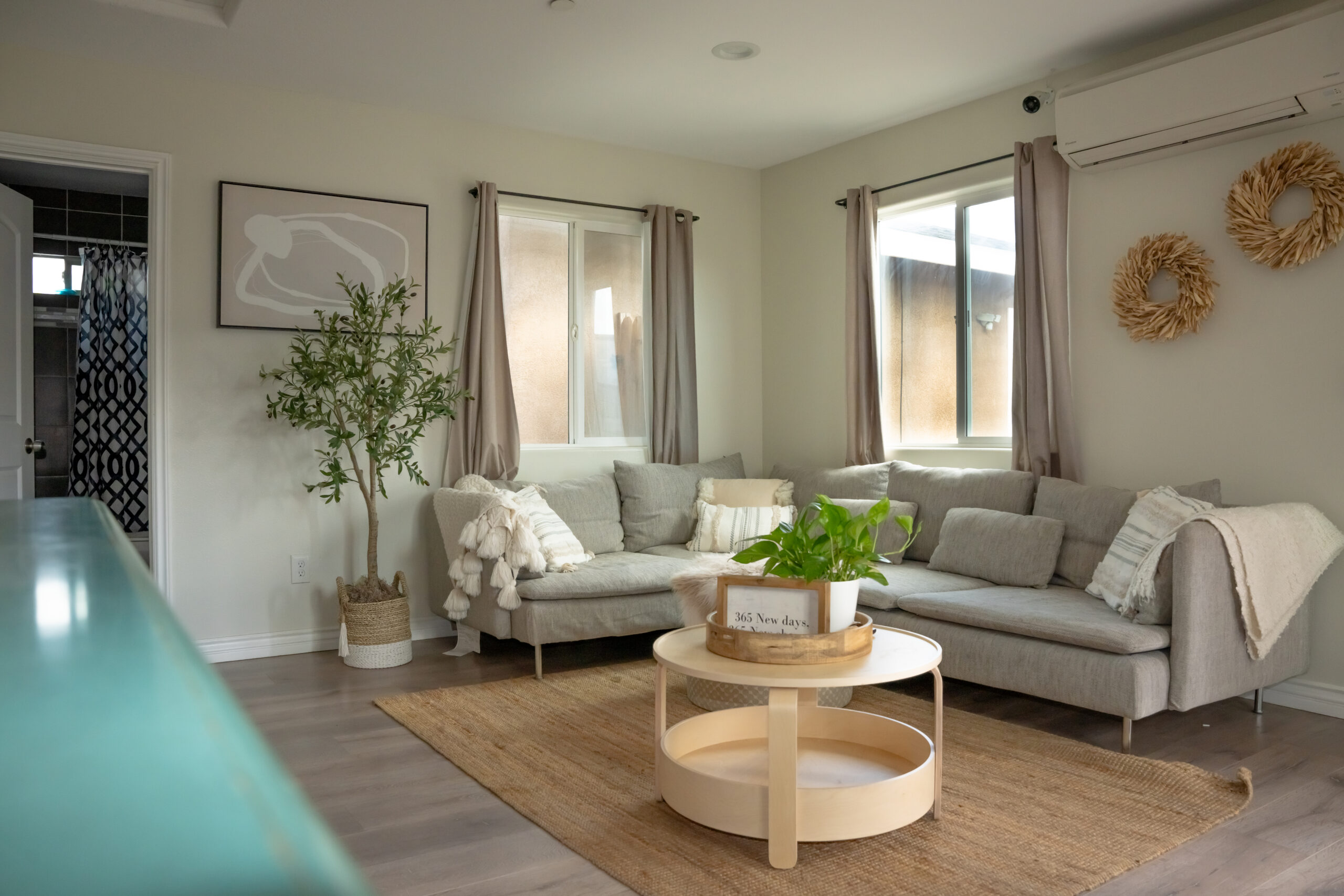
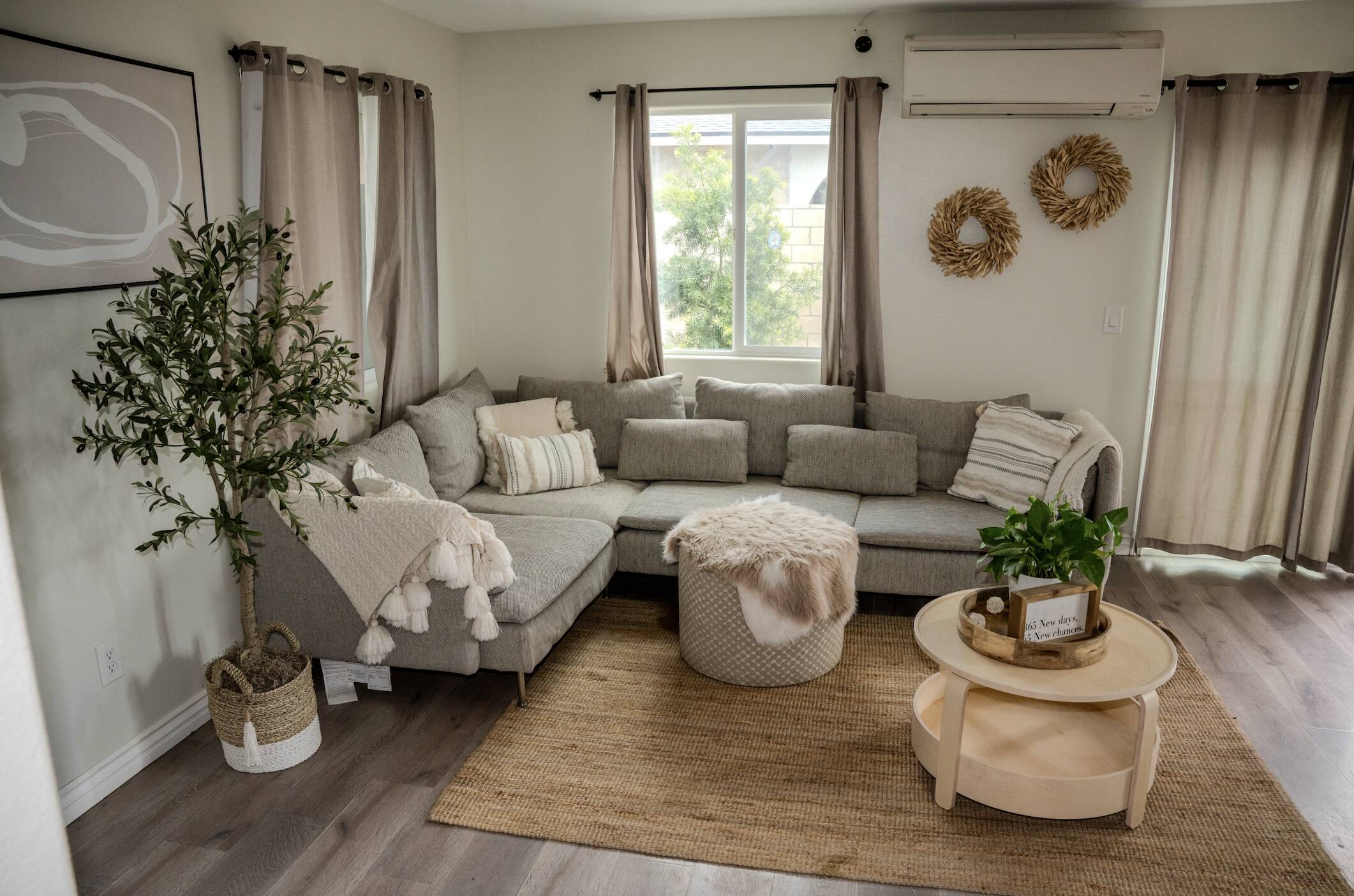
The primary Santa Ana page expressly describes private and shared rooms. The current Recovery.com listing also describes private or semi-private accommodation at the Daisy Avenue address, supporting a private-bedroom option in this directory. Ask which house and room are actually available, how bathrooms are shared and whether the room can change between phases. A private bedroom does not reserve the whole house or eliminate shared living spaces.
The secondary listing says the private and semi-private choices have the same price, but the provider’s current written offer should confirm that arrangement for the requested dates. Request photographs or a tour of the assigned room when privacy or accessibility matters. Discuss stairs, walking distances, storage, laundry and any personal assistance needed. The combined state capacity describes the licensed program, not the layout or occupancy of every bedroom within its two addresses.
Couples, companions and individual care
Fresh Start’s current admissions material explicitly describes support for couples and pet-friendly detoxification and residential care. These are options to discuss, not a guarantee that every couple or animal can be accepted. Each person still needs an appropriate clinical assessment. Ask whether partners enter the same phase, how bedrooms are allocated, whether joint and individual sessions are offered, and what happens if the clinical team recommends different services or lengths of stay.
If partners arrive together but one needs a longer detoxification phase, ask how their individual schedules, contact and room charges will change. Shared travel or a joint enquiry does not require identical treatment plans. Establishing those arrangements in advance can reduce confusion if the clinical team recommends different next steps.
For anyone considering bringing an animal, ask about approval, documentation, accommodation, care responsibilities and any additional cost. Discuss the arrangement before arrival so the house can assess practical needs and the comfort of other residents. A pet-friendly description does not determine the policy for every animal or imply that staff provide its daily care. Similarly, attending as a couple should not be assumed to mean unrestricted time together or shared access to confidential clinical information.
Family communication and daily living
The Santa Ana page describes optional family therapy and case coordination, while admissions offers support to relatives arranging care. Ask how the resident’s chosen supporters can participate, whether sessions may be remote and what is included in the fee. Establish consent and communication preferences, along with ordinary phone, device and visitor rules. A family member’s involvement in payment or travel arrangements should not be treated as a complete explanation of how clinical updates will be shared.
The provider describes bilingual support in its Santa Ana information. Ask which languages are available for assessment, individual therapy, groups and written information, and whether an interpreter is needed for any part of care. The same practical approach applies to meals and accessibility: explain dietary restrictions, allergies or mobility needs in advance and ask who confirms the arrangements. General statements about personalized care become useful when connected to the actual staff, house and daily schedule.
Duration and current pricing evidence
The secondary profile gives thirty days as a typical program reference, while the primary Santa Ana page describes the detoxification phase separately. Neither description establishes a universal combined duration for every resident. Ask for the initial recommendation, how progress is reviewed and whether detoxification days count within the proposed course. If another phase or a longer stay is recommended, confirm the living arrangement, clinical schedule and costs before assuming the original offer continues unchanged.
The current Recovery.com listing checked October 20, 2026 displays an estimated USD 30,000 for thirty days and a separate USD 800–1,000 daily reference. These are third-party estimates, not a provider-published tariff. They should be kept as distinct offers rather than converted into an assumed discount or a single price for every duration. Ask which rate applies to the actual service and room, including any short stay or extension, and obtain the total in writing.
The written proposal should identify detoxification, residential days, professional appointments, medication, tests, outside consultations, meals, room, activities and transport. Ask about deposits, cancellation, early departure and transfer. If both partners attend, obtain separate individual clinical and financial terms rather than assuming a combined rate. Insurance verification should address the exact program, network status, authorization and personal costs. A statement that coverage could pay the full amount is not confirmation that the applicant’s policy will do so.
After residential treatment
The primary Santa Ana page describes planning for outpatient care with local providers, nearby sober living, family support and other referrals. The secondary profile describes later services more broadly, but a referral should not be read as a confirmed onsite outpatient place or continued residence at Daisy Avenue. Ask for the receiving organization, appointment dates, housing address, staffing and financial terms. A named next step is more useful than an assurance that support will remain available.
Before leaving, confirm medication responsibilities, how records reach the next clinician with consent and who the resident can contact with practical questions. Discuss the living environment and support network to which the person will return, especially if home is outside Orange County. The decision about Fresh Start should connect assessed clinical needs with a confirmed Daisy Avenue room, understood daily expectations, a complete financial offer and a workable plan beyond residential care.
Sources checked October 20, 2026: Fresh Start of California’s homepage, Santa Ana, admissions and team pages; DHCS record 300349CP in the August 17, 2026 dataset; the current Recovery.com Santa Ana listing for attributed schedule, room and price descriptions.
Destinations
Conditions
Levels of care
Amenities
Program approach
Individual/group counseling, cognitive behavioral and trauma-informed care, assessed medication support, optional family/couples work, alternative recovery pathways, practical skills and individualized discharge planning
Fees & admissions
Estimated USD 30,000 / program
The current Recovery.com Santa Ana listing checked October 20, 2026 gives an estimated USD 30,000 for thirty days and a separate USD 800–1,000 daily reference. These are distinct third-party estimates, not an official tariff. Confirm the applicable duration, room, detoxification, clinical services, medication, tests, meals, activities, transport and any partner/pet arrangements in a written offer.
Confirm the current program, duration, accommodation and included services directly with the center.
Confirm assigned 503 or 507 North Daisy house, clinical fit, detoxification and medical resources, medication, private/shared room and bathroom, any couples/pet arrangements, language/diet/access needs, devices/visits, actual duration, itemized fees and policy benefits, and named receiving aftercare/housing providers.