
About Georgia Recovery Campus — Reynolds
Georgia Recovery Campus offers residential addiction treatment and medical detox at its campus in Reynolds, Georgia. The provider describes individualized care for substance use and co-occurring mental health needs, with themed villas, clinical programming, and recreational facilities. It also operates outpatient services in other Georgia cities, which should be distinguished from the Reynolds stay. For a prospective resident, the useful questions concern the assessed treatment level, actual medical support, therapy schedule, room assignment, and continuing care. This profile explains those details and preserves the published 30-day cash estimate as third-party information rather than a guaranteed provider price.
The Reynolds location and the wider network
The official website identifies the Reynolds campus at 211 Goose Hollow Road, Reynolds, GA 31076, and publishes (478) 216-1110 for inquiries. Its footer separately lists locations in Columbus and Macon. Some pages refer broadly to Macon or Middle Georgia while describing the residential program, so confirm the actual receiving address before arranging transport. A regional description is not arrival guidance. Ask which building or villa is assigned, where the admission assessment occurs, and who will meet the resident.
The provider describes a countryside campus where residents live onsite while taking part in treatment. That setting may appeal to someone who wants a period away from familiar routines, but it should be considered alongside access needs and practical responsibilities. Ask about distances between the villa, dining room, and therapy spaces, step-free access, bathroom arrangements, and support during the night. If a person has difficulty walking, a dietary requirement, or another accommodation need, obtain a specific answer for the assigned residence rather than relying on a general description of the grounds.
Medical detox and the transition into treatment
Georgia Recovery Campus advertises a standalone medical detox unit and describes assessment, monitoring, medication when appropriate, and emotional support during withdrawal. Its detox page emphasizes that the duration depends on individual circumstances. Ask who evaluates withdrawal risk before admission, which medical professionals are onsite, how coverage works overnight, and what would require care at another facility. A dedicated detox service does not automatically establish that every acute medical or psychiatric need can be managed on the residential campus.
The assessment should include an accurate account of recent substance use, previous withdrawal experiences, current prescriptions, and other health conditions. Ask how outside medical records reach the clinical team and how medication decisions are coordinated with an existing prescriber. Clarify whether detox and residential care have separate admission or billing stages, where the person will stay during each phase, and how the handoff is arranged. The presence of both programs does not settle the safest sequence for an individual or predict the number of days required.
The provider uses inpatient terminology in its residential treatment information while describing a retreat-like campus with continuous support. Ask what that terminology means in practice: who is present on each shift, when a doctor or psychiatric professional sees residents, and how urgent needs are escalated. This profile does not infer a general hospital from the word inpatient. The decision should relate to the actual clinical resources available to the resident and the level of care the assessment recommends.
Individual treatment and the three clinical tracks
The provider describes three clinical tracks built around cognitive behavioral therapy, dialectical behavior therapy, and trauma-related treatment. Its admissions page explains that history and assessment inform the selected plan. Ask how the team decides on a track, whether a resident can change tracks, and which individual and group sessions each involves. A named track is a starting point for understanding the program; it should lead to a concrete timetable and clinical goals rather than an assumption that every resident receives the same interventions.
Someone entering treatment after previous attempts can ask the team to review what helped and what did not. Relevant questions include whether prior records will be considered, how co-occurring symptoms are evaluated, and what changes in follow-up or living arrangements might be needed. A longer stay should have a clear clinical purpose. Ask when progress is reviewed, how the resident contributes to that discussion, and what happens if the original plan is not proving helpful. The recommended duration should be explained in terms of the work and support required.
The published residential routine includes clinical work, check-ins, meals, activities, and quieter periods later in the day. Request a sample week showing the frequency and duration of individual appointments, group size, and weekend programming. Ask how a person who needs extra rest or attends a medical appointment catches up with the program. These details are more informative than the number of therapies listed on a website. They also help distinguish time spent with a licensed clinician from peer meetings, wellness activities, recreation, or unstructured time.
Mental health care alongside addiction treatment
The mental health page describes services for difficulties such as depression, anxiety, and trauma-related symptoms, including care alongside substance-use treatment. It also invites inquiries about mental health support more generally. Ask whether the proposed admission is primarily for addiction, for a mental health condition, or for both, and which program would provide it. A broad service description does not establish eligibility for every diagnosis or every level of psychiatric acuity, so the receiving team should explain its scope and exclusions.
If ongoing psychiatric medication is part of the person’s care, clarify the review process, appointment frequency, and responsibility for refills. Someone who already works with a therapist or psychiatrist can ask how those professionals will be involved, with appropriate permission. Also ask how the program responds when symptoms change or a resident needs more intensive support. The term co-occurring care is most useful when it describes an agreed plan, named responsibilities, and a practical connection between the addiction and mental health services.
Villas, room options, and activities
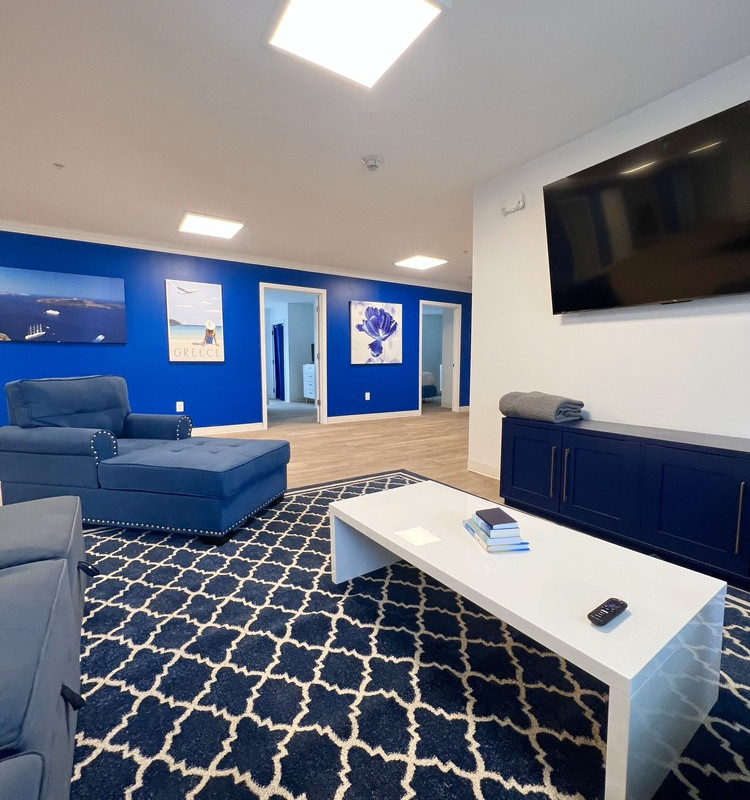
The official amenities information advertises private-room options and asks prospective residents to check availability. The exact Reynolds Recovery.com listing also identifies private rooms among its amenities. This supports asking about a private room, but does not establish that every villa bedroom is private or that a private room is included in the displayed estimate. Obtain the room category, bathroom arrangements, location, and any supplement in the written quotation for the proposed dates.
The campus advertises prepared meals, a gym, yoga, massage, and courts for activities including pickleball, volleyball, and basketball. Ask which are regularly scheduled, which require an appointment, and which need clinical approval. Someone who prefers quieter activities or has physical limitations should discuss alternatives before arrival. Amenities can affect personal comfort and routine, but they are not evidence of a particular treatment outcome. Compare them alongside the actual therapy plan, medical support, and ability to meet the resident’s practical needs throughout the stay.
Family contact and planning beyond the campus
The residential page says friends and family may visit at specified times. Ask for the current policy, including appointment requirements, consent, permitted visitors, and any restrictions during detox. Clarify whether family participation means visits, education, joint therapy, or a combination for this resident. If relatives cannot travel to Reynolds, ask about remote contact. A useful conversation also establishes how the resident controls information sharing and how supporters can raise a practical concern without assuming access to every part of the clinical record.
Before discharge, discuss where the person will live and who will provide continuing medical and psychological care. The plan should name the next clinician, identify the first appointment, and address prescriptions and transport. A family member may help with those arrangements, but the responsibilities should be realistic and agreed with the resident. If the previous home environment is unsuitable, ask for help developing another plan early in the stay. Completing a residential program does not by itself resolve housing, employment, or relationship difficulties.
The official outpatient page places its PHP and IOP services in Macon and Columbus. These should not be described as onsite outpatient appointments at the Reynolds villas. Ask which location is proposed, the weekly hours, start date, transport needs, and separate cost or insurance authorization. If those cities are impractical for the resident, ask how a handoff to another local service will be arranged. A provider’s continuum describes possible options, not an automatic reservation in every next program.
The 30-day estimate and insurance
On October 20, 2026, Recovery.com displayed an estimated $30,000 for 30 days at Georgia Recovery Campus in Reynolds. The duration appears explicitly in the price label. It is a third-party 30-day program estimate, not a provider-issued tariff, an indefinite monthly rate, or a guarantee of a particular room. The separate clinical assessment may recommend a different duration. Ask for a current quotation that matches the actual treatment plan and confirms whether the amount includes detox, the residential phase, or a defined combination of services.
A written financial explanation should identify the room, clinical appointments, medication, laboratory work, outside medical care, meals, transportation, and follow-up included. Clarify payment dates, deposits, extensions, early departure, and refunds. If detox or another service is priced separately, ask how the transition is reflected in billing. An attractive package description should not obscure a charge that depends on the person’s medical needs. It is reasonable to ask for an updated estimate when the proposed duration or level of care changes.
The admissions team offers insurance review, but acceptance of an insurer in general does not establish benefits for a specific member or program. Verify network status, authorization, deductible, coinsurance, and any separate medical bills for the exact Reynolds service. Ask what happens if the insurer approves fewer days than the team recommends and how that will be communicated before costs accrue. Same-day appointment availability, when offered, should likewise be distinguished from guaranteed clinical acceptance, a particular room, or confirmed insurance payment.
Making a useful comparison
Georgia Recovery Campus may be relevant when its assessed Reynolds residential and detox services fit the person’s needs and its campus setting suits their preferences. Compare it with other United States treatment providers using consistent questions about clinical resources, room assignment, price, and continuing care. The residential care guide and co-occurring conditions guide can help organize the discussion. Before committing, seek a current treatment recommendation and a financial agreement that both identify the correct campus and the services being proposed.
Sources and verification
Reviewed October 20, 2026, using the linked official campus, admissions, residential, detox, mental health, amenities, and outpatient pages, plus the dated Recovery.com estimate. Reynolds residential services are distinguished from Macon and Columbus outpatient care. Eligibility, exact room availability, medical resources, insurance, and current pricing require confirmation.
Destinations
Conditions
Levels of care
Settings
Amenities
Program approach
Individual and group work, cognitive behavioral, dialectical behavior and trauma-related tracks, medical support when indicated, recovery skills, and continuing-care planning
Fees & admissions
Estimated USD 30,000 / program
Recovery.com checked 2026-10-20 explicitly estimates USD 30,000/30 days in the price label. Keep a 30-day program reference, not indefinite monthly tariff. No official numeric fee verified; obtain itemized quote and confirm detox, room, clinical, medication, transport and aftercare inclusions.
Confirm the current program, duration, accommodation and included services directly with the center.
Clinical assessment of substance use, medical and psychiatric history, medication and prior treatment. Confirm exact Reynolds receiving villa, medical coverage, room, insurance, current quote and discharge arrangements. Appointment availability does not guarantee admission or coverage.