
About Hanley Center — West Palm Beach
Hanley Center in West Palm Beach
Hanley Center is a nonprofit addiction and mental health treatment provider at 933 45th Street in West Palm Beach, Florida. Its 14-acre campus brings together several programs, including residential addiction treatment for men and women, a dedicated older-adult service, a separate primary mental health program, and outpatient care. The current provider website places Hanley Center within Hanley Foundation and emphasizes treatment adapted to age, life stage, and gender. That range makes it important to identify the actual program being offered, because admission duration, family programming, accommodation, and clinical needs differ across the campus.
The residential addiction programs serve adults, with a separate pathway for older adults. Hanley also describes Headwaters, a more private program on the same campus for professionals, executives, and public figures. Its existence should not be taken to mean that every Hanley admission includes Headwaters accommodation or arrangements. The broader organization also offers the Patriots Initiative for veterans and first responders and Casa Flores for pregnant women and their babies. These services have their own eligibility and planning requirements, which should be discussed with the admissions team rather than inferred from the general center profile.
Medical stabilization and ongoing care
Hanley’s medical-services page describes on-site medical care, psychiatric input, and 24/7 nursing. It includes medical detoxification and management of physical conditions that may complicate recovery, such as cardiovascular, liver, gastrointestinal, or other health problems. The stated model brings these concerns into the same treatment discussion as substance use and mental health. This can be relevant for someone whose care needs extend beyond counseling alone. The actual admission decision still requires review of the person’s medical history, current symptoms, medications, and the resources needed to manage them.
The provider also identifies nearby St. Mary’s Medical Center as a source of emergency and specialist hospital care. That distinction helps define the setting: on-site medical support does not mean every hospital procedure or specialist service is delivered within Hanley Center. A prospective patient with complicated health needs should have the team explain what it will manage directly, what requires an outside consultation, and when transfer to hospital would be necessary. The medical plan should also establish who communicates with existing specialists and how prescriptions will be reconciled during admission and after discharge.
Therapy within the addiction programs
Hanley names cognitive behavioral therapy, dialectical behavior therapy, motivational interviewing, EMDR, recreational therapies, and a 12-step recovery component among its methods. The program FAQ says treatment is selected according to individual needs. CBT-related work examines patterns in thoughts and behavior; DBT-related skills address distress, emotions, and relationships; and motivational interviewing supports a person’s engagement with change. The practical value comes from how the team combines these methods around a person’s difficulties and goals. The public descriptions do not establish an identical weekly therapy timetable for every program or resident.
The trauma-treatment description explains that therapists and medical professionals coordinate care for trauma-related symptoms and substance use. It includes individual and group work, EMDR, and collaboration with the Center for Brain Recovery. Psychological assessment can inform treatment when diagnoses or cognitive concerns need clarification. Other listed services, such as neurofeedback and biofeedback, should be discussed in terms of their specific purpose and the evidence relevant to the individual’s condition. They should not be treated as interchangeable with established psychotherapy or as a guarantee that a complex condition will resolve.
Age- and gender-specific grouping is a central feature of Hanley’s addiction model. The provider aims to give residents opportunities to discuss experiences with peers in a similar stage of life. For one person, the relevant issues may involve parenting or work; for another, retirement, bereavement, pain, or isolation may be more prominent. These are possible treatment themes, not assumptions about every member of an age group. Someone whose identity, relationships, or preferences do not fit the general program descriptions should ask how accommodation, group placement, and therapy will be individualized.
The older-adult pathway
The Center for Older Adult Recovery is described as serving men and women aged 60 and older. Its approach combines addiction treatment with attention to medical conditions, psychiatric needs, chronic pain, mobility, and the person’s wider life circumstances. The provider describes access to doctors, nurses, and psychiatric evaluation during the stay. This is a more specific offer than simply admitting older people to a general adult group. Families should still clarify the degree of assistance available for daily activities and whether cognitive or physical limitations fall within the program’s capabilities.
The current FAQ gives different initial residential minimums: 45 days for the men’s and women’s addiction programs and 60 days for the older-adult program. These figures should not be replaced by a generic 28- or 30-day rehabilitation estimate. They also should not automatically be applied to the separate mental health program, for which an individualized recommendation is needed. Before admission, establish the planned duration, review points, extension arrangements, and how funding relates to the clinical recommendation. A longer initial commitment has practical implications for work, caregiving, travel, and support at home.
A separate primary mental health program
Hanley’s Residential Mental Health Program is intended for adults who may need treatment without an active substance use disorder. The provider describes ten beds in a space separate from the other programs, with comfortable bedrooms, shared living areas, private single-suite options, and its own nursing and medical-care unit. Conditions considered include mood and anxiety disorders, PTSD, OCD, and other psychiatric concerns. This is a distinct program within Hanley Center, so a reader should not interpret the ten-bed figure as the capacity of the entire campus.
The mental health page names CBT, DBT, EMDR, cognitive processing therapy, narrative exposure therapy, medication management, and expressive approaches among its options. Assessment may confirm or revise a diagnosis and identify the most useful next phase of care. The program also describes case management and referrals for ongoing therapy, psychiatric care, or more flexible outpatient treatment. As with the addiction services, the actual level of care needs to match the individual. A diagnosis appearing on the website does not by itself confirm that a person requiring acute hospitalization is suitable for this residential setting.
Clinical leadership and coordination
The current clinical-team page identifies Dr. Angelo Asheh as chief medical officer and Dr. John Dyben as chief clinical officer overseeing Hanley Center and Headwaters programs. Dyben’s published doctorate is in health science; his role should not be confused with that of a prescribing physician. The page also names Dr. Stacy Grossman as clinical director of the Center for Brain Recovery and Ursula Avilus as director of medical services. These are provider-published roles and qualifications, rather than an independent credential review of every member of the team.
For a patient, the useful implication of a multidisciplinary team is coordinated decision-making. A medical issue, a difficult therapy session, or a concern about returning home should be able to inform the broader plan rather than being handled in isolation. Hanley describes regular collaboration between clinical, medical, and continuing-care staff. The admission discussion should identify the principal therapist, medical contact, and discharge coordinator assigned to the actual program. Patients and families can also agree which outside professionals may share information, what updates are appropriate, and how consent will be documented.
Family services are program-specific
The addiction service’s Five-Day Family Program is offered without a program fee to families and loved ones of patients in treatment. It uses education, guided communication, conjoint sessions, and multi-family groups to examine the impact of substance use and prepare for the next stage of recovery. The intent is to support relatives as well as the patient. A family should confirm dates, attendance expectations, and any travel or lodging expenses; an included therapeutic program does not automatically cover the cost of getting to Florida or staying nearby.
The separate primary mental health program has a different family offer: a two-day program, normally held monthly, for relatives and loved ones without the patient attending. Its description focuses on education, communication, boundaries, and family members’ own experiences. Hanley also describes a free, community-based Children’s Family Program for ages 7–12 affected by a loved one’s addiction. These services should not be blended into one universal family schedule. The appropriate program depends on the patient’s pathway and the relatives’ needs, with clinical approval or additional preparation sometimes required.
Pregnancy, parenting, and campus life
Casa Flores offers a specialized residential pathway for pregnant women with substance use disorders, with continuing support after birth while mothers live with their newborns. The provider describes prenatal coordination, parenting support, case management, and work with community obstetric and pediatric services. Its current page describes five pregnant residents as the existing scale and a planned expansion for 2027. That future plan should not be represented as present capacity. Anyone considering this pathway needs direct assessment of pregnancy-related needs, medication, medical partnerships, and the actual place available.
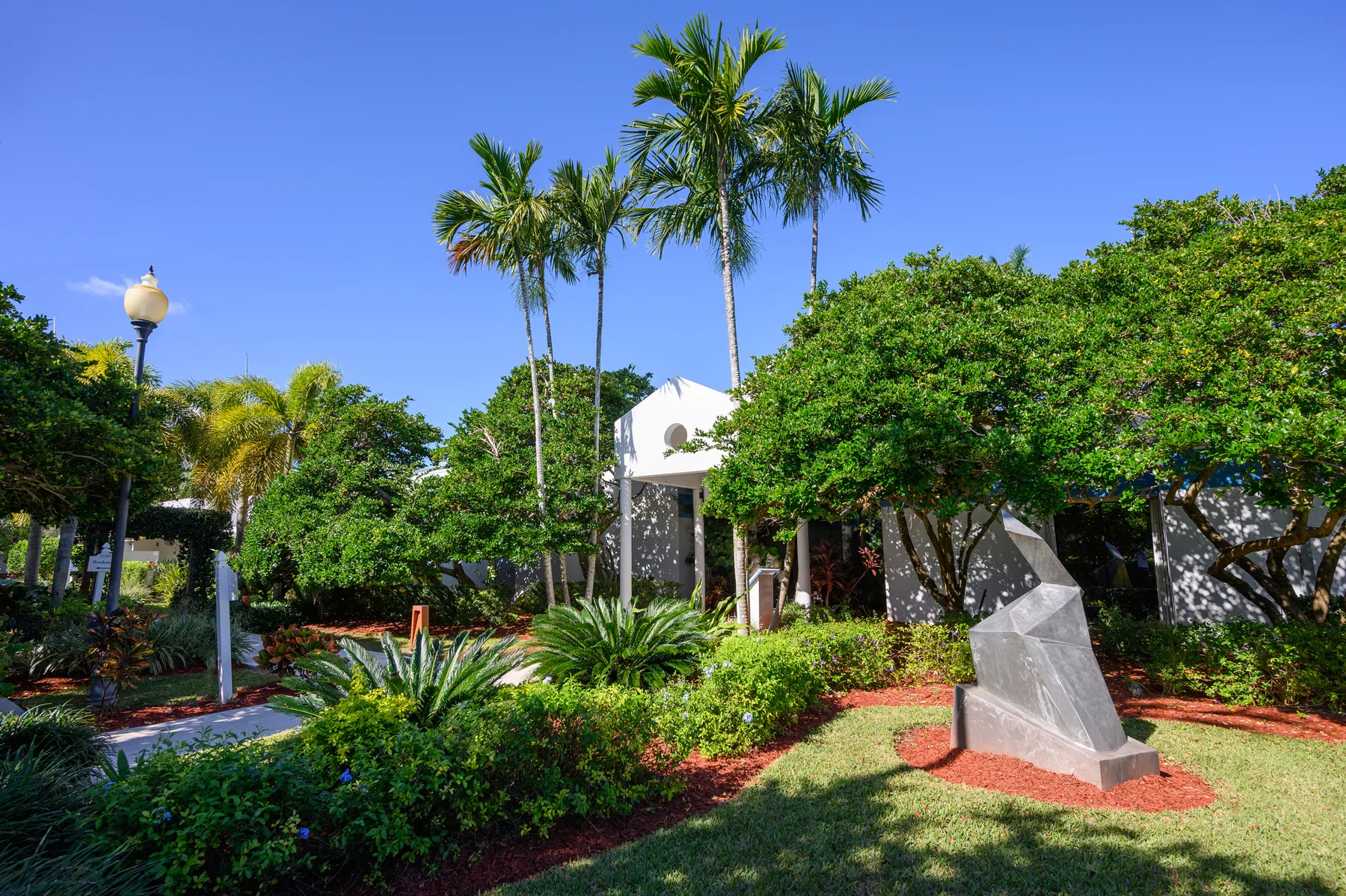
The campus tour page describes 14 acres of courtyards, gardens, residential areas, and shared spaces. Accommodation and amenities vary by program, so a general photograph cannot confirm the room assigned to a particular patient. The FAQ also says personal connected devices are normally unavailable during treatment unless an arrangement is made beforehand. These details matter when planning an extended stay. Ask about room sharing, accessibility, communication with home, dietary needs, and the daily balance of treatment, meals, activity, and rest within the actual program.
Insurance, cost, and continuing care
The insurance page explicitly says Hanley is out of network with insurers and does not accept Medicare or Medicaid. Some private plans may reimburse covered out-of-network services, but a headline about possible full coverage is not an individual funding decision. No current numeric tariff was verified in the reviewed official pages. Obtain a written estimate showing the program, duration, expected insurance contribution, and personal payment. Hanley also describes limited Lifesaver Scholarship assistance for eligible addiction-treatment applicants; availability and eligibility need to be confirmed rather than assumed.
The continuing-care process begins at admission, with a personal coordinator working alongside the primary therapist and wider team. Plans may include ongoing counseling, prescriptions, outpatient treatment, family support, recovery meetings, housing, and a manageable daily routine. The provider describes alumni contact extending beyond discharge, but that does not make all future clinical services free. People comparing treatment providers can evaluate Hanley most clearly by obtaining one complete program-specific proposal, including the medical plan, therapy, family component, room, total cost, and care arranged for the return home.
Information checked October 20, 2026 against official Hanley Center pages. Men’s and women’s addiction programs have a published 45-day initial minimum; older-adult treatment has a 60-day minimum. The primary mental health program, Headwaters, Casa Flores, and their family or accommodation arrangements are distinct services. Individual admission and funding require confirmation.
Destinations
Conditions
Levels of care
Program approach
Age- and gender-specific addiction care, CBT, DBT, motivational interviewing, EMDR and other assessed trauma therapies, medical and psychiatric care, family work, 12-step support, and individualized continuing-care planning
Fees & admissions
Confirm current pricing
No current numeric tariff verified. Provider is out of network with insurers and does not accept Medicare or Medicaid. Request a written program-specific estimate and benefit confirmation. Limited Lifesaver Scholarships may be available to eligible addiction-treatment applicants.
Confirm the current program, duration, accommodation and included services directly with the center.
Adults assessed for the appropriate addiction, primary mental health, older-adult, or specialized program. Older-adult pathway is for ages 60+. Medical-team approval required; verify actual program, duration, medication, room, and funding.