Care at Hazelden Betty Ford — Center City
A residential and outpatient program in Center City
Hazelden Betty Ford’s Center City campus is at 15251 Pleasant Valley Road in Center City, Minnesota. The current campus overview describes medically managed withdrawal support, residential and outpatient addiction treatment, integrated attention to co-occurring mental health conditions, and resources for relatives. It is the organization’s flagship Minnesota treatment location. This profile concerns that campus rather than the separate Hazelden Betty Ford services in Plymouth, St. Paul, or other cities. Being part of the same foundation does not mean that each location has the same population, housing, or clinical arrangements.
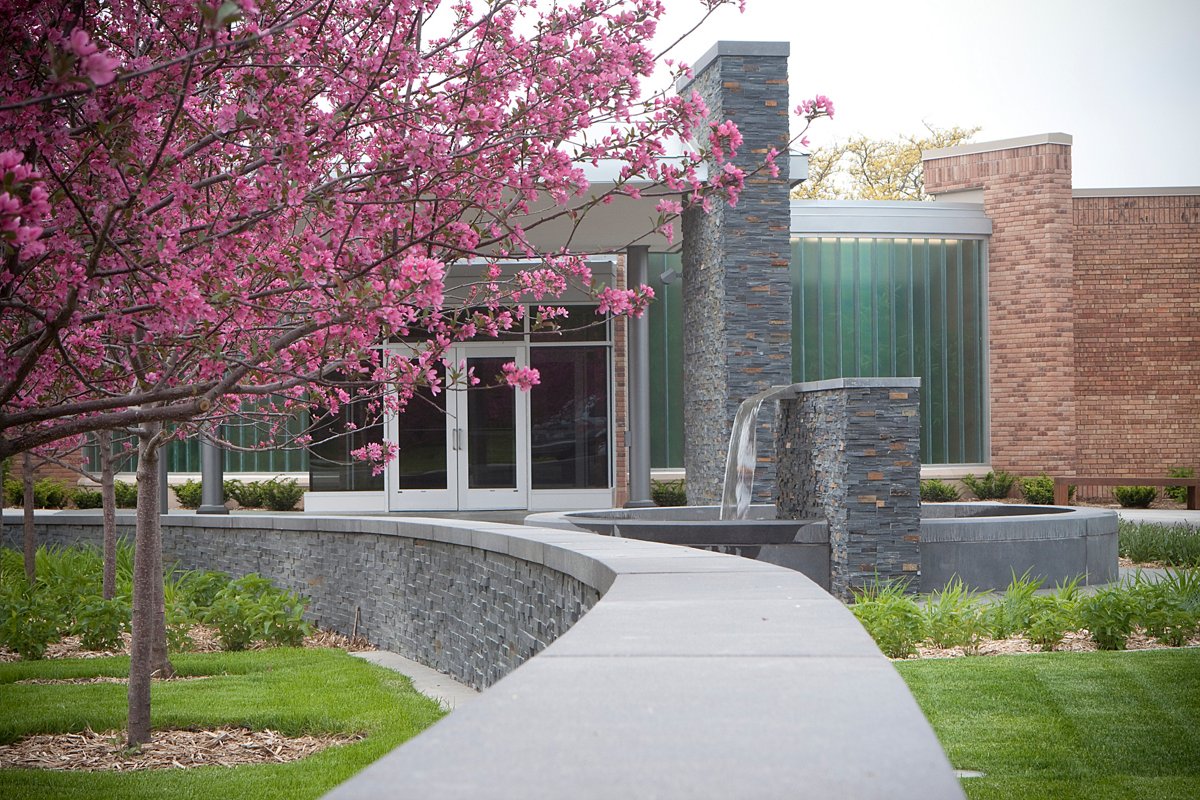
The setting is a treatment community in which residents take part in scheduled care and daily routines together. The campus publishes visitor guidance that includes outdoor walking trails and communal spaces, but its purpose is clinical work and recovery support. Someone considering Center City should look at the proposed treatment stage, the balance of private and group work, and what will happen after leaving. A familiar organization can make the search easier, but the decision still depends on whether the specific service can address the person’s current needs.
Starting with a clinical assessment
The foundation’s admission process begins with a conversation and, where appropriate, a substance use or mental health evaluation. The assessment informs a recommendation about the level of care, with permission sought before involving existing clinicians or family members. Provide a detailed account of current substance use, prescribed medication, medical conditions, previous treatment, and any recent psychiatric difficulties. These details help distinguish a need for withdrawal management, a period of residential care, outpatient treatment, or another service. An inquiry and an accepted clinical placement are separate steps.
Center City describes medical detox as a monitored process intended to manage withdrawal and improve stability before further therapeutic work. The plan should be specific to the substances involved and the person’s history. Medical stabilization does not by itself resolve the behavioral, social, or psychological reasons that treatment was needed. During admission planning, establish how the detox stage connects with the recommended program, who reviews medication, and how physical health concerns are handled. If a person needs capabilities beyond those offered at the campus, the appropriate referral or transfer arrangement should be clear.
The therapeutic community and individual work
The organization’s residential care description combines private counseling, professional-led process groups, educational sessions, medication management, and attention to sleep, nutrition, physical activity, and other routines. It describes a team with medical, psychiatric, addiction, mental health, family, and wellness expertise that reviews the patient’s progress. This indicates several coordinated forms of care rather than an isolated course of counseling. The practical measure is how the team links those components to the person’s goals and adapts them as new difficulties or strengths emerge.
Process groups give participants an opportunity to discuss experiences, hear different perspectives, and notice patterns in their interactions. Individual appointments provide time to work on personal history, specific symptoms, and goals that need a more private setting. Educational sessions can then make those ideas usable by connecting them with recognizable triggers, cravings, routines, and choices. Before entering, clarify the expected individual appointment frequency and how a resident can raise concerns between scheduled sessions. The presence of multiple professional disciplines does not specify a fixed amount of one-to-one contact.
The published treatment model includes cognitive behavioral therapy, dialectical behavior therapy, motivational interviewing, acceptance and commitment therapy, and Twelve Step Facilitation among its available approaches. A plan might use behavioral work to examine what happens before a return to substance use, emotional regulation skills to manage distress, and motivational work to address uncertainty about change. These examples explain the purposes of the methods; the assigned team determines what is actually appropriate. A named therapy should correspond to a clear treatment need and an identifiable part of the schedule.
Twelve Step Facilitation and peer connection sit alongside professional care in the foundation’s model. For someone familiar with recovery groups, this may provide a recognizable community framework. A person with concerns about the language, spiritual elements, or format should discuss those concerns before admission and ask how the team supports participation. Recovery meetings, psychotherapy, and medical treatment have different functions. Their value within a plan depends on how well they fit together and how the person can continue using helpful supports after leaving the campus.
Mental health needs and opioid-specific care
Center City describes integrated care for substance use and related anxiety, depression, or trauma concerns. The foundation’s separate mental health service directory lists statewide Minnesota telehealth and in-person outpatient services at several other Minnesota locations; it does not list Center City among those standalone in-person clinics. A residential addiction placement with co-occurring care should therefore be distinguished from booking a general mental health appointment. Explain the primary reason for seeking help so the team can identify the correct pathway rather than assuming residential addiction treatment is always the relevant service.
For opioid use disorder, Center City links to the foundation’s COR-12 approach, which brings medication, counseling, recovery support, and follow-up into one plan. The public explanation includes buprenorphine with naloxone and extended-release naltrexone as options that clinicians may consider. These are not interchangeable choices, and the program name does not establish an individual prescribing decision. Someone already taking medication should discuss continuity with the medical team, including the prescriber, pharmacy, and follow-up appointments that will be available when the residential stage ends.
Outpatient options and the transition home
The outpatient service model includes day treatment or partial hospitalization, intensive outpatient care, and less intensive outpatient groups or individual services. The network describes PHP as roughly 25 to 30 hours a week and IOP as three-hour sessions on four days weekly. These are general program descriptions rather than a confirmed Center City timetable for a particular start date. Establish which local or virtual service is being offered, whether living accommodation is included, and how the schedule fits with the person’s home circumstances.
A change in care level should be planned rather than treated as an administrative end date. The clinical team can identify the next goals, the services needed to pursue them, and the signs that additional support may be necessary. For someone traveling from outside Minnesota, the transition may involve a provider closer to home instead of continued attendance at Center City. Confirm that receiving appointments, medication arrangements, and relevant records are in place. Virtual care may make continuity easier, but availability depends on the service and where the patient will be located.
The foundation describes length of treatment in terms of individual goals and clinical milestones. A stay should not be represented as a fixed month simply because an older directory used that duration. Practical planning still matters: the patient may need leave from work, arrangements for dependents, and an understanding of potential extensions. Ask when the team reviews progress and how changes are discussed with the patient and funder. A longer stay has a different financial and personal impact, so its purpose and terms should be understood before it is agreed.
Family programs with a separate purpose
The family service program includes an orientation, educational workshops, group coaching, family support groups, and individual coaching. Center City is listed as a location for in-person family workshops, while many services are available virtually. This gives relatives a way to learn about addiction and their own responses without making every conversation about monitoring the patient. Coaching and education can focus on communication, boundaries, and self-care. Those services should be distinguished from joint clinical family therapy, which may have its own assessment, purpose, and billing arrangements.
The Children’s Program is designed for children ages seven to twelve affected by addiction in their family. A 2025 foundation announcement described the integration of trauma-informed principles and closer coordination across family, mental health, and recovery services. For a child, the relevant questions include the appropriate format, registration, what the program covers, and whether additional individual help is needed. Many family educational and support offerings are funded without a participant charge, but that does not make every therapy appointment free or guarantee an immediate place.
Rooms, visiting, travel, and pets
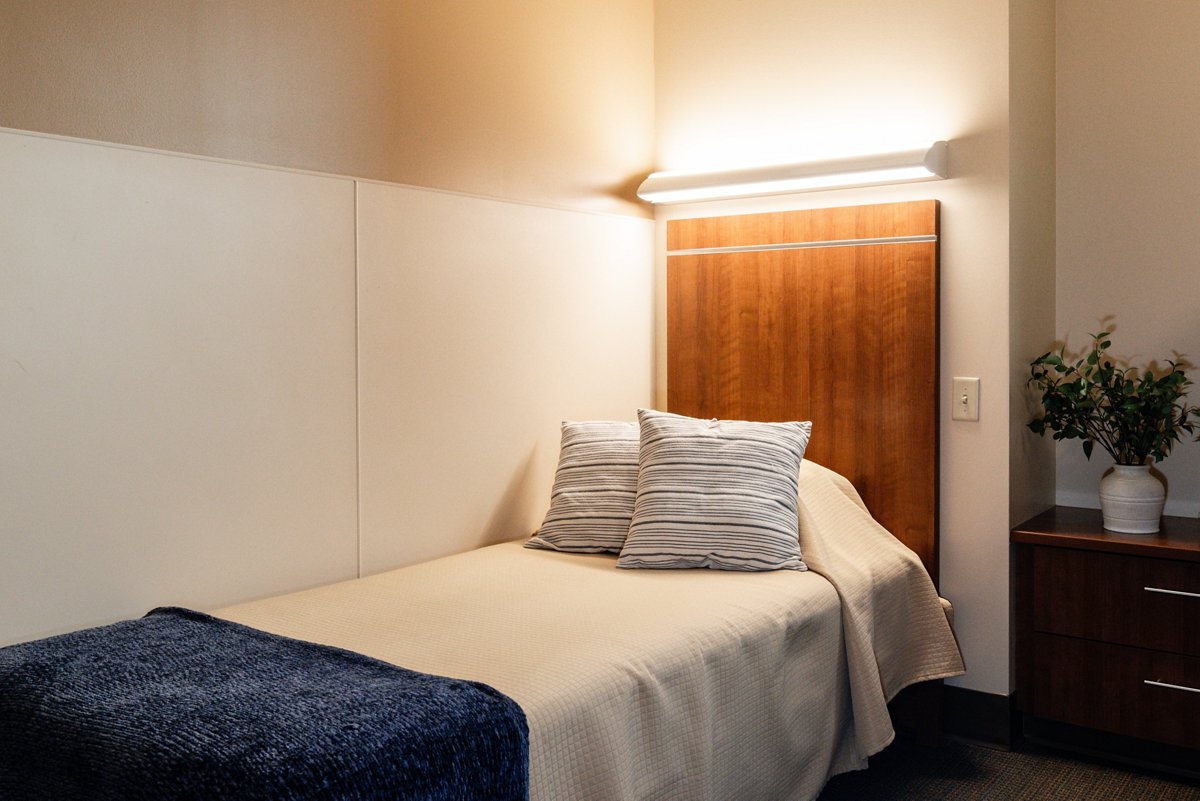
A current private bedroom allocation and a room-specific price were not verified for the Center City program. Ask for the actual bedroom and bathroom arrangement rather than relying on a general description of the campus. The published visitor timetable includes Wednesday evenings and Sunday or holiday afternoons, with registration and privacy rules. It permits designated outdoor activities during visits but restricts leaving campus with visitors. Reconfirm the current policy before relatives travel, especially if an individual care plan affects visiting. A workshop registration and permission to visit a patient may require different arrangements.
The campus offers arrival guidance for Minneapolis–Saint Paul International Airport and describes a transport service that must be coordinated. The foundation also identifies temporary pet foster care as a support available in Minnesota to reduce barriers to admission. That is separate from bringing a pet into treatment: the campus permits service animals under its stated policy but does not permit ordinary pets or emotional support animals. If animal care is a concern, discuss availability and eligibility early. Do not assume that fostering, airport pickup, or another practical service is automatically included in the treatment charge.
Financial arrangements and a considered decision
The current insurance page provides Minnesota network information and states that Hazelden Betty Ford does not accept Medicare or Medicaid. Benefits still depend on the exact policy and service, so confirm authorization, network status, deductible, coinsurance, and any limits. No defined current private-pay monthly package was verified here. The financial team should explain a written estimate, possible changes with care level or duration, and any financing or patient aid for which the applicant may qualify. Aid and payment plans are distinct from insurance coverage.
Center City offers a coordinated addiction treatment setting with medical withdrawal support, a substantial therapeutic community, mental health integration, and organized family resources. Those features are most useful when translated into a clear personal plan. Compare the proposed services with other programs in the United States directory, paying particular attention to the clinical need, actual room, individual contact, and transition arrangements. Information was checked on October 20, 2026. Confirm the current schedule, staffing arrangements, service availability, and financial responsibilities before committing to an admission.
Conditions
Levels of care
Settings
Treatment approach
Multidisciplinary addiction treatment, individual counseling, process groups, psychoeducation, CBT, DBT, ACT, motivational approaches, Twelve Step Facilitation, COR-12 opioid medication options, and family education/support according to assessment
Fees & admissions
Confirm current pricing
No defined current all-inclusive provider tariff verified. Clear older third-party monthly estimate. Written estimate should identify care level, duration, room, insurer authorization and patient share; financing and any patient aid are subject to separate terms.
Confirm the current program, duration, accommodation and included services directly with the center.
Clinical assessment and a specific care-level recommendation precede placement. Financial advocate verifies benefits and patient costs. Official insurance information says Medicare and Medicaid are not accepted. Confirm minimum age and program suitability rather than importing another campus's eligibility.