About Hazelden Betty Ford Newberg
Hazelden Betty Ford’s Newberg campus
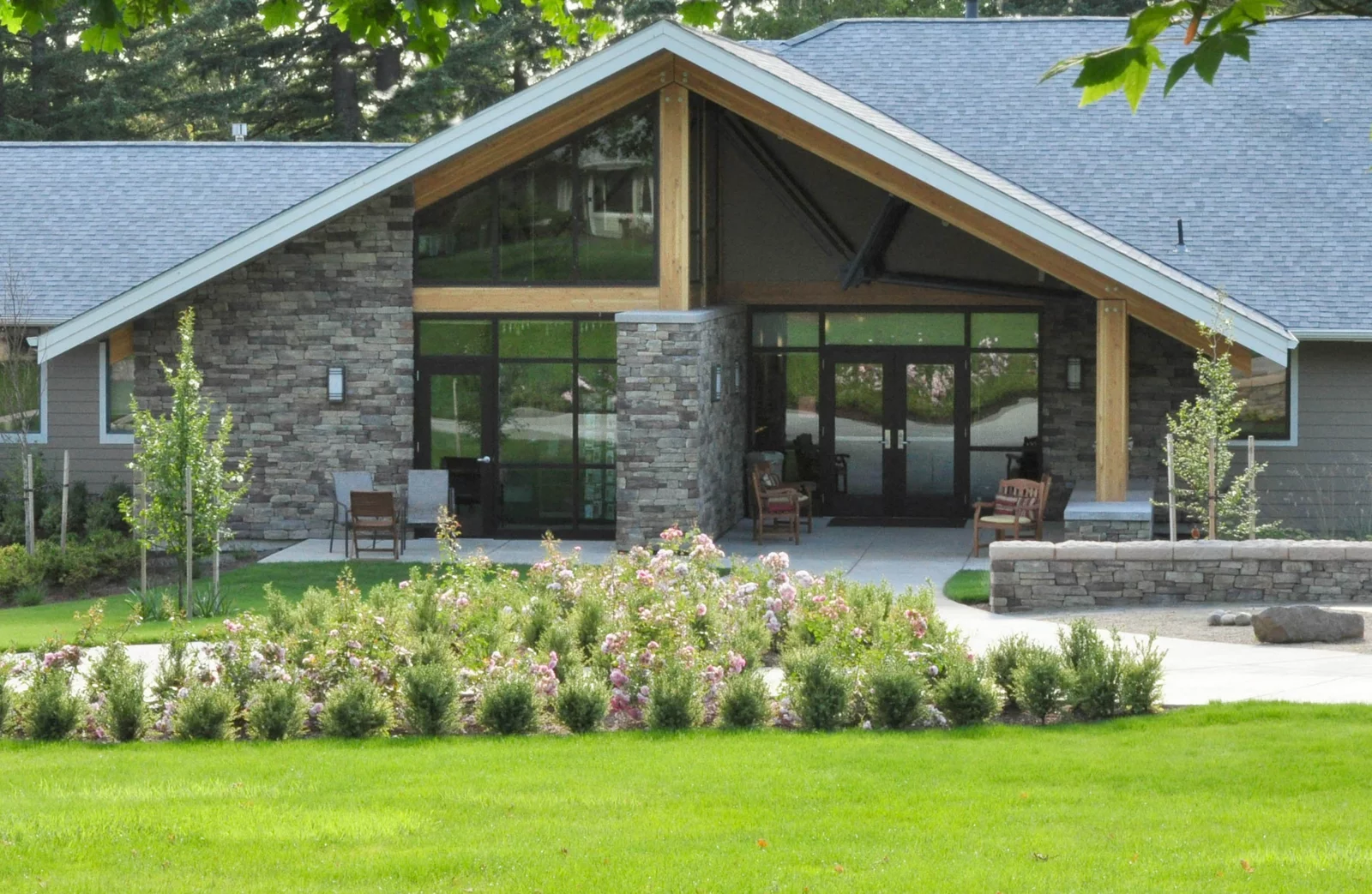
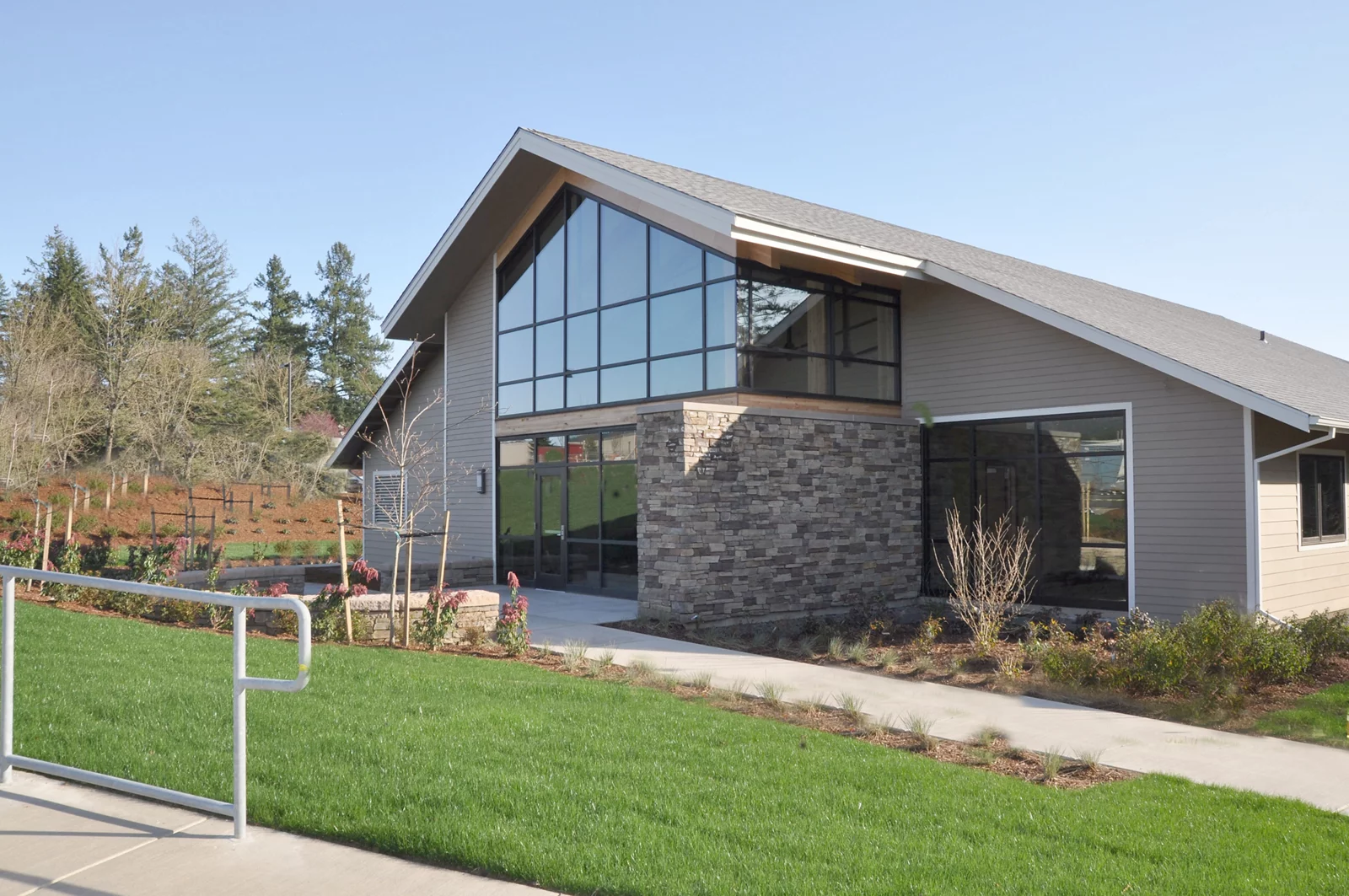
Hazelden Betty Ford provides adult addiction treatment at 1901 Esther Street in Newberg, Oregon. The current official campus page identifies the location as the former Springbrook program and describes a twenty-three-acre, park-like setting in the Willamette Valley. Services include residential treatment, medically supervised detoxification, outpatient care and virtual options, with support for co-occurring mental health concerns. The published general enquiry number is 866-831-5700.
The Newberg location is one option within the provider’s wider network in the United States. The primary page also mentions a separate outpatient location in Beaverton. Ask which site and service are actually recommended, rather than treating Newberg, Beaverton and virtual treatment as interchangeable arrangements. This matters when planning accommodation, transport, work leave and support from family, particularly for someone arriving from outside Oregon.
Residential care and onsite detoxification
The current Newberg FAQ explicitly confirms medically supervised detoxification and stabilization at this campus, with medical monitoring around the clock when needed. It also says not every patient requires detoxification. The initial assessment should therefore determine the appropriate starting service, taking account of current substance use, health needs and medications. Ask about the actual nursing, prescribing and monitoring arrangements and how the team responds if someone needs resources beyond those available onsite.
The overnight program is described here as residential treatment. The provider also uses inpatient terminology, but the reviewed material does not independently establish hospital admission. A large organization or a staffed campus does not remove the need to clarify clinical capability. Ask which professionals are physically present at different times, how medical and psychiatric consultations are arranged and which circumstances would lead to an outside assessment or transfer.
Provide a full prescription and treatment history during assessment, including relevant records from existing clinicians. Ask how medications are reviewed, who will prescribe during the stay and how refills or outside appointments are handled. The provider identifies targeted services for opioid use disorder among its offerings, but a general program description does not establish an individual medication plan. Request the actual recommendation and any additional costs for medicines, tests or consultations rather than assuming all medical care is included in a residential quote.
Integrated care and program choice
The primary campus description combines substance use treatment with attention to mental health concerns such as anxiety, depression and trauma. For someone seeking co-occurring-condition care, ask how those concerns will be assessed and addressed together. Clarify the frequency and availability of mental health appointments, how clinicians communicate and what support is available between sessions. A diagnosis appearing in an overview does not establish suitability for every severity or presentation.
Newberg describes gender-specific tracks, services for professionals and animal-assisted programming. Ask what the relevant track changes in practice: the peer group, therapist, schedule, clinical goals or reporting arrangements. Professional-program availability should not be treated as a guarantee that an employer or monitoring body will accept every aspect of the course. If outside requirements influence admission, confirm them with the responsible organization as well as the provider before relying on a particular plan.
Request a sample weekly schedule showing individual therapy, groups, education, clinical appointments and time for other activities. Ask how goals are agreed with the resident, when they are reviewed and how concerns about treatment can be raised. Recovery.com describes a combination of clinical approaches and twelve-step traditions. Discuss preferences and prior experiences so the team can explain the actual approach, rather than assuming that every participant follows an identical schedule or receives every named method.
Outpatient and virtual options
The Newberg page describes a continuum ranging from day treatment to virtual intensive outpatient programming. It says virtual services may be used independently or as part of a later care plan, depending on assessment. When comparing outpatient treatment, ask for the actual weekly hours, delivery format, eligibility and support outside appointments. A virtual option does not mean the same service is available in every location or that housing accompanies the clinical schedule.
If the recommended plan changes from residential to outpatient care, establish where the person will live, how appointments will be reached and who remains involved clinically. Ask whether a new assessment or insurance authorization is required and whether medication responsibilities change. A connection to sober living or another provider is different from a reserved place. The total period engaged in treatment may extend beyond the number of nights spent on the Newberg residential campus.
Rooms and the campus environment
The current Recovery.com profile describes private-or-shared bedrooms and shared bathrooms. This supports a private-bedroom option, with availability and assignment to be confirmed. Ask which residential unit is proposed, how many people share a bedroom and bathroom, and whether any room supplement applies. A private bedroom does not establish a private bathroom, and a broad campus photograph does not determine the layout or accessibility of the room available for admission.
The secondary profile also describes communal meals, a gym and walking paths. The primary page confirms the park-like campus and opportunities for animal-assisted activities. Ask what is currently scheduled and what alternatives exist when mobility, health needs or preferences affect participation. Explain dietary restrictions and any personal assistance required before arrival. A quiet outdoor setting is one preference among many; day-to-day comfort also depends on walking distances, stairs, storage, laundry and access to appropriate staff support.
Phones, belongings and visiting
The current campus policy allows patients to use phones outside programming but generally requires phones to remain and be used in their rooms unless staff agree otherwise. This is more specific than a broad internet or technology amenity. Ask how essential family or work contact can be arranged and how the rule applies during the initial clinical phase. Permission to bring a phone should not be interpreted as unrestricted use throughout the campus or during treatment sessions.
Newberg publishes different visiting sessions for its residential units: Saturday afternoons for Courage and Serenity, and Sunday afternoons for Hope and Gratitude, with the current listed window from 2:30 to 4:30 p.m. The page asks visitors to confirm current policies with staff. Ask about the assigned unit before making travel plans. Check-in, identification badges and designated visiting spaces are part of the published process, so a visitor should not assume direct access to bedrooms or other residential areas.
The campus page distinguishes delivering belongings from visiting a patient and requires items to be given to staff for review. Request the current packing and delivery guidance before bringing medication, food, electronics or bedding. It also distinguishes its service-animal arrangements from ordinary pets and emotional-support animals. Animal-assisted programming does not mean residents or visitors can bring their own animal without an appropriate arrangement. Confirm practical requirements with the campus before travel.
Family education and support
The primary page describes family education and support based on the individual plan, while the organization’s family services include virtual orientation, coaching and support groups. Ask which are appropriate, how relatives or other chosen supporters register and whether a particular service has a charge. A general family workshop is different from a clinical session involving the patient, and many free resources do not make every family therapy appointment free.
The Newberg page also links to virtual support for children affected by family addiction, including a program for ages seven to twelve. That is a family-support resource, not evidence that the adult Newberg residence admits children for addiction treatment. Discuss how the patient’s family can participate with appropriate consent and boundaries. If relatives plan to stay nearby, their accommodation, travel and visiting arrangements should be confirmed separately from the resident’s treatment package.
Length of stay and the cost reference
The current campus FAQ says duration depends on clinical needs, goals and level of care and is agreed after assessment. It does not set a universal thirty-day commitment. Ask for the initial recommendation, review points and the alternatives if more or less time is needed. Clarify whether detoxification days are included within the proposed course and how the plan will change if someone moves to outpatient or virtual treatment.
Recovery.com checked October 20, 2026 lists an estimated USD 45,000 for thirty days. This is a defined-duration third-party program reference, not an official monthly tariff. Ask for the actual quote for the recommended service, room and duration. The price should not be treated as a guarantee of thirty authorized days, an all-inclusive medical package or a proportional daily rate for a different length of stay.
Request an itemized offer covering detoxification, residential days, clinical appointments, medication, tests, room, meals, transport, professional-program services and continuing care. Ask about deposits, cancellation, early departure, transfer and extensions. The provider says it works with many insurance plans, but benefits depend on the actual policy and service. Confirm network status, authorization and personal costs; neither a carrier name nor the secondary profile’s general coverage description resolves the applicant’s financial responsibility.
Preparing to leave the campus
Newberg describes continuing-care planning that may include coaching, alumni connections, virtual support and referrals. Before discharge, ask for named appointments, a prescribing plan, suitable housing and agreed responsibilities for communicating with the next clinician. If the person returns outside Oregon, confirm the actual availability of follow-up services there. A useful plan connects the residential work with ordinary life, rather than assuming that a list of resources automatically supplies appointments or accommodation.
The decision about Newberg should rest on clinical fit, the actual starting service and residential unit, understood family and device policies, transparent financial terms and a credible next stage. The campus environment and range of services may be attractive, but the individual recommendation should explain why a particular arrangement is appropriate. Request unresolved details in writing so the resident and anyone assisting with admission are working from the same plan.
Sources checked October 20, 2026: Hazelden Betty Ford’s current Newberg and family services pages; Recovery.com for attributed room, meal and thirty-day price descriptions. Onsite detoxification, separate Beaverton services and unit-specific visitor policies are distinguished.
Destinations
Conditions
Levels of care
Settings
Amenities
Program approach
Integrated substance use and mental health care, individual/group work, recovery education, gender-specific and professional tracks, assessed animal-assisted activities, family resources and continuing-care planning
Fees & admissions
Estimated USD 45,000 / program
Recovery.com checked October 20, 2026 gives an estimated USD 45,000 for thirty days. This is a third-party program reference, not an official monthly tariff or a guaranteed all-inclusive package. Request the actual service, duration, room, detoxification, clinical appointments, medication, tests, meals, transport, professional services and continuing care in a written offer.
Confirm the current program, duration, accommodation and included services directly with the center.
Confirm clinical fit and initial level, onsite detoxification if needed, medical/prescribing resources, assigned unit and private/shared bedroom with shared bathroom, family and professional-program requirements, unit-specific visiting and room-only phone use, actual duration, written costs and policy benefits, and the location of subsequent care.