About Hope Canyon — San Diego
Hope Canyon in San Diego
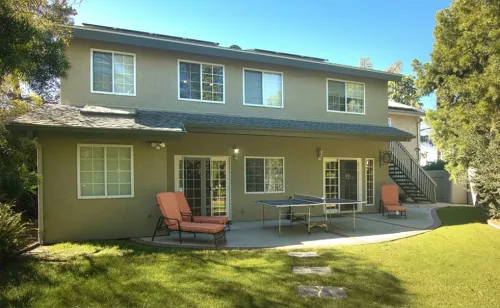
Hope Canyon provides residential addiction treatment at 2821 Lange Avenue in San Diego, California, within a wider program that includes assessment for detoxification, partial hospitalization, and continuing support. Its public information describes a small residential setting for adults, with treatment tailored to substance use, associated mental health concerns, and practical recovery goals. The location and phase matter when comparing an offer: an overnight residential admission, a daytime PHP schedule, and later recovery housing have different arrangements.
The California Department of Health Care Services record for San Diego Center for Recovery, LLC, application 370259AP, identifies six residential and detoxification treatment places at the Lange Avenue address, with a listed expiration of April 30, 2028. This supports the location and service category, rather than proving current vacancies or suitability for any particular person. Ask admissions to name the actual receiving program, its address, the care phase proposed, and the team responsible before making travel plans.
Assessment and choosing an appropriate starting point
The program describes support for alcohol and other substance-use concerns, including people with co-occurring mental health needs. Admission should establish whether the residence can manage the individual presentation, prescriptions, physical health, and required level of observation. A condition named on a provider page does not establish that every severity can be supported. Discuss previous treatment, current symptoms, and any recent changes with the clinical team so that the proposed setting reflects the person’s needs.
Hope Canyon’s detox information explicitly says that not every client requires detoxification. Where it is recommended, the provider describes assessment, monitoring, medical supervision, and medication when clinically indicated. Ask which professionals are physically present, which services are arranged externally, how prescribing is handled, and what happens if hospital care becomes necessary. The residential service should not be understood as an acute psychiatric hospital simply because a provider uses the broader term inpatient in its marketing.
Detoxification, residential care, and duration
The official detox page gives seven to ten days as a common reference while emphasizing that the actual course varies. That is a provider description, not a timetable that can be applied to everyone. Confirm whether detox is part of the proposed admission, where it takes place, and how a transition into residential therapy is decided. Medication, medical appointments, testing, and additional observation should be identified in both the clinical plan and the financial offer.
The residential page describes thirty-, sixty-, and ninety-day options, with the recommendation depending on individual circumstances. Recovery.com separately describes a sixty-day continuum that may involve different phases. Neither reference establishes that every client spends sixty nights at Lange Avenue. Ask for the initial residential dates, planned review points, extension arrangements, and any later daytime or housing phase. Clinical recommendations, room availability, and insurer authorization may each affect the agreed sequence and need separate confirmation.
Therapy and the daily treatment program
Hope Canyon lists individual, group, and family work alongside cognitive behavioral therapy, dialectical behavior therapy, motivational interviewing, trauma-informed work, and practical recovery education. The proposed plan should explain which approaches are relevant to the person and how they will be delivered. Ask for the weekly timetable, the expected number and length of individual appointments, group size, and clinician roles. A broad menu of therapies does not establish that every resident receives each one during the stay.
The provider also describes life-skills work, recreation, yoga, and optional faith-based programming. These activities can be discussed according to personal preferences and the clinical plan. Clarify whether faith-based participation is optional in the actual schedule and what alternatives are available. Distinguish psychotherapy, medical review, educational groups, structured activities, and free time when reviewing the timetable. That makes it easier to understand what the residential fee covers and how the program fits daily practical needs.
Family involvement and communication
Family therapy is included in the provider’s description of individualized treatment, alongside work on relationships and preparation for life after residential care. Ask how participation is assessed, who may attend, whether sessions can be remote, and how many appointments are anticipated. Family education, ordinary updates, and clinician-led therapy are different forms of contact. If family work is a major reason for choosing the program, have the proposed arrangements and any additional fees explained before admission.
Agree on a communication plan that respects the resident’s preferences and the program’s clinical processes. Families should know whom to contact, when ordinary updates can be expected, and how questions will be handled. Ask about phone and internet access, visitors, personal belongings, and any restrictions during initial stabilization. Where relatives live outside San Diego, travel and accommodation should be planned separately from treatment. Do not assume that access to clinical information or visits is unrestricted throughout the stay.
Bedrooms, bathrooms, meals, and shared living
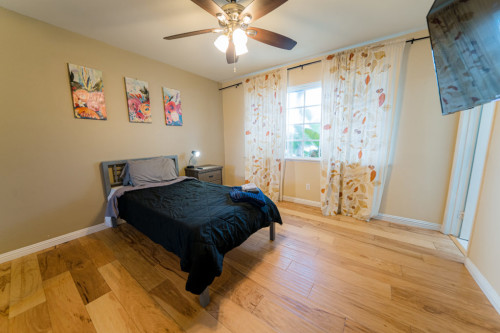
The official amenities page describes furnished private bedrooms, while specifying that bathrooms may be private or semi-private and shared with another room. A private bedroom therefore does not automatically mean an ensuite bathroom. Confirm the assigned room, bathroom arrangement, accessibility, storage, and any supplement for the proposed dates. The six-place state record describes treatment capacity rather than the number of rooms currently available. Photos illustrate the setting but do not reserve the room pictured.
Hope Canyon describes shared kitchens and communal living spaces, with residents participating in everyday cooking and cleaning as well as receiving chef-prepared or catered meals. Discuss dietary restrictions, allergies, meal schedules, laundry, and any assistance needed with daily activities. The advertised environment includes televisions, entertainment, study space, and organized social activities. Ask how those facilities are used during each care phase and whether there are rules affecting work, study, devices, rest, or time spent in shared areas.
Fitness and activities around San Diego
The amenities information describes fitness trainers visiting a few days per week, rather than promising daily personal training. Community outings may include parks, beaches, markets, picnics, or hiking according to the program. Ask which activities are currently scheduled, how they are supervised, and what alternatives exist for mobility, sensory, or physical-health needs. Participation may depend on the stage of treatment and individual suitability. Travel to an outing is different from unrestricted access to the surrounding community.
The provider’s broader amenities description says that some residences have pools. That statement does not establish a pool at the specific Lange Avenue home, so a pool should not be assumed when choosing this location. Ask for a current tour of the actual receiving residence and the facilities available during the proposed dates. If exercise, study space, outdoor access, or a particular dietary arrangement is important to the person, obtain the specific answer for that residence rather than relying on network-wide wording.
Partial hospitalization and later accommodation
Hope Canyon describes partial hospitalization as an outpatient level with structured treatment for approximately eight hours per day on most weekdays, followed by evenings and weekends outside the program. The hours describe the broader program day, not eight hours of individual therapy. PHP does not itself provide a twenty-four-hour residential stay. Confirm the current timetable, clinical address, attendance expectations, prescribing arrangements, and whether the plan requires the person to live at home or in separately arranged recovery housing.
Its continuing-care pages also discuss intensive outpatient and ordinary outpatient options, with different levels of structure. Ask which later services Hope Canyon directly operates, which are referrals, and where each appointment takes place. If recovery housing is proposed, identify the operator, address, room, supervision, house rules, transport, and rent. Combining housing with daytime treatment should not be treated as an extension of the same residential clinical service unless the written agreement clearly describes that arrangement.
Price evidence and insurance questions
Recovery.com lists an estimated US$1,500 daily cash-pay rate alongside a sixty-day reference for this profile. That is third-party price evidence, not a verified official tariff or a confirmed price for every phase of a sixty-day plan. The official pages reviewed do not publish a fixed numerical program fee. Ask for the actual dates and care levels covered by the quote instead of multiplying a secondary daily figure into an assumed full residential package.
The written offer should separate detoxification, residential nights, PHP attendance, accommodation, professional care, medications, tests, outside appointments, transport, and optional services. Clarify deposits, payment dates, additional-day charges, early departure, cancellation, and refunds. Hope Canyon invites insurance-benefit checks, but a listed insurer or initial benefits response does not establish final coverage. Verify the exact policy, network status, authorization, deductible, coinsurance, and separately billed services with the relevant parties before committing to an admission.
Continuing support and the admission decision
Hope Canyon says continuing-care planning begins early, with a therapist and case manager helping identify practical goals and next steps. Its alumni information describes a support hotline, an app and community group, scheduled alumni therapy, monthly activities, and possible mentoring arrangements. Ask which services are currently available, how to enroll, what must be scheduled, and whether any charges apply. An alumni support line is not a substitute for emergency care or a promise of unlimited individual clinical treatment.
The current provider pages publish 866-875-2550 as a contact number. Before accepting a place, request the receiving address, confirmed room, clinical acceptance, arrival instructions, medication requirements, financial agreement, and named contact. A useful discharge plan should identify the next appointments, prescription follow-up, records transfer, housing, and local support where the person will live. Compare Hope Canyon using that concrete plan and its small residential setting, private-bedroom arrangements, assessed care sequence, and clearly defined costs.
Sources and further comparison
Source review: October 20, 2026. Official provider overview and contact; Residential treatment and duration options; Detoxification and admission assessment; Rooms, bathrooms, meals, and activities; Partial hospitalization schedule; Continuing-care services; Alumni network; DHCS public facility record; Recovery.com secondary price and duration reference. Provider statements describe the advertised service; they do not establish an individual admission decision, current availability, or treatment outcome. Price evidence is identified separately from the provider’s own fee policy.
For a broader comparison, explore treatment options in the United States and read questions to ask a treatment center. Use the answers from the actual receiving team to compare the clinical plan, practical arrangements, and written financial terms.
Destinations
Conditions
Levels of care
Settings
Amenities
Program approach
Individual, group, and family therapy, CBT, DBT, motivational interviewing, trauma-informed work, recovery and life skills, optional faith-based programming, selected wellness activities and continuing-care planning
Fees & admissions
Estimated USD 1,500 / day
Recovery.com checked October 20, 2026 estimates USD 1,500/day alongside a sixty-day reference. This is not an official tariff or a confirmed full-course price. The actual sequence may include detoxification, residential care and separate daytime treatment or housing. Obtain the dates, care phases, room, professional services, medicines, tests, transport, later accommodation and all exclusions in a written quote.
Confirm the current program, duration, accommodation and included services directly with the center.
Clinical and financial review should identify the actual care sequence, receiving location, medical resources, medication arrangements, private room and bathroom, family contact, timetable, insurance authorization and complete written costs.