About Kemah Palms Recovery — Kemah
Kemah Palms Recovery: treatment south of Houston
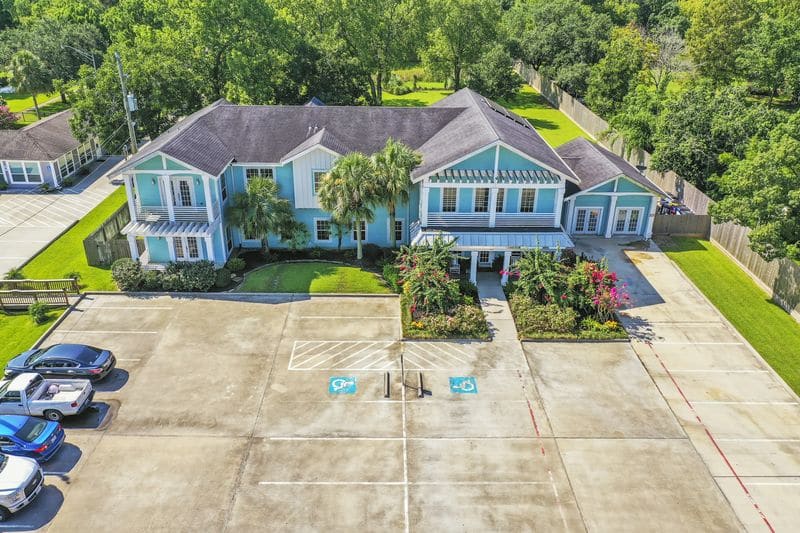
Kemah Palms Recovery is located at 1013 Delesandri Lane, Kemah, Texas 77565, as identified in its official contact information. Its main website describes medical detox, residential treatment, PHP, IOP, and continuing care. Although many program pages use Houston in their titles, the treatment address is Kemah. That distinction matters when planning travel, family contact, and attendance after a live-in stay. Ask admissions to identify the actual program, building, and clinical team proposed for you, especially if the inquiry concerns a particular stage or an adolescent rather than the main residential service.
Matching the program to current needs
The provider’s residential page describes a live-in program for substance use and co-occurring mental health needs. It uses residential and inpatient terminology for that setting. Ask the team to explain the medical resources available during the day and overnight, how psychiatric concerns are handled, and what circumstances require hospital care. Those details are more useful than the label alone. Give an accurate account of recent substance use, prescriptions, physical health, previous treatment, and the help you need with daily functioning so that the clinical assessment can address the actual situation.
A program advertising several levels of care should still make an individual recommendation. Ask why residential treatment, detox, or an outpatient starting point is proposed and what alternatives were considered. If an existing clinician is involved, discuss how records and relevant information can be shared with your permission. It is reasonable to ask which needs the program cannot meet and whether a referral elsewhere should come first. Clinical Recovery’s residential care guide can help you organize comparisons, while the assessing professionals determine the appropriate placement and the support required.
Detox and medication planning
Kemah Palms advertises medically managed withdrawal and continuous supervision, and its homepage says psychiatric staff are on site seven days a week. Ask for the current arrangements for your proposed admission, including who is physically present overnight, how a prescriber responds to changing symptoms, and how an urgent transfer would work. A seven-day service description does not necessarily mean every specialist is continuously on the premises. Clarify whether detox and residential treatment use the same room, how the transition is decided, and whether the expected length and quote include both stages.
Discuss all current medication before arrival, including prescriptions from other clinicians. Ask how the receiving team reviews the regimen, manages refills, and communicates proposed changes. A general description of medication-assisted treatment is not an individual medication plan, and it should not be used as a reason to alter a prescription without clinical advice. Also ask who will provide follow-up after the structured stay and whether an appointment can be confirmed before discharge. These practical arrangements help connect the first stage of care with the longer course, particularly when home is outside the Kemah area.
Therapeutic work and personal preferences
The residential page lists individual and family therapy, cognitive behavioral and dialectical behavior approaches, twelve-step programming, and experiential options including art, music, and equine activities. Ask which approaches the clinical team recommends for your goals, how frequently individual appointments occur, and who delivers specialist work. The presence of an activity on a website does not establish that it happens every week or is suitable for everyone. If an animal-based activity, spiritual approach, or group format concerns you, discuss that before admission and ask what alternatives or adjustments are available.
For mental health concerns alongside substance use, ask how psychiatric assessment, medication review, and therapy are coordinated. Describe the current severity of symptoms rather than relying only on the name of a past diagnosis. The program’s description of co-occurring care should lead to a plan that explains what will be addressed, who is responsible, and when additional resources might be needed. If you have previously attended treatment, explain what was useful and what remained unresolved. That information can support a more concrete discussion than simply choosing from the therapies listed online.
PHP and IOP: check the actual time commitment
The official PHP page describes daytime attendance at least five days weekly, with clients living elsewhere. Ask for the current daily hours, the receiving address, and whether accommodation is your responsibility or an optional separate arrangement. Someone moving from residential care should establish how transportation, meals, prescriptions, and evening support will work. A program that is less restrictive than living on site can still require a substantial weekly commitment. Compare the timetable with work, childcare, and travel before assuming you can immediately resume all previous responsibilities.
The provider’s adult IOP information describes a typical schedule of five days weekly for approximately four to six hours daily, while also saying plans are individualized. That is a substantial published time commitment and should be confirmed directly rather than replaced with a generic assumption that IOP means a few evening sessions. Ask which timetable applies to you, what appointments are additional, and how attendance changes as the plan develops. Also clarify the distinction between the program called IOP and the separate PHP recommendation, including the clinical and insurance requirements for each.
The adolescent service is a separate outpatient pathway
Kemah Palms also publishes a dedicated adolescent PHP and IOP page. It describes PHP from 4 p.m. to 8 p.m. on weekdays and IOP from 5 p.m. to 8 p.m. on Monday, Wednesday, and Friday. The page discusses family involvement, psychiatric review, and educational support. These descriptions should not be taken as evidence that adolescents are admitted to the adult residential program. Ask about the current age criteria, the precise treatment location, school coordination, and which service is suitable for the young person’s needs.
For a family considering the adolescent program, compare the proposed schedule with school, transport, and a parent’s availability to participate. Ask how the team communicates with the young person, how parents are involved, and which matters can be discussed privately in therapy. Clarify what educational support means in practice; a daily education component about substance use is not automatically a replacement for the student’s academic classes. If a higher level of support is needed, ask how the program assesses that need and arranges an appropriate referral, instead of assuming the outpatient schedule is sufficient for every presentation.
Accommodation and everyday arrangements
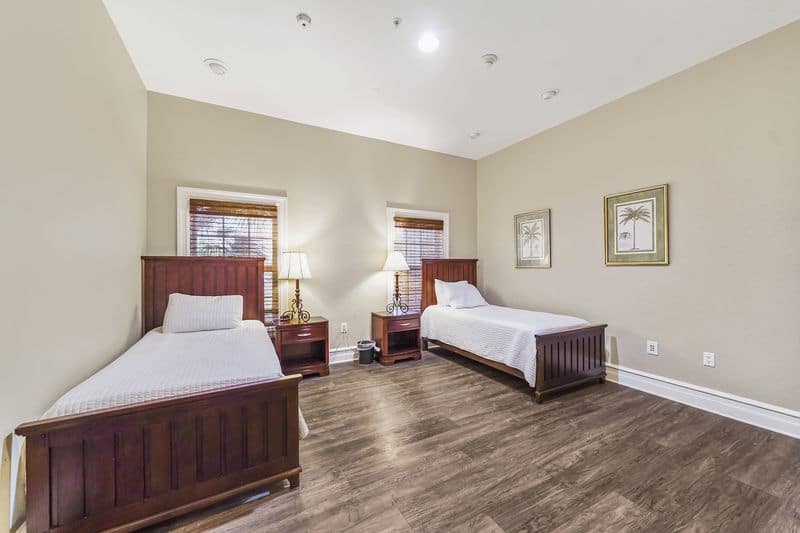
Recovery.com’s exact-campus profile describes private or shared room options, outdoor areas, and recreational amenities. Confirm the actual room being offered, the bathroom arrangement, and whether availability changes between detox and residential treatment. A private setting on a website does not necessarily mean a private bedroom. Discuss sleep, accessibility, bathing, allergies, diet, and any equipment you use before the admission is accepted. If a particular accommodation is essential to your participation, request a specific response rather than relying on a general description of comfort or luxury.
Ask for a current example of a residential week, including clinical sessions, meals, rest, recreation, and contact with home. If outdoor or equine activities are important to your decision, establish whether they occur on the property, require transport, or depend on weather and staffing. The schedule should also explain what happens at weekends and how someone can seek help outside an appointment. These details can make it easier to prepare for a live-in stay and to identify a practical difficulty before arrival. They should be considered alongside clinical suitability rather than used as evidence of treatment effectiveness.
Family involvement and realistic support
The provider encourages family involvement when clinically appropriate. Ask how sessions are arranged for the particular program, whether chosen supporters can participate remotely, and how consent and information sharing are handled. An adult’s family role in payment or transport should be distinguished from access to clinical discussions. If relationships are complicated or unsafe, ask to discuss that privately during assessment. Family work is most useful when its purpose is clear, such as planning a return-home arrangement, improving communication, or establishing boundaries around practical responsibilities after the residential stage ends.
Before entering a structured program, agree on who will handle necessary responsibilities at home and what contact they should expect. Ask about phones, other devices, visits, and the staff contact for urgent logistical questions. A clear plan can reduce avoidable interruptions while still respecting the responsibilities that continue during treatment. For someone stepping down to outpatient care, revisit those arrangements when the timetable changes. The transition may allow more independence while still requiring significant appointments, transport, and recovery-related activities that need to be coordinated with everyday life.
Costs, insurance, and the admission call
If accreditation is part of your comparison, review the provider’s credentials page carefully. It lists the Joint Commission alongside the Texas Association of Addiction Professionals, which it describes as a professional organization. Those references serve different purposes. Ask for the current license and any accreditation covering the exact service you are considering, including the adolescent program when relevant. An organizational affiliation alone does not establish the scope, current status, or clinical resources of every program advertised under the same name.
Recovery.com displays an estimated USD 24,500 figure for Kemah Palms, checked here on October 20, 2026, but the price field does not state a fee period. Its separate 30-day program description cannot establish a monthly or 30-day tariff. This profile therefore leaves the numeric rate unconfirmed and directs readers to a current provider quotation. Ask the financial team to identify the proposed clinical stages, duration, room, and included services, together with charges for medication, testing, transport, outside appointments, or an extension. Each later outpatient or housing arrangement should also have clear terms.
The current prominently displayed official number is 844-601-1986; the site also uses another number on some program pages. Start with the main contact and confirm you are discussing Kemah Palms at the Delesandri Lane address. Ask both the provider and insurer about network status, authorization, deductible, coinsurance, and the exact level being approved. Obtain payment and refund terms in writing. Before choosing among United States treatment options, make sure the clinical recommendation, actual timetable, accommodation, cost, and next-stage arrangements form a plan you can realistically follow.
Destinations
Conditions
Levels of care
Settings
Program approach
Individual/groups, CBT/DBT, co-occurring psychiatric support, family work, twelve-step programming and provider-described creative/equine activities
Fees & admissions
Confirm current pricing
Recovery.com checked 2026-10-20 lists USD 24,500 with no fee-specific period. Separate 30-day program length cannot establish a monthly or 30-day tariff. Numeric rate cleared pending provider quote for exact stages, room, duration and inclusions.
Confirm the current program, duration, accommodation and included services directly with the center.
Clinical and medication/withdrawal assessment, exact age/program fit and timetable, room, benefits and written quote; adolescent eligibility and school coordination confirmed separately