Care at Liberty House Clinic — Luton
Liberty House Clinic in Luton
Liberty House Clinic is a 20-bed residential addiction treatment service in Luton, Bedfordshire, within the UKAT network. It combines withdrawal support, individual and group therapy, family involvement, and a year of aftercare for people completing treatment. The current provider website describes a quiet residential setting with private and shared room options, gardens, and a therapeutic program built around CBT, DBT, 12-step principles, and trauma-informed work. Its size and communal environment may suit someone seeking a structured period away from everyday pressures, while still having a relatively small resident group.
An important part of evaluating Liberty House is understanding its specific regulatory record. The Care Quality Commission page for the service at 220 Old Bedford Road displays Good overall, with Safe rated Requires improvement. The report was published November 17, 2025. Both ratings belong in a balanced description: an overall Good rating should not be presented as if every assessed area received the same result. The public record provides relevant context for questions about current admission screening, medical oversight, and emergency arrangements.
What the inspection found and what to clarify
The latest CQC summary describes concerns at the August 2025 assessment about admission-risk criteria, access to an in-person prescriber, and aspects of emergency preparedness and medicines management. It also records remedial steps after inspection, including making emergency equipment and naloxone accessible, replacing broken appliances, and arranging safer medication disposal. These are dated findings, not a statement that every concern necessarily remains unchanged today. The reviewed public material does not establish that all issues have subsequently been independently reassessed and resolved, so current arrangements should be confirmed directly before an admission.
The practical questions arising from that record are specific. Ask how Liberty House now assesses whether a person’s withdrawal risk is within its capabilities, when the admitting patient sees a prescriber, and which clinicians review them during the stay. Request an explanation of overnight cover and the process for obtaining urgent medical help. The provider currently advertises a doctor on call around the clock; that arrangement is different from a physician being physically present at all times. A written description of the proposed medical plan is more informative than a general assurance of 24-hour support.
Withdrawal support and admission assessment
Liberty House’s admissions page says medical practitioners assess treatment needs, review existing medication, and prescribe a detox regimen if required. The care plan is then monitored and reviewed during the admission. The first day is intended to be straightforward, with a welcome, room allocation, and orientation before the person is expected to absorb the full program. This can be helpful when someone arrives distressed or physically unwell. It remains important to provide an accurate substance use history, previous withdrawal complications, current prescriptions, and relevant medical records before the admission is finalized.
The service is described by CQC as providing medically monitored detoxification. This profile therefore does not treat it as an unrestricted hospital detox unit. Some provider pages use broader medical language, but the level of observation and treatment available for an individual should be explained by the responsible clinician. A history of complicated withdrawal, a significant physical illness, or unstable psychiatric symptoms may change the appropriate setting. The purpose of screening is to determine where treatment can be delivered appropriately, including referral elsewhere when a person’s needs exceed the clinic’s available support.
The detox information links withdrawal support with a subsequent rehabilitation program and aftercare. That sequence matters because completing withdrawal is only one part of the service’s intended treatment pathway. The proposed stay should distinguish time devoted to stabilization from the period available for psychological work and discharge planning. A quoted number of nights does not necessarily describe the amount of therapy a person can engage in while unwell. The admissions discussion should also establish how the plan changes if stabilization takes longer than expected.
How the therapy program is structured
Liberty House publishes a mixture of one-to-one counseling, facilitated groups, cognitive behavioral therapy, motivational interviewing, family work, and 12-step facilitation. Its homepage also identifies dialectical behavior therapy and trauma-informed practice. These approaches address different parts of recovery: examining unhelpful thought and behavior patterns, exploring motivation for change, managing emotional distress, and developing support outside treatment. The program overview presents them as components of an individualized residential plan. A prospective resident should ask which methods their therapist expects to use and what goals those methods are intended to address.
The provider describes daily facilitated groups and private therapy within the same program. Group sessions can provide opportunities to practice communication, hear other perspectives, and discuss situations that may be difficult after returning home. Individual sessions allow more personal work on issues that may not be appropriate for a group. The current pages do not establish a universal entitlement to a fixed number of private therapy hours every week. That detail should be included in the treatment proposal, along with the therapist’s role, review schedule, and arrangements for adapting the plan as needs change.
Liberty House’s 12-step component introduces the framework and fellowship meetings as part of building a recovery community. Its wider therapy offer also includes psychodynamic work, which explores patterns in relationships and emotional experience, and trauma-informed approaches that consider the effect of difficult past events. These descriptions should not be taken as a requirement that every resident disclose or process trauma in the same way. The useful distinction is between a program that recognizes trauma-related needs and a specific trauma-processing intervention selected after assessment. The individual therapist can explain the proposed method and pacing.
Complementary activities listed by the provider include art, music, mindfulness, meditation, yoga, and nutritional support. These can add variety to residential life and help residents explore forms of expression or routine alongside counseling. They should be understood as parts of the overall program rather than proof that a particular activity treats every addiction or mental health condition. The published range does not mean each activity runs on every day of every admission. Confirm the current timetable, accessibility, and whether any activity is optional or carries a separate charge.
The current therapy team
The team page identifies Annabel Turner as lead therapist and describes an integrative approach informed by trauma-focused practice, domestic abuse services, behavior change, and group work. Mickey Jianu’s profile describes CBT, DBT, and person-centered therapy. Taylor Elizabeth is described as drawing on person-centered, CBT, and psychodynamic approaches, while Geanina Grecu is listed as a part-time therapist with experience in substance use and related emotional difficulties. These are provider-published professional descriptions; they are not an independent verification of every credential or a guarantee of assignment to a particular therapist.
The team descriptions suggest a range of therapeutic perspectives within the clinic. For someone whose difficulties involve relationships, shame, grief, or trauma alongside substance use, the value lies in how that experience is applied to their actual plan. The admissions process should identify the principal therapist and explain how medical and psychological concerns are coordinated. A named clinical contact also helps families and referring professionals know where to direct relevant information, subject to consent. Administrative staff, support workers, therapists, and prescribers have different responsibilities, and their roles should be clear from the start.
Rooms, gardens, and practical arrangements
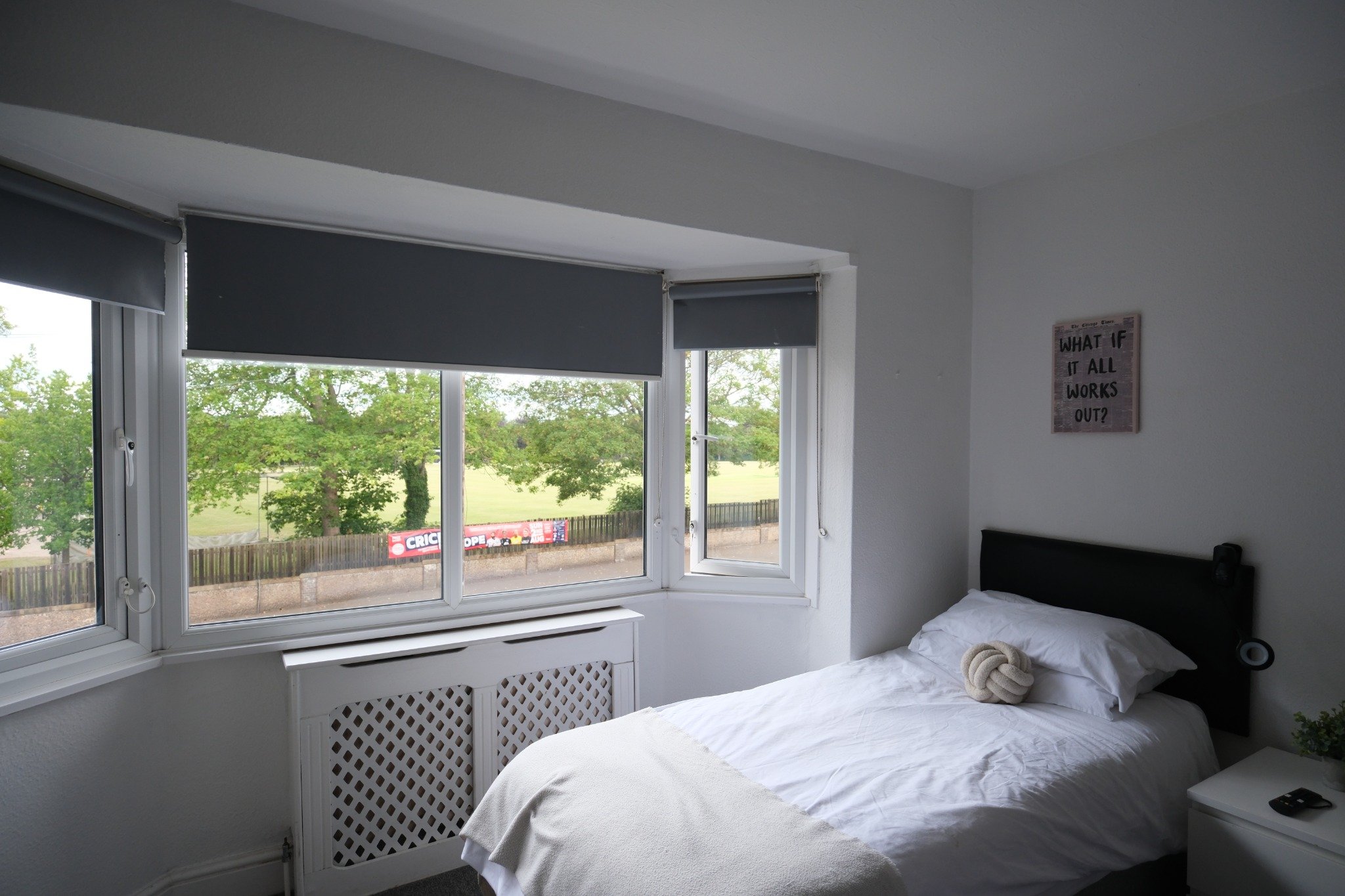
The facilities description confirms both shared and private bedrooms, communal living areas, and meals prepared by an in-house chef. It also describes lift access, which may assist people with reduced mobility. A private-room option should not be interpreted as a guarantee of a private bathroom or sole occupancy unless that is confirmed for the booking. Room allocation, bathroom sharing, and any accessibility needs should be discussed explicitly. The admissions page says dietary requirements and allergies can be accommodated, making advance communication with the team particularly useful.
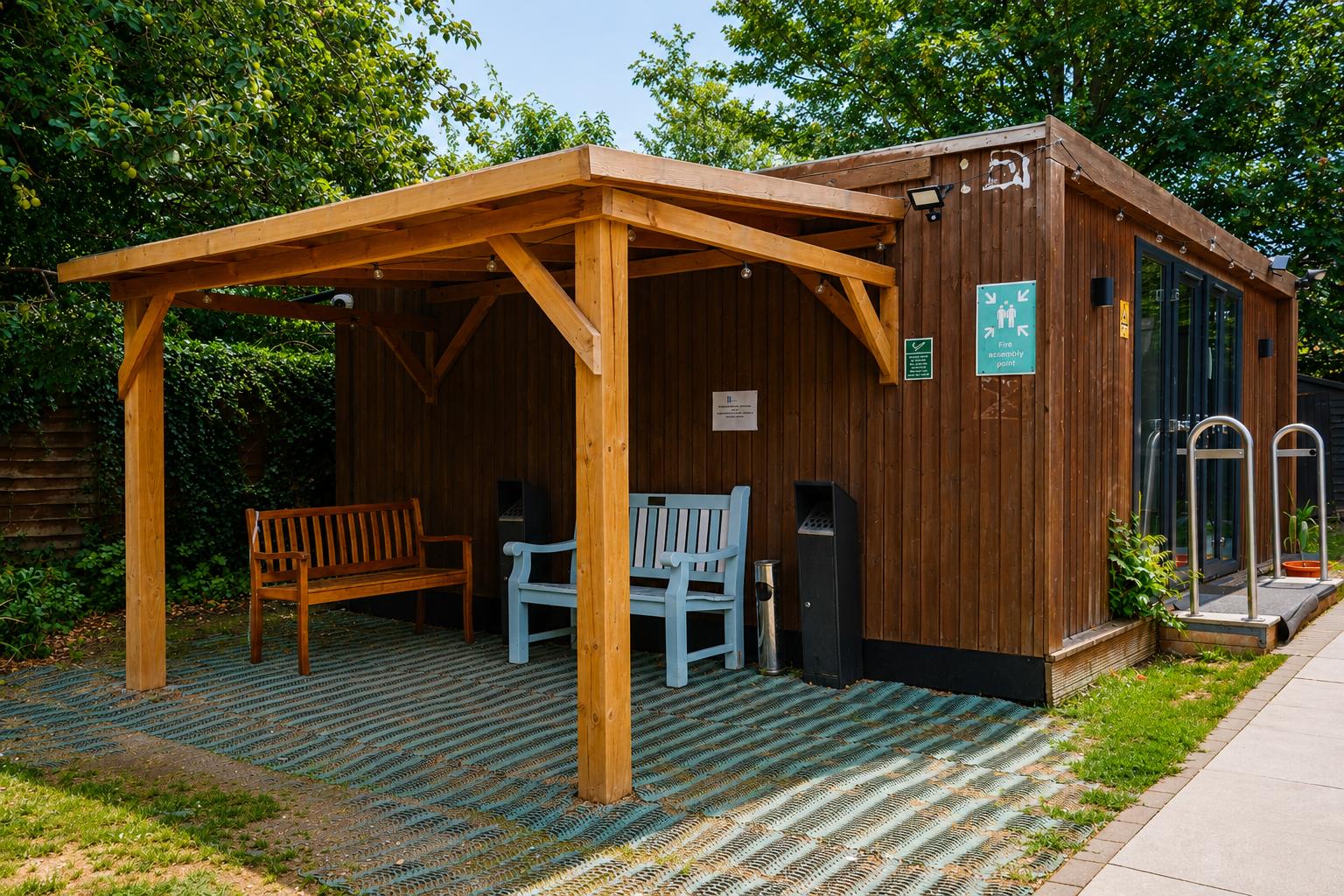
The gardens contain therapy pods, giving the program additional spaces outside the main building. Liberty House also has a vegetable and herb garden where residents can help care for plants; the provider says herbs may be used in meals prepared by the chef. That is a specific example of an everyday activity connecting effort, routine, and the shared living environment. Outdoor spaces and scheduled walks provide a change of setting, but participation should reflect the person’s health and treatment plan. The availability of gardens does not establish that independent trips away from the clinic are unrestricted.
Family participation and the return home
The family-support program addresses the effects of addiction on relatives as well as on the resident. It describes education, boundaries, communication, self-care, and preparation for life after treatment. Specialist-led conjoint sessions give family members and the person in recovery a setting to discuss how relationships have been affected. Participation should be agreed with the treatment team and reflect consent, safety, and the goals of the session. The public description does not establish that all relatives attend automatically or that a particular family timetable applies to every admission.
Liberty House’s specific aftercare offer is one year of free weekly group therapy for people completing treatment. The page describes facilitation by a therapist with whom the person developed a connection during the stay. Alumni participation is a separate way to remain connected with the wider UKAT community. Neither should be interpreted as unlimited individual psychotherapy or continuous medical monitoring. Before discharge, confirm how the groups are accessed, when they meet, and which clinician will handle any ongoing prescription or psychiatric care.
Timing, fees, and deciding whether the clinic fits
The homepage advertises admission commonly within 24–48 hours, with faster arrangements possible when appropriate. Availability depends on assessment and a suitable place. No current numeric tariff for a defined Liberty House stay was verified in the official pages reviewed, so request a quotation specifying duration, room type, detox support, therapy, medication, and any separate charges. The provider says it is recognized by Bupa and AXA, but a patient’s own policy still needs authorization and a clear statement of what is covered. Recognition alone does not determine an individual’s out-of-pocket cost.
Liberty House may be worth comparing for its small residential community, broad counseling approach, family involvement, and defined aftercare offer. The decision should also incorporate its current regulatory record and a clear explanation of present medical arrangements. A useful proposal will connect the person’s assessed needs with named responsibilities, a realistic therapeutic schedule, and an onward-care plan. When reviewing other treatment providers, compare those practical details alongside accommodation and price. This gives both the person seeking treatment and their supporters a firmer basis for choosing an appropriate level of care.
Checked October 20, 2026 using official Liberty House pages and the CQC record for Liberty House Clinic Limited, Luton. The CQC report published November 17, 2025 rates the service Good overall and Requires improvement for Safe. The profile distinguishes dated inspection findings, recorded remedial steps, and current provider descriptions.
Conditions
Levels of care
Amenities
Treatment approach
CBT, DBT-related skills, motivational interviewing, 12-step facilitation, individual and group therapy, psychodynamic and trauma-informed work, family support, and complementary activities
Fees & admissions
Confirm current pricing
No current numeric tariff verified in reviewed official pages. Request duration-specific fees, room and medication inclusions, and individual Bupa/AXA authorization where applicable. One year of weekly group aftercare is advertised for people completing treatment.
Confirm the current program, duration, accommodation and included services directly with the center.
Individual medical and psychological assessment. Confirm current withdrawal-risk criteria, in-person prescriber access, clinical reviews, and emergency arrangements in light of the dated CQC findings. Doctor on-call coverage is not continuous on-site physician presence.