Care at Lindner Center of Hope — Sibcy House, Mason
Assessment and residential treatment at Sibcy House
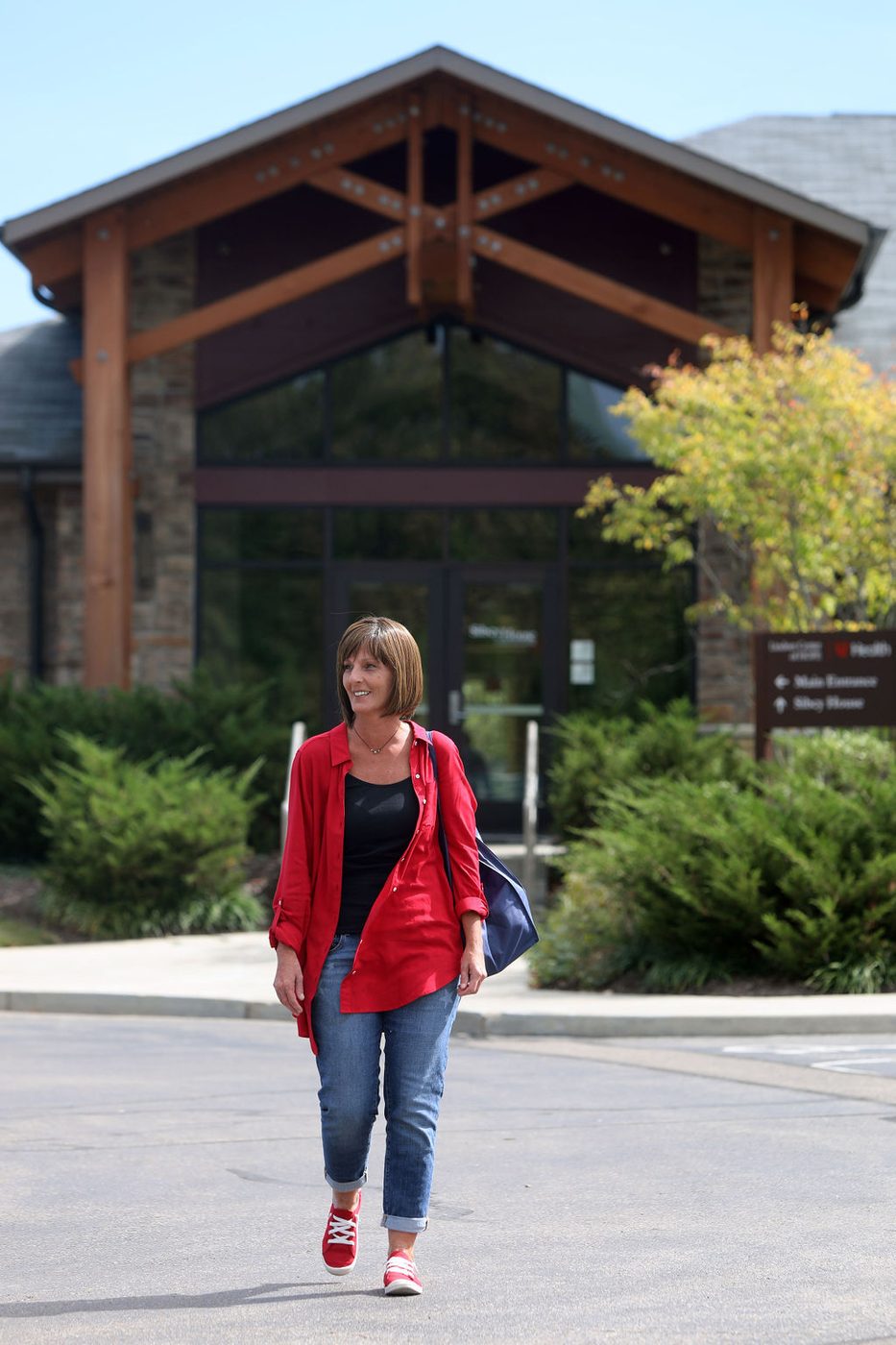
Sibcy House is Lindner Center of Hope’s adult residential program in Mason, Ohio. It serves people eighteen and older with complex mental health, addiction, or co-occurring concerns, including situations in which previous care has not provided a clear understanding of the problem. The current program combines assessment, a foundational therapeutic schedule, and more specialized treatment pathways. Its location on Lindner’s wooded campus gives residents access to clinical and recreational resources, while the specific residential agreement determines the services and duration included in an admission.
The official program overview describes an initial period of assessment and stabilization followed by an individualized schedule. A comprehensive diagnostic assessment is one available pathway, but the published admission contract also distinguishes treatment without that full assessment package. This matters when comparing fees or arranging care after an evaluation elsewhere. The admission team should establish which program is appropriate and what information or testing is needed, rather than assuming that every resident must purchase an identical diagnostic package.
The comprehensive diagnostic assessment
The Comprehensive Diagnostic Assessment, or CDA, is usually completed over about ten days. The provider describes psychiatric and medication evaluation, psychological and neuropsychological testing, a structured clinical interview, and assessment of neurodivergence or autism where relevant. The wider process considers addiction, physical health, nutrition, daily functioning, and the person’s social circumstances. These areas contribute different information about the difficulties the resident is experiencing. The purpose is to develop a useful clinical understanding and recommendations, rather than simply add more labels to a complicated treatment history.
The program describes a feedback meeting around the seventh day, with the option of involving family, existing clinicians, or other trusted people. A written report brings together the findings from the different disciplines. The timing should be understood as part of the assessment process rather than a guarantee that every clinical question will be resolved on one date. Some residents leave after assessment with recommendations for care elsewhere; others remain for treatment. That next step should follow the findings and the resident’s circumstances, not an assumption that a longer stay is always required.
Foundations before more specialized work
The current treatment model begins with Foundations, a combination of groups and individual work intended to support stability, insight, and readiness. The provider says a personalized schedule is commonly established around seven to ten days into the stay. Clinical groups run on weekdays from 9 a.m. to 4:30 p.m., with other activities outside those hours. A resident may remain in foundational work longer when that is clinically appropriate. The schedule is therefore meant to develop from the assessment rather than assign every person immediately to the same specialist track.
Specialized pathways can then address mood stability, trauma, anxiety and OCD, mania, psychosis, addiction, or particular patterns of emotional and behavioral control. Some Foundations groups continue alongside pathway work. This allows the team to adjust the balance as needs become clearer. The relevant question is which part of the plan addresses the person’s main difficulty and how that work will be reviewed. A list of pathways is not a promise that everyone receives all of them or that a resident must progress through each in a fixed order.
Anxiety, OCD, and different patterns of control
The anxiety and OCD pathway has two approaches. An exposure and response prevention track addresses intrusive thoughts, rituals, compulsions, and avoidance, with weekly individual work with a psychologist described by the provider. A general anxiety track uses acceptance and commitment therapy to support flexibility and action consistent with the person’s values. These approaches can overlap, but the choice should reflect the assessment. The distinction is useful for someone comparing a specifically structured OCD intervention with broader support for anxiety.
The overcontrol pathway uses radically open dialectical behavior therapy. It focuses on patterns such as rigidity, inhibited expression, harsh self-criticism, and difficulty connecting with others. The published model includes individual work and skills groups that encourage greater openness and flexibility. This is different from assuming that all distress is caused by a lack of self-control. The team should explain how the proposed approach fits the person’s actual pattern and how practice in ordinary interactions supports the clinical work.
The undercontrol pathway uses dialectical behavior therapy for difficulties involving intense emotions, impulsive reactions, and unstable relationships. Its skill areas include mindfulness, distress tolerance, emotion regulation, and interpersonal effectiveness. The goal is to connect those skills with situations the resident encounters, including during daily life on the unit. The existence of both DBT and RO-DBT pathways is a meaningful program distinction: the assessment should guide which approach is appropriate rather than treating the two names as interchangeable.
The team and support between appointments
Sibcy House describes an attending provider responsible for psychiatric care and medication review, a therapist who provides individual treatment and serves as the main family contact, and a care coordinator who organizes discharge planning. Behavioral health coaches help residents practice skills outside formal sessions. The unit is staffed around the clock by registered nurses and mental health specialists. These roles provide different kinds of contact, so a proposed schedule should distinguish individual psychotherapy, medical appointments, coaching, groups, and routine nursing support.
The program also offers expressive, music, nutrition, recreational, and spiritual-wellness activities. A pharmacist-led group discusses psychiatric medicines, interactions, side effects, and practical questions. These elements can help residents understand their treatment and develop routines they can use after discharge. Spiritual activities are described as inclusive of different beliefs rather than a requirement to adopt a particular faith. The individual schedule should make clear which activities are clinically recommended, which are optional, and how they fit alongside the resident’s main treatment priorities.
Private rooms and daily life on the Mason campus
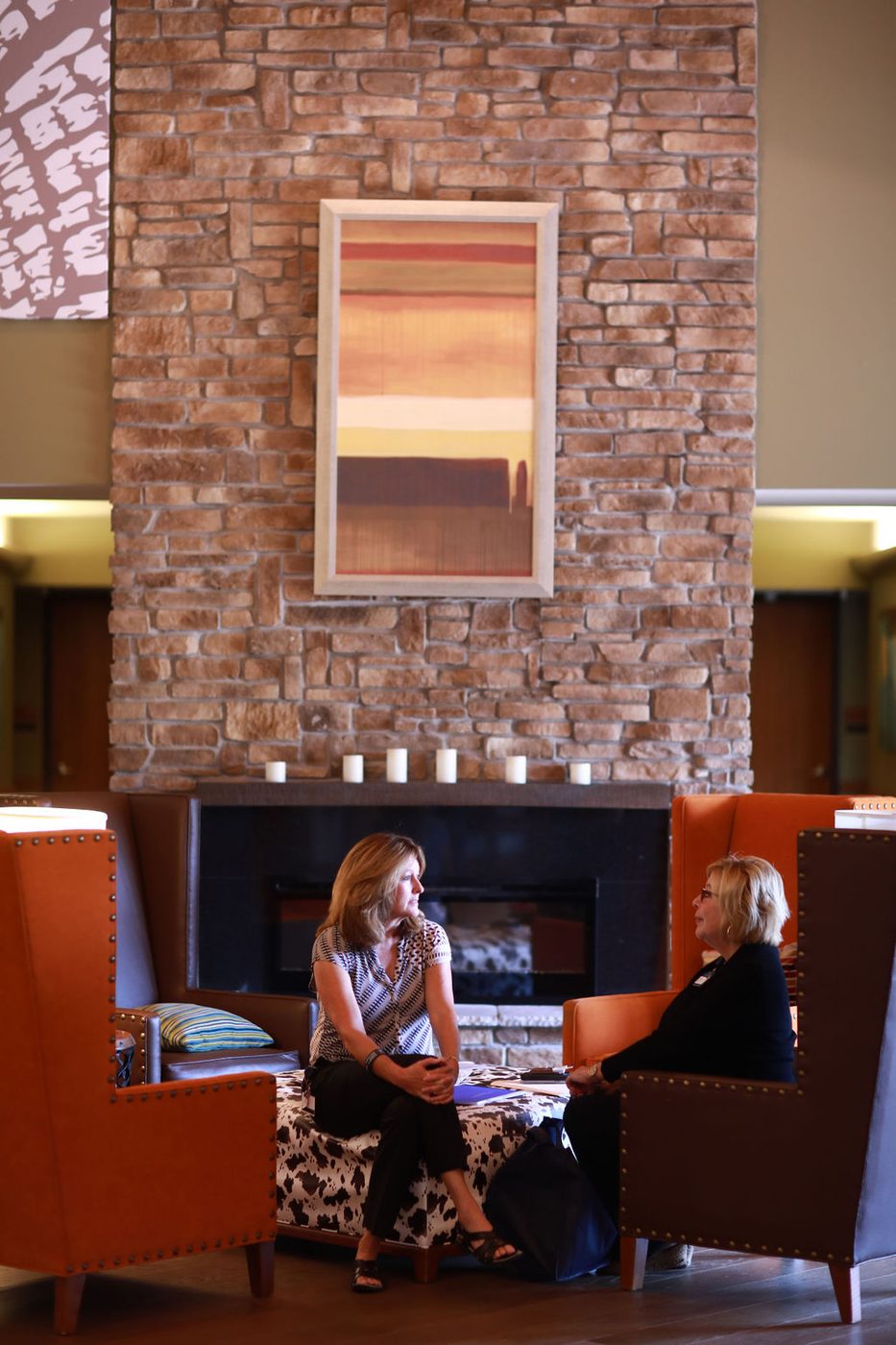
The provider describes private rooms on a secure residential unit within a fifty-four-acre wooded campus. The published contracts distinguish standard accommodation from a higher-priced suite option. A private room should not be assumed to include every feature of a suite; the actual accommodation can be confirmed during admission. Meals offer multiple daily selections, and the program includes access to an on-site gym. Saturday activities may include use of the Mason Community Center, while weekends also provide time for psychoeducation, recreation, and approved therapeutic outings.
Current visiting guidance allows up to two visitors at a time for up to two hours, arranged at least twenty-four hours in advance. The program publishes evening visiting hours on weekdays and a longer window at weekends. These arrangements should be confirmed for the stay, especially when relatives are traveling from outside Ohio. Visits and approved time away from the unit are part of an agreed clinical plan, rather than unrestricted access based solely on the residential fee.
Initial program fees are different from extension rates
The official May 2026 admission contract, checked October 20, 2026, lists initial treatment without the full CDA at US$55,000 for twenty-eight days, or US$57,000 for a suite. Combined comprehensive assessment and treatment, for up to twenty-eight days, is US$69,650 or US$71,650 for a suite. These are different admission products, not competing descriptions of one identical package. The headline fee should therefore be read with the exact program attached to it.
The same contract lists an assessment-only option of up to ten days at US$35,000, or US$37,000 for a suite, and a ten-day detoxification or stabilization program at US$25,600, or US$27,600 for a suite. A lower price for a shorter or different service should not be treated as the cost of a complete twenty-eight-day treatment admission. The clinical team should identify which option is appropriate, including whether medical needs may affect the timing or completion of assessment activities.
The separate extension contract lists a twenty-eight-day continuation at US$49,500, or US$51,500 for a suite. Weekly continuation is US$13,500 or US$15,500, while individual extension days are US$1,925 or US$2,025. These continuation rates are not initial-admission prices. The agreement also distinguishes a transition week involving psychological testing from an ordinary extension. The appropriate comparison is the actual combination of services and dates approved for the resident, rather than a reconstructed monthly tariff.
Inclusions, exclusions, and payment responsibilities
The contracts include room and board, residential services, individual and group therapy, physician and laboratory services, nutritional care, and medicines on the program’s formulary. Certain brain imaging or EEG services are included when clinically indicated, with exceptions for transitional-week services. Separately billed items include external consultations, emergency-department visits, ECT, TMS, esketamine, non-formulary medicines, and other specified services. A medication or intervention appearing within Lindner’s broader range of care does not automatically make it part of the residential package.
The published terms require payment before admission and before additional services begin. They also describe an extra US$600 daily charge when higher acuity or risk requires additional staffing, and state that program fees are non-refundable. A medically necessary hospital admission is a separate episode with its own billing arrangements; the residential contract describes how prepaid days are handled during an interruption. These terms should be reviewed in the actual agreement, particularly when the person’s needs may change during assessment. Sibcy House is presented as an elective self-pay service, with any insurance assistance subject to separate arrangements.
Planning the next stage of care
The program’s current overview supports stays extending up to ninety days for residents continuing to use the treatment plan, but the appropriate length remains individualized. The therapist and care coordinator can work with the resident, family, and outside clinicians to turn assessment findings into a practical next step. That may involve continued residential work or care elsewhere. The plan should identify follow-up appointments, medication responsibility, and the supports needed for daily functioning after leaving the unit.
The residential admissions number published on the program pages and contracts is +1 513-536-0537. A useful inquiry begins with the person’s needs and previous treatment, then confirms the exact assessment or treatment option, room type, costs, and transition arrangements. Readers evaluating other locations can explore treatment providers in the United States. Sibcy House’s main distinctions are its assessment-led planning, Foundations structure, differentiated specialist pathways, and clearly separated admission and extension contracts.
Conditions
Levels of care
Settings
Amenities
Treatment approach
Psychiatric and diagnostic assessment, individual therapy, Foundations groups, ERP or ACT for anxiety/OCD, DBT for undercontrol, RO-DBT for overcontrol, mood/trauma/psychosis/addiction pathways, skills coaching, nursing, wellness and discharge coordination
Fees & admissions
USD 55,000–57,000 / program
Official May 2026 contract checked October 20, 2026: initial treatment without CDA is USD 55,000 for twenty-eight days, or USD 57,000 in a suite. Combined assessment/treatment up to twenty-eight days is USD 69,650 or USD 71,650. Assessment-only, detox/stabilization and continuation have separate rates. Additional acuity staffing costs USD 600/day when required. Formulary medicines and core services are included; external care, specified procedures, non-formulary medicines and other listed services are extra. Full payment precedes care and the contract states fees are non-refundable.
Confirm the current program, duration, accommodation and included services directly with the center.
Discuss clinical needs, current records and the exact assessment or treatment option. Confirm standard room versus suite, the agreed dates, additional staffing or external-care charges, self-pay contract terms, family participation and the intended next stage of care.