Care at Miracles Asia — Phuket
Miracles Asia in Phuket
Miracles Asia is a small residential addiction treatment provider in the Paklok area of northeastern Phuket, Thailand. It serves adults seeking help with alcohol, drugs, behavioral addictions, and related mental health concerns. The setting is away from the island’s main nightlife districts, with private bedrooms and shared therapeutic spaces. The program combines clinical work, recovery education, peer contact, and activities outside the property. It is a structured treatment placement rather than a holiday package, even though hospitality and the tropical environment are prominent in the presentation.
The provider’s current website says it is licensed by Thailand’s Ministry of Public Health and includes sixty days of individual aftercare following residential treatment. Those are provider statements; this review did not independently verify the license against a Thai regulator’s register. The current Thai contact number displayed by Miracles Asia is +66 2 544 0406. The clinical assessment, exact program, and financial agreement should all be established before travel rather than inferred from the availability of a room.
Clinical focus and the size of the program
The residential program brings together individual therapy, psychiatric support when appropriate, daily education, group meetings, recovery planning, and health-related activities. It describes at least two one-hour individual therapy sessions each week. This is more specific than the homepage’s broader statement about up to three hours of one-to-one contact with the clinical team in a day. Different types of contact can include different professionals and purposes; the larger figure should not be read as a guarantee of three hours of private psychotherapy every day.
A useful treatment plan identifies the principal difficulties being addressed, the methods proposed, and the clinician responsible for reviewing progress. A person may arrive with a previous diagnosis, an established therapist, or a medicine regimen that needs review. These should be discussed during screening so that the team can decide whether the residential setting is suitable. Support for co-occurring difficulties does not mean every psychiatric presentation can be managed on site or that a general addiction program substitutes for specialist hospital treatment when that is required.
The provider’s frequently asked questions state that the residential cohort is limited to fifteen people. A smaller group may influence the social atmosphere and opportunities to know the team, but it does not by itself establish a staffing ratio or a guaranteed appointment frequency. Ask which members of the team are assigned to the admission and how the week is organized. A representative schedule can show how individual work, group sessions, medical appointments, and personal time fit together.
The clinical team and treatment methods
The current team page identifies Joseph Costello, MA, MSW, LCSW, as clinical director and Chad Wheeler, MSW, as associate clinical director. It also describes therapist Kane Duffy’s postgraduate cognitive behavioral therapy training and training in EMDR and cognitive processing therapy. These biographies give more useful detail than a general claim of an “international team.” They remain provider-published credentials and do not mean every resident receives every named method or is personally treated by each senior clinician.
For someone whose substance use is connected with traumatic experiences, the relevant discussion is how trauma work will be paced and integrated with stabilization and recovery skills. For another person, the initial priority may be understanding patterns of use, rebuilding daily routines, or preparing for familiar triggers at home. The plan should connect the chosen method with the person’s goals. Ask how the individual therapist and other team members share relevant information, with consent, so that appointments form a coherent course of care.
Miracles Asia also describes daily psychoeducation and recovery meetings, with international speakers participating remotely and opportunities to attend local mutual-help meetings. These activities provide different kinds of learning and contact. Educational groups explain concepts and coping strategies, while a peer speaker shares personal experience. Neither should be confused with a private clinical assessment. Someone with a preference for a particular recovery framework can ask how Twelve Step elements are used and what other forms of support are included in the personal plan.
On-site detox and access to hospital care
The detox information says the clinical team can manage some withdrawal needs on site, with medication and monitoring as appropriate. More severe symptoms or a need for greater medical support may require a stay at a partner private hospital. This corrects an overly simple description of Miracles Asia as offering only off-site detox. It also avoids the opposite assumption that the residential facility can manage every withdrawal complication. The proposed setting should be decided from the person’s current symptoms and history.
The facilities page states that a registered nurse is available on site around the clock. The exact arrangements for medical review, prescribing, and transfer should still be explained for the individual admission. A person with a history of complicated withdrawal should discuss that before booking flights. If an outside hospital stay is anticipated, establish where it will occur, who coordinates the return to Miracles Asia, and how the additional charges will be handled. The hospital and residential portions should appear clearly in the agreed care and payment plan.
Bedrooms, shared spaces, and life on the property
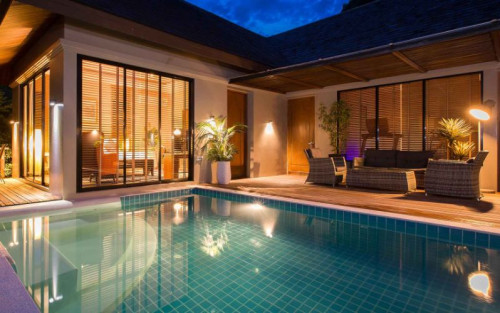
The facilities description specifies single-occupancy rooms of approximately forty-five square meters, with a king-size bed, en-suite bathroom, desk, air conditioning, television, and Wi-Fi. It describes pools associated with different wings of the property, together with shared lounge, dining, and therapy spaces. Pool access does not mean an individual private pool is assigned to every guest. Room location preferences depend on availability, so the particular room and accessibility arrangements should be confirmed before arrival.
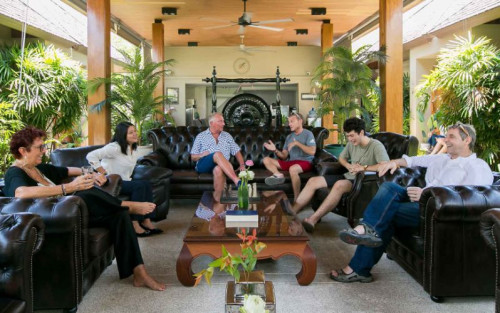
Privacy in the bedroom coexists with a communal treatment day. Residents meet for groups and meals and use shared areas between sessions. The program also describes scheduled access to Thanyapura’s sports and wellness facilities, while the exact visit pattern differs between provider pages and should be confirmed. Activities and excursions need to fit the person’s health and treatment plan. A fitness preference should not become an assumption that every excursion, physical activity, or extra wellness service is suitable or included.
Family contact, work, and technology
Miracles Asia’s family information emphasizes support for relatives as well as the person entering treatment. During a residential stay, communication with nominated family members should follow the patient’s consent and the clinical plan. Decide which relatives or other supporters should receive information and what kind of updates would be helpful. An update about practical arrangements is different from access to the private content of therapy, and expectations should be agreed at the beginning.
The FAQ allows phones and laptops subject to clinical limits, and says important business meetings may be accommodated with approval. It also places visits under the clinical team’s discretion. These provisions should not be read as unrestricted remote working or an open visiting schedule. If maintaining a particular professional responsibility is essential, discuss the time commitment and whether it is compatible with treatment. A room with a desk and internet access does not by itself establish that a resident can continue a normal working day.
Current published fees
The official cost page, marked as updated in September 2026, publishes US$23,500 for the first thirty days, US$21,500 for the second thirty days, and US$19,500 for each subsequent thirty-day period. The corresponding published totals are US$45,000 for sixty days and US$64,500 for ninety days. These are the provider’s cash-pay starting figures, with the final quote dependent on the agreed clinical requirements and any separately identified items. They should not be described as weekly prices or converted into a fixed calendar-month tariff.
The current price page says standard inclusions cover on-site detox, medicines, laboratory bloodwork, airport transfers, meals, and excursions, alongside residential programming and aftercare. A required hospital detox stay may cost extra. The program page separately identifies additional psychiatric consultation charges, and older FAQ wording also allows some medical extras. Obtain a written breakdown for the actual admission. Airfare, visas, personal expenses, and optional services should be considered separately rather than assumed to disappear within an “all-inclusive” description.
Admission and planning the return home
The admissions process starts with an assessment of the substances or behaviors involved, recent use, previous treatment, and current prescriptions. Further conversations may be needed before a placement is approved. The provider describes airport arrival support, but any arrangement should be confirmed for the actual flight and health needs. If travel itself presents a concern, discuss that with appropriate clinicians before departure. An international journey should follow an agreed clinical plan, rather than becoming the point at which medical suitability is first considered. Obtain a named arrival contact and explain the agreed handover arrangements to any relative helping with the journey.
The sixty-day aftercare offer is described as individual contact with the clinical team after residential completion, with ongoing opportunities for remote community connection. Confirm the frequency, platform, time zone, and clinician responsible. An aftercare period measured in days does not specify the number of sessions, and remote contact may need to be coordinated with local medical or psychiatric care. Before leaving Phuket, the person should know who will prescribe ongoing medicines and which appointments are already arranged in the country where they will live.
For someone comparing residential treatment in Thailand, Miracles Asia’s useful distinguishing details are its fifteen-person maximum, single bedrooms, specified minimum individual therapy schedule, access to medical and external hospital support, and published staged pricing. Those features can be assessed alongside the person’s clinical needs and preferred recovery environment. The final decision should rest on the specific treatment, room, fee, and continuing-care agreement rather than on testimonials or an assumed guarantee of long-term recovery.
Official Miracles Asia program, team, facility, admission, FAQ, detox, family, and pricing information reviewed October 20, 2026. Fees are provider-published September 2026 cash-pay figures. Licensing and staff credentials are attributed to the provider; clinical suitability, exact inclusions, room allocation, and aftercare scheduling require confirmation.
Conditions
Levels of care
Settings
Amenities
Treatment approach
At least two one-hour individual therapy sessions weekly, psychoeducation, recovery and Twelve Step groups, relapse planning, psychiatric support when appropriate, and structured activity; methods individualized by clinical team
Fees & admissions
USD 23,500 / program
Provider-published cash-pay starting figure, updated September 2026: first 30 days US$23,500; second 30 days US$21,500; third and further 30-day periods US$19,500. Sixty-day total US$45,000; ninety-day total US$64,500. Current cost page includes on-site detox, medication, bloodwork, transfers, food and excursions; hospital detox may cost extra and program page specifies additional psychiatric consultation charges. Final written quote governs; travel/visas/personal extras separate.
Confirm the current program, duration, accommodation and included services directly with the center.
Assessment of current use, prior treatment, medicines and clinical needs before approval. Confirm detox setting, psychiatric consultation charges, room, written quote, travel suitability and aftercare schedule.