
Care at Monarch Treatment Center — Burbank
Monarch Treatment Center’s Burbank residence
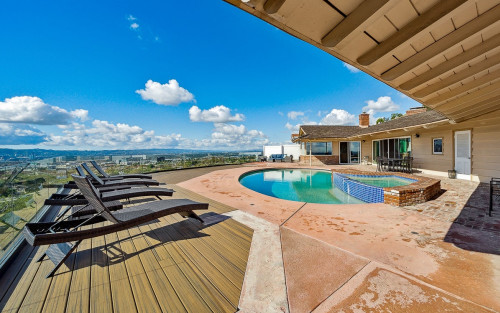
Monarch Treatment Center provides detox and residential addiction care at 1250 Alta Paseo in Burbank, California. Its official website describes a home-like setting with views toward Los Angeles, shared areas, and quieter spaces for rest and reflection. The treatment pathway moves from medical stabilization, when needed, into residential therapy and aftercare planning. For people comparing rehabilitation programs in the United States, Monarch is a residential option within the Los Angeles area, with the important details of room placement, clinical intensity, and continuing support established through an individual admission plan.
The provider’s clinical description focuses on substance use disorders and co-occurring mental health needs. It presents treatment as a combination of medical support, psychological care, and wellness activities. This is a useful starting framework, but it does not by itself identify the best level of care for every person who calls. A client seeking help primarily for a psychiatric condition, or with a recent need for hospital treatment, should make that history clear. Admissions should explain whether the Burbank program can meet those needs or whether another setting is required first.
Assessment and the detox phase
Monarch’s official detox page describes an assessment-led plan with round-the-clock supervision and support during withdrawal. Its advertised detox services cover alcohol and several categories of drugs, including opioids, benzodiazepines, stimulants, and prescription medications. The specific plan depends on the individual’s health, current use, and withdrawal history. Someone arriving with prescribed medications should ask how those prescriptions will be reviewed and coordinated with existing clinicians. The purpose of the assessment is to identify appropriate care and monitoring, not simply assign the same withdrawal schedule to everyone.
The homepage summarizes detox as a three- to seven-day phase, while the dedicated detox page says it commonly lasts about seven days and may range from three to ten. These descriptions should be treated as indicative rather than a guaranteed admission length. The actual recommendation should account for symptoms, medical complexity, and readiness to move into the next stage. Before travel, clarify the monitoring available, clinician coverage, and the circumstances in which the team would arrange hospital assessment or a different level of support.
Monarch describes medication support as part of detox when clinically appropriate. A prospective client should discuss their own situation with the medical team rather than use a general website medication list to make decisions. The treatment agreement should identify who oversees prescribing, how the client is informed about changes, and whether medication costs are included in the quote. These questions are particularly relevant when someone has been taking long-term psychiatric medication or is transferring from another treatment provider and needs continuity rather than an avoidable gap in care.
Residential care after stabilization
The residential program is described as a live-in, substance-free environment with ongoing support and a schedule combining therapy, leisure, exercise, and rest. The aim is to create time for therapeutic work and the development of everyday coping skills once immediate stabilization needs have been addressed. That schedule should still be individualized. Someone comparing Monarch with another center can ask for a typical week showing private appointments, group sessions, medical reviews, and other activities, so the promised program is understood in practical terms before admission.
A residential stay also involves a shared social environment. Common spaces and repeated contact with peers can create opportunities to practice communication and participate in a routine, while quieter areas allow some separation between sessions. A client’s comfort with groups, need for privacy, or difficulty with noise should be discussed in advance. The provider’s description of a supportive community is an intention, while the actual room arrangement, group size, staffing, and daily rules determine how that environment is experienced by an individual resident.
CBT, DBT, and the integrated treatment approach
Cognitive behavioral therapy is specifically described on Monarch’s official therapy page. In this context, it provides a structured way to examine thoughts and actions associated with substance use, cravings, or difficult situations. The provider also describes work on communication and problem-solving. A useful clinical plan would connect those activities to the person’s own circumstances, such as conflict at home, avoidance of stressful tasks, or patterns that have complicated earlier recovery efforts. The value lies in the individualized application and review, rather than in the therapy’s name appearing on a brochure.
Dialectical behavior therapy is another named method. Monarch’s description includes mindfulness, distress tolerance, emotional regulation, and interpersonal skills, with practice and feedback as part of learning. A prospective client can ask whether the program offers particular DBT-informed groups or a more extensive course, and how those skills are reinforced in individual sessions. The distinction helps establish expectations: a program may draw on DBT techniques without delivering every component of a comprehensive DBT model. The proposed schedule and clinician’s explanation should make the actual offering clear.
The official treatment material also emphasizes trauma-informed care. This describes how the team takes a person’s history and responses into account while providing addiction treatment. It should not automatically be equated with a full course of a specific trauma-processing therapy. Someone who is looking for EMDR or another particular intervention should confirm its availability, the clinician involved, and how suitability is assessed. The current sources reviewed here clearly establish CBT, DBT, and a trauma-informed approach, while additional methods need individual confirmation rather than assumption.
Co-occurring needs and the role of the care team
Monarch describes an integrated dual-diagnosis approach in which mental health concerns and substance use are considered together. This can be relevant for someone whose anxiety, mood symptoms, or other difficulties affect engagement in treatment. The intake should establish what is currently happening, which symptoms predate substance use, and what support has been helpful or unhelpful before. A coherent plan should explain how medical and therapy staff communicate and who is responsible for reviewing progress, so the client is not left to coordinate separate parts of care alone.
The provider refers to a team of doctors, counselors, psychologists, and psychiatric professionals within its broader clinical offering. Those categories do not establish that every type of clinician is physically present at the residence at all times. Ask how appointments are arranged, what support is available overnight, and how urgent concerns are handled. For a person with complex medication or physical health needs, this staffing information may be more important than a general claim of round-the-clock care. The required level of support should be matched to the actual arrangements at Burbank.
Accommodation and the everyday environment
Monarch’s amenities page describes furnished living spaces, communal areas, outdoor space, a pool, a hot tub, and fitness facilities. It also refers to private living spaces, but the material reviewed does not establish a universal private-bedroom guarantee or a precise current capacity. Those details should be confirmed for the proposed admission. A client who needs an accessible room, a particular bathroom arrangement, or additional quiet should discuss this before accepting a placement. General photographs and a description of comfort are useful context, but they do not settle the individual accommodation agreement.
Prepared meals are included in the official description, alongside gentle movement, stretching, and opportunities to spend time outside. Someone with allergies or medically necessary dietary requirements should ask how those needs are recorded and supported during the stay. Physical activities should also be appropriate to the person’s condition and clinical plan. Access to a pool or gym is a feature of the setting, not an expectation that every client will participate in the same way. The most relevant question is how the daily routine supports the individual’s treatment and ability to rest.
Practical expectations before arrival
Current official pages reviewed for this profile do not establish a detailed universal policy on phones, laptops, pets, or family visits. If any of those arrangements is central to a person’s decision, it should be discussed directly rather than inferred from the program’s residential setting. A professional who needs occasional communication, a caregiver arranging contact with children, or someone traveling with an animal may each require a different answer. The admission process should produce clear expectations about belongings, communication, visits, and any approved accommodation before the first day.
The Burbank location may be convenient for people with support in the Los Angeles area, but the exact arrival plan should still be confirmed. A client beginning detox may need assistance with transport or may be unable to manage a complicated journey comfortably. The official direct number is 818-809-3397. When contacting the center, specify the Alta Paseo residence, the proposed starting level, and any recent medical or psychiatric care. This helps distinguish a general inquiry from a practical plan for a particular person’s admission.
Aftercare and the return to ordinary responsibilities
Monarch’s aftercare page describes follow-up sessions, continued therapy and counseling, peer groups, online support, and wellness-related activities. The level of ongoing involvement should be confirmed in the discharge plan. A check-in, a support group, and a clinical appointment serve different purposes and may involve different providers or charges. Before leaving residential care, the client should understand which contacts will be arranged directly, which require separate enrollment, and how medication management or other ongoing medical needs will be handled after the stay.
A realistic transition plan also needs to reflect where the client will live. Someone remaining near Burbank may be able to use local referrals, while someone returning to another state will need a different network of clinicians and support. The program can help identify appropriate options, but the client should know the first appointment dates and any admission requirements. The continuing-care discussion is also a chance to decide how work, family contact, peer support, and treatment will fit into the week, rather than rely on a general intention to remain connected.
Daily price range and the complete financial agreement
Recovery.com lists estimated cash-pay pricing of $1,500 to $2,500 per day beside a three- to thirty-day range, reviewed on October 20, 2026. This is secondary pricing and does not establish one official detox or residential package. The earlier monthly comparison was calculated from those daily amounts; the original daily basis is retained here. A current quotation should identify the actual level of care, expected length, room arrangement, included medical and therapy services, medication charges, and the reasons the cost may fall at different points in the range.
Monarch advertises work with private insurance, but individual coverage and authorization need to be verified for the proposed program. The California treatment guide can help compare this Burbank residence with other settings. The most useful basis for a decision is a clear account of the detox-to-residential pathway, the actual CBT and DBT-informed schedule, medical support, accommodation, and aftercare responsibilities. An itemized financial agreement then makes it possible to compare the cost of that specific plan rather than a broad price range alone.
Sources reviewed
Reviewed October 20, 2026: official overview, detox scope and duration, residential model, CBT, DBT, and trauma-informed approach, amenities, aftercare, address and direct contact, and secondary daily fee range. General medication examples, unverified credentials, and comparative outcome claims are not presented as individualized clinical advice.
Conditions
Levels of care
Settings
Treatment approach
CBT, DBT-informed skills, trauma-informed care, individual and group work, integrated medical and emotional support, wellness activities, follow-up sessions and peer or online continuing support
Fees & admissions
USD 1,500–2,500 / day
Recovery.com estimated USD 1,500–2,500/day beside a 3–30-day range, checked October 20, 2026. This is a third-party estimate, not a provider tariff or one all-inclusive detox/residential package. Former monthly conversion removed. Confirm actual duration, room, medical services, medication and aftercare charges.
Confirm the current program, duration, accommodation and included services directly with the center.
Confirm whether the quote is for detox, residential care or both, the exact length, room type, medication costs and aftercare.