About Oasis Bradford
Oasis Bradford: a specialist residential detox service
Oasis Bradford is a UKAT residential substance use treatment service at 21A Bolling Road in Bradford, West Yorkshire. Its clearest distinguishing feature is medically managed detoxification with nursing support throughout the day and night. The provider’s homepage emphasizes stabilization for people who need a higher degree of medical support, including some more complex withdrawal presentations. It also explains that a longer rehabilitation program may follow at another UKAT clinic. A prospective patient should therefore distinguish the Bradford detox admission from any subsequent residential rehabilitation, even when both are arranged through the same admissions team.
The Care Quality Commission record identifies the operator as Treatment Direct Limited and displays an overall Good rating in a report published February 20, 2026. Its inspection summary describes medically managed detoxification and stabilization for up to 17 people, with 24/7 nursing and support for people with limited mobility. That is a more specific description than a general promise of residential care. It helps establish the kind of service inspected, while an individual still needs an admission assessment to determine whether their medical and psychiatric needs are appropriate for this setting.
Assessment and the first stage of care
The published admissions process begins with a history of the problem, relevant medical information, and a discussion of treatment needs. On arrival, the patient is assessed by a doctor and the nursing team. Existing prescriptions are reviewed, a withdrawal regimen is prescribed if required, and the plan is monitored during the stay. Oasis says it keeps the first day relatively simple because people may arrive feeling physically unwell or overwhelmed. This is a practical distinction between the admission process and the more involved therapeutic work that can become possible after initial stabilization.
The presence of 24-hour nursing does not mean that every medical situation can be treated within the residence. Oasis describes access to a nearby hospital for someone who becomes very unwell or requires a higher level of urgent medical attention. Before admission, the team needs to know about previous withdrawal complications, current substance use, prescribed medication, mobility limitations, and other health conditions. The important outcome of that conversation is an explicit decision about the appropriate setting and monitoring plan. People should not interpret a website’s broad statement about complex detox as automatic acceptance of their own clinical circumstances.
Doctor availability and continuous nursing are also different arrangements. The cost information describes on-call doctors, while nursing support is available around the clock. A prospective patient can ask how often the doctor reviews their progress, how concerns are escalated outside scheduled reviews, and which team member coordinates prescriptions. Someone transferring from another service should have a clear handover of medication, recent investigations, and the reason for the recommended detox pathway. That preparation helps the receiving team work with an accurate clinical history rather than reconstructing it after arrival.
Psychological work during detox and early recovery
Oasis Bradford’s treatment overview describes individual therapy, group work, family involvement, and complementary activities such as mindfulness, meditation, and yoga. It names dialectical behavior therapy in relation to coping with emotions, cravings, and difficult situations. The useful way to interpret this offer is as psychological support that can accompany stabilization and preparation for further recovery work. It does not establish that every person completes a full course of every therapy during a short detox admission. Timing, intensity, and participation should reflect the patient’s physical condition and agreed goals.
In the first days, the provider says a personally assigned key worker helps develop a care plan covering medical, physical, emotional, and social needs. Regular individual meetings are used to discuss concerns and review progress. These conversations can make early treatment more purposeful: identifying what has made previous attempts difficult, which situations are likely to be challenging after discharge, and what support will be needed next. They also provide a place to discuss practical barriers such as housing, work, or family responsibilities without assuming that medical stabilization alone resolves those issues.
Group work offers a different setting for treatment. The published program describes peer contact and opportunities to discuss experiences with others facing similar difficulties. Individual and group sessions do not serve identical purposes, and a person may need a gradual introduction while they recover physically. The admission proposal should make clear which groups are available at Bradford, how attendance is adapted during detox, and which work belongs to a later rehabilitation phase. A large menu of treatment articles across the provider’s website is not the same as a guaranteed daily timetable for one patient’s stay.
Oasis also presents mental health and substance use as related treatment concerns. For someone with an existing psychiatric diagnosis, the key question is how that condition will be assessed and supported during withdrawal and where longer-term treatment will take place. The public pages reviewed do not define eligibility for every acute mental health presentation. They should not be read as establishing an unrestricted psychiatric inpatient service. A clear clinical plan should identify who reviews psychiatric medication, how distress will be monitored, and whether another service needs to provide additional care before, during, or after detox.
The team supporting the admission
The current team page names Michelle Burgess as center manager and describes experience across addiction services, criminal justice, and psychiatric rehabilitation. It lists nursing staff including Yamikani Ethel Kantumbiza, Jennifer Smouse, Bernadette Seraphin-Ellis, and Lilian Guya, with provider-published backgrounds in adult nursing and related clinical settings. Sophie Lawton is listed in a recovery-coach role, alongside a wider support team. These profiles help explain the mix of nursing, operational, and recovery support, although they do not establish which particular staff will be on duty during an individual admission.
A resident’s care is likely to involve several roles with different responsibilities. Nurses monitor clinical needs and medication within their professional scope; the prescribing doctor makes medical decisions; the key worker helps coordinate the personal care plan; and support staff help with daily life and engagement. Understanding who does what makes it easier to raise the right concern with the right person. Patients can ask for an explanation of their named contacts, the handover process between shifts, and how family members can communicate relevant information while respecting confidentiality.
Accommodation, accessibility, and daily life
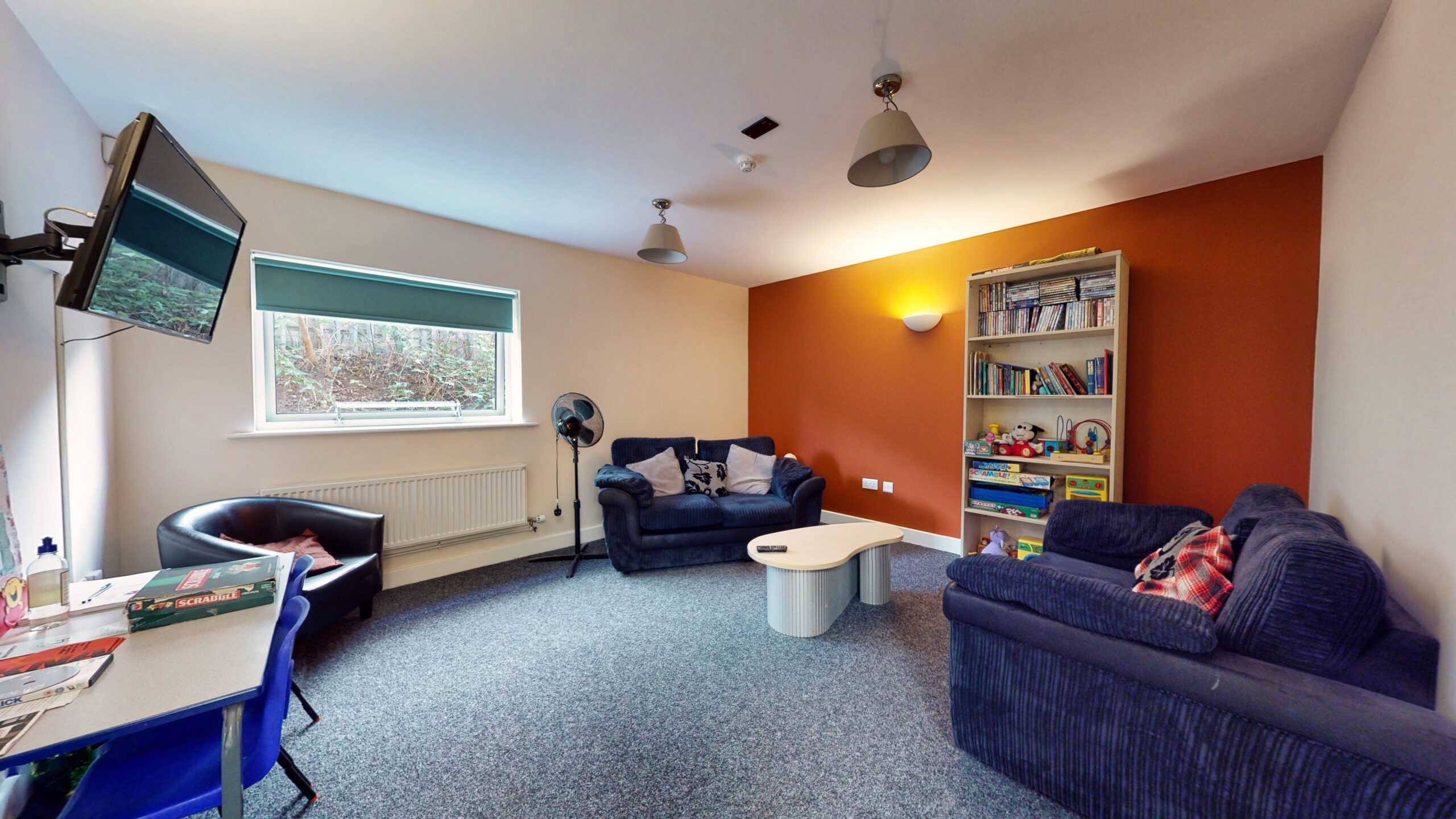
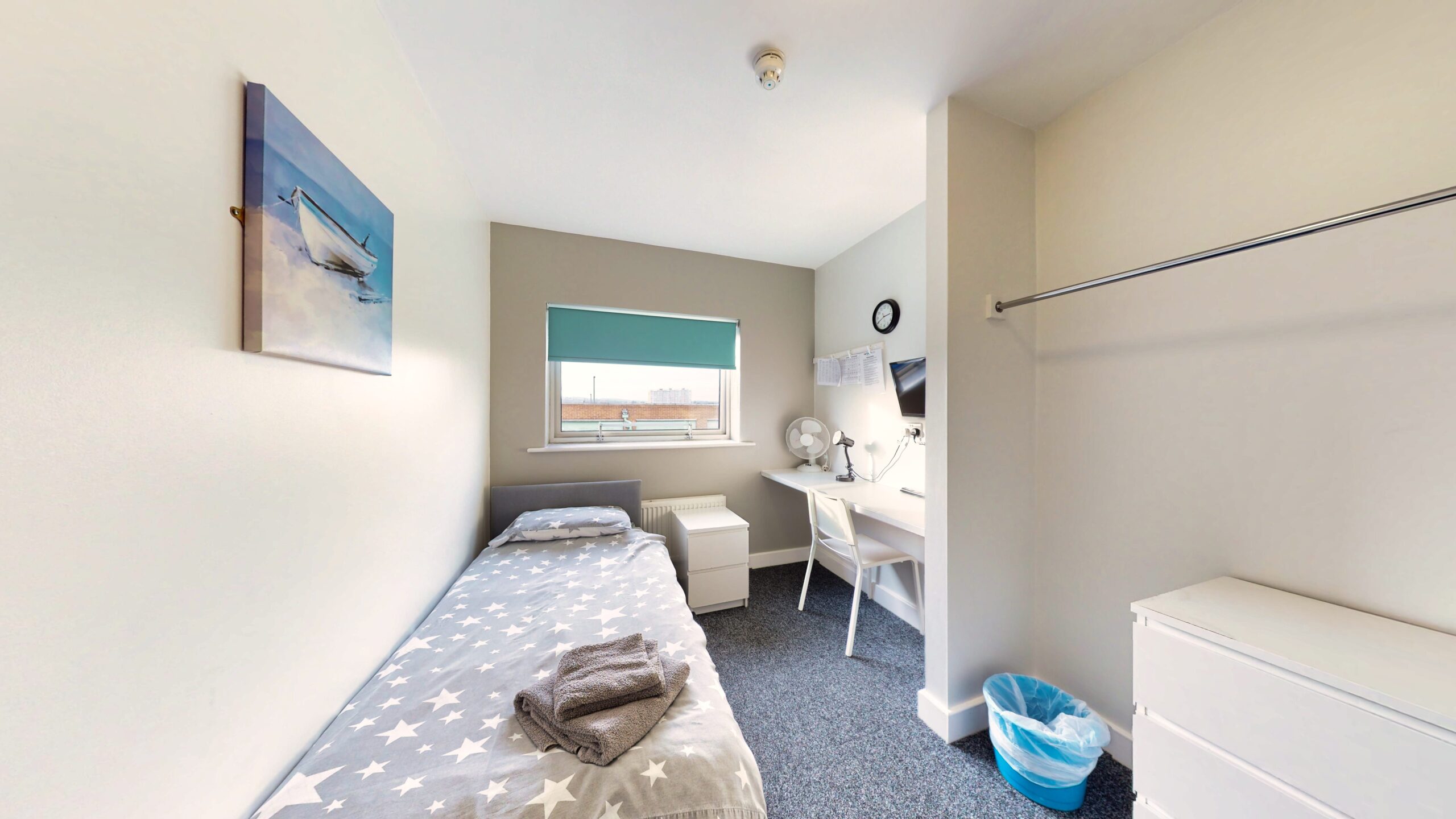
The current facilities page describes bedrooms with televisions, a communal lounge, an entertainment room with a pool table and retro gaming equipment, and outdoor space. It also lists a wellbeing room with a spa bath and a communal dining area where meals are prepared by an in-house chef. These facilities provide places to rest, socialize, and regain routine between treatment activities. They do not alter the medical admission criteria, and access to a particular activity may need to be adapted during withdrawal or because of an individual’s health needs.
Lift access is explicitly described, which may be useful for someone with reduced mobility. The CQC summary also recognizes support for people with limited mobility. Those features are a starting point for an accessibility discussion, rather than a complete account of every room, bathroom, transfer requirement, or personal-care need. The patient should describe the assistance they require and confirm the allocated room. An older cost page refers to 19 en-suite bedrooms, while the more recent CQC summary describes care for up to 17 people; this profile uses the current regulatory capacity and does not assume a room configuration from the older number.
Oasis Bradford describes a structured environment with monitored communal areas, overnight checks, approved visitors, and accompanied time away from the premises. These arrangements can affect practical planning for a stay. Someone who expects to continue a normal work schedule, leave independently, or receive unrestricted visitors should discuss those expectations in advance. The provider’s description is consistent with a period focused on treatment and stabilization. It is useful to know how phone access, private calls, personal possessions, and contact with children or other relatives will be handled within that structure.
Family support and planning the next placement
The family-support program describes education, counseling, communication skills, and support for relatives affected by substance use. Its focus includes rebuilding trust, understanding patterns within relationships, and preparing a more supportive home environment. Families may also need help setting realistic limits and looking after their own wellbeing. The reviewed page does not establish one fixed session schedule or guarantee a private family session during every short stay. Confirm the format, participation arrangements, and any connection with the patient’s subsequent rehabilitation provider.
The transition after detox deserves attention early in the admission. The homepage explicitly says Bradford can arrange a full rehabilitation program at another clinic once detox is completed. If that is the recommendation, obtain the receiving center’s name, start date, length of stay, clinical handover arrangements, and separate cost. The two admissions may have different room standards, medical staffing, and therapy schedules. It is more useful to compare the complete proposed pathway than to treat a detox quotation as the price for all later treatment. Transport and medication continuity should be settled before the transfer day.
Fees, admission timing, and aftercare
The official cost explanation discusses medical staff, therapy, accommodation, food, and aftercare but does not provide a clear current tariff for a defined Bradford admission in the material reviewed. Its hotel-price comparisons should not be converted into an assumed treatment fee. The admissions page says fees and terms can be supplied in writing, with a deposit followed by the balance on admission. It also describes help arranging sober transport when family or friends cannot accompany the patient. Confirm whether transport, medication, investigations, and any onward stay are included.
Oasis advertises the possibility of urgent admission within hours when circumstances allow, with its admissions team available seven days a week. Actual timing depends on assessment, clinical suitability, and capacity. The proposed number of days should also be individualized; the reviewed sources do not establish one standard detox duration that applies to every substance or patient. If private health insurance may contribute, confirm authorization and the covered service before making financial commitments. A general statement that some insurance is accepted cannot establish a particular policy’s payment or eliminate possible personal charges.
The specific aftercare page offers one year of free weekly therapist-led group sessions after completion of rehabilitation. The treatment overview describes online groups and alumni membership. This is more precise than the homepage’s broad reference to lifetime aftercare: continued alumni contact and a time-limited clinical group offer are different services. Patients completing detox alone should confirm which elements they qualify for and which follow-up comes from an onward provider. When comparing treatment centers, Bradford is best assessed as a medically supported entry into a clearly planned recovery pathway.
Information checked October 20, 2026. Official Oasis Bradford sources and its exact CQC record inform this profile. The CQC report was published February 20, 2026. Current room allocation, individual detox duration, prices, onward placement, and eligibility for aftercare require confirmation with the provider.
Destinations
Conditions
Levels of care
Amenities
Program approach
Individual key-worker planning, medical stabilization, psychological and group support, DBT-related skills, family work, and onward recovery planning
Fees & admissions
Confirm current pricing
No clear current tariff for a defined Bradford admission verified. Request written detox fees, medication and transport inclusions, deposit terms, and any separate onward-rehabilitation charge. Hotel-cost comparisons are not an official treatment quote.
Confirm the current program, duration, accommodation and included services directly with the center.
Clinical assessment with a doctor and nursing team, medication review, and confirmation of medical suitability. Urgent admission may be arranged subject to assessment and capacity. Confirm onward rehabilitation separately.