Care at Ocean Hills Recovery — San Juan Capistrano
Ocean Hills Recovery’s San Juan Capistrano program
Ocean Hills Recovery provides addiction treatment in the San Juan Capistrano and Dana Point area of Orange County, California. Its published services include medical detoxification and residential care, with treatment for co-occurring mental health concerns when appropriate. The provider describes a collaborative approach involving clinical staff, the person receiving care, and family or other support people. Its current treatment contact number is 949-694-7355.
This profile relates to the San Juan Capistrano program identified in the existing campus listing. Ocean Hills uses more than one location description across its website, so applicants should confirm the exact residence offered before making travel arrangements. The official site distinguishes its corporate office from treatment services. An office or listing address should not be assumed to be the place where a patient will sleep, receive detox care, or begin admission.
Residential treatment and its place in care
The official residential page describes an on-site program in which people live in a treatment setting while participating in a structured schedule. The provider gives a typical duration of 30 to 45 days, with the plan shaped around the individual. That estimate is more informative than assuming a fixed 30-day package, but it is still a general description. The proposed length and level of care need to follow assessment and ongoing review.
Ocean Hills describes residential treatment as a stage that commonly follows detoxification. The focus then includes the behavioral, emotional, and practical work associated with recovery. Someone who needs withdrawal care should establish how it is arranged and where it takes place. Someone arriving from another medical or treatment service should ensure that the receiving team has the relevant records and understands the intended next stage.
The program’s published information discusses people with substance use difficulties and related concerns, including trauma and co-occurring psychiatric needs. It also refers to veterans who may require specialized attention. Those references describe areas the provider considers; they do not establish that every diagnosis, medical condition, or level of acuity can be managed in every residence. The clinical team should identify any admission limits and explain the services available for the actual patient.
Detox, medication, and clinical coordination
Medically supervised detoxification is listed among Ocean Hills’ services. The provider describes medical support and medication when appropriate during withdrawal and stabilization. The assessment should determine whether this stage is needed and whether other medical needs require additional evaluation. A person should receive a clear explanation of the planned sequence rather than infer that all detox and residential services are combined in the same room or included in one rate.
Medication-assisted treatment is also discussed on the residential page. Ocean Hills presents medication as part of a clinical plan that can include therapy and monitoring. The choice of medicine, its purpose, and arrangements for review should be discussed with the treating professional. The availability of this service does not imply that every patient receives medication or that the same approach is appropriate for every substance use history.
The provider’s published staff description includes psychiatric and psychological professionals, therapists, and addiction counselors. Applicants should establish which clinicians will be involved in their particular plan and how contact is arranged. If the patient has an existing prescriber or therapist, the admission process should address the transfer of relevant information and coordination of care. A broad team description becomes useful when connected to actual appointments and responsibilities.
Individual and group therapy
Individual counseling provides a setting for personal history, the circumstances surrounding substance use, and goals for the future. Ocean Hills describes work on underlying emotions and behavior as part of its residential program. The expected frequency of one-to-one sessions should be confirmed for the proposed stay. A patient should also know how individual work fits with groups, medical care, family involvement, and the rest of the treatment schedule.
Group therapy is another stated component. It gives patients an opportunity to discuss experiences, hear different perspectives, and practice communication within a treatment community. Ocean Hills also lists gender-specific groups among its clinical services. The actual group mix, eligibility, and timetable should be explained during intake. A program may offer several forms of group work without every patient attending all of them at the same stage.
The residential page names cognitive behavioral therapy and dialectical behavior therapy. These approaches appear alongside relapse-prevention training, individual sessions, and family work. The treatment plan should explain how the selected methods address the person’s priorities and how they are delivered. Naming a therapy does not by itself establish its frequency, the clinician’s role, or the amount of practice included during the stay.
Relapse prevention and practical skills
Ocean Hills describes relapse-prevention work as part of preparing patients for life beyond the residential setting. The focus includes learning coping responses and understanding the situations associated with substance use. The most useful plan connects that work with the person’s own circumstances. A patient returning to a difficult home environment may need different preparation from someone whose main challenges relate to work stress, isolation, or earlier gaps in continuing care.
Life-skills development and goal setting are also included in the provider’s program description. These elements can help connect the clinical work with daily responsibilities and routines. The goals should be realistic for the stage of care and revisited as the team learns more about the person’s needs. Residential treatment provides a structured place to practice, while the discharge plan needs to consider how those routines will be supported outside the program.
The provider also offers a 12-step recovery component within its wider services. Applicants should understand how meetings or related work fit into the proposed residential schedule and what options are available after discharge. Recovery fellowships can provide a continuing community, while any required psychotherapy, medical care, or prescribing remains a separate part of the clinical plan. Participation should be discussed in the context of the person’s preferences and treatment goals.
Family programming and support relationships
Family involvement receives substantial attention in Ocean Hills’ official information. Its family program includes partners, parents, siblings, other relatives, children when appropriate, and close friends. The stated purpose is to improve understanding, communication, and support around recovery. This broad definition can be relevant for someone whose main support comes from a person outside their immediate family. The team should explain who can participate and how the work is organized.
The provider describes education about addiction and the effects it can have on relationships. Family work may also address communication patterns, boundaries, and the changes expected as a person returns home. The patient’s consent and the suitability of particular relationships should guide participation. A family-based approach does not mean that every relative needs access to all treatment information or that every relationship should be involved in the same way.
Practical arrangements matter as well as the purpose of the sessions. Applicants should establish whether participation is in person or remote, when it occurs, and whether additional support is recommended for relatives themselves. People traveling to Orange County may need to coordinate visits around work or childcare. Clear planning allows family involvement to support the treatment process without relying on assumptions about availability or the format of the program.
Accommodation, activities, and the daily setting
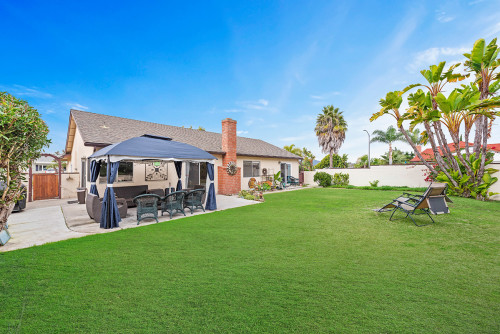
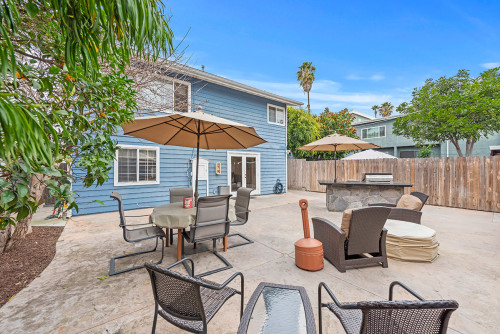
Ocean Hills describes a comfortable residential environment with a planned daily routine. The pages reviewed do not establish a single guaranteed bedroom configuration for the San Juan Capistrano placement. The admission offer should identify the house, private or shared room arrangements, bathroom access, and any accessibility needs. Those details are especially important when the provider’s wider information refers to more than one part of the Orange County coast.
The official residential page lists yoga, meditation, art-related activities, fitness access, and outdoor recreation. It also describes catered meals with options for dietary restrictions. These features contribute to the daily experience alongside clinical work. The precise schedule and availability should be confirmed for the assigned residence. An activity or amenity listed across the program should not be treated as an everyday guaranteed service for every patient.
Meals, rest, group interaction, and time outside sessions are part of living in a treatment setting. Prospective residents should receive current guidance on devices, visitors, belongings, medication, and outside appointments. Someone who has responsibilities at home can then arrange appropriate cover. Understanding the actual routine helps a person prepare for a residential commitment rather than compare programs only by their photographs or coastal location.
Confirming the correct arrival location
Recovery.com’s San Juan Capistrano listing gives 27124 Paseo Espada, Suite 805, as its location. The current official website identifies corporate offices at 28202 Cabot Road, Suite 505, in Laguna Niguel. The inspected primary pages do not establish that either suite is the sleeping residence offered to every patient. Admissions should provide the exact arrival destination and treatment address, including where detox and the subsequent residential stay occur.
Continuing care after the residence
The provider discusses outpatient and other continuing services within its wider care options. The next level should reflect the patient’s clinical needs, progress, and home situation. Someone may need further structured treatment, while another person may return to established local clinicians with a different support plan. The discharge process should make the recommendation specific, with scheduled appointments, prescribing responsibility, and relevant information transferred to the receiving service.
A plan also needs to address ordinary logistics such as housing, transport, work, and the availability of support people. These arrangements influence whether the recommended follow-up is practical. The patient should know who to contact if an appointment or living arrangement changes. Continued connection with a recovery community may form part of the plan, while clinical follow-up should remain clearly identified and separately organized.
Fees and insurance
The exact San Juan Capistrano Recovery.com profile inspected on October 20, 2026 displays an estimated cash-pay rate of $1,000 per day. Its general cost information also refers to $30,000. The daily figure provides the clearest visible pricing context, but neither amount is an official Ocean Hills quotation. A 30-day calculation does not establish the total for a program that the provider describes as commonly lasting 30 to 45 days.
Ocean Hills describes insurance verification and says it accepts many PPO plans. The particular policy, recommended services, and patient responsibility still need confirmation. A written estimate should name the assigned program, duration, accommodation, detox arrangements, and any separately billed charges. Compare the program with other treatment centers in the United States and the California treatment guide, using the confirmed care plan and residence.
Sources reviewed October 20, 2026: official Ocean Hills website, residential program, family programming, and the San Juan Capistrano Recovery.com profile. Addresses are identified by their source and role; third-party pricing is not a provider tariff.
Conditions
Levels of care
Settings
Amenities
Treatment approach
Individual and group therapy, CBT, DBT, family programming, 12-step work, relapse prevention, life skills and medication support when appropriate
Fees & admissions
USD 1,000 / day
Recovery.com San Juan Capistrano profile displays an estimated USD 1,000/day, checked October 20, 2026. Its general cost text also refers to USD 30,000. Use the stated daily context; neither figure is a provider quote. Confirm assessed duration, detox and inclusions.
Confirm the current program, duration, accommodation and included services directly with the center.
Confirm exact campus, detox requirements, room assignment, services included in the estimate, medication support and step-down arrangements.