About Olympia House Rehab — Petaluma
Olympia House Rehab is a residential substance-use treatment program at 11207 Valley Ford Road in Petaluma, California. The provider describes a rural West Sonoma County setting, individualized counseling, multiple peer-support options, and non-hospital detox support when appropriate. California’s published facility data identifies a thirty-eight-person residential program at this address and a separate Olympia House intensive outpatient service nearby. Prospective clients should distinguish those settings and ask for a current clinical plan, room assignment, and written cost estimate.
Residential care and the documented facility scope
The official Olympia House website describes a thirty-eight-bed residence on 140 acres of agricultural land. The California Department of Health Care Services facility dataset, last edited August 17, 2026, lists Olympia House under Sonoma Recovery Services, LLC, with license and certification number 490036AP. It records residential and detox services, a capacity of thirty-eight, incidental medical services, and an expiration date of August 31, 2028. This dated record does not turn the residence into a hospital.
The provider’s admissions information describes an adult program welcoming all genders and requiring residents to be ambulatory and able to participate meaningfully. It excludes people needing medically managed detoxification or medical supervision beyond the facility’s permitted resources. Ask the team to assess the individual’s current needs rather than infer suitability from a diagnosis alone. Mobility, cognitive difficulties, psychiatric symptoms, and the need for medical monitoring should be discussed before arrival.
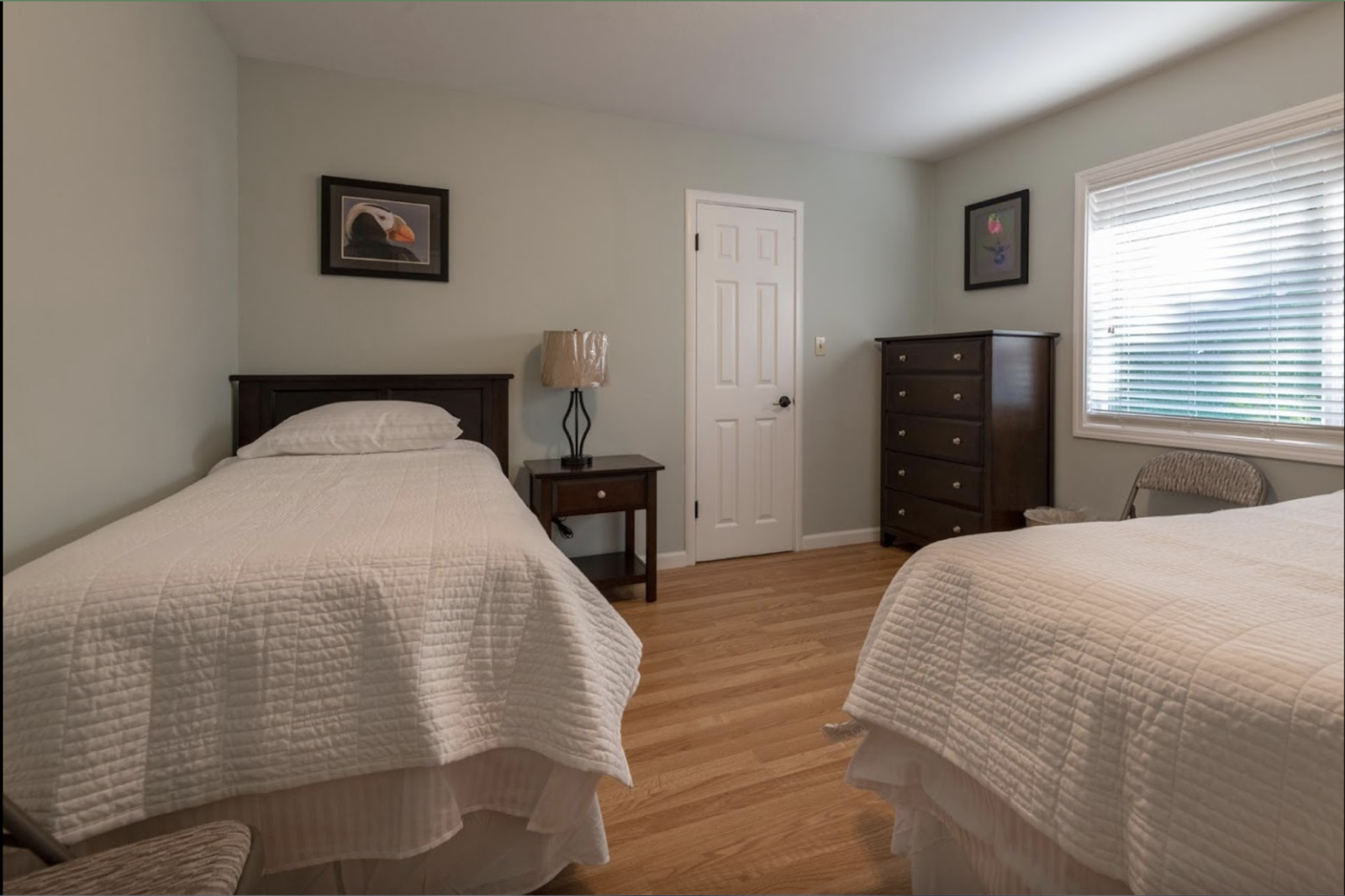
The website contains both a bed count and broader wording about room numbers. The state record supports a thirty-eight-person capacity; it does not establish thirty-eight private bedrooms. Ask about the actual room being offered, how many people share it, and bathroom arrangements. If accessibility or a particular degree of privacy is necessary, request confirmation before paying a deposit. A campus capacity and an advertised accommodation category answer different questions.
Understanding detox support and medication care
Olympia House describes non-medical detox support on its homepage, while its detox information also discusses medication support under consulting physicians. The admissions exclusions remain essential to interpreting those statements: the program is not presented as a destination for every medically complex withdrawal. Ask whether the person can enter directly, needs stabilization elsewhere first, or requires a different setting. Confirm who assesses risk and how a transfer would be arranged if needs exceed the available resources.
The provider’s medication-assisted treatment page indicates that prescribed medication may form part of care. Discuss the specific medication plan with the treating clinician, including continuation of existing prescriptions, monitoring, and follow-up after discharge. A directory’s generic medication list does not establish that every drug or formulation is available at Olympia House. Avoid changing medication or attempting withdrawal independently to meet an anticipated admission date; those decisions require an individual clinical assessment.
Ask how consulting medical care is organized in practice. Useful questions include when the first appointment occurs, what support is present overnight, how urgent concerns are escalated, and whether outside consultations or prescriptions are billed separately. If another clinician is already treating a psychiatric or physical condition, clarify how information will be shared. A coordinated plan should make responsibilities clear rather than leave the resident to reconcile conflicting instructions from different professionals.
Individual therapy, counseling, and group choice
The residential treatment page describes separate mental health and substance-use counseling roles, daily groups, and an individualized treatment plan. The public residential and admissions pages give differing counts for weekly individual sessions. Consequently, a fixed frequency should be confirmed in the current written schedule rather than selected from whichever page lists the larger number. Ask how often each clinician meets with the resident and how the team coordinates goals.
Published groups include cognitive behavioral and dialectical behavior approaches, relapse-prevention work, process groups, nutrition-related content, and other structured activities. Ask which groups are part of the proposed plan and how staff adapt participation to the person’s needs. For someone with co-occurring mental health concerns, clarify how those concerns are addressed alongside substance use. A broad therapy menu should lead to specific expectations about the care the individual will receive.
Olympia House also describes several peer-support traditions, including Twelve Step meetings, SMART Recovery, LifeRing, and Refuge Recovery. This range may be useful for someone exploring a suitable recovery community. Ask which meetings are currently available, whether they occur on campus or elsewhere, and how participation fits with clinical appointments. The availability of different formats does not mean that one must suit every person or that peer meetings replace individual assessment and treatment.
Living in the West Sonoma County setting
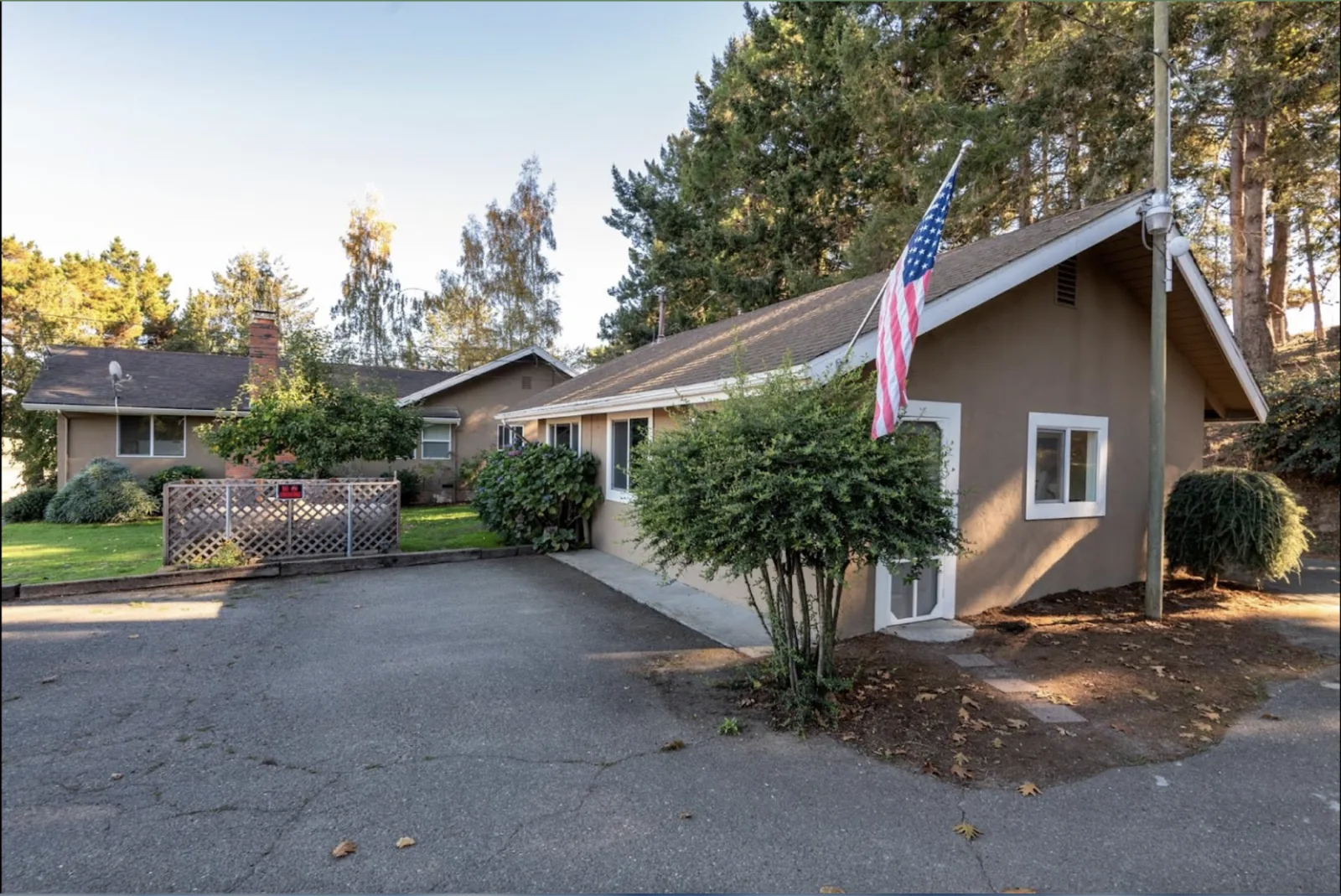
The provider describes gardens, agricultural surroundings, walking routes, and opportunities involving animals. Ask which activities are offered during the proposed stay, how participation is supervised, and whether alternatives are available when an activity is unsuitable. Outdoor access can shape daily life, but the setting itself does not establish clinical effectiveness. Weather, mobility, allergies, and comfort around animals are practical factors worth discussing before assuming that every advertised activity will be part of the individual’s schedule.
The website describes prepared meals and vegan options. Discuss allergies, other dietary requirements, and any medical or cultural needs directly with staff. Ask how meals are organized, whether food storage is available, and what happens if a resident has difficulty with a communal arrangement. A person needing specialized eating-disorder treatment or substantial medical nutrition support should have those needs assessed specifically rather than assume they are covered by a general statement about healthy meals.
Current admissions guidance lists phones and laptops as optional items but discourages their use during the first week unless business needs apply. Confirm how that guidance is implemented, including permitted times, internet access, and exceptions for essential responsibilities. Families and employers should not plan around unrestricted access. A clear arrangement for necessary communication can help the resident understand expectations while allowing the treatment team to explain how device use fits within the program.
Family participation and information sharing
Family therapy appears among the provider’s residential options, while the outpatient program separately describes monthly family-support meetings. Ask what family work is included in the specific residential plan, who can participate, and how sessions are arranged. A relative may want to provide background information, discuss practical concerns, or take part in an agreed clinical meeting. Those are different roles, and the treatment team should explain the relevant communication and consent arrangements.
For residents traveling from outside Sonoma County, clarify visiting expectations before relatives book accommodation or transport. Ask whether remote family meetings are possible and how the program handles a situation in which some relationships are supportive and others are difficult. Family involvement should be planned around the person’s needs and preferences rather than assumed to mean that everyone receives unrestricted access to personal treatment information.
Room-specific fees and insurance
The Recovery.com Olympia House profile, checked October 20, 2026, lists estimated thirty-day rates of USD 21,000 for a shared room and USD 25,800 for a single room. These are distinct room categories for the same stated period, not daily rates or calendar-month tariffs. They remain third-party estimates. Obtain a current quote confirming availability, bathroom arrangements, the proposed service, and everything included in the selected rate.
Ask whether detox support, consulting clinicians, medications, outside appointments, transport, and any extra activities are included or separately charged. The quotation should explain deposits, extension rates, cancellation terms, and what happens if the person transfers or leaves earlier than expected. A thirty-day estimate does not establish that the individual will need exactly thirty days or that a longer stay can be priced simply by multiplying the initial amount. If a single room is preferred, ask whether that choice creates a separate surcharge and what happens if room availability changes. The agreement should distinguish a preference from a clinically required accommodation and explain the financial responsibility for either arrangement.
Olympia House’s admissions page lists insurance relationships and describes assistance with benefits verification and claims. Confirm the specific plan, service, and room arrangement rather than relying on an insurer’s name alone. Ask about network status, authorization, deductibles, coinsurance, and potential separate bills. If the person is considering both residential treatment and outpatient follow-up, check whether those services require separate approvals and whether the patient’s responsibility changes between them.
The separate intensive outpatient program
California’s dated facility record places Olympia House’s certified intensive outpatient program, 490036BP, at 10823 Valley Ford Road, distinct from the residence at 11207. The official IOP page says it accepts both former residents and people new to Olympia House. Confirm the current location and admission process directly. The residential listing should not be read as proof that all outpatient appointments take place inside the overnight facility.
The published IOP schedule is Monday, Wednesday, and Friday from 9 a.m. to noon, with a typical eight-week design depending on individual needs and insurance. The page describes nine group hours and one individual hour weekly, testing, and monthly family support. Verify the timetable and the placement of individual appointments before planning work or transport. It is a daytime commitment, and participation does not itself establish access to overnight accommodation.
When moving to outpatient care or returning elsewhere, ask who coordinates the handoff and whether appointments are confirmed before discharge. The plan should identify medication follow-up, therapy, suitable peer support, living arrangements, and a response to worsening symptoms or renewed substance use. Alumni contact can provide connection, but clarify how it differs from ongoing clinical care. A written plan is most useful when it names the people and services responsible for each next step.
Olympia House’s official contact page lists 888-795-1965. Identify whether the inquiry concerns the residential program or the separate IOP, and request the appropriate clinical and financial documents. Compare the answers with our explanation of residential care and other United States providers. The decision should reflect the person’s assessed needs, the actual medical limits, and a practical continuation plan.
Destinations
Conditions
Levels of care
Settings
Amenities
Program approach
Individual mental health and substance-use counseling, CBT/DBT and other groups, prescribed medication support when appropriate, Twelve Step/SMART/LifeRing/Refuge choices and family/aftercare planning
Fees & admissions
Estimated USD 21,000–25,800 / program
Recovery.com exact-campus estimate checked 2026-10-20 explicitly USD 21,000/shared room and USD 25,800/single room, each for 30 days. Not provider tariff or calendar month. Confirm current availability, bathroom, consulting medical care, medication, extensions and separate IOP cost.
Confirm the current program, duration, accommodation and included services directly with the center.
Adult clinical and mobility assessment; medically managed detox or needs beyond license require another service. Confirm actual individual-session frequency, room, medical arrangements, benefits and written quote