Care at Oro House Recovery — Zuma Beach
Oro House Recovery’s Zuma Beach residence is a private-bedroom addiction treatment setting in Malibu, California. The current campus description combines residential care, medical detoxification when indicated, psychiatric support for co-occurring concerns and a program of individual, group and family work. The house overlooks the Pacific near Zuma Beach and is part of the wider Oro House network.
The Zuma Beach page explicitly states that each resident has a private room. It describes a small residential community and an individualized treatment plan, with particular attention to people who value discretion, including professionals and those returning to treatment after an earlier experience. The clinical assessment still determines whether the house is suitable and which services are appropriate.
Keeping the Malibu residence distinct from the network
Oro House operates services in Malibu and the Los Angeles area, and some program pages describe the network as a whole. The Zuma Beach residence is a specific location within that offering. Confirm the actual admission address, the clinician assigned and where each part of the proposed care will take place, particularly when the plan includes additional procedures or a later outpatient stage.
The residential program explanation says the provider uses “inpatient” and “residential” interchangeably. In this context, the terms describe living at the treatment facility. They should not be read as a promise of the full capabilities of an acute medical or psychiatric hospital. A person with complex medical needs should establish what the residence can manage and how outside care is arranged when necessary.
The broader residential pathway begins with an assessment of substance use, general health and relevant mental health concerns. The provider describes individual planning, psychiatric assessment, counseling and case management. For someone with several interacting difficulties, the value is in how those elements are coordinated around a shared plan, rather than the number of services named across the website.
On-site detoxification and medical coordination
The Zuma Beach page identifies medical detoxification on site when clinically indicated. Oro House’s detox service description explains that medical professionals and nursing staff assess withdrawal needs, monitor the person and use medication when appropriate. It also describes communication between the clinical and medical teams when a patient’s condition or medication plan changes.
The network advertises a standalone seven-day detox option for some substances, while acknowledging that it is not suitable for every case. That option should not be treated as a guaranteed duration for every admission or as the full course of residential treatment. Establish whether detox alone or a combined detox-and-residential pathway is being recommended.
Screening should include recent substance use, prescribed medications, prior withdrawal complications and relevant physical symptoms. Ask about on-site nursing coverage, physician availability and the circumstances that would require hospital assessment. The published availability of incidental medical services gives the discussion a starting point, but the individual assessment determines the appropriate setting.
Someone already receiving medication for a substance use disorder or another condition should bring the prescription details and existing clinician’s contact information. Ask how continuing medication will be reviewed and how prescribing will be handled after discharge. Do not assume that mentioning detox from a particular drug means the program recommends discontinuing that medication for every patient.
The clinical approach and published therapy methods
Oro House calls its approach the Compassionate Care Model. Its campus description emphasizes connection with residents and participation in an individualized plan. The treatment-method directory lists cognitive behavioral therapy, dialectical behavior therapy, motivational enhancement, motivational interviewing, relapse-prevention work and several trauma-related approaches. These methods may be used in individual or group sessions according to the assessment.
The listed approaches provide several concrete lines of inquiry. Cognitive and behavioral work can focus on a recurring pattern; DBT skills address areas such as distress tolerance and interpersonal effectiveness; motivational work explores readiness and personal goals. Ask which of those tasks is most relevant at the start of treatment and how the team will connect it with the resident’s everyday difficulties.
The same directory includes EMDR, Seeking Safety, Somatic Experiencing, psychodynamic methods and acceptance and commitment therapy. That breadth does not mean every resident receives each intervention. Someone specifically seeking trauma treatment should ask how readiness is assessed, what preparation is offered and which clinician has the relevant training. A menu should lead to an explanation of the planned sequence, not an expectation of trying everything.
The broader residential program is described as non-12-step, while the provider also acknowledges that different forms of recovery support may suit different people. Clarify the role of outside meetings, peer support and personal preferences in the actual plan. A preferred philosophy can matter, but it should be considered alongside clinical fit, medical support and a realistic continuing-care arrangement.
Understanding the team’s roles
The current staff page distinguishes physicians, nursing, clinical leadership, doctoral-level clinicians, licensed therapists and recovery-support staff. It identifies Jason Giles, MD, in addiction medicine and Aneta Prince, MD, in integrative psychiatry. David Cisneros, LMFT, is listed as clinical director, and Jason Batanides, LMFT, as program director. These are published network roles, not a guarantee that every named professional will see every Zuma Beach resident.
Prospective residents can ask who will provide individual therapy, who oversees medication and who handles practical case management. Those functions are related but distinct. A named lead contact can make it easier to understand decisions and raise concerns, especially when several clinicians contribute to the plan.
The provider’s directory includes different professional qualifications and areas of focus. If a particular treatment method or population is important to the admission, ask which assigned clinician will deliver that work. Experience treating a diagnosis at the organizational level should translate into access to an appropriate practitioner for the individual resident.
The private-bedroom setting
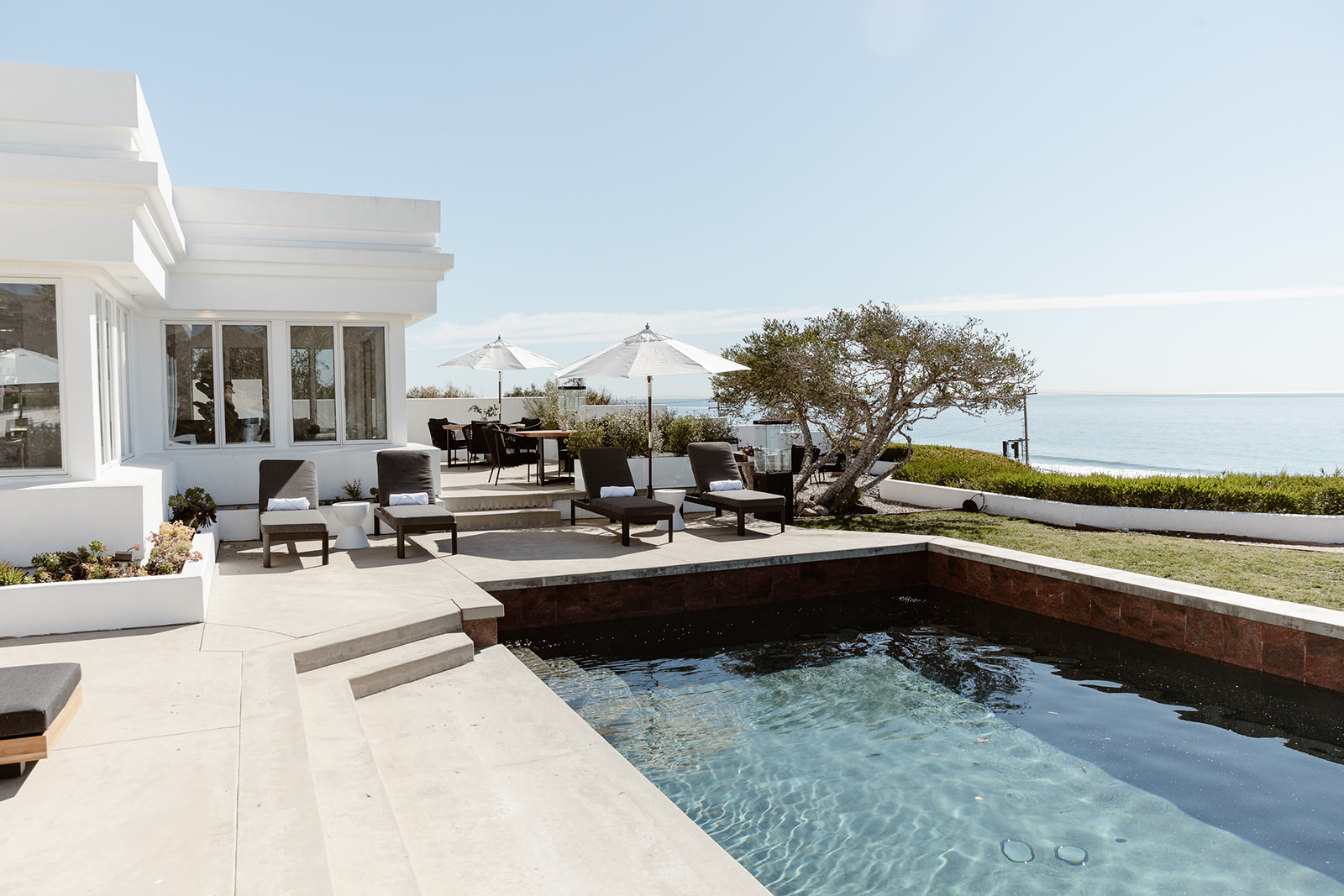
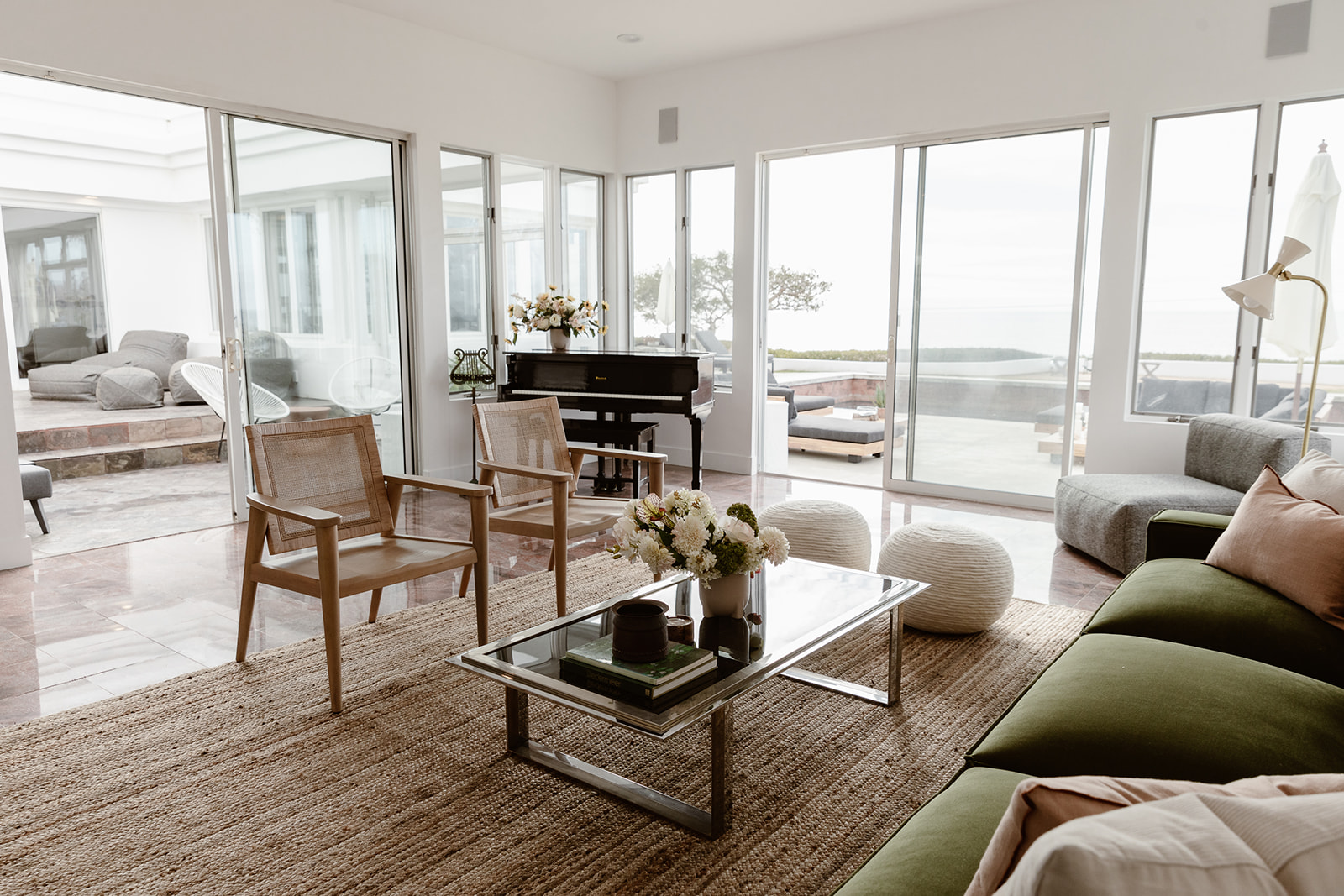
The Zuma Beach house is described as a residence with shared living areas, a kitchen, a fireplace, a pool and a spa, while bedrooms are individually occupied. The page says most bedrooms have ocean views. A private bedroom provides personal space within a community; it does not mean the entire property is reserved for one client or that group sessions are excluded.
Request the room arrangement for the intended dates and discuss accessibility, sleep difficulties and any medical equipment or dietary requirement. Confirm the bathroom configuration and where clinical sessions occur. The actual layout matters more than a broad luxury label when deciding whether a residence will be workable for a particular person’s needs.
The campus page allows for staying in contact with work within clinical guidelines. Establish the permitted device use and the amount of time the treatment schedule requires before making professional commitments. A private room and internet access can support essential communication, but they do not establish that a normal working schedule will fit alongside care.
Wellness activities and additional interventions
The wellness and amenities page describes yoga, meditation, hiking, massage, group equine work and an individual surfing program. It also identifies chef-prepared meals, housekeeping and transportation to appointments. These are network descriptions, so confirm their availability and inclusion for the particular Zuma Beach stay.
Surfing and other outdoor activities should be matched to physical ability, weather and the clinical plan. Someone who cannot safely participate should ask about alternatives. An activity may provide recreation, structured skills practice or material for therapeutic reflection; the team should be able to explain its intended role.
The Zuma Beach page also lists neurofeedback, EMDR, NAD+ and vitamin IV services when prescribed, with a note that some interventions may carry additional charges. These have different purposes and should not be treated as interchangeable forms of treatment. Ask the relevant clinician for the individual rationale, potential risks, alternatives and cost before agreeing to an additional service.
Family work and practical preparation
Oro House describes family and couples counseling within its residential offering, and the Zuma Beach page includes family sessions. Ask how these are arranged, which relationships are relevant to the treatment plan and whether participation can take place remotely. A resident may need individual preparation before joint work, particularly where communication has become difficult.
Clarify consent and information sharing, including the role of any relative helping fund the stay. Financial involvement does not by itself explain who should receive clinical information. If family members need their own support, ask whether that is provided separately or referred to another service.
Before arrival, organize the practical details that would otherwise interrupt treatment: medications and records, essential work coverage, responsibilities for dependents and travel arrangements. The campus says admissions can sometimes move quickly, but a possible same-day arrival should not be treated as a reservation or a substitute for clinical screening.
Fees, insurance and the meaning of all-inclusive
No fixed current package price was established from the official sources reviewed. The Zuma Beach page accepts private pay and describes insurance arrangements, while also noting that selected services can cost extra. Obtain an itemized quotation even when the residence is described as all-inclusive. It should identify room, detox, residential clinical services, medications, outside care and any optional interventions.
The insurance information describes verification, authorizations and support with understanding benefits. Confirm the exact policy and campus, deductible, coinsurance, approved level of care and duration. A carrier appearing on a network list does not guarantee that every service or day is covered. For private pay, clarify extension terms and the payment required if the clinical team recommends more time.
Duration and the transition out of Zuma Beach
The broader residential information describes treatment that can begin around 30 days and extend to 90 days or longer, while the campus page leaves duration to the resident and treatment team. Use those figures as planning context rather than a fixed recommendation. Ask when progress will be reviewed and what would support a step down or a longer stay.
Oro House describes aftercare planning, alumni support and possible transitions to outpatient treatment or a sober-living setting. Those options require their own arrangements. Establish the next location, service intensity, cost and responsible clinicians before discharge, especially if the resident will return outside the Los Angeles area.
A useful plan carries the work beyond the house: ongoing psychotherapy, medication follow-up, support contacts and realistic routines should be identified. The private-bedroom setting may help someone engage with treatment, but the decision to attend should rest on the complete pathway from assessment through continuing care.
Official Oro House campus and program sources reviewed October 20, 2026. Zuma Beach-specific facts are distinguished from network offerings. Private bedrooms do not imply sole occupancy of the residence, and optional services require confirmation.
Conditions
Levels of care
Settings
Amenities
Treatment approach
CBT, DBT, motivational approaches, relapse prevention, EMDR, Seeking Safety, and other individualized therapies
Fees & admissions
Confirm current pricing
No current published campus tariff verified. Obtain a written quote and insurance determination; selected wellness services can cost extra despite general all-inclusive language.
Confirm the current program, duration, accommodation and included services directly with the center.
Confirm the Zuma Beach placement, level of care and transition plan.