About Our Hope Association — Lyon Street
Our Hope Association’s Lyon Street home
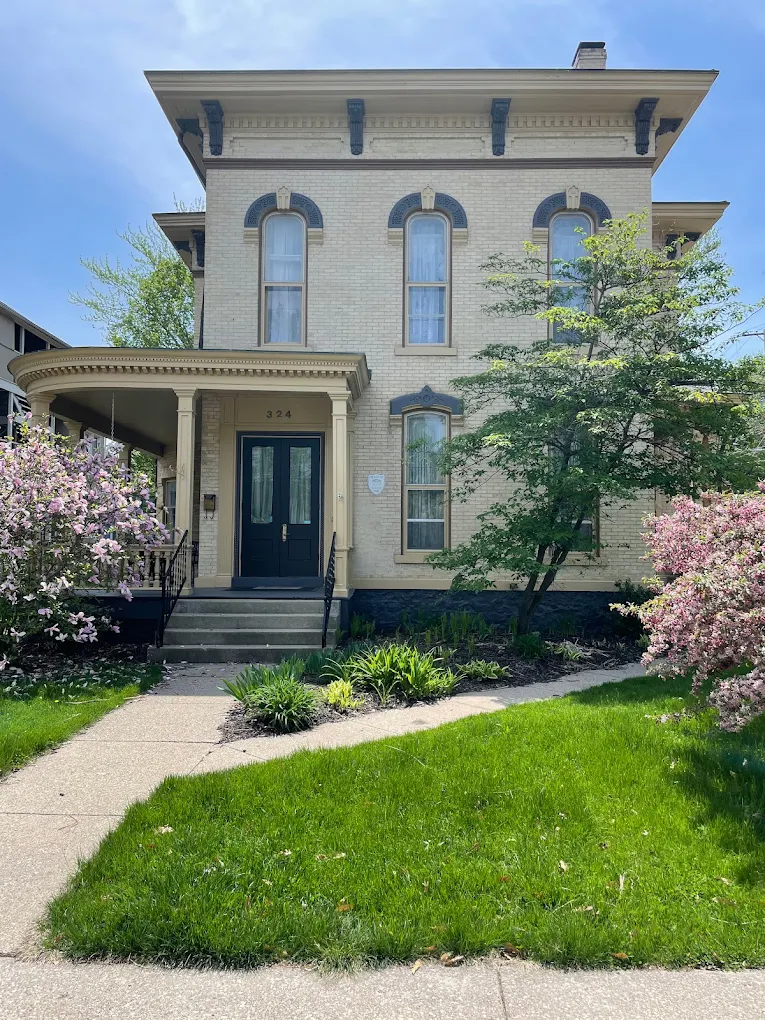
Our Hope Association provides residential addiction treatment for women in Grand Rapids, Michigan. This profile concerns the Lyon Street home at 324 Lyon Street NE, rather than the organization’s separate Walker Avenue property. The official homes page describes Lyon Street as a historic house in the Heritage Hill neighborhood, with a main building and a carriage house and capacity for up to 20 women. Confirm that Lyon Street is the location proposed for admission, because the two homes have different layouts and room arrangements even though they belong to the same treatment organization.
Our Hope is one of the women’s residential options in the United States directory. Its public description emphasizes community living, structured routines, counseling, and connections with other women in recovery. This is useful information for someone who wants to understand the social environment of a stay as well as the formal therapy. Ask how the program fits the individual’s current needs, especially if there are medical concerns, previous treatment experiences, caregiving responsibilities, or practical barriers to spending an extended period away from home.
A program organized around a longer residential stay
The official treatment page presents Our Hope’s signature residential program as lasting 90 days. It describes assessment, individual and group therapy, trauma-informed care, education, and round-the-clock therapeutic staff supervision. It also includes shared household responsibilities, community recovery meetings, and continuing support. These are descriptions of the provider’s approach. The advertised duration is not a clinical recommendation for every woman, and it should not be confused with a 30-day price example from a directory. Ask the assessing team to explain the expected stay and how progress and ongoing needs are reviewed.
A longer stay can require substantial practical planning. Consider who will handle housing costs, pets, childcare, scheduled appointments, and essential correspondence while the resident is away. Discuss these responsibilities early enough that the treatment team can understand pressures that might interfere with participation. If the full proposed duration seems difficult, ask what options are clinically appropriate and what the financial implications would be. A useful conversation acknowledges those constraints without assuming that an advertised program length can simply be shortened or that remaining in residence for a particular number of days guarantees a result.
Community living at Lyon Street
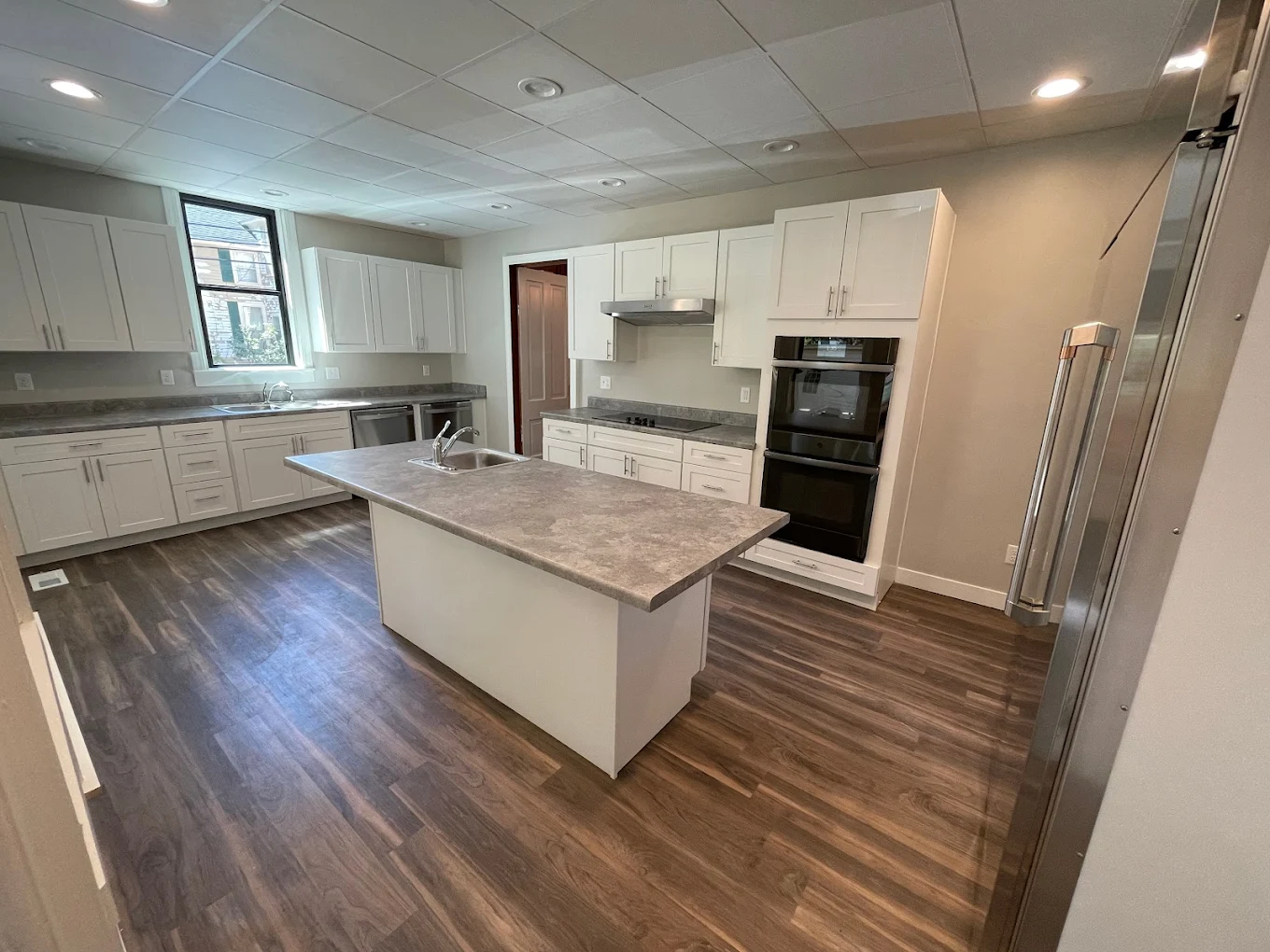
Our Hope’s community living information explains that residents are likely to share bedrooms with one or two other women and eat together. The social setting is part of the program’s approach, rather than merely an accommodation arrangement. Ask how household tasks are assigned, how residents receive support with shared responsibilities, and how disagreements are handled. Someone who has not lived with roommates may want to understand quiet hours, personal storage, and opportunities for privacy. Those details can help make the first days more predictable and show whether the environment feels workable.
Room information from the newer Walker Avenue home should not be transferred to Lyon Street. The organization describes some single-bed rooms at Walker Avenue, but that does not establish private accommodation at this home. Ask admissions for the actual Lyon Street room allocation and bathroom arrangement for the planned stay. If stairs, mobility limitations, sleep needs, or personal-care assistance matter, explain them before a room is offered. The historic character of a building can be appealing, but a resident needs a practical understanding of accessibility and the assistance available rather than relying on photographs or general descriptions of comfort.
Participating in a shared household may bring up concerns that are worth discussing beforehand. A woman may be used to caring for others and find it difficult to ask for help; another may need time to feel comfortable in communal spaces. Ask how staff introduce new residents, explain expectations, and respond when someone is struggling to participate. The aim is to understand how the program supports learning everyday skills without assuming that all residents arrive with the same abilities or confidence. Clear expectations and a route for asking questions can be as useful as knowing the therapy timetable.
Individual appointments and group work
The Our Hope FAQ states that residential clients have at least one hour of individual therapy each week and can request additional time. It also describes daily group or educational work. Ask what the current schedule at Lyon Street looks like and how the team decides whether additional individual appointments are appropriate. If you are seeking intensive one-to-one work, this distinction is especially relevant. A program with substantial group participation offers a different experience from one organized mainly around individual sessions, even where both describe their care as personalized.
Use the assessment to describe the goals you want to address and what has helped or disappointed you in earlier care. Specific examples are useful: difficulty speaking in a group, trouble following a busy schedule, an unresolved medication question, or a need for more practical support between sessions. Ask how the therapist and resident review those goals during the stay. If there is an existing therapist, discuss consent for sharing relevant information and planning the return to that relationship. Continuity is easier to understand when the people involved agree their roles rather than leaving the resident to connect separate services alone.
Trauma, mental health, and medical needs
Our Hope describes trauma-informed care within its addiction program. Ask how that approach affects the resident’s actual experience, including choice, communication, group participation, and responses to distress. It does not automatically establish that every specialized trauma intervention is available or appropriate immediately. If a mental health condition is a major part of the reason for seeking care, ask which diagnoses and support needs the program accepts, who provides psychiatric assessment when needed, and how medication is managed. Compare these answers with the needs identified by the person’s current clinicians.
The description of residential therapeutic supervision should not be read as confirmation of onsite medical detox or hospital-level care. Before admission, ask whether withdrawal management or another medical assessment is required elsewhere and who coordinates that step. Explain current medications, physical illnesses, and any assistance needed with everyday activities. The receiving team should clarify which needs it can meet at Lyon Street and which involve outside services. This is particularly important when a woman is transferring from a hospital or another program, because both services need to agree a safe and understandable handover.
Recovery community and personal beliefs
Our Hope describes participation in outside women’s recovery meetings and a spiritual dimension to its approach. Its FAQ states that it is not affiliated with or promoting a specific religion. Ask how the current program accommodates different beliefs and preferences, including what is expected at community meetings and which activities are optional. A woman may welcome this aspect of the program or want to understand it more fully before deciding. The useful issue is how the approach works in daily life, with respectful room for individual values and questions.
Community contacts can also be part of preparing for life after residence. Ask whether the meetings and support networks introduced during treatment can remain accessible after returning home, particularly if you live outside Grand Rapids. Someone moving back to another community may need help identifying local options and deciding which feel suitable. Discuss transportation and scheduling as well as the names of groups. A long list of resources is less useful if the resident cannot attend them or has not had a chance to consider whether the setting and approach meet her needs.
Family relationships and responsibilities
The residential treatment page describes family education, while the FAQ also discusses family sessions. Ask which support is available during the proposed stay and how the resident chooses who is involved. A relative may need help understanding boundaries or the arrangements for returning home, while the resident may have different priorities for therapeutic work. These conversations should be planned with consent rather than assumed from the fact that a family member arranged an inquiry or is helping pay. Where a relationship is unsafe or contact is unwanted, discuss that concern directly with the clinical team.
Clarify communication rules before admission, including any initial limits, visiting arrangements, and the route for urgent family information. A resident with children or other dependents may need a specific plan for essential contact. Ask how practical concerns can be raised without turning the stay into a continuation of all normal responsibilities. The aim is to arrange support that makes participation possible, with expectations understood by the resident and the people helping at home. Written information can be useful when several family members are involved in transport, housing, or other arrangements.
Fees and possible funding routes
As checked on October 20, 2026, the Recovery.com Lyon Street listing displayed an estimated cash-pay cost of US$36,000 for 30 days. This secondary estimate is not a verified quotation for the official 90-day signature program. Do not multiply it to infer a total or assume it represents the actual amount due from an insured resident. Ask Our Hope for a current written explanation of the proposed duration, payment schedule, included services, and any charges that may arise if the plan changes.
The official FAQ describes Medicaid access through community mental health referrals, certain locally administered funding arrangements, Cigna inquiries, and possible scholarships. Treat these as routes to investigate rather than promises of eligibility or coverage. Ask the intake team which options are current for the individual’s residence, insurance, and circumstances, and confirm benefits with the payer. A scholarship or referral may have its own assessment and availability requirements. Keep the funding discussion connected to the actual Lyon Street admission so that a general statement about the organization does not substitute for an agreed financial plan.
Continuing care and a useful first inquiry
Before choosing Lyon Street, ask how the team will plan ongoing therapy, recovery support, medication follow-up where needed, and practical arrangements after departure. Identify who will coordinate with existing professionals and what information will be shared with consent. Our Hope publishes (616) 451-2039 and [email protected] for treatment inquiries. A useful first conversation should leave you clearer about the proposed home, assessment requirements, shared living environment, expected duration, and funding route. Those specifics provide a firmer basis for deciding whether this women’s community setting matches the care and support being sought.
Destinations
Conditions
Levels of care
Program approach
Provider-described individual and group therapy, trauma-informed care, recovery community involvement, and shared household responsibilities
Fees & admissions
Estimated USD 36,000 / program
Recovery.com estimate checked 2026-10-20: USD 36,000 for 30 days. Official program advertises 90 days; do not extrapolate a 90-day total. Confirm provider quotation and applicable funding.
Confirm the current program, duration, accommodation and included services directly with the center.
Intake assessment; confirm Lyon Street placement, medical readiness, duration, and funding route