About Rainbow’s End Recovery Center — Challis
Residential addiction care near Challis
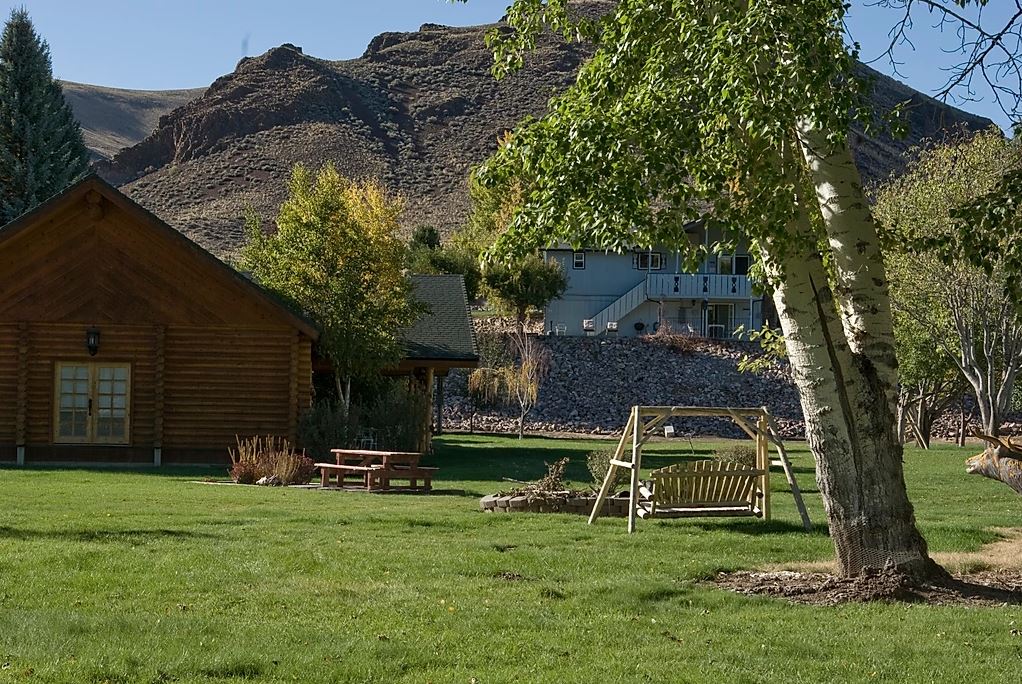
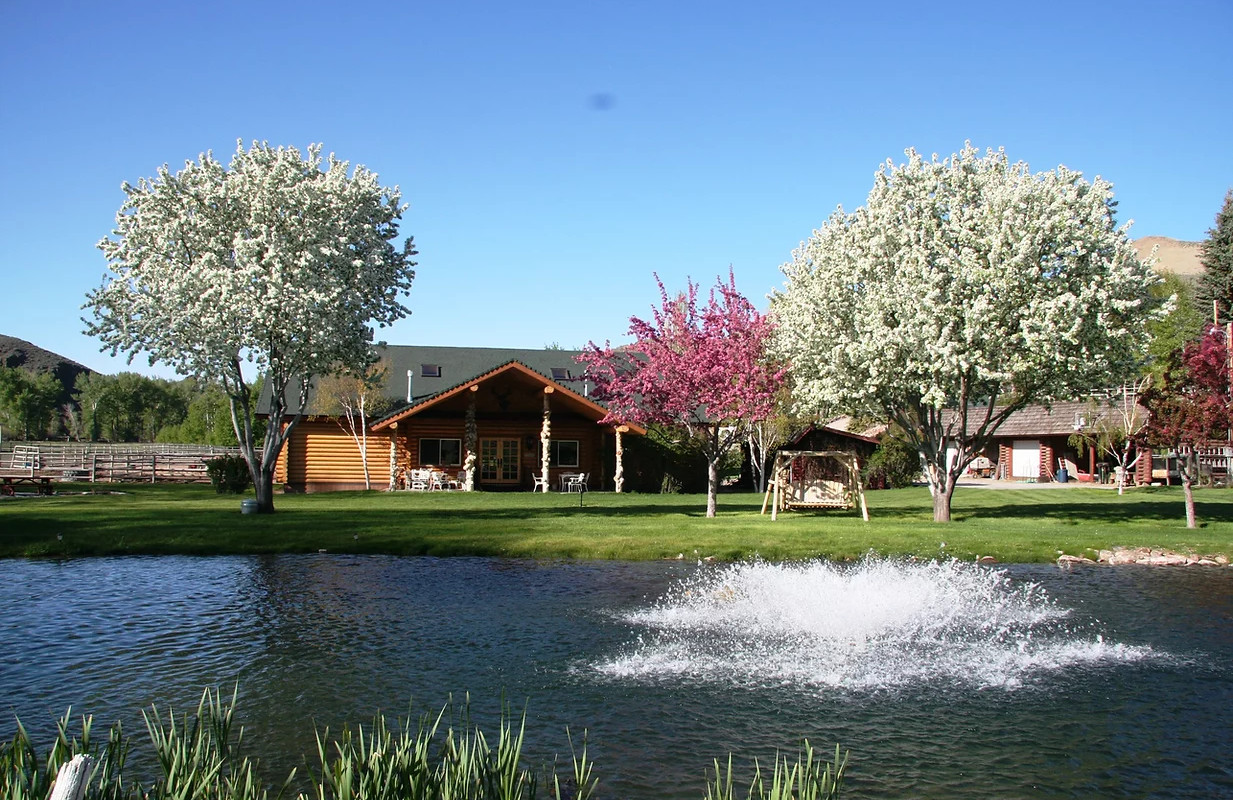
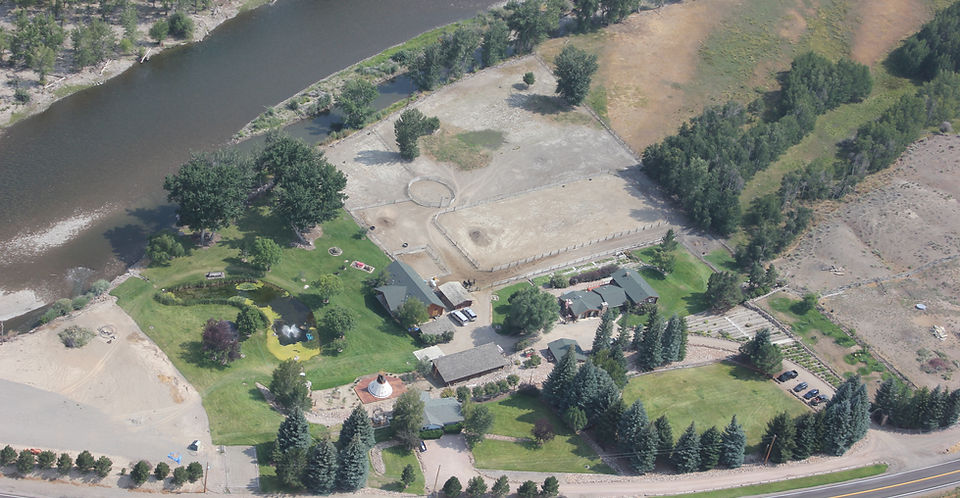
Rainbow’s End Recovery Center is a residential alcohol and drug treatment provider at 25341 Highway 93 near Challis, Idaho. Its official website describes an adult program that addresses substance use alongside co-occurring mental health concerns. The campus is in central Idaho beside the Salmon River, with separate residences for men and women. This profile explains the published service and the questions that help a prospective resident evaluate the actual care arrangement.
Readers comparing treatment programs in the United States should consider Rainbow’s End as a particular small residential option. Its location, shared accommodation, clinical approach, and continuing-care plans should be discussed with the person and an appropriately qualified clinician. A rural setting may fit some preferences, but it does not establish suitability on its own. The decision should begin with the person’s current substance use, mental health, medical needs, medication, and previous treatment.
A small program for substance use and co-occurring concerns
The provider’s treatment page describes a structured live-in program with capacity for up to 14 clients. It identifies a dual-diagnosis focus, meaning substance-use treatment is considered alongside relevant mental health needs. Ask admissions which conditions the actual team can manage, how assessment works, and whether the person’s primary concern fits the program. A small census describes the setting but does not, by itself, establish the amount of individual clinical contact.
Ask how information from existing doctors or therapists is included in assessment and who coordinates the overall plan. If the person has trauma-related needs, significant mood symptoms, physical illness, or another specialist concern, discuss the required resources directly. The co-occurring conditions guide helps organize these questions. A program should explain both its capabilities and its limits, including when a different medical or psychiatric setting would be more appropriate.
Clarify the detoxification pathway before arrival
Rainbow’s End now explicitly lists medical detoxification supervised by its medical director in its official treatment information. That is more specific than a general residential description. Ask the accepting clinician which withdrawal needs can be managed, what monitoring is provided, and what would require hospital care or another service. The availability of a detoxification pathway should be confirmed for the individual, particularly when medication dependence, previous complications, or physical health concerns are involved.
Provide the complete medication and substance-use history through the agreed clinical process. Do not abruptly stop prescribed medication or alter substance use to fit an admission date without appropriate medical advice. Ask how preparation is coordinated with the person’s existing clinician and what happens if health changes before departure. The medical stage and subsequent residential work should form a clear sequence, with the team explaining when each stage begins and how the plan is reviewed.
Understand the individual and group treatment
The published program includes individual and group therapy, family or couples work, and trauma-focused approaches. The provider names cognitive behavioral therapy, dialectical behavior therapy, mindfulness-based methods, narrative work, EMDR, and equine-enhanced interventions among its services. Ask which methods are recommended for the person, who delivers them, and how that recommendation follows from assessment. A list of available approaches does not mean that every resident receives or needs each one.
Request a representative week showing individual appointments, groups, medical reviews, rest, activities, and unstructured time. Ask how goals are agreed with the resident and how feedback affects the plan. If a person has found a particular approach difficult in previous care, discuss that before admission. The team should be able to explain the purpose of the proposed work and the alternatives available, rather than rely on the names of therapies as a complete description of treatment.
Ask about recovery models and personal preferences
Rainbow’s End describes exposure to several recovery-support models, including 12-step and other community approaches. Ask how these are introduced, whether participation choices are available, and how the resident’s beliefs or prior experience are considered. The practical question is what the person will attend or practice and how that connects to their goals. A program can introduce different support options without assuming that one approach is the right continuing resource for every resident.
Discuss how the team helps identify useful support after discharge, especially if the person returns to a community far from Challis. Ask whether meetings or other resources can be explored before leaving and who helps make the connection. Our addiction treatment guide provides broader questions about continuing support. The aim is to leave with a workable next step and a clear understanding of how it fits the person’s ongoing clinical care.
Shared rooms in separate residences
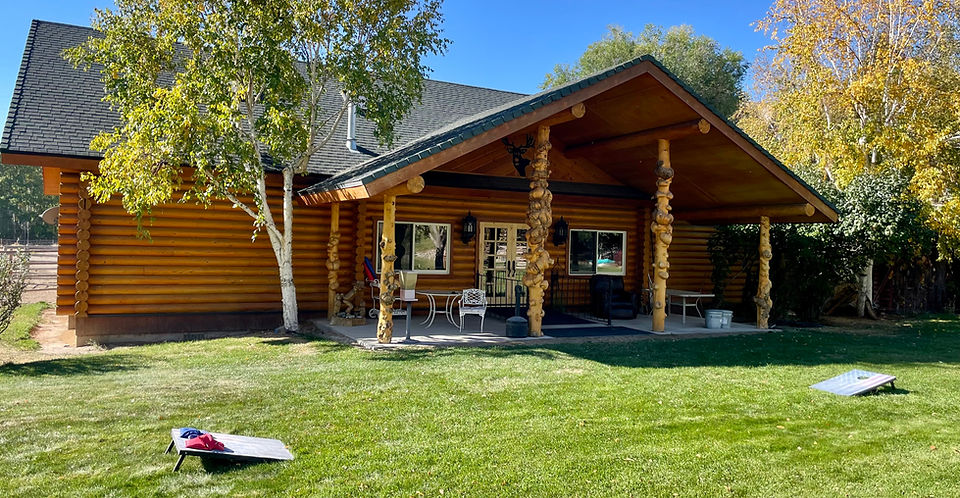
The official facility page describes double-occupancy bedrooms and separate residences for men and women. This is shared accommodation, rather than a guaranteed private bedroom. Ask how rooms are assigned, which bathrooms and communal areas are shared, and how individual needs are accommodated. If a particular room arrangement is essential, confirm it before admission rather than infer it from the general description or a photograph.
The provider also describes meals prepared on site and served in a family-style setting, with a visiting nutritionist reviewing food-related arrangements. Ask about allergies, dietary needs, and any medical nutrition requirements during assessment. Clarify accessibility, laundry, personal belongings, visitors, and time outside scheduled sessions. A homelike environment still has a structured routine, and the resident should understand that daily experience as well as the clinical appointments.
Know who provides overnight and medical support
Rainbow’s End publishes information about day and night staffing on its facility page. Readers should confirm the current arrangements with the actual team, including which staff are physically present, who is responsible for medication support, and how a medical concern is assessed outside ordinary clinical hours. Residential supervision, nursing, and access to a doctor are distinct questions. The provider should explain the roles and availability relevant to the proposed admission.
Ask what medical needs require an outside appointment or transfer and how those services are reached from the campus. Clarify who coordinates transport, records, communication, and costs. The residential care guide can help compare overnight support and clinical structure. The rural location makes it especially useful to understand the practical route to additional care before travel, rather than rely on a general statement that support is available.
Outdoor activities and the actual daily experience
The provider’s activities page describes fishing, hiking, supervised outings, crafts, and music-related opportunities. These activities contribute to the published residential experience, but availability and participation should be confirmed for the season and the individual’s needs. Ask which are optional, how physical abilities are considered, and what alternatives exist. An outdoor activity should not be treated as a substitute for the clinical work or a guarantee of a particular outcome.
Discuss practical requirements such as clothing, footwear, mobility, and the amount of time spent outdoors. If the person has concerns about being in a rural setting or away from familiar support, raise them during assessment. Ask how family contact and ordinary routines are handled. The countryside setting guide provides questions about access and daily life that complement, rather than replace, the evaluation of treatment.
Prepare for admission and communication arrangements
The official admissions page provides a packing list and information about identification, insurance details, medicines, and personal items. It also describes an initial three-day restriction on cell-phone use. Confirm the current policy, how necessary family or work communications are handled, and whether individual arrangements are possible. Understanding these expectations before arrival helps the person prepare without discovering an important practical rule after traveling.
Ask the clinical team exactly how to bring existing prescriptions and what records they require. Follow the current admission instructions and the prescribing clinician’s advice rather than rely solely on an older checklist. Agree whom the center may contact and what information can be shared. If a relative helps arrange the stay, distinguish that administrative role from the resident’s consent to clinical updates and family participation.
For someone traveling to Challis, confirm clinical acceptance before finalizing the journey. Ask which arrival route the center recommends, whether transport is supplied, and what happens if travel is delayed. Discuss any support needed during the journey with the appropriate clinician. Use the actual Highway 93 address and a current arrival contact, rather than assume that a general Idaho destination search identifies the admission point. The receiving team should have the relevant records and know when the person is expected.
Interpret the price evidence correctly
The Recovery.com listing for this Challis center, reviewed October 20, 2026, shows an estimated cash-pay rate of USD 30,000 for 30 days. This is a third-party estimate, not an official Rainbow’s End tariff or a guaranteed total for an individual admission. The period is the cited 30-day program; it should not be silently converted into a calendar-month fee or a daily price.
Request a written quote identifying the assessed care stage, duration, accommodation, clinical sessions, medication, tests, transport, and aftercare. Ask what changes if the clinician recommends a longer stay or a different service. The provider’s admissions information describes financial counseling and discussion of insurance or payment arrangements, but those possibilities need confirmation for the individual. Verify benefits and authorization directly with the payer and review deposits, cancellation, early departure, and transfer terms.
Build the continuing-care plan before discharge
Ask who prepares the discharge summary, medication record, referrals, and first follow-up appointments. Rainbow’s End describes structured case-management planning for care after treatment; the resident should ask what that means for their home location. A recommendation for outpatient care, sober living, or remote support does not establish that the same campus supplies those services. Identify the actual receiving provider and confirm that the handover is arranged.
Use our admission question guide and cost guide to review the complete proposal with the person and their clinician. Rainbow’s End offers a specific residential setting to investigate: a small central Idaho campus, shared rooms, substance-use and co-occurring care, and a published mix of clinical and recovery-support services. Suitability depends on assessment, current staffing and availability, clear fees, and a practical plan that continues beyond the stay.
Destinations
Conditions
Levels of care
Settings
Program approach
Individual and group therapy, CBT, DBT, mindfulness, family/couples work, trauma-focused approaches, recovery-model exposure, and aftercare case management
Fees & admissions
Estimated USD 30,000 / program
Recovery.com exact-campus listing reviewed October 20, 2026 shows an estimated USD 30,000 for a 30-day residential program. Third-party estimate, not an official provider tariff or guaranteed individual total; confirm the assessed duration, inclusions, and current written quote. No daily or calendar-month conversion applied.
Confirm the current program, duration, accommodation and included services directly with the center.
Clinical assessment of withdrawal, medical and psychiatric needs; confirm current detox eligibility, staffing, medication arrangements, room assignment, insurance, fees, travel, and continuing care