
Care at The Ranch at The Raleigh House — Watkins
Residential treatment at The Ranch in Watkins
The Ranch at The Raleigh House is a residential treatment campus on 40 acres at 325 South Almstead Avenue, Watkins, Colorado 80137. It provides care for substance use disorders, primary mental health conditions, and co-occurring concerns. The current official campus information identifies detox and stabilization, inpatient treatment, and partial hospitalization among its services. The Ranch is distinct from The Raleigh House’s Denver Tech Center location, so the proposed admission should name the actual campus and level of care.
The Watkins setting combines a structured clinical program with outdoor space and experiential activity. The provider describes treatment on open Colorado countryside within reach of Denver International Airport, making it an option for both local and traveling clients. The rural environment is part of the program’s character, while assessment determines the substance of care. A prospective resident should evaluate the proposed clinical plan, medical support, daily schedule, and continuing-care arrangements alongside the setting and accommodation.
Addiction, primary mental health, and integrated care
The exact Ranch page states that mental health conditions can be treated on their own as well as alongside substance use. It names depression, anxiety, and trauma-related concerns among common presentations. This means a substance-use diagnosis is not automatically required to discuss admission. The receiving team should identify the person’s main needs, medical and psychiatric stability, previous treatment, and required support. A published condition list is not a guarantee that every presentation can be managed in the residential setting.
For addiction treatment, the provider identifies alcohol and other substances, including opioids, heroin, cocaine, and methamphetamine. Integrated dual-diagnosis care considers the relationship between substance use and mental health difficulties rather than treating them as unrelated problems. The assessment should clarify how symptoms have changed over time and what earlier care has addressed. A useful plan identifies the concerns being treated, the responsible clinicians, and how progress will be reviewed across medical, psychiatric, and therapeutic components.
Detox, stabilization, and residential phases
The Ranch’s current description includes detox and stabilization when clinically indicated. This stage focuses on immediate medical and emotional support before or alongside the next phase of treatment. The person’s recent substance use, prescriptions, physical health, psychiatric symptoms, and previous withdrawal experiences inform the decision. The admission team should explain the actual monitoring and medical arrangements and confirm where the initial stage will occur. Provider-wide descriptions should not replace a campus-specific plan for the individual.
The Raleigh House also operates the Center for Integrative Behavioral Health at the Denver Tech Center. Its current exact program page describes several levels, including stabilization, medically monitored residential treatment, PHP, and IOP. A transfer between the two locations should therefore be explained in terms of the assessed need and the service being provided. The resident should know the receiving address, transport arrangements, and how clinical information and medication responsibilities carry forward. The two addresses should not be treated as interchangeable.
The Ranch advertises 30-, 60-, and 90-day inpatient options. These periods describe the program framework rather than an automatic recommendation for every person. The clinical plan should identify an expected starting period, review points, and the reasons for any extension or transition. The amount of time is useful only when connected to the work being undertaken and the support needed afterward. Financial and practical arrangements should allow for a clinical discussion if the recommended duration changes.
Psychotherapy and trauma-related work
The exact campus information names cognitive behavioral therapy, EMDR, and Accelerated Resolution Therapy among its approaches. The wider model also includes family systems work, psychiatric support, and individualized treatment planning. These methods should be selected according to the resident’s presentation and readiness. The therapist should explain the purpose of a proposed approach, what participation involves, and how it fits the rest of care. The availability of a trauma method does not establish that it starts immediately or is appropriate for every resident.
Cognitive behavioral work provides a framework for examining patterns of thought and behavior in situations the person recognizes. Individual sessions can address personal experiences and goals, while groups offer a setting for shared learning and interaction. The provider describes combining clinical therapy with education and experiential activities. A useful weekly schedule distinguishes these components and shows the balance of individual appointments, groups, medical contact, recreation, and time to rest. That detail is more informative than a long list of modalities alone.
Trauma-related concerns may influence the admission even when substance use or another mental health condition is the most visible difficulty. The clinical team should consider the person’s history without assuming every current problem has the same cause. Preparation, consent, pacing, and support are important parts of any proposed trauma work. The resident should understand how questions or discomfort can be raised and how the plan is adjusted. A residential stay creates opportunities for treatment but does not promise that all past experiences will be resolved within it.
Ground-based horse experiences and outdoor activities
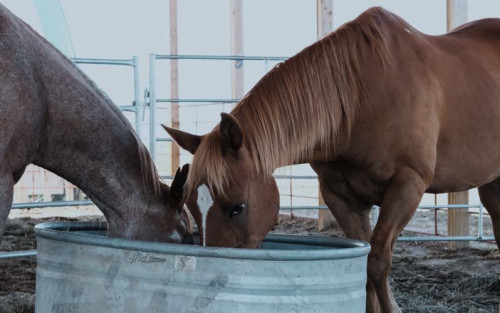
The Ranch’s current campus FAQ gives a specific explanation of its horse-related activities: clients interact with horses from the ground and do not ride them. It describes the present offering as an equine experience rather than a formal equine-therapy program, despite broader therapy wording elsewhere on the page. The directory follows that more specific explanation. Someone interested in the activity should understand who facilitates it, how participation is organized, and its role within their individual treatment schedule.
Other published experiential activities include rock climbing, yoga, meditation, horticulture, and ecotherapy. Horticulture and ecotherapy are identified as seasonal, so their availability may depend on the time of year. These activities can provide different settings for engagement and reflection alongside clinical sessions. The program should explain their purpose and any adaptations needed for the person’s physical health, mobility, or comfort. The presence of an activity on the website is not a guarantee that every resident takes part in it.
Nutrition, routines, and accommodation
Personalized nutrition is part of the Ranch’s published model. The exact-campus secondary profile describes on-site chefs and communal dining within a lodge-style building. Food requirements, allergies, and any medical or eating-related concerns should be discussed during assessment so that the actual arrangements are appropriate. Nutrition support should be connected to the person’s needs and daily routine. It should not be treated as a standalone promise to resolve addiction, trauma, or another mental health condition.
The secondary campus information describes furnished bedrooms, shared living and dining spaces, a gym, yoga, porches, and outdoor gathering areas. The official page confirms the 40-acre Watkins property and provides campus imagery. A prospective resident should establish the actual bedroom and bathroom arrangement, room sharing, accessibility, and any particular privacy requirements. The current inspected material does not guarantee a private bedroom for every admission. Photographs show the property’s character but may not show the exact room available.
A lodge setting still involves the routines of a treatment community. Residents share parts of the schedule and common spaces while also attending individual appointments. The admission team should explain how personal time, visitors, communication, devices, and participation are organized. Someone traveling from outside Colorado may also need help coordinating belongings, arrival, and onward travel. These practical details should be settled alongside the clinical plan so the actual experience matches what has been discussed.
Family systems work and support outside the program
The Raleigh House describes family systems therapy as part of its model. The work considers relationships and patterns around the person receiving treatment, with family participation offered when appropriate. For an adult resident, involvement should reflect their agreement and the needs of the relevant relationships. The plan should identify who participates, what the sessions address, and how communication is handled. A family member may need support preparing for the resident’s return as well as information about the treatment process itself.
Family work can also contribute to practical continuing-care arrangements. The person’s next living situation, access to appointments, medication responsibilities, and support between sessions may involve relatives or other trusted people. These arrangements should be explicit rather than assumed. A resident returning to a different state needs a plan that fits that community. The family’s role should complement the clinical recommendation and the resident’s own goals, with clear responsibilities for each part of the transition.
PHP, outpatient care, and the transition from the Ranch
The Ranch’s partial hospitalization program provides intensive daytime treatment as participants begin moving toward greater independence. The provider describes a supportive living environment outside treatment hours. That arrangement should be distinguished from an inpatient clinical stay, even when housing remains connected to the wider program. The exact timetable, sleeping location, staffing outside sessions, and transport should be identified. The decision to move into PHP should reflect assessed needs and readiness for the greater responsibility outside structured treatment hours.
Further outpatient care may occur through The Raleigh House’s Denver Tech Center service or another suitable provider. The wider program also describes alumni meetings and recovery-community activities. These can offer continued connection alongside clinical appointments where needed. A discharge plan should identify the actual next services, dates, prescribing arrangements, housing, and records transfer. The useful outcome is a workable set of arrangements, rather than a general statement that aftercare is available.
Current price evidence and admissions
The exact Ranch Recovery.com profile inspected on October 20, 2026 displays estimated cash-pay amounts of $51,000 for 30 residential days and $30,000 for 30 days of PHP with housing. These are distinct third-party estimates, not tariffs published by The Raleigh House. They should not be combined or treated as interchangeable. A written proposal should identify the assessed level, exact campus, duration, accommodation, included clinical services, and any additional charges, including how the amount changes if the plan changes.
The current official telephone is 720-307-6337, and the provider offers insurance verification. Actual coverage and patient responsibility depend on the policy, service, and authorization. Compare the Ranch with other treatment centers in the United States and the options in the Colorado treatment guide. Its defining features are the Watkins campus, primary mental health and addiction pathways, experiential activities, and the ability to plan through several levels of care with each stage clearly identified.
Sources reviewed October 20, 2026: official Ranch campus page, residential program, Denver Tech Center program distinction, and exact-campus fee and accommodation evidence. The specific horse-activity FAQ is used in preference to broader equine-therapy wording.
Conditions
Levels of care
Settings
Amenities
Treatment approach
CBT, EMDR, accelerated resolution therapy, individual and group work, psychiatric support, family work, nutrition, seasonal horticulture, outdoor activities and ground-based equine experiences
Fees & admissions
USD 51,000 / program
Recovery.com estimated USD 51,000 for 30 days of residential care, checked October 20, 2026; this is not an official tariff. Its separate USD 30,000 estimate is for 30 days of PHP with housing, not the same residential package. Confirm all inclusions and any preliminary detox charges.
Confirm the current program, duration, accommodation and included services directly with the center.
Confirm detox or stabilization needs, addiction versus primary-mental-health track, exact room and dates, included medical and clinical services, medication and laboratory charges, insurance responsibility and continuing-care location.