About Rancho Milagro Recovery — Temecula
Rancho Milagro Recovery: a small residential program on a Temecula ranch
Rancho Milagro Recovery provides addiction treatment at a ranch in the Temecula hills of Southern California. Its published program combines withdrawal care when needed, residential treatment, and attention to co-occurring mental health concerns. The ranch environment and its rescue animals are distinctive parts of the provider’s description. They should be considered alongside the clinical plan, staff resources, accommodation, and continuing care, rather than treated as evidence that a particular person will benefit from the same activities or length of stay.
The residential address is 37235 Painted Pony Road, Temecula, California 92592. The provider’s admission information publishes 951-297-9888. California’s facility dataset separately identifies a nonresidential service on Commerce Center Drive. Ask which address is relevant to the first assessment, the overnight stay, and any later outpatient appointments. This listing concerns the ranch residence. Its inland setting should not be confused with a coastal campus simply because the organization serves people from across Southern California.
What the current evidence supports
California’s public substance use facility dataset, updated August 17, 2026 and reviewed October 20, identifies the Painted Pony Road property as The Ranch, operated by Rancho Milagro Recovery, Inc. Record 330144BP lists licensed and certified residential and detoxification services, ten treatment places, a coeducational adult population, and incidental medical services. Its displayed expiration is March 31, 2028. These details establish the recorded facility scope and capacity; they do not identify today’s vacancies or guarantee admission for every medical or psychiatric need.
Record 330144CP identifies certified nonresidential services at 27570 Commerce Center Drive, Suites 220 and 222, Temecula, with a displayed expiration of June 30, 2028. A later outpatient plan therefore needs its own address, schedule, and payment details. The ranch’s residential and detoxification record is not evidence of hospital-level inpatient care. Ask what nursing and medical coverage actually operates at the residence, how clinicians assess suitability, and which circumstances require care at another facility.
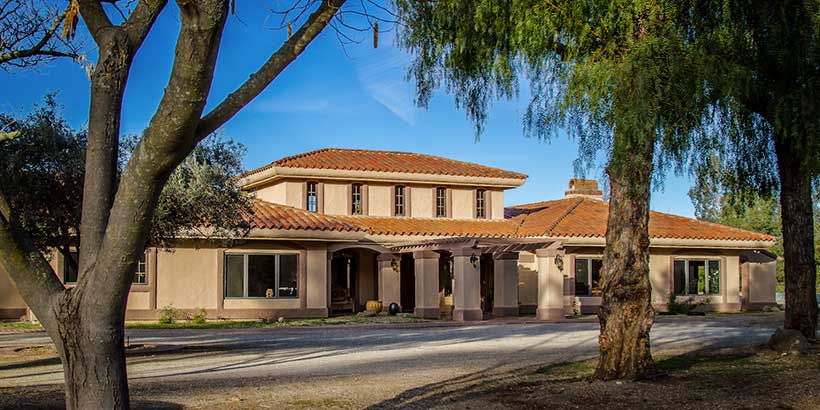
The provider’s home page describes a 60-acre property, a Spanish California-style ranch house, and a typical stay of thirty to sixty days. These are provider descriptions, not a surveyed land measurement or a personal treatment recommendation. During this review, direct automated page retrieval was unsuccessful, while indexed official pages remained available and the state records could be checked separately. A website retrieval problem is not evidence that a treatment program has closed. Confirm current availability and operational details directly.
Assessment and choosing the starting level
The published admissions process begins with a telephone discussion of substance use history, behavioral health concerns, and practical arrangements. The provider describes a pre-admission assessment lasting roughly fifteen to thirty minutes. That initial call helps organize the next step; it should not be confused with completion of every clinical assessment a person may need. Ask who reviews the information, whether further medical records are required, and when the treating team confirms the proposed level of care and arrival date.
Prepare an accurate account of recent substance use, prescribed medications, prior treatment, withdrawal experiences, medical conditions, allergies, and current mental health concerns. Explain any mobility, sleep, nutritional, communication, or sensory needs that could affect life on a ranch. Someone whose situation changes after the first call should tell the team before traveling. The relevant question is whether the actual program can meet the person’s current needs, not whether a website lists the substance or diagnosis by name.
Where withdrawal management is recommended, clarify the expected monitoring, access to nursing and a prescriber, medication arrangements, and the process for medical transfer. Ask when residential therapy begins and whether the initial days and later therapeutic phase have different fees. A typical stay reference does not establish how much time an individual needs in withdrawal care or residential treatment. For comparison, the directory’s explanation of residential care distinguishes an overnight therapeutic setting from less intensive follow-up.
Clinical work within the ranch environment
Rancho Milagro describes individualized treatment supported by individual and group sessions, addiction education, family work, and recovery planning. Secondary material describes a weekly rhythm that includes mindfulness, 12-Step discussion, relapse-prevention work, and activities such as music or yoga. Ask for the current timetable and the expected frequency of individual clinical appointments. A published example can help someone picture the day, but it does not confirm the exact staff, group topics, or activities available during a future stay.
For co-occurring mental health concerns, ask how psychiatric assessment, medication review, and psychological work are coordinated with addiction treatment. Confirm which professionals provide those services and how frequently they meet with a resident. A broad co-occurring description does not establish specialist capacity for every complex diagnosis or acute presentation. The directory’s discussion of co-occurring conditions can help prepare questions about integrated care without assuming a particular treatment method or result.
A person already taking prescribed medication should obtain an explicit continuation and monitoring plan. Ask what can be prescribed onsite, what requires an outside appointment, how prescriptions are filled, and who remains responsible during a later move to outpatient care. Include medication for physical health and sleep as well as recovery or psychiatric treatment. The plan should be agreed with the relevant clinicians before any changes are made, and the financial agreement should identify medication and outside professional charges.
Rescue animals, participation, and personal choice
The provider’s animal program describes a commitment to rescue animals and opportunities for residents to take part in their care. Its published examples include horses, pigs, cows, dogs, and other animals. Some activities may involve ordinary care and companionship, while others may be organized as therapeutic sessions. Ask how those activities differ, who supervises them, what qualifications are relevant, and how participation connects with the individual’s clinical goals. Animal contact should not be presented as a substitute for medical or psychological treatment.
The program’s animal-rescue information also describes possible involvement in caring for foster puppies. That is an opportunity to discuss, not a guaranteed assignment or adoption arrangement. Ask what animals are currently present, which activities are optional, and whether there are responsibilities outside scheduled groups. Someone interested in taking an animal home would need a separate conversation about eligibility, ownership, travel, housing, and ongoing care. A treatment stay should not depend on making an animal-care commitment the person cannot sustain afterward.
Ranch life may appeal to someone who values open space and animals, while another person may have allergies, fear, limited mobility, or a preference for less contact. Discuss those needs before arrival and ask about suitable alternatives. Confirm footwear, walking surfaces, shaded areas, indoor options, and the supervision appropriate to the planned activities. These questions help establish everyday fit. They also distinguish the provider’s rescue-animal program from a general promise that residents can bring their own pets without prior approval.
Rooms, meals, and daily arrangements
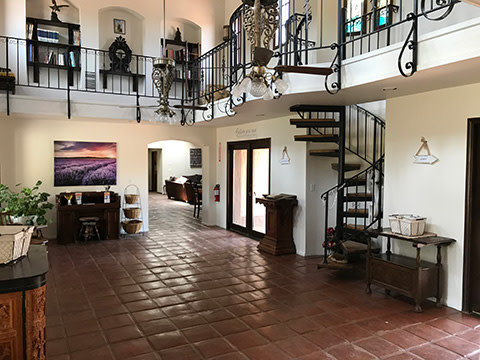
The ten-place state capacity supports a small residential program, but it does not specify how bedrooms or bathrooms are allocated. Ask for the actual room type, number of occupants, bathroom sharing, stairs, storage, laundry, and available accessibility features. An ensuite bathroom can serve a shared bedroom; it does not automatically establish private accommodation. The provider describes prepared meals, so discuss allergies, dietary requirements, meal timing, and what happens if a medical condition requires more specialized nutritional support.
Confirm the current rules for phones, computers, work contact, visits, deliveries, and time away from the property. A quiet location does not remove the need to coordinate childcare, finances, or other responsibilities during treatment. Ask whether a designated family contact can help with practical matters and how the resident gives consent for communication. For visitors, obtain the schedule, directions, parking instructions, and any restrictions before travel, rather than assuming ranch activities or all shared areas are open to guests.
Travel, family involvement, and the next stage
The published admissions information describes airport pickup arrangements involving San Diego, Ontario, or Los Angeles airports. Confirm which arrival is practical for the actual admission date, who provides the transfer, what it costs, and what happens if a flight is delayed. Ask whether an accompanying family member can join the intake and where that person would stay afterward. Travel coordination is separate from a guaranteed bed, and both the clinical placement and transport agreement should be confirmed before a ticket is purchased.
Ask how family sessions are arranged, whether remote participation is possible, and how the resident’s preferences and consent guide involvement. For continuing care, distinguish follow-up at the provider’s separate nonresidential address from services nearer home. A useful discharge plan identifies the next clinician, appointment date, medication supply, housing arrangement, transport, and contact process if the plan needs to change. Alumni or peer contact can be part of that plan, but its role should be explained separately from clinical appointments.
Understanding the price information
Recovery.com, reviewed October 20, 2026, displays a USD 25,000 estimate without a defined billing period. Its separate thirty-day program-duration reference does not establish that the price buys thirty days. No current official numeric tariff was verified for this review. Request a dated written quote for the assessed course, including the exact residential period, any withdrawal care, room, therapy, medical appointments, medication, laboratory work, transport, and optional activities. Ask how extensions, a transfer, or early departure affect the amount owed.
The provider’s insurance information describes help checking benefits. Verify the particular plan, facility, service, network relationship, authorization, deductible, and personal cost sharing. Coverage for one phase does not by itself settle payment for every later stage or outside service. Compare the final written plan with other United States treatment options using the clinical resources, practical fit, setting, and total expected cost. Rancho Milagro’s distinctive ranch and rescue-animal environment is most useful to assess alongside those concrete arrangements.
Sources and verification
Reviewed October 20, 2026: indexed official program and facility information, admissions process, rescue-animal program, insurance information, California facility dataset dated August 17, 2026, and Recovery.com secondary listing. Direct provider-page retrieval was unavailable during the review; current operations, arrangements, and financial terms require direct confirmation.
Destinations
Conditions
Levels of care
Settings
Program approach
Individualized addiction and co-occurring-condition care with individual and group sessions, family work, recovery education and planning, alongside ranch activities and a rescue-animal program; exact current therapy timetable requires confirmation
Fees & admissions
Confirm current pricing
Recovery.com checked October 20, 2026 displays USD 25,000 without a defined billing period. Its separate thirty-day duration reference does not establish what that amount covers. Ask for a dated offer identifying the assessed course, detoxification and residential days, room, professional appointments, medication, laboratory work, transfers, activities and later care.
Confirm the current program, duration, accommodation and included services directly with the center.
Discuss current substance use, prescriptions, withdrawal history, physical and psychiatric needs, current bed, room/bathrooms, ranch accessibility, animal participation, family arrangements, actual medical resources, insurance authorization, transfers and full written charges before travel.