About Recovery Centers of America — Indianapolis
Residential treatment at RCA Indianapolis
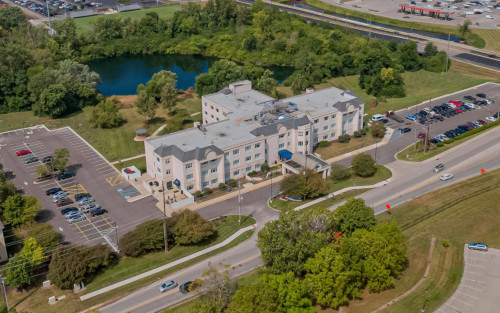
Recovery Centers of America at Indianapolis is a treatment campus in northwest Indianapolis, near Interstate 465. It offers residential addiction treatment, medical detoxification, outpatient care, and a separate pathway for adults whose primary need is mental health treatment. Those services make the campus relevant to several different situations, from a first admission for substance use to a return to care after an earlier treatment episode. The appropriate starting point depends on an assessment, rather than on choosing a package by its length or accommodation.
The campus combines clinical facilities with indoor and outdoor residential space. Its location can be practical for Indiana residents who want substantial support while remaining within reach of family and their existing healthcare network. Someone traveling from another state will need a different discharge arrangement. In either case, the decision is about the program that can address the person’s current needs, the support available overnight, and the next stage of care. A residential bed and an outpatient appointment represent different levels of support, even when the same provider offers both.
Four pathways with different starting points
RCA Indianapolis describes four named treatment pathways. Foundations of Recovery is intended for people experiencing addiction treatment for the first time. Fresh Start addresses the needs of people who have already been through treatment. Balance combines care for substance use and co-occurring mental health conditions. Restore is the provider’s pathway for mental illness without an active addiction. These distinctions are useful because two people seeking a residential stay may have substantially different reasons for admission and different priorities for the treatment team.
A first treatment experience often involves learning how the program works, understanding the purpose of different appointments, and finding a way to discuss substance use honestly. For someone returning to care, a more useful starting point is a review of what happened after the previous discharge. That review can consider gaps in ongoing treatment, changes in living circumstances, difficulties with medications, or an earlier plan that did not fit everyday life. The Fresh Start label should lead to a specific revised plan, rather than simply a repetition of the earlier stay.
Balance and Restore also need to be distinguished carefully. Balance addresses addiction alongside other mental health needs; Restore is described as a primary mental health pathway without active substance use disorder. The Indianapolis page identifies adults aged 18 and older as the population for its mental health services and names concerns including depression, anxiety, trauma-related difficulties, bipolar disorder, and schizophrenia. These published service descriptions do not establish that every person with one of those diagnoses can be admitted. Medical stability, current symptoms, and the level of supervision needed still require individual review.
Assessment, detoxification, and the residential phase
The provider describes a multidisciplinary assessment covering substance use history, medical conditions, psychiatric symptoms, personal circumstances, and treatment goals. For a prospective resident, this is the point at which information from existing clinicians becomes particularly useful. A current medication list, recent discharge information, and a clear account of earlier treatment can help the receiving team understand the situation. The assessment should identify the actual pathway, whether detoxification is needed, and whether the Indianapolis campus can provide the required support.
When detoxification is clinically indicated, RCA Indianapolis says it provides medical oversight, nursing monitoring, and medication as appropriate. Detoxification is one part of the treatment continuum. Its immediate focus differs from the ongoing therapy, daily routines, and recovery planning that follow. Someone comparing providers should therefore establish both where withdrawal management occurs and what happens after that phase. A plan that names only the detox stay leaves unanswered the important question of how the resident will move into further treatment once the initial medical needs change.
The campus describes residential treatment as a structured setting with around-the-clock support. Its published guidance gives approximately four to five weeks as a typical residential period while emphasizing that duration varies. That is an orientation for planning, not a promise of a fixed discharge date. The clinical recommendation and any insurance authorization may change as the team reviews progress. A written admission outline should distinguish the expected detox period, the residential phase, and any proposed outpatient care so that their different purposes and costs are clear.
Therapy and psychiatric care
The Indianapolis program lists individual psychotherapy, group therapy, cognitive behavioral therapy, dialectical behavior therapy skills, motivational interviewing, trauma-informed care, family education, and medication management. This is a broad clinical framework rather than evidence that every resident receives every intervention. The useful detail is how the team selects among these methods for a particular person. Someone whose main difficulty is repeated return to substance use may need a different emphasis from someone admitted through Restore for primary mental health treatment.
In the provider’s description, cognitive behavioral work addresses patterns of thinking and behavior, while dialectical behavior therapy skills focus on coping with distress, managing emotions, and relating to others. Motivational interviewing offers a collaborative way to explore a person’s own reasons for change. These methods can be discussed in concrete terms during an admission assessment: which difficulties are being targeted, how skills are practiced, and how the resident and clinician will review their usefulness. Naming an approach is the beginning of that conversation, not a substitute for an individualized plan.
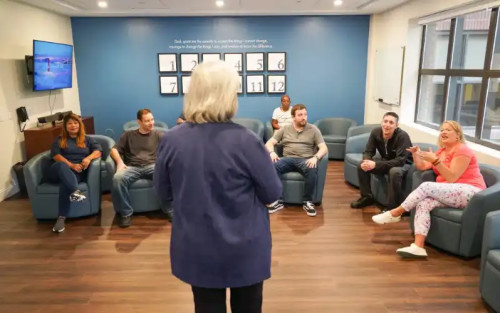
Group work and individual sessions serve different purposes in a residential schedule. Groups provide opportunities for education, practice, and interaction with peers; individual appointments allow more private work on personal history and goals. Psychiatric review adds another dimension when symptoms or medications need attention. RCA says medication-assisted treatment may be used for substance use disorders when appropriate. A prospective resident should establish how existing prescriptions are reviewed, who will prescribe during the stay, and how any ongoing medication plan will transfer to the next clinician.
Accommodation and daily life
The Indianapolis setting includes residential rooms, shared lounges, fitness facilities, and outdoor recreation space. The existing campus information describes semi-private accommodation with televisions and bathrooms. Room arrangements should be confirmed for the actual admission rather than inferred from a photograph or a general description. For someone who finds shared space difficult, the relevant details include the room allocation, quiet areas, the daily timetable, and how staff respond when a resident needs additional support within the community.
The official campus page lists a pond with fishing equipment, patios and gazebos, basketball, volleyball, disc golf, and a fitness center. It also describes meals prepared on site. These features give a clearer picture of the physical setting and the ways residents may spend time outside formal sessions. They should be understood as supporting aspects of residential life. Access to a particular activity can depend on the schedule, weather, and individual circumstances; the presence of recreational facilities does not establish a particular clinical outcome.
Preparing for a stay means planning for the ordinary details of living away from home as well as for treatment. RCA’s Indianapolis guidance discusses on-site laundry, suitable clothing, and bringing medications in their original labeled containers. The campus should provide its current packing instructions before travel. Work, caregiving, pet care, and important appointments outside the program also need arrangements. Addressing these matters early can make the transition more manageable without assuming that a residential timetable will accommodate normal work or family routines.
Outpatient care and the transition home
RCA Indianapolis offers partial hospitalization and intensive outpatient services in addition to residential treatment. Outpatient participants attend scheduled care while living at home or in suitable recovery housing. This changes the practical balance: the person has more contact with everyday life and more responsibility for the hours outside treatment. The campus also describes virtual options and sober living linked to outpatient participation. Eligibility, housing availability, and the appropriate format need confirmation for the individual’s situation and location.
A planned transition should identify more than the name of the next service. It should show where appointments will take place, how transportation will work, which clinician will manage medications, and who can help if the plan becomes difficult to follow. For someone staying in Indianapolis, the provider’s own outpatient services may be one option. For a person returning elsewhere, coordination with clinicians closer to home may be more practical. Continuity depends on those arrangements being usable after discharge, rather than simply listed in a document.
The provider describes case management, family resources, alumni events, and peer support as parts of continuing care. Family involvement should reflect the resident’s consent and the relationships relevant to their recovery. Some people benefit from including a partner or close relative; others need clearer boundaries around family participation. Alumni and peer activities can provide connection, but they have a different role from prescribed clinical appointments. A discharge plan should make the purpose of each form of support clear.
Fees, coverage, and making a comparison
The directory’s earlier pricing check recorded a Recovery.com estimate of $750 per day on September 17, 2026. Multiplying that figure by 30 produces $22,500 as a comparison calculation. It is not an official RCA monthly package, a current individual quotation, or a guarantee that every part of treatment is included. Detoxification, residential treatment, outpatient care, and recovery housing may involve different arrangements. The amount a particular person pays can also depend on their coverage and the services authorized.
RCA’s current Indianapolis information describes insurance verification and self-pay options. The useful financial document is a written explanation for the specific proposed admission: expected care level, covered services, remaining patient responsibility, and how extensions or changes in care are handled. A network participation statement alone does not establish that a particular policy covers a particular stay. Confirming those details before arrival helps distinguish the treatment recommendation from the financial arrangements that support it.
For a wider view, compare the campus with other treatment centers in the United States and the directory’s Indiana residential treatment guide. RCA Indianapolis is most usefully assessed through its separate addiction and primary mental health pathways, available medical support, residential environment, and local continuing-care options. The strongest comparison is between clearly defined care plans for the same person’s needs, with the campus, services, accommodation, and financial terms identified in each.
Sources: RCA Indianapolis official campus information, reviewed October 20, 2026; Recovery.com Indianapolis pricing profile, cited for the directory’s explicitly dated September 17, 2026 estimate. Provider statements describe published services and remain subject to assessment and current availability.
Destinations
Conditions
Levels of care
Settings
Program approach
Individual and group therapy, CBT, DBT skills, motivational interviewing, trauma-informed care, medication support, family education and continuing-care planning
Fees & admissions
Estimated USD 750 / day
The directory recorded a Recovery.com estimate of USD 750/day on September 17, 2026. This dated third-party rate is not a current RCA quotation or a fixed monthly package. Confirm the assessed level, duration, inclusions and current written total; clinical information was reviewed October 20, 2026.
Confirm the current program, duration, accommodation and included services directly with the center.
Confirm detox needs, clinical pathway, room type, insurance or self-pay terms, medication and medical charges, and continuing-care plan.