Care at The Recovery Village Cherry Hill at Cooper
A treatment campus in Cherry Hill
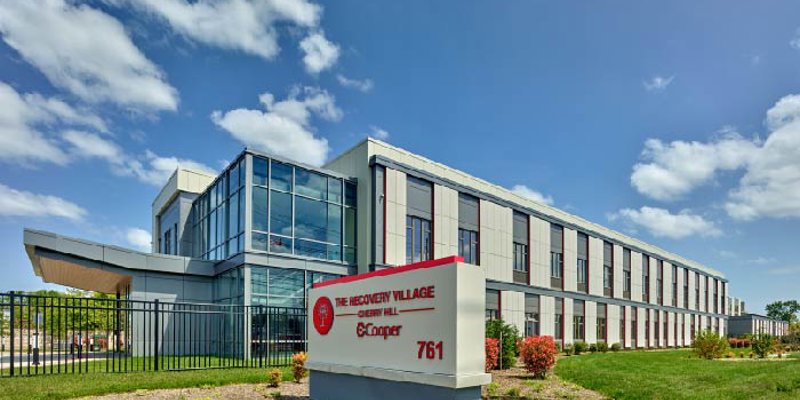
The Recovery Village Cherry Hill at Cooper provides addiction treatment at 761 Cuthbert Boulevard in Cherry Hill, New Jersey. The provider describes a campus developed through a partnership with Cooper University Health Care, serving South Jersey and the Philadelphia area. Its pathway includes medical detoxification, residential treatment, partial hospitalization, intensive outpatient care, and aftercare. The Cooper relationship is part of the facility’s identity; it should not be interpreted as proof that this address is a general hospital or emergency department.
The current facility page describes a 55,000-square-foot building on 4.65 acres, with treatment areas, shared bedrooms, recreation, meals, and laundry. A distinctive feature is the provider’s explicit description of several care levels on one campus, including PHP with on-site housing. This can reduce the need to change facilities during the earlier pathway. Each transition still depends on clinical assessment, availability, and an agreed financial plan rather than happening automatically after a fixed number of days.
What the assessment needs to establish
The admissions page describes a pre-assessment covering current living circumstances, substance use, medical history, family history, and insurance. An arrival evaluation then reviews physical and mental health and risk. Those are opportunities to explain previous treatment, current prescriptions, and the difficulties that have made recovery hard to maintain. A telephone inquiry can begin that process, but it is different from a confirmed admission or a decision about the appropriate level of withdrawal management.
The provider accepts walk-ins for its highest substance-use care levels while recommending advance scheduling. It expressly says that walking in does not guarantee admission. Confirm the proposed arrival time and any travel assistance before setting out, especially if medical needs or withdrawal symptoms require careful planning. If the person needs an emergency assessment, a routine rehabilitation inquiry is not an emergency response. The campus’s published round-the-clock admissions number is 856-890-9449.
Detoxification, intensive treatment, and residential care
The inpatient and residential page distinguishes an intensive inpatient stage with closer medical and clinical support from residential care with a full daily therapy schedule. Medical detoxification may precede those stages. The provider describes twenty-four-hour medical support and monitoring, but the reviewed material does not independently establish a hospital classification for this exact site. Ask what level is being recommended, which medical needs can be managed locally, and what would require treatment elsewhere.
Moving between the named stages should be discussed in practical terms. What changes in nursing contact, therapy participation, room assignment, and permitted activities? Who reviews readiness to move, and how will the patient understand the plan? These questions are especially relevant because the website uses inpatient and residential as related but sometimes different terms. A clear individual explanation is more useful than assuming that every program label has the same staffing or medical capability across different treatment providers.
Therapy and co-occurring conditions
Published residential components include individual counseling, group therapy, gender-specific groups, art therapy, relapse-prevention work, and a nutrition program. The provider names cognitive behavioral therapy, dialectical behavior therapy, and EMDR, with trauma-informed care and twelve-step support. The facility page also identifies SMART Recovery groups. These are concrete methods and activities to discuss with the treatment team. Their inclusion does not establish that every patient receives every approach or a fixed amount of private therapy during each week.
The co-occurring-disorders page describes addiction care alongside concerns such as anxiety, depression, PTSD, bipolar disorder, and other mood symptoms. It also makes clear that the facility may not treat every co-occurring condition. A longer educational list of possible diagnoses on the same page should not be treated as the campus’s unrestricted admission list. The assessment needs to determine which symptoms can be addressed within the proposed program and whether another service is required.
Medication-assisted treatment is described for appropriate alcohol or opioid use disorders. Ask how that decision is integrated with therapy and psychiatric review, particularly if an outside clinician already prescribes medication. For someone interested in trauma work, ask about the clinician, method, and readiness assessment before expecting EMDR or another intervention to begin immediately. The purpose is to connect the provider’s published options with the person’s actual needs, without treating a treatment menu as a guarantee of suitability.
FORTITUDE for veterans and first responders
The Cherry Hill veterans page describes FORTITUDE as a specialty track with dedicated groups for veterans and first responders. It says clinicians receive training in military culture and trauma-informed care, and it connects the track with treatment for addiction and co-occurring concerns such as PTSD, anxiety, or depression. These group arrangements can be relevant for someone who wants to discuss service-related experiences with peers. Confirm the current timetable and eligibility rather than assuming a completely separate residential unit.
The provider also states that it participates in the VA Community Care Network and offers help from Veteran Advocates. That is a provider-published participation statement, not approval for an individual veteran’s stay. Ask how a referral or authorization is obtained, which services it covers, and who coordinates with existing VA clinicians. The discharge plan should also address the patient’s ongoing appointments and prescriptions, so a specialty track remains connected to the care they will use after leaving Cherry Hill.
The local clinical team
The current campus team page lists Ryan Schmidt, MD, as medical director, Melissa Trauger as clinical director, Christa Bogan, BSN, RN, as director of nursing, and Heather Brown as site CEO. The provider publishes clinical credentials alongside those names. These roles identify local leadership as checked in October 2026, but they do not promise appointments with every leader. Ask who will manage the individual’s medical care, therapy plan, and case coordination during the proposed stay.
A useful treatment review should connect those areas rather than leaving separate professionals to address unrelated goals. Residents can ask how concerns about symptoms, medication effects, group participation, or discharge arrangements are raised between scheduled meetings. Family members may provide helpful information when the patient consents. Clarifying communication responsibilities early can also prevent assumptions that a family visitor, the person paying, or an outside referrer automatically receives access to private clinical information.
PHP with on-site housing
The Cherry Hill PHP page expressly says that its partial hospitalization program includes housing on the campus. It describes individual counseling once weekly and group treatment six days a week. These are location-specific details, rather than a generic account of PHP elsewhere. Confirm the actual schedule and housing offer for the proposed admission, including whether room charges, medical appointments, and any additional services are part of the same financial arrangement.
PHP follows a clinical decision that the person can manage a less intensive schedule than the earlier stage. It does not include medical detox within the PHP program itself. Ask what additional independence means in practice and how the team reviews symptoms, medication needs, and preparation for living outside the facility. Someone who plans to return across the river to Pennsylvania or farther away should discuss the next provider and transport while still in this stage, rather than wait until the last day.
Intensive outpatient and overall duration
The IOP description offers daytime treatment with at least nine hours of therapy weekly, including individual and skills-based group work. In-person and virtual options are described, while transport to appointments is the patient’s responsibility. The provider gives a usual IOP range of one to three months, subject to individual needs. Ask about exact times, eligibility for online attendance, living arrangements, and the state in which the patient will be located for remote sessions.
Current pages describe the earlier timeline differently. The inpatient page gives thirty-five to sixty days for detox and inpatient rehabilitation, while the arrival guide uses that range for a total including PHP and IOP. The latter also gives five to seven detox days and fourteen to twenty-eight days of inpatient care including detox. Rather than present incompatible stage totals as one package, obtain a written sequence showing what the current recommendation actually includes.
Shared accommodation and daily life
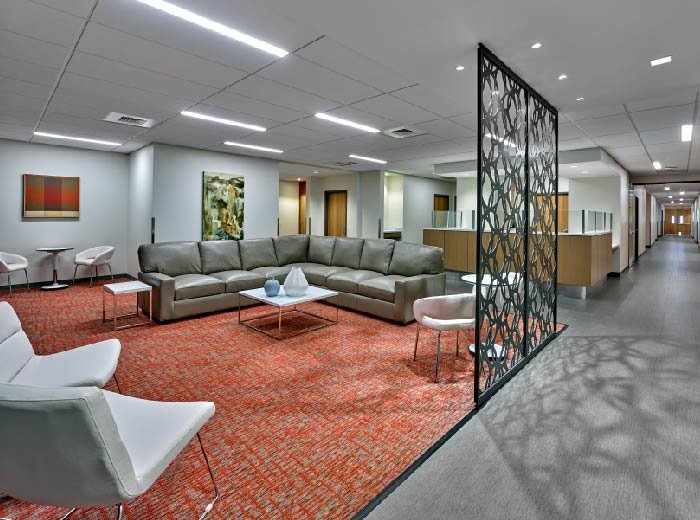
Bedrooms are described as shared with one other patient, with a sink and adjoining bathroom, although occupancy may vary with care needs and stage. The reviewed current material does not establish a guaranteed private-room option. Meals are chef-prepared, and the facility describes accommodating dietary needs when discussed in advance. Someone with accessibility, sleep, or equipment requirements should confirm the offered room and daily route through the building, since a modern campus does not establish every individual accommodation need.
Recreational facilities include a fitness center, half-court basketball, indoor games, a yoga room, bocce, shuffleboard, and art activities. The provider also lists laundry, designated smoking areas, and a computer for patient use. Those amenities support a picture of communal daily life; they are not a promise of unrestricted access during treatment. Ask which activities are currently available and how they fit around therapy, medical needs, and the responsibilities associated with each care level.
Family contact, cost, and continuing care
Current policy allows a safety call on arrival and then stores personal phones during detox. After detox, the guide describes limited daily phone use with clinician involvement, with phones returned for restricted use during PHP and IOP. Family psychoeducation and support are described virtually on Monday evenings and on site at weekends, subject to current scheduling and clinical appropriateness. Confirm the patient’s communication permissions, visiting arrangements, and any necessary contact needs before admission rather than assuming open access.
The official cost page expressly declines to provide an exact campus price online. Its broader New Jersey cost examples are not a verified Cherry Hill tariff. Request a personalized estimate covering the planned care levels, PHP housing, medicines, and any separate charges, and confirm insurance authorization and personal responsibility. Before discharge, identify the actual therapy and prescribing appointments, recovery groups, and specialty support that will continue; aftercare planning should result in a usable local plan.
Information checked October 20, 2026 against current Cherry Hill facility, admissions, treatment, FORTITUDE, team, accommodation, and pricing pages. Network relationships and published services are attributed; eligibility, exact timeline, room, coverage, and costs require individual confirmation.
Conditions
Levels of care
Treatment approach
Individual/group and gender-specific work, CBT, DBT, EMDR when appropriate, trauma-informed care, twelve-step and SMART Recovery groups, medication-assisted treatment, family support and FORTITUDE groups for veterans/first responders
Fees & admissions
Confirm current pricing
Official price page does not publish a specific Cherry Hill tariff; state-wide examples are not this campus's fees. Obtain an individualized estimate for actual levels, PHP housing, medicines and separate charges, with insurer or VA authorization and personal responsibility confirmed.
Confirm the current program, duration, accommodation and included services directly with the center.
Pre-assessment and arrival medical/psychiatric review; confirm exact care stage, withdrawal/medical suitability, room, current timetable and financial authorization. Walk-ins are accepted for highest substance-use levels but do not guarantee admission. Veterans need individual Community Care authorization.