Care at The Recovery Village Indianapolis
Addiction treatment at the Brookville Road campus
The Recovery Village Indianapolis is at 8150 Brookville Road in Indianapolis, Indiana. Its dedicated website describes physician-led treatment for adults with alcohol or drug problems, including medical detox, residential rehabilitation, partial hospitalization, and continuing-care planning. Co-occurring psychiatric symptoms can be addressed within addiction treatment. The current campus program pages do not establish a separate residential admission pathway for people seeking treatment solely for a mental health condition, so that distinction should be discussed before arranging a placement.
This is a structured treatment facility with communal living and an organized clinical day. Although the provider uses the term inpatient, its program description expressly equates that service with residential rehabilitation. That wording does not independently establish hospital-level admission. The relevant question is whether this team’s medical and psychiatric capabilities match the person’s needs. Someone requiring acute hospital care needs an appropriate assessment and placement rather than assuming that any program described as inpatient provides the same level of treatment.
Assessment, detox, and medication planning
The local detox page describes an initial nursing and clinical assessment covering substance use, physical and mental health, social circumstances, and safety. Treatment then includes round-the-clock medical monitoring and medication for withdrawal symptoms when indicated. The team may introduce individual counseling check-ins during this stage, depending on the person’s condition. Detox admission and the later therapy schedule are separate clinical decisions; someone who is unwell during withdrawal should not assume that every residential group will begin immediately.
Medication-assisted treatment is available when clinically appropriate, including for alcohol or opioid use disorders. The provider does not promise a particular medication to every applicant. Share the full prescription list, current substances, recent doses, previous withdrawal complications, allergies, and ongoing medical treatment during assessment. The arrival guide asks patients to bring necessary medical equipment and supplies, including diabetes or respiratory equipment where applicable. Agree an individual medication and equipment plan with admissions rather than changing prescribed treatment simply to match a general packing list.
Published detox timelines differ even within the current official material: the dedicated page mentions both three to seven days and five to ten days. These are approximate descriptions, not a reliable fixed package length. Physical health, substances used, response to treatment, and the next placement can affect the actual stay. A practical admission plan should explain how progress will be reviewed, when residential therapy may begin, and what would happen if the person needs capabilities beyond those available at this campus.
Therapy and the residential program
Residential treatment combines individual and group therapy, medical support, meals, and planned activities. Its purpose is to create enough structure for a person to address substance use away from an unstable or triggering environment. The campus states that clinicians also assess and treat co-occurring mental health difficulties. Explain which symptoms existed before substance use, which emerged during it, and what previous treatment helped. That history can make the distinction between an addiction-focused admission and another psychiatric service clearer.
The Indianapolis arrival guide lists cognitive behavioral therapy, dialectical behavior therapy, Seeking Safety, Internal Family Systems, and acceptance and commitment therapy among possible approaches. It also names individual counseling, group therapy, SMART Recovery, and Twelve Step meetings. These methods are not a promise that each patient receives a complete course of every therapy. Ask the clinician which approaches will address the main treatment goals, how individual work connects with groups, and how progress will be evaluated.
The named approaches give the program more specificity than a general claim of holistic care. CBT-related work may examine the patterns linked with substance use, while the published DBT and acceptance-based options indicate attention to coping and emotional responses. Seeking Safety is listed as a possible component when trauma-related difficulties overlap with addiction. The actual clinical plan should determine timing and suitability. A patient specifically seeking intensive trauma processing or a complete specialist DBT program should verify that exact service rather than infer it from a method appearing on a list.
The facility team page identifies Alton Brooks Parker, MD, as medical director and Brittany Hill, LMHC, as clinical director. Juan Wilson is listed as site CEO. The page also identifies nursing leadership, although it currently displays two people with the director-of-nursing title. It is more useful to establish the assigned prescriber, therapist, nursing contact, and case manager for the intended admission than to assume that a published executive personally provides all routine care.
PHP and the next level of care
The current partial hospitalization page describes a step after more intensive care, with individual and group therapy, medication management, medical support, and work on co-occurring disorders. It states a range of nine to twenty treatment hours across five to seven days weekly. Because that is a broad range, obtain the actual weekly schedule and insurer-approved level before comparing this PHP with another service. A program’s name alone does not explain how many clinical hours a particular patient will receive.
Medical detox is not included within PHP itself. Applicants needing withdrawal management first must complete an appropriate separate stage. The public material also needs clarification on accommodation during PHP: the network arrival guide discusses possible boarding charges during outpatient levels, while the local PHP page does not establish one universal housing arrangement. Confirm whether the proposed placement includes a room, what that room costs, and whether transport or daily attendance from home is expected.
The network arrival guide refers to intensive outpatient and outpatient treatment, but the dedicated Indianapolis site does not provide an equally clear current local IOP program description or timetable. This profile therefore does not promise an on-campus IOP. Ask where the next outpatient service would take place, who operates it, whether virtual care is an option, and whether a separate enrollment is needed. A referral to continuing care and a confirmed appointment with a named provider are different practical arrangements.
Bedrooms, meals, and everyday routines
The published accommodation descriptions also need to be read by treatment stage. The arrival guide says most bedrooms are shared by two patients, with some accommodating three, and that the bathroom is shared by the room’s occupants. The detox page separately describes private rooms during detox. That supports asking about a private detox room, but it does not establish a private bedroom throughout rehabilitation. Obtain the expected arrangement for each stage, especially if sleep, mobility, sensory needs, or personal privacy affect suitability.
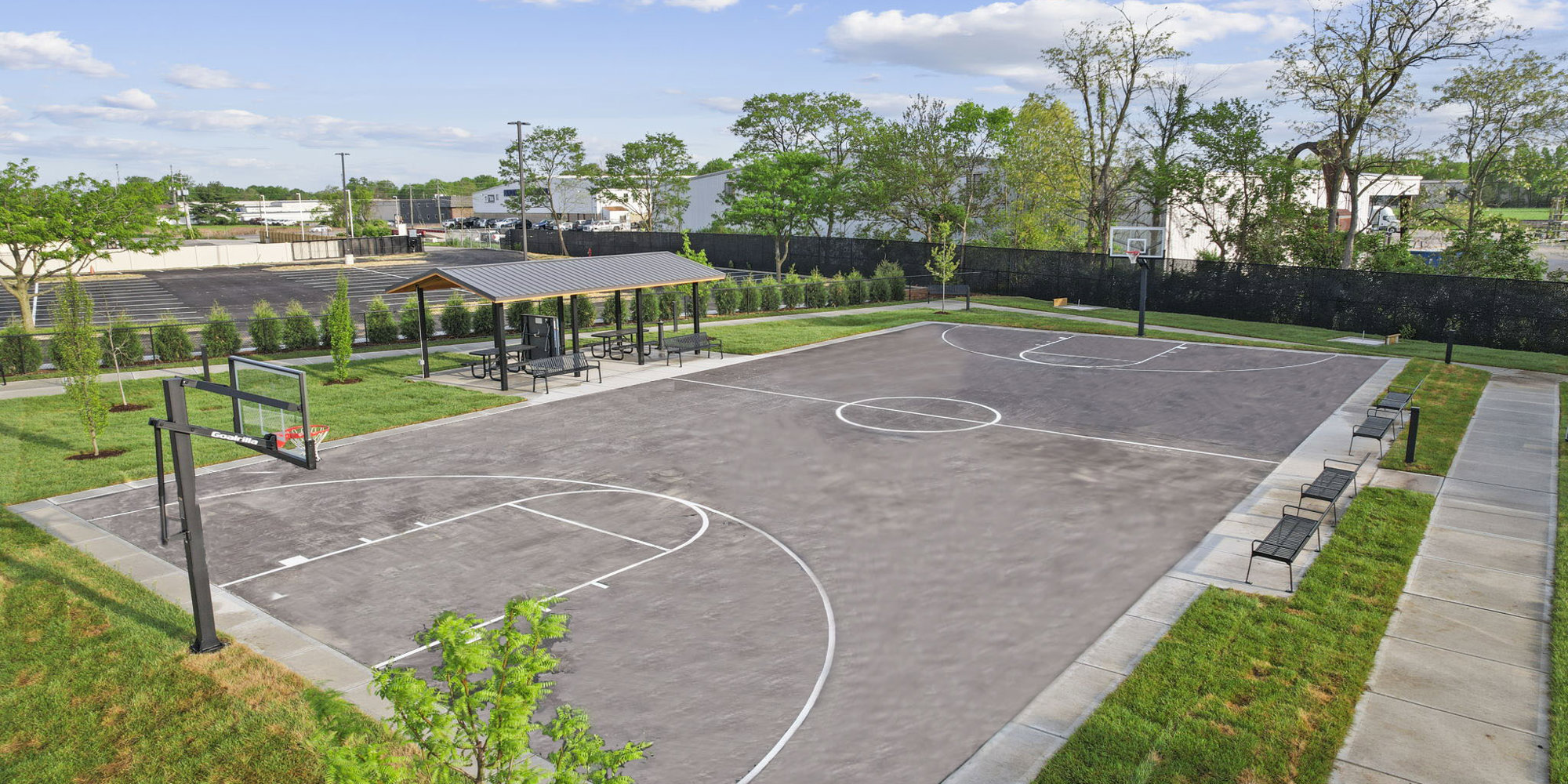
The facility page lists a gym, basketball and volleyball courts, recreation lounges, table games, televisions in rooms, a computer lab, and laundry facilities. Access may depend on medical recommendations, treatment stage, and the activity schedule. The culinary team provides three meals and three snacks daily, with vegetarian and vegan choices described in the arrival guide. Discuss allergies before arrival; outside meals and snacks are not ordinarily permitted under the published policy.
Current official pages give inconsistent numerical descriptions of campus size and capacity, including different bed counts and square-footage figures. Those numbers are not used here as confirmed current capacity. They also do not tell an applicant whether a bed is available on the proposed date. The more useful questions concern the actual living unit, bedroom occupancy, staffing arrangements, access to clinical appointments, and any adaptations needed for the person’s health or mobility.
Phones, family participation, and arrival
Device access changes with treatment stage. The arrival guide describes monitored facility calls during detox and daily access to personal phones after groups during residential care, with privacy protections such as covering the camera. Laptops, tablets, smartwatches, and similar personal electronics are restricted, while a computer lab is available. Confirm the current rules before relying on remote work or regular online contact. The treatment schedule and device policy may make maintaining an ordinary workday impractical even when limited communication is permitted.
Family engagement can occur virtually, at a distance, or in person when clinically appropriate. The published Saturday arrangement places visits from 2 to 3:30 p.m. after a required family education session from 1:30 to 2 p.m., subject to clinician approval. These times should be reconfirmed for the actual stay. Agree which relatives or supporters may participate and what information the team can share. Family education supports understanding, while individual or joint therapy serves a separate clinical purpose.
Length of care, funding, and discharge
The official duration descriptions do not support one fixed admission length. The residential page gives approximately twenty-eight to thirty days for detox and residential care, while the arrival guide’s opening summary refers to fifty-eight to sixty days and its later text gives a shorter overall example. Ask for a stage-by-stage estimate, including any PHP or continuing care, and review it as treatment progresses. This is more reliable than presenting the older directory estimate of about forty-five days as a current standard.
The insurance page lists commercial networks and Indiana Medicaid-related plans, including MDwise, alongside private-pay options. The website’s Medicaid acceptance statement does not establish coverage under every plan or for every stage. Verify the exact policy, network status, authorization, deductible, coinsurance, and possible boarding or separate-service charges. No current numerical self-pay tariff was verified. The dedicated campus site currently publishes 317-754-7784 as its contact number; request a written financial estimate linked to the proposed treatment plan.
The aftercare description says planning begins during treatment, with a case manager helping arrange relapse-prevention work, medical and therapy referrals, support groups, and community resources. Periodic follow-up may be offered, but that should not be confused with unlimited ongoing therapy. Before leaving, identify the next prescriber, appointment dates, housing arrangements, and a route back to care if difficulties emerge. Provider information was checked on October 20, 2026; outstanding differences in room, timetable, and duration descriptions should be resolved for the intended admission.
Conditions
Levels of care
Amenities
Treatment approach
Individual and group therapy with possible CBT, DBT, Seeking Safety, Internal Family Systems, ACT, SMART Recovery and Twelve Step meetings; medical assessment, medication support when indicated, family engagement and case-managed aftercare
Fees & admissions
Confirm current pricing
No current numerical self-pay tariff verified. Provider lists commercial networks and Indiana Medicaid-related plans, but exact plan, stage, authorization, patient responsibility, boarding and separate-service costs require written verification.
Confirm the current program, duration, accommodation and included services directly with the center.
Adult program with clinical, medical and psychiatric assessment before final acceptance. Confirm care stage, current medications and equipment, room type, timetable, phone and visiting policy, boarding costs and any separate outpatient enrollment.