
About Recovery Ways — Brunswick Place
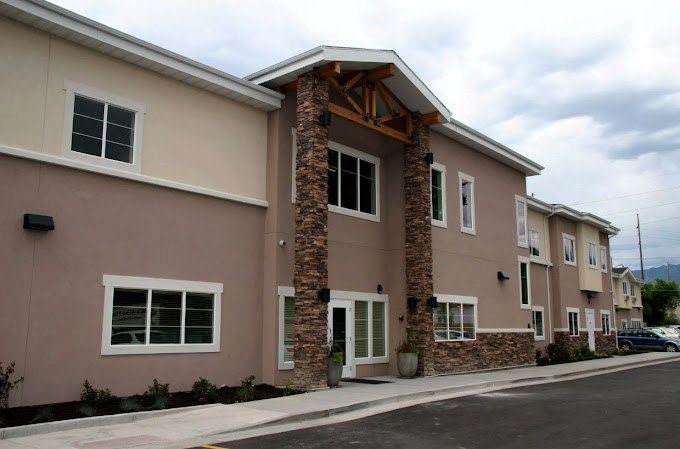
Brunswick Place in Murray, Utah
Recovery Ways identifies Brunswick Place at 4848 South Commerce Drive, Murray, Utah 84107, in the Salt Lake City area. Its current campus page describes residential addiction treatment, primary mental-health care, medical detox, and intensive outpatient services. The location-specific phone number is 385-474-4533. This profile concerns Brunswick Place, rather than the separate Copper Hills campus. Ask admissions to identify the receiving campus and program on the assessment decision, travel instructions, insurance confirmation, and financial agreement.
A particularly useful distinction is that the provider explicitly says a substance-use diagnosis is not required for its primary mental-health residential track. Someone seeking that form of care should ask which program is proposed, how psychiatric and medical needs are assessed, and what circumstances require a different level. A campus that offers both addiction and mental-health treatment may have different schedules and clinical priorities for each track. The name of the actual service matters more than a general description of the wider organization.
Choosing among residential, detox, and outpatient care
The Brunswick page identifies this campus as the location for Recovery Ways’ medical detox program. Its residential description also uses inpatient terminology, but a residential or detox service should not automatically be equated with a general hospital. Ask the assessment team to explain the proposed setting, the clinicians available there, and the response if a resident needs more intensive medical or psychiatric care. The appropriate starting point depends on the individual assessment, not on which service appears first in a directory.
Provide a current medication list, relevant medical and psychiatric history, recent substance use if applicable, previous treatment experiences, and the person’s current goals. Ask which records must arrive before placement can be confirmed. If a transition between detox and residential care is proposed, request the expected clinical review, any room change, and the insurance and payment arrangements for each phase. Someone entering primary mental-health care should receive equally clear information without having their needs explained through an addiction-only pathway.
Medical detox and the first clinical reviews
The provider’s detox overview describes physician-managed withdrawal care and continuous clinical monitoring. It also describes arranging a hospital transfer when more advanced medical care is needed. Ask who is physically onsite overnight, how a prescribing clinician is reached, and how existing medical concerns are handled. Request a plan for communicating with the person’s usual clinicians where appropriate, and clarify how a return to Brunswick would be assessed after any outside treatment.
The exact-campus Recovery.com profile describes an initial medical review within 24 hours and psychiatric review within 72 hours, as well as onsite nursing. These are secondary descriptions, so confirm the current arrangements for the proposed admission and track. Ask what assessment happens before arrival and what support is available while a scheduled review is pending. An advertised appointment interval should not be interpreted as a reason to defer an immediate clinical concern.
Detox duration should be explained as an individual estimate that can change after review. Ask how staff determine readiness for the next phase, which medication or follow-up arrangements need to continue, and who communicates a revised plan. A fixed departure booking can become difficult if clinical needs change, so discuss travel flexibility and financial terms in advance. The important information is the assessment process and the resources available, rather than a promise that every person completes withdrawal care in the same number of days.
Primary mental-health and co-occurring treatment plans
The campus page describes residential support for concerns including depression, anxiety, OCD, trauma-related symptoms, and bipolar disorder. Ask how the proposed track addresses the person’s specific needs, which clinicians provide psychiatric and psychological care, and what would prompt a transfer or change of level. The presence of a diagnosis on a website does not settle eligibility for every severity, combination of conditions, or medical circumstance. The receiving team should explain both the services it can provide and the situations it cannot manage.
For someone with co-occurring substance-use and mental-health concerns, ask how the plan connects the different parts of care. Identify who coordinates medication, psychotherapy, skills work, and discharge arrangements, and how the resident takes part in reviewing progress. The co-occurring conditions guide can help structure comparisons. A primary mental-health resident can use the same questions while asking which program elements are relevant to their own goals and which addiction-focused activities, if any, are expected.
Therapy, occupational work, and the weekly schedule
Recovery Ways’ campus information names behavioral and motivational therapies, internal family systems, occupational work involving sensory integration, and recreation therapy. Ask for a sample week that distinguishes individual appointments, clinical groups, practical skills, physical activity, and personal time. Request the frequency and purpose of the services most important to the resident. A long list of approaches does not establish that each is offered to every person or that all are included at the same intensity throughout a stay.
Someone interested in occupational or sensory work can ask what an assessment involves, who delivers it, and how its goals relate to daily life after discharge. A person concerned about group participation can discuss the size, structure, and available adaptations. Bring examples of practical difficulties rather than relying only on diagnostic labels. Questions about sleep routines, managing appointments, preparing meals, returning to work, or handling everyday environments can help the team explain how a proposed activity connects with a concrete personal goal.
Medication support and continuity beyond the campus
The current medication-assisted treatment page describes support for both opioid and alcohol use disorders, based on clinical evaluation. Secondary descriptions can differ in the details of what is prescribed onsite versus accepted from another clinician, so confirm the actual arrangements for Brunswick Place. Ask who reviews an existing prescription, which professionals can continue or change it, how medications are supplied, and what coordination is needed with a current prescriber.
Before discharge, request a clear prescription and follow-up plan from the treating team. Ask who will provide ongoing medication care, whether an appointment is confirmed, how records will be transferred with consent, and how any gap is addressed. Do not assume that every medication has the same duration or that a general recovery philosophy determines an individual prescribing decision. The person’s clinical team should explain options and monitoring in relation to their circumstances, including any proposed change during or after residential care.
Rooms and everyday arrangements
The secondary narrative describes shared residential rooms, while its amenity fields list private or shared options. The primary campus description does not settle which room a new resident would receive. Ask about current bedroom and bathroom occupancy, whether a private option exists, any supplement, and how a move between tracks affects the room. Confirm the actual arrangement for the intended dates rather than assuming that a general privacy statement or amenity filter guarantees a private bedroom.
Discuss meals, dietary requests, laundry, storage, phones, visiting, quiet hours, and accessibility. If a resident has mobility, sensory, sleep, or personal-care needs, describe the practical requirements during assessment. Ask about the relevant room, bathroom, common areas, and transportation arrangements. A comfortable photograph cannot establish whether the environment meets a specific need. Request a contact for concerns about accommodation and an explanation of how the program handles an agreed requirement that cannot be met after arrival.
Family Circle and consent-based participation
The Family Circle page describes a two-day, in-person program. Clients can invite up to two participants older than 16, including significant others or close friends. The program includes educational and therapeutic activities, and the provider asks participants to complete a questionnaire beforehand. Confirm the current dates, location, availability for the proposed Brunswick stay, and any cost. A network family program should not be assumed to run during every admission or inside the same residential building.
Discuss whom the resident wants involved, what information may be shared, and how participation supports the treatment plan. Ask about alternatives when a support person cannot travel or when family involvement would be unsafe or unhelpful. Educational participation is distinct from ordinary visiting and from private family appointments, so clarify each arrangement. A useful goal may be understanding the transition home, agreeing practical support, or improving communication; participation should reflect the resident’s circumstances rather than a requirement to repair every relationship during treatment.
IOP at Brunswick and planning a step down
The provider’s IOP page identifies Brunswick Place and Copper Hills as locations and describes in-person and virtual options. Its virtual schedule includes afternoon and evening tracks on Mondays, Tuesdays, and Thursdays. Ask for the current schedule, eligibility, receiving campus or remote arrangement, and financial terms of the actual offer. A network schedule should not be interpreted as a guarantee that every option is available to every resident after discharge.
IOP planning should also address where the person will live, how they will travel, and who provides medical or psychiatric follow-up. Someone returning outside Utah can ask about appropriate local services and the availability of remote care in their location. Confirm which appointments are booked and which remain recommendations. Alumni contact can provide a separate form of connection, but it should not be assumed to replace clinical appointments, medication management, or an individually agreed response to a change in symptoms.
Fees and a complete admission proposal
Recovery.com’s exact-campus price details, checked October 20, 2026, list a third-party estimate of USD 20,000 for 30 days. This is not an official provider tariff or an indefinite monthly rate. It does not establish the cost of detox, the specific mental-health track, a particular room, an extension, or outpatient care. Request an itemized quote covering the proposed campus, clinical phases, dates, accommodation, professional appointments, medication, testing, transport, and any outside services.
For insurance, confirm the exact plan, campus, level, authorization process, and potential remaining charges. Review deposits, extensions, transfers, refunds, and early departure before committing. Compare Brunswick Place with other residential programs, outpatient options, and United States treatment listings using the actual track and complete offer. A clear assessment, confirmed room, understandable schedule, and practical plan for continuing care provide a more useful basis for a decision than a price reference alone.
Destinations
Conditions
Levels of care
Program approach
Individual/group behavioral and motivational therapies, psychiatric and medication support, internal family systems, occupational/sensory and recreation work, Family Circle and continuing care
Fees & admissions
Estimated USD 20,000 / program
Recovery.com checked October 20, 2026 lists an estimated USD 20,000 for 30 days. This is a third-party program reference, not a monthly or official tariff. Verify the treatment track, detox, room, professional care, medication, testing, transport and outpatient charges in the current written quote.
Confirm the current program, duration, accommodation and included services directly with the center.
Confirm Brunswick versus Copper Hills, proposed addiction or primary mental-health track, medical/psychiatric needs, prescriptions, room, coverage and quote. Clarify exact initial reviews, overnight staff, outside-care transfer and subsequent IOP eligibility.