
About Red Top Wellness Center — Cartersville
Red Top Wellness Center in Cartersville
Red Top Wellness Center is a residential mental health provider at 5 Bowens Court, Cartersville, Georgia 30120. Its official website describes a staffed residential setting for people seeking treatment for mental health concerns, including co-occurring substance use. This profile concerns the Cartersville facility. Ask the team to explain the proposed program in relation to the individual’s symptoms, current treatment, and support needs. A broad list of diagnoses on a website is not the same as a clinical decision that the service can meet a particular person’s needs at the time of inquiry.
Red Top is listed among United States treatment providers, with a primary emphasis on mental health. That focus matters when comparing it with residential programs centered mainly on addiction. If both concerns are present, ask how the program prioritizes assessment and coordinates care. If the inquiry is primarily about substance use or withdrawal management, confirm the actual capabilities before assuming that co-occurring treatment includes medical detox. The most useful comparison is between services able to address the same clinical need and provide an appropriate level of support.
Who the admissions criteria describe
The official admissions page describes voluntary residential treatment for adults aged 18 and over who are willing to participate in the proposed care. Its examples of accepted conditions include depression, anxiety, bipolar disorder, OCD, PTSD, schizophrenia, schizoaffective disorder, and dual diagnosis. Acceptance still depends on assessment. Ask how the team evaluates current symptoms, physical health, and the support required for everyday functioning. A condition appearing on the list does not establish that every presentation or degree of acuity can be managed in this residence.
Someone considering a transfer from a hospital should ask the sending and receiving teams to coordinate directly. Discuss the medication plan, recent changes in symptoms, observation needs, and any practical support the person requires. If immediate safety is a concern, seek urgent local clinical help rather than waiting for a residential booking to be arranged. The admissions process should make clear what information is needed and whether any additional stabilization or assessment is required first. A relative can help gather records with consent, but the prospective resident should be involved in decisions about voluntary treatment.
Assessment and the individual care plan
Red Top’s program description outlines an initial consultation, psychiatric assessment on arrival, and work with a primary therapist. It lists approaches including CBT, DBT, acceptance and commitment therapy, group work, family therapy, and medication management where appropriate. Ask which components are proposed for the individual and how often appointments occur. The existence of several approaches does not mean that every resident receives each one or that a particular technique will be used immediately. A clear plan connects the chosen methods to the person’s goals and clinical assessment.
Bring information about previous care, including what helped, what was difficult, and what remains unresolved. Someone may have struggled with side effects, felt overwhelmed by groups, or needed more support applying ideas between appointments. Explain those experiences to the assessing clinician rather than assuming the new team already understands them from a diagnosis. Ask how progress is discussed with the resident and how changes to the plan are considered. A useful answer gives the person a way to raise concerns and understand decisions throughout the stay, including when a proposed approach is not helping as expected.
Medication and ongoing clinical responsibility
If medication is part of the current treatment, ask which prescriber will review it and how the team coordinates with existing professionals. Provide an accurate list of medicines and relevant recent changes. Discuss how the patient will be informed about recommendations, what monitoring is planned, and who can answer questions between routine appointments. Do not alter prescribed treatment based on a directory description. The purpose of the inquiry is to understand the clinical process at Red Top and ensure that necessary information reaches the professionals responsible for assessment and care.
Clarify what round-the-clock support means in practice. Ask who is onsite overnight, how medical or psychiatric advice is obtained, and what arrangements apply if the resident needs care beyond the facility’s capabilities. A comfortable residence and a hospital may offer different resources even when both are described using inpatient language. If a person needs assistance with mobility, personal care, or a medical device, explain that before admission. The receiving team should confirm the actual support available and identify any needs that require another arrangement or additional coordination.
Therapy, groups, and complementary activities
Request a representative weekly schedule that distinguishes individual psychotherapy, groups, medication appointments, educational work, optional activities, and free time. This helps a prospective resident understand how the days are organized and where the main therapeutic effort sits. If a particular concern requires focused individual work, ask how that need is assessed and scheduled. Someone who finds groups difficult can discuss how new residents are introduced and what support is available. The aim is to align expectations with the current program, rather than to choose solely from a list of therapy names.
Red Top also advertises complementary activities including red light and biosound therapies. Ask what role those activities play in the proposed plan, whether they are optional, and what evidence supports any specific claim made for them. Their availability does not establish that they treat a particular psychiatric condition or replace psychotherapy or medication when those are indicated. A resident should be able to understand the purpose and limitations of each component. If an activity is uncomfortable or unsuitable, discuss how alternatives are considered and whether declining it changes any part of the program or fee.
Bedrooms and the residential environment
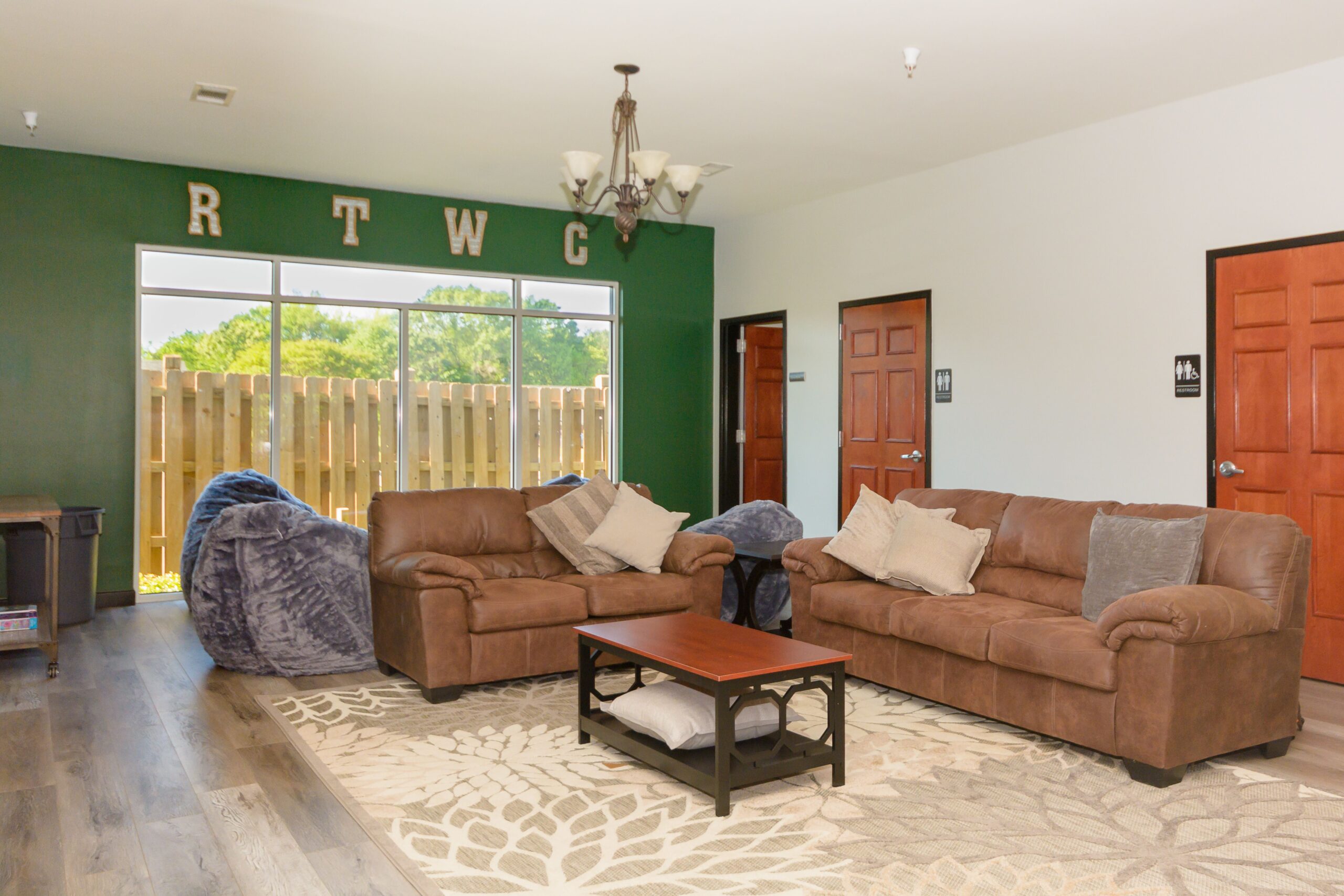
The official facility page presents shared living areas, private spaces for therapy, and outdoor areas. A private therapy room is not evidence of a private bedroom. The current Recovery.com listing describes shared bedrooms, so confirm the actual accommodation before making a booking. Ask how many people share the room and bathroom, how assignments are made, and whether accessibility or clinical needs affect placement. If privacy or sleep arrangements are a major concern, have them discussed explicitly rather than inferred from photographs.
Consider the practical requirements of living away from home. Ask about meals, laundry, storage, permitted belongings, phone use, visits, and opportunities for quiet time. Explain allergies, dietary needs, sensory preferences, or difficulties using shared spaces. These details can influence participation and comfort throughout the stay. A family member helping with preparations can request the current welcome information so that the resident arrives with appropriate belongings. It is better to resolve a practical concern in advance than discover after admission that a necessary item, accessibility arrangement, or form of assistance has not been discussed.
Family and chosen support
Red Top describes family therapy and support-system involvement as part of its approach. Ask how the resident chooses who participates and whether the proposed sessions address communication, education, planning for discharge, or another goal. Family members may have concerns that differ from the patient’s priorities. The clinical team can explain how those perspectives are heard while respecting the resident’s consent and treatment needs. Where a relationship is unsafe, unwanted, or difficult, discuss that directly. Involvement should be planned for a purpose rather than assumed to be beneficial in every situation.
Agree practical communication arrangements before the stay begins. A resident may need essential contact with children, a partner, an employer, or someone handling finances. Ask what contact is possible during treatment and who can help if an urgent matter arises. Clarify what information the team can share and with whom the resident authorizes communication. A relative paying for treatment should not assume that payment determines the patient’s clinical decisions. Written expectations can help everyone understand their role and reduce avoidable confusion while the resident is adjusting to a new routine.
Length of stay and financial planning
The official program page says stays vary with individual needs and goals, commonly ranging from several weeks to a few months. In contrast, the Recovery.com listing checked on October 20, 2026 displayed an estimated cash-pay figure of US$32,500 for 30 days. The secondary price is a specific duration example, not the provider’s confirmed tariff or a recommendation for every patient. Ask for a written estimate covering the proposed stay, accommodation, appointments, and separately billed services. If assessment changes the recommended duration, find out how the financial plan will be revised.
Red Top offers insurance verification and states on its website that it accepts many out-of-network arrangements. That should not be read as universal in-network participation or a promise of no personal cost. Confirm the exact facility, benefit type, authorization requirements, deductible, and cost sharing with the insurer and provider. Ask about separate professional charges and what happens if additional days are recommended. For private payment, establish deposits, extension rates, cancellation, and early-departure terms. These details help ensure that the clinical decision and financial agreement describe the same service.
Preparing for care after residence
Ask how discharge planning begins and what continuing care Red Top will help arrange. A person may need an outpatient therapist, a prescribing clinician, practical support at home, or a different level of treatment before returning to normal responsibilities. Identify which appointments can be confirmed before departure and who will receive records with consent. If the resident lives far from Cartersville, the plan needs to work in that home community. A list of suggested services is less useful than a clear account of who will provide them and how the transition will be managed.
Think about the first week after leaving as well as longer-term goals. Where will the person live, how will transport work, and who can help with agreed practical tasks? If returning to work or education immediately creates a conflict with continuing treatment, discuss it before discharge. Ask how the team helps the resident recognize when to contact a clinician and which professional remains responsible for follow-up. The plan should be understandable enough that the resident and any chosen supporter know what has been arranged, what remains to be booked, and who can answer questions.
Making the initial inquiry
Red Top Wellness Center publishes (470) 227-7574 as its contact number. A focused inquiry should confirm voluntary adult eligibility, the assessed level of care, psychiatric and therapy arrangements, current shared-room details, and financial terms. Explain the concerns that matter most rather than relying only on a diagnosis label. The final decision should reflect the actual Cartersville program’s ability to meet those needs and support a workable transition afterward. Clear answers about responsibilities and daily care provide a stronger basis for choosing than broad claims about comfort or the number of therapies available.
Destinations
Conditions
Levels of care
Program approach
Provider-described psychiatric assessment, primary therapist, CBT, DBT, ACT, family and group work, and medication review where appropriate
Fees & admissions
Estimated USD 32,500 / program
Recovery.com estimate checked 2026-10-20: USD 32,500 for 30 days. Provider stay length varies; obtain written quotation. Provider mentions out-of-network coverage, not universal in-network or zero-cost admission.
Confirm the current program, duration, accommodation and included services directly with the center.
Adults 18+ voluntarily seeking care; clinical eligibility and financial review before admission