About Renaissance Ranch — Bluffdale
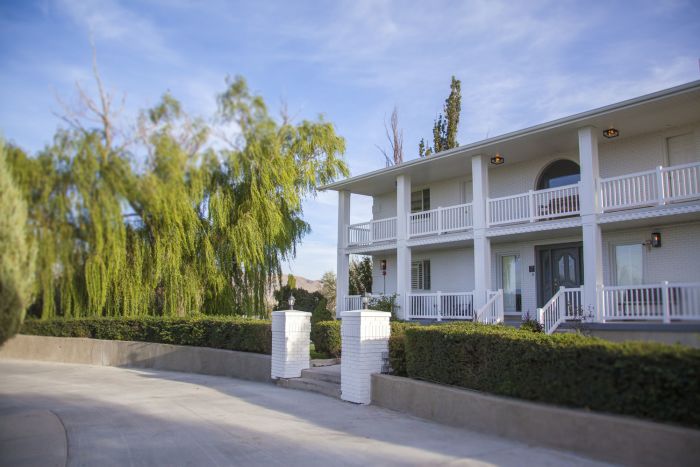
Renaissance Ranch’s Bluffdale location is a residential addiction-treatment program for adult men at 2973 West 13800 South, Bluffdale, Utah 84065. The official campus page describes a secluded ranch setting and on-site medical detox, with clinical care combined with a Gospel-centered Twelve Step approach. People considering this location should ask how withdrawal support, residential therapy, family participation, and later care would fit together in their individual plan, including the accommodation and cost of each stage.
What is verified about the Bluffdale campus
The current official Bluffdale page identifies this address and describes the program as residential or inpatient treatment for men, with clinical support throughout the day and night. It places medical detox on the campus. These are provider-published descriptions. Ask admissions to explain the actual medical resources available and the circumstances requiring another service. The use of inpatient terminology should not be treated as proof that every hospital-level intervention is available at the ranch.
Bluffdale is one location within a wider Utah and Idaho organization. Confirm that the proposed assessment, detoxification, and residential stay will occur here rather than at another Renaissance Ranch program. The same brand may offer several care settings with different addresses and arrangements. A clear admission document should identify the receiving facility, the responsible team, and any transfer expected later, so that travel and family plans are based on the actual pathway.
The provider’s site describes substance-use treatment with attention to associated trauma, anxiety, and depression. Before admission, discuss the person’s main concerns, current medications, recent medical care, psychiatric symptoms, and previous experiences in treatment. Ask which needs the Bluffdale team can address directly and which require external assessment or stabilization. The purpose of this conversation is to establish suitability for this setting, not merely to match a diagnosis to a list of advertised specialties.
Beginning with a medical and clinical assessment
Renaissance Ranch’s detox program page describes supervised withdrawal management, medication support when appropriate, and planning for residential treatment afterward. It gives a general estimate of three to seven days, depending on the person’s health and substance use. That estimate is not a promise for an individual. Ask who conducts the assessment, how monitoring is organized, and what would lead to a longer stay or transfer.
Bring an accurate account of recent substance use, prescribed and nonprescription medications, allergies, and any previous withdrawal complications. Ask whether existing clinicians should provide records before arrival and how prescribed treatment will be reviewed. A medically supervised program should still explain the individual’s plan and its limits. Do not alter medication or attempt to complete withdrawal independently simply because a particular admission date or package length has been discussed.
The organization describes continuity between detox and residential care. Confirm what that means for the proposed Bluffdale admission: whether the person changes rooms, which team takes over, how the next stage is authorized, and whether it has a separate financial agreement. If residential treatment cannot begin when expected, ask what interim arrangements are available. Planning the handoff is particularly useful for someone who has traveled a long distance or needs relatives to coordinate practical support.
Therapy within the residential program
The residential overview describes individual and group therapy, recovery coaching, trauma-informed work including EMDR, and structured sober activities. It presents a usual residential period of sixty to ninety days, adjusted to needs and progress. Request the current Bluffdale timetable and initial recommendation. A general program description does not establish the exact frequency of a particular therapy or mean that all residents require the same duration.
Ask how treatment goals are developed and how the resident participates in reviewing them. It may be useful to identify what previous treatment accomplished, where support broke down afterward, and which needs remain unresolved. The team should explain how it uses that history to shape the current plan. A longer admission is most understandable when its purpose is clear, with identifiable clinical work and preparation for life beyond the residence.
For trauma-related concerns, discuss how readiness for focused therapy is assessed and who provides it. A trauma-informed approach to daily care and a specific course of trauma treatment are different things. Ask how the clinician coordinates this work with substance-use treatment and other mental health needs. Our co-occurring conditions guide provides a useful framework for comparing the responsibilities of therapists, psychiatric professionals, medical staff, and recovery coaches.
Understanding the spiritual orientation
The provider’s FAQ describes a Gospel-centered approach while saying that a resident does not need to belong to the LDS faith or any other denomination. It asks men to remain open to the spiritual side of recovery. Discuss that expectation directly before admission. Someone may value this orientation, have questions about it, or want to understand how it accommodates a different religious background or personal view of spirituality.
Ask how spiritual practices appear in the daily schedule and which activities are required or optional. Clarify how staff respond to uncertainty, disagreement, or previous negative experiences with religious settings. The conversation should make the actual expectations understandable rather than assume that the phrase faith-based has one meaning for everyone. Clinical treatment, spiritual reflection, and peer meetings can play different roles, and a prospective resident should know how those roles interact here.
The organization’s emphasis on peer community may also matter to someone considering a men’s program. Ask how recovery coaching and alumni involvement complement professional treatment and what boundaries apply. Lived experience can offer a perspective that some clients value, while medical or psychiatric questions require the appropriate clinicians. Knowing whom to approach for each concern helps the resident understand how support is organized and how difficulties can be raised during the stay.
Rooms, recreation, and daily living
The Recovery.com Bluffdale listing describes a three-acre property and recreational amenities including a gym, basketball, a putting green, and a fire pit. These are secondary descriptions, not a guarantee of current access or participation. Ask for the campus’s present activity schedule and the arrangements for anyone with medical or mobility limitations. A scenic or recreational setting should be assessed alongside the actual treatment and support available.
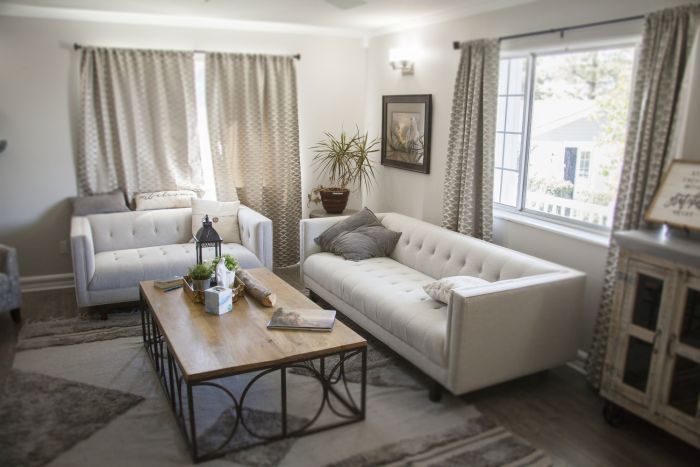
Public information does not clearly establish the current private or shared bedroom allocation for a proposed stay. Ask about roommates, bathroom access, storage, laundry, dietary requirements, and accessibility before paying a deposit. If an accommodation is necessary rather than merely preferred, make that distinction clear during assessment. The provider should explain whether it can meet the need and whether any particular room arrangement changes the cost.
Request written guidance on phones, computers, visitors, personal items, and contact with children or other dependents. Adults entering treatment often have responsibilities that cannot disappear entirely, but the program should explain how essential communication fits within its schedule. Do not assume unlimited work access or social visiting. Agreeing on practical expectations beforehand can help the resident and supporters make arrangements that are compatible with treatment.
Support for relatives and life after residence
The family-support program offers free education and recovery groups, with online and in-person options and many sessions open to adults beyond enrolled families. It also includes resources connected with parenting and family recovery. Ask which options are available to Bluffdale supporters and how they differ from clinical family sessions concerning the resident. Attendance at an educational class does not automatically establish access to private treatment information.
Discuss which people the resident wants involved, how routine updates work, and who can raise concerns. Families may need help understanding boundaries, communication, and the practical demands of the return home. That work should recognize the needs of both the resident and supporters without making relatives responsible for controlling every outcome. If some relationships are strained, ask how the team handles participation and whether separate support would be more appropriate.
Renaissance Ranch describes the Band of Brothers as an ongoing alumni community with meetings, dinners, online participation, and other connections. Ask what is available locally and what remains accessible after moving away. A lifetime alumni-support description does not establish free clinical care for life, guaranteed readmission, or a promised recovery result. The discharge plan should specify professional follow-up independently of any community events the person may choose to attend.
Interpreting the published fee estimates
Recovery.com’s exact Bluffdale profile, checked October 20, 2026, gives estimated self-pay amounts of USD 20,000 for thirty days and USD 37,000 for sixty days. These are separate third-party package estimates, not an official price schedule or a monthly range. The sixty-day amount should be preserved as stated rather than converted into an invented monthly figure. Request a current quotation for the exact care stages and room arrangement being recommended.
A thirty-day price does not mean that the provider recommends discharge after thirty days. Ask how the initial clinical recommendation relates to the financial estimate, what happens if care is extended, and whether detox is included or separately charged. Clarify consulting medical services, prescriptions, transport, deposits, refund rules, and the cost of any later program. The agreement should make it possible to understand the full proposed pathway without relying on assumptions about package inclusions.
The insurance page describes work with major insurers and Utah or Idaho Medicaid, with coverage varying by plan and level of care. Confirm the relevant Bluffdale service, network status, authorization, deductible, and coinsurance. A benefits check for one stage does not necessarily apply to another. Ask for an explanation of likely patient responsibility and any separate billing rather than treating general insurance acceptance as a guarantee of payment.
Outpatient treatment and nonclinical support housing
Later care may involve another Renaissance Ranch location or a provider closer to home. Ask for the actual outpatient address and timetable, how appointments are arranged, and whether travel is realistic. The organization’s residential-support service is explicitly described as structured housing without clinical or therapeutic services. It may accompany outpatient care or follow residential treatment separately. Confirm availability and charges rather than assuming that this housing is another form of residential clinical treatment.
The published admissions number is 855-736-7262. When calling, ask specifically about Bluffdale and request a plan that connects medical suitability, treatment goals, accommodation, fees, and confirmed follow-up. Compare those details with our explanation of residential care and other United States programs. A well-understood local plan is the basis for deciding whether this campus fits the person’s needs and practical circumstances.
Destinations
Conditions
Levels of care
Settings
Program approach
Individual/group care, trauma-informed work including provider-listed EMDR, Gospel-centered Twelve Step approach, recovery coaching, family education and alumni connection
Fees & admissions
Estimated USD 20,000 / program
Recovery.com Bluffdale checked 2026-10-20 explicitly USD 20,000 for 30 days and separately USD 37,000 for 60 days. Third-party estimates, not provider tariff or monthly range. Initial 30-day amount displayed; longer package not prorated. Confirm detox allocation, room, medication, professional services, extensions and later support.
Confirm the current program, duration, accommodation and included services directly with the center.
Bluffdale-specific clinical/withdrawal assessment, medication review, actual medical support, room and spiritual-program fit, benefits and written stage-specific quote