Care at Renaissance Ranch — Rupert
Men’s recovery programs at the Rupert location
Renaissance Ranch’s official Rupert page identifies a men’s addiction treatment location at 1275 North 400 East in Rupert, Idaho. It currently lists residential treatment and intensive outpatient care. Those are different pathways: one involves living in a treatment setting, while the other involves scheduled care without the same overnight arrangement. Ask the clinical team which service is appropriate for the individual and where each part of the proposed plan takes place.
This profile focuses on Rupert rather than treating every Renaissance Ranch campus in Utah and Idaho as interchangeable. Readers comparing United States treatment options should confirm the actual admission address, program stage, staffing, and accommodation. A brand-wide service description may provide useful context, but it does not establish that every service or pictured facility is available at this location. The person’s assessed needs should guide the selection of both campus and care level.
A faith-centered and 12-step framework
Renaissance Ranch explicitly describes a faith-centered approach rather than presenting spirituality as an incidental amenity. Its official explanation of the 12-step model connects recovery work with Gospel-centered principles. It says a person need not belong to a particular denomination, while asking participants to be open to the spiritual aspects of the program. Prospective residents should understand that emphasis before deciding whether the model fits their preferences and treatment goals.
Ask how spiritual material appears in groups, individual work, reading, meetings, and daily routines. Clarify what participation involves and how staff respond when a resident has different beliefs, uncertainty, or difficult past experiences with religion. The useful comparison concerns the actual program, not an assumption that a faith-centered approach is either necessary or unsuitable for everyone. Discuss the fit with the patient and clinician alongside the clinical services, support needs, and practical arrangements.
Understand the residential stage and its duration
The provider’s residential-program page describes a typical duration of 60 to 90 days, adjusted to individual needs and progress. It presents residential care as one stage in a longer pathway. Ask how the Rupert team recommends a duration, when it reviews that recommendation, and what criteria guide a transition. A typical period is useful planning information, but it is not a fixed requirement or a guarantee that every resident follows the same timetable.
Discuss what the person needs during an overnight program and why outpatient care alone may or may not be appropriate. Ask about admission criteria, clinical exclusions, physical health support, and the role of existing clinicians. Our residential care guide helps organize questions about structure and overnight support. The proposed stay should have a defined purpose and a review process rather than be chosen solely to match a quoted package length.
Clarify detoxification and medication arrangements
Renaissance Ranch’s wider network describes detoxification as a separate stage, while the Rupert location page specifically names residential and intensive outpatient services. Ask where any required withdrawal management occurs for this admission and which medical service accepts the patient. Do not infer that every campus delivers the same detoxification capability simply because the network’s navigation lists it. The exact pathway should be established by qualified clinicians before travel or an overnight booking.
Share the person’s current medication, substance use, previous withdrawal experiences, and relevant physical and mental health information through a secure assessment process. Do not abruptly stop medicines or change substance use to fit a booking date without clinical advice. Ask who prescribes, who reviews medication, and how the team communicates with the existing clinician. If the assessment indicates a different medical setting, the care plan should respond to that need before the residential stage begins.
Examine the clinical work within the program
The residential-program description includes individual and group therapy, trauma-informed work, recovery-coach support, family involvement, and structured activities. Ask the Rupert team which methods are available to the individual and who provides them. The clinical plan should explain how the proposed work addresses the person’s substance use and any co-occurring concerns. A list of approaches should not be treated as a promise that each resident receives every intervention or the same amount of individual contact.
Request a representative weekly schedule and ask how medical reviews, therapy, groups, rest, and activities fit together. Clarify which sessions are led by licensed clinicians and which involve recovery coaching or peer support. Each can have a role, but their responsibilities differ. Our co-occurring conditions guide can help when mental health needs are part of the assessment. Ask how the team reviews progress and changes the plan if an approach is unsuitable.
Keep residential and outpatient arrangements distinct
The current Rupert location page lists intensive outpatient care as well as residential treatment. Ask whether outpatient care is proposed as the initial service or as a later transition, how often sessions occur, and where the person lives while attending. A mention of outpatient care does not establish a particular schedule, housing arrangement, or clinical intensity for every patient. Those details should be confirmed for the actual plan and the individual’s circumstances.
If the person expects to move between stages, ask whether the same team remains involved and how information transfers. Clarify transport, medication reviews, work or family commitments, and support outside appointments. The outpatient guide helps compare those practical questions. A continuing pathway is most useful when the next service has a confirmed place in the plan, rather than remain a broad promise of support after the residential stay.
Review accommodation at the actual Idaho campus
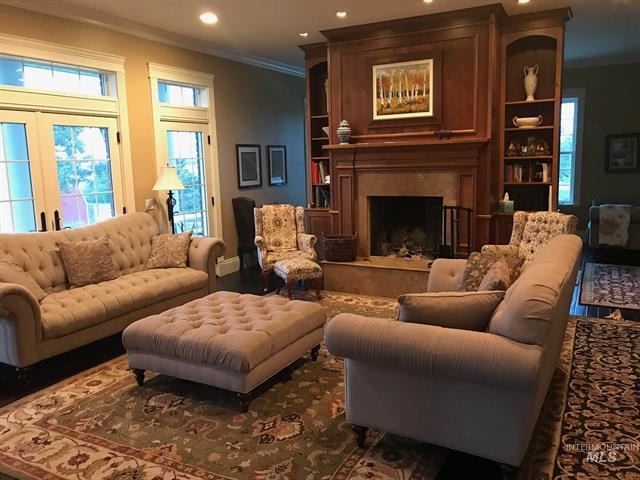
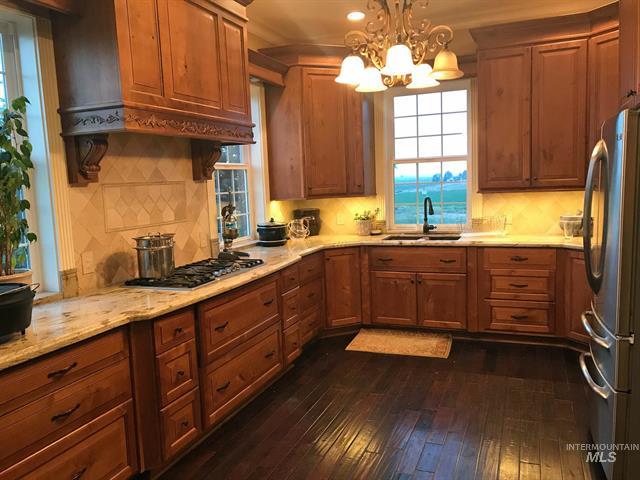
The Recovery.com profile for the Rupert location describes shared accommodation and recreational amenities. Treat those as third-party descriptions and confirm the current room, bathroom arrangement, and available facilities directly with admissions. Images and descriptions of another Renaissance Ranch property should not be used to promise features at Rupert. If a particular room or accessibility requirement matters, have it identified in the proposal before committing.
Ask about meals, allergies, mobility, laundry, personal possessions, staff access, and communal expectations. Discuss who is physically present overnight, which medical professionals are available, and how an outside appointment is arranged. The countryside setting guide provides questions about access and daily life that complement the clinical assessment. A ranch setting should be understood as the environment for the program, without assuming that scenery or amenities produce a particular treatment outcome.
Understand family support and the resident’s consent
Renaissance Ranch’s family-support information describes educational resources and groups, including online and in-person options. Ask what is available for relatives connected with the Rupert program, which activities are part of the resident’s plan, and which are general community resources. Family education, individual clinical updates, and family therapy serve different purposes. The provider should explain each rather than treat all family involvement as one undefined service.
Ask whom the resident wants involved and what information may be shared. If relatives arrange treatment or help with payment, clarify their administrative role and the person’s consent to clinical communication. For family members who live far away, ask about remote participation and scheduling. A useful family plan should have realistic expectations and a practical purpose, without making relatives responsible for clinical decisions or leaving the resident’s own preferences unclear.
Plan the arrival and daily expectations
Confirm clinical acceptance and the actual Rupert admission address before arranging travel. Ask which records, identification, clothing, and personal items are needed, and obtain the current packing instructions. Discuss transportation and what happens if the person is delayed or becomes unwell before departure. The receiving team should know when the person is expected and have the relevant clinical information through a secure channel.
Ask about phones, visitors, outside activities, work, and the ordinary daily schedule. If the person has responsibilities that cannot simply disappear during a longer stay, discuss how those are handled before admission. The clinician should help assess whether continuing some work is compatible with treatment. A plan for practical obligations can support participation without allowing an employer’s deadline or a family’s preferred date to determine the appropriate clinical duration.
Compare the 30-day and 60-day price evidence accurately
The exact-location Recovery.com listing, reviewed October 20, 2026, gives estimated cash-pay figures of USD 20,000 for 30 days and USD 37,000 for 60 days. These are third-party estimates, not an official Renaissance Ranch tariff or a guaranteed total for a particular resident. They cover different periods and should not be displayed as one price range for the same package. The 60-day figure has not been divided into an inferred monthly rate.
Ask for a written quote matching the assessed care level and expected duration. Clarify clinical services, accommodation, medicines, tests, transport, family work, and continuing care. The official typical residential duration of 60 to 90 days and a third-party 30-day estimate answer different questions. Our cost guide helps compare the actual commitment. Review deposits, cancellation, extensions, early departure, and transfer terms before paying.
Verify funding for the particular service
The current Rupert page says it accepts Idaho Medicaid and major private insurance arrangements. That statement does not establish an individual’s eligibility, authorization, or coverage for every service. Ask the provider and payer to verify the exact plan, campus, level of care, and expected period. Identify any deductible, copayment, exclusion, or review requirement that affects the patient’s cost. Keep the confirmed funding arrangement alongside the clinical proposal.
If the person moves from residential to outpatient care or another housing arrangement, ask how coverage and billing change. A general benefit check for one stage may not answer the next stage’s questions. If a relative funds treatment, agree on the payment terms and the person’s privacy preferences separately. The aim is a clear financial plan that supports the appropriate care sequence, with enough visibility to address changes before they become unexpected charges.
Establish the next stage and longer-term support
The provider describes a Band of Brothers alumni community in its family and alumni information. Ask what participation is available to the individual, which activities occur locally or online, and whether any clinical follow-up is separate. Alumni contact, recovery coaching, outpatient treatment, and medical prescribing have different roles. A promise of ongoing community should not be interpreted as a guarantee of an outcome or unlimited clinical services.
Before discharge, identify the next clinician, medication arrangements, appointments, and practical support at home. Use our admission questions to review the complete pathway. Renaissance Ranch Rupert offers a particular combination of men’s care, residential and outpatient options, faith-centered recovery, and family resources to investigate. The decision should rest on the individual’s assessment, informed preferences, current service details, transparent fees, and a concrete continuing-care plan.
Conditions
Levels of care
Settings
Treatment approach
Individual and group therapy, trauma-informed care, recovery coaching, family support, and an explicit faith-centered 12-step framework
Fees & admissions
USD 20,000 / program
Recovery.com exact-location listing reviewed October 20, 2026 estimates USD 20,000 for 30 days and USD 37,000 for 60 days. These cover different periods and are not a same-duration price range or an official provider tariff. Provider describes typical residential care as 60–90 days. Confirm the assessed duration and written total; no prorated monthly fee inferred.
Confirm the current program, duration, accommodation and included services directly with the center.
Confirm Rupert care level, any separate detox pathway, medication and co-occurring needs, faith-program expectations, room assignment, payer authorization, and continuing care