About Renaissance Ranch — St. George
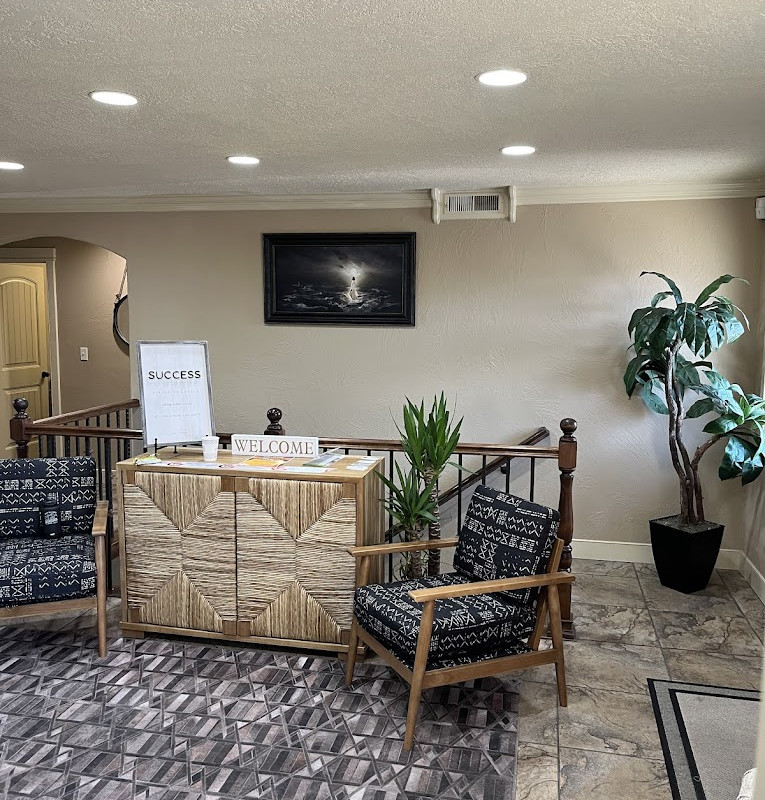
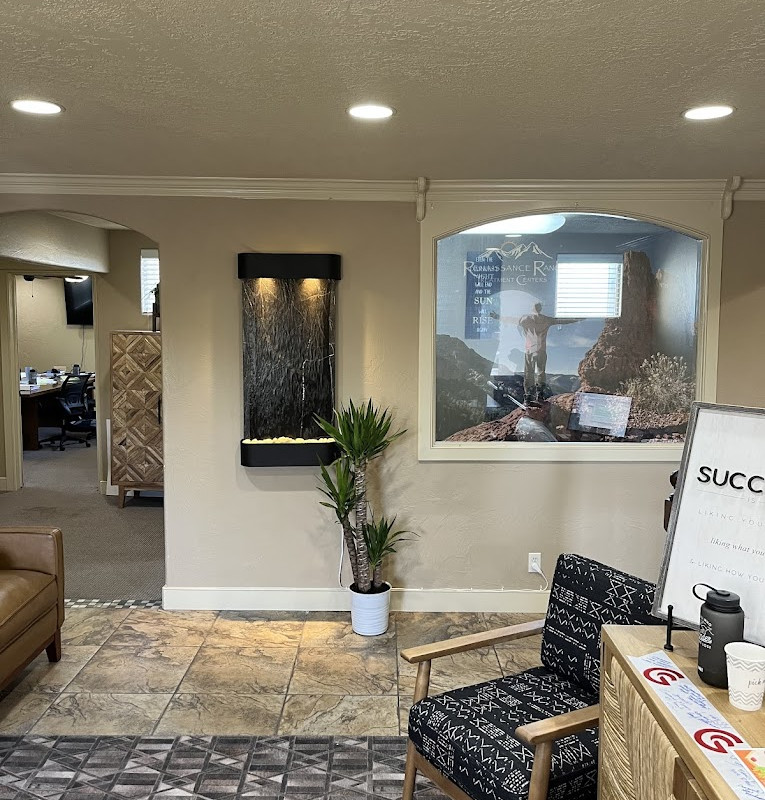
Renaissance Ranch’s St. George residential program serves adult men seeking substance-use treatment in southern Utah. The current official location page identifies the residence at 1239 West 4200 North, St. George, Utah 84770, and lists a separate outpatient office at 44 North 800 East. This profile concerns the residential program. When contacting the provider, identify St. George and the intended level of care so that information about another Renaissance Ranch location or a later support service is not mistaken for the proposed admission.
The St. George residence within a wider organization
The official St. George page describes a residential house and an outpatient office, with some team continuity across those local services. It says the programs combine clinical therapy with a faith-centered Twelve Step approach. Ask which clinicians and recovery staff would work with the person at the residence and how a transition between local services is arranged. Shared organizational values do not mean that every site offers identical medical resources or accommodation.
Renaissance Ranch operates in more than one Utah and Idaho community. Its general descriptions of a secluded ranch in the Rocky Mountains should not automatically be used to describe the St. George house. Request current information and photographs for the actual receiving residence, including accessibility and room layout. The relevant setting is the one named in the admission documents, not a property featured elsewhere on the organization’s website.
The provider FAQ describes treatment for adult men with drug or alcohol concerns and associated trauma, anxiety, or depression. Discuss the individual’s main reason for seeking help, current symptoms, medications, and previous treatment with admissions. Ask which needs the St. George program can address directly and what would require another service. A broad statement about co-occurring concerns should lead to a specific explanation of the proposed clinical plan.
Faith, Twelve Step work, and personal fit
The organization’s FAQ describes a Gospel-centered program with Twelve Step principles while stating that membership in the LDS faith or another denomination is not required. It asks participants to be open to a spiritual dimension of recovery. This orientation deserves discussion before admission, particularly if the person has a different belief system or difficult experiences with religious settings. Ask how the team supports respectful questions, individual preferences, and meaningful participation without assuming that every man relates to spirituality in the same way.
Find out how spiritual activities, peer meetings, counseling, and practical recovery work fit together during a typical week. Ask which activities are expected, which are optional, and how staff respond if a particular format is not useful for the individual. A program’s philosophy can be an important part of fit, but it should not replace clarity about clinical treatment. Understanding the actual balance helps the person decide whether this environment is one in which he can engage openly.
The provider describes a strong peer community and recovery-coach involvement. Ask how those roles differ from the responsibilities of licensed clinicians and medical professionals. A person may value support from people with lived experience while also needing psychiatric assessment or individualized therapy. The care plan should explain who provides each service, how concerns are escalated, and how the different members of the team communicate rather than treating all support roles as interchangeable.
Clinical treatment and medical questions
The general residential program page lists individual and group therapy, trauma-informed care including EMDR, recovery support, and structured activities. It describes a typical sixty- to ninety-day stay tailored to clinical needs. These are organization-level descriptions. Confirm their application to St. George, including the current individual-session schedule, availability of particular therapies, and the initial recommended duration. A listed method is not a guarantee that every resident receives it immediately or in the same form.
For someone with trauma-related symptoms, ask who performs the assessment and how the team decides when focused work is appropriate. Clarify the difference between a supportive trauma-informed environment and a specific course of trauma therapy. Discuss current stability, consent, and coordination with existing clinicians. Our co-occurring conditions overview can help identify questions about treatment priorities when substance use and emotional or psychiatric difficulties need attention together.
The organization also publishes a medical detox program, but the St. George location page does not resolve every detail of local withdrawal management. Ask whether detoxification is available at the proposed residence, at another Renaissance Ranch site, or through a separate provider. Confirm the receiving address, medical supervision, and transfer process. A network-wide statement about moving from detox to residential care on the same campus should not be assumed to apply to every local admission.
Provide an accurate medication list, relevant records, and information about previous withdrawal complications before traveling. Ask who reviews existing prescriptions, how urgent medical concerns are handled, and what happens if the person needs more support than the residence can offer. Do not infer hospital-level resources from the presence of a nurse on a team biography or from a general description of twenty-four-hour support. The clinical assessment should establish the actual resources appropriate to the individual’s needs.
Accommodation and everyday routines
The primary location information establishes a residential house but does not clearly confirm current private or shared room availability. Ask about the number of roommates, bathroom arrangements, personal storage, laundry, and overnight supervision. If privacy or accessibility is essential, request confirmation before paying a deposit. A residence designed for men in treatment does not automatically offer a private bedroom, a particular amenity, or a fixed staff-to-client ratio.
Request the current packing list and rules for phones, laptops, visitors, food requirements, and personal commitments. Someone entering treatment may need to arrange contact with children, an employer, or other important people, but those needs should be discussed against the actual schedule. Ask how essential communication is handled and whether any restrictions change over time. Clear expectations are more useful than assuming that an adult residential program allows unrestricted work or device use.
The wider residential program mentions fitness, recreation, and activities connected with sober living. Ask which are offered at St. George and how participation is assessed. Do not assume that a ropes course, ranch activity, or other experience described for the organization occurs at this house. Discuss mobility, medical limitations, and personal comfort in advance so that the team can explain appropriate alternatives and the role of recreation within the treatment plan.
Family education and ongoing support
Renaissance Ranch’s family-support page describes free weekly education and recovery groups available online and in person, with most open to adults in the wider community. It also describes family-focused resources and its Band of Brothers alumni network. Ask which meetings are currently accessible to St. George families, whether registration is required, and how these educational resources differ from clinical family sessions concerning a particular resident.
Family members can ask how the team supports communication and practical planning without assuming that relatives control the course of another person’s recovery. Discuss whom the resident wants involved, how updates are shared, and the boundaries around sensitive information. If relationships are strained, clarify how family work is introduced and whether separate support is appropriate. A useful plan respects the individual’s treatment while acknowledging that partners, parents, and children may have their own needs.
The provider describes alumni dinners, meetings, online contact, and other continuing connections through the Band of Brothers. Ask what participation includes locally and what remains available if the person moves away. A lifetime support description is not a promise of lifelong free clinical treatment, readmission, or a guaranteed outcome. Clarify the difference between community contact and professional follow-up so that the discharge plan does not rely on an undefined assurance of ongoing support.
Fees and insurance for the actual stay
The Recovery.com St. George listing, checked October 20, 2026, gives estimated cash-pay prices of USD 20,000 for thirty days and USD 37,000 for sixty days. These are separate third-party program estimates, not official tariffs or a monthly price range. The sixty-day amount should not be divided into an invented monthly rate. Ask for a current written quotation for the exact St. George service and recommended duration.
The provider’s general sixty- to ninety-day residential description and the secondary thirty-day price answer different questions. One concerns an anticipated clinical pathway; the other describes a billing period in a directory estimate. Ask how long the team initially recommends, when progress is reviewed, and how an extension is priced. Clarify the room, medical services, medications, transport, deposit, refund terms, and any charges associated with moving to another program.
The official insurance page says Renaissance Ranch works with major insurers and Medicaid in Utah and Idaho, with coverage varying by plan and care level. Verify the specific St. George service rather than assuming that eligibility elsewhere in the organization applies to this admission. Ask about authorization, deductibles, coinsurance, and separate professional bills. Benefits assistance is useful, but an insurer’s name on a website does not establish payment for every day or every expense.
Outpatient care and supportive living are separate steps
St. George’s outpatient office is listed at 44 North 800 East, distinct from the residential house. Ask about its current timetable, eligibility, and whether the person can realistically attend after leaving residence. Some continuity of team may help with planning, but the service remains a different level of care. A transition should include agreed goals, actual appointments, transport, and an assessment of the person’s support outside scheduled treatment hours.
The provider’s residential-support page describes structured sober living that does not itself include clinical or therapeutic services. It says this support may accompany outpatient treatment or stand alone after residential care. Confirm current availability, address, house rules, fees, and any separate treatment requirement. Supportive housing should not be confused with continued residential clinical treatment or assumed to be included in an outpatient insurance authorization.
Renaissance Ranch’s current published admissions number is 855-736-7262. Ask for the St. George residential program and bring together the clinical plan, receiving address, room arrangement, financial agreement, and next-step appointments. Compare those details with other United States providers and our explanation of residential care. The most useful decision is based on the individual’s assessed needs and a clearly understood local pathway.
Destinations
Conditions
Levels of care
Settings
Program approach
Clinical individual/group care with Gospel-centered Twelve Step orientation, trauma-informed work, recovery coaching, family education and Band of Brothers alumni support
Fees & admissions
Estimated USD 20,000 / program
Recovery.com St. George checked 2026-10-20 explicitly USD 20,000/30 days and separately USD 37,000/60 days. Not provider tariff, monthly price or range for the same duration. Keep initial 30-day program amount; do not prorate 60-day package. Confirm room, medical care, detox location, extensions and later housing/outpatient charges.
Confirm the current program, duration, accommodation and included services directly with the center.
St. George-specific clinical and medical/withdrawal assessment, exact detox location if needed, room and schedule, spiritual-program fit, benefits and current written residential quote