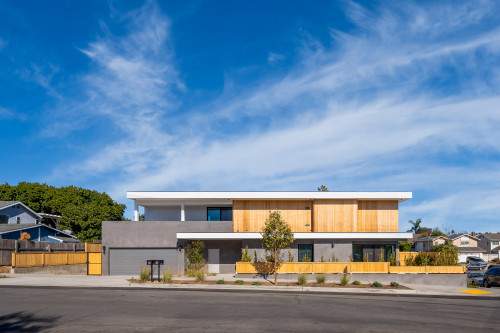
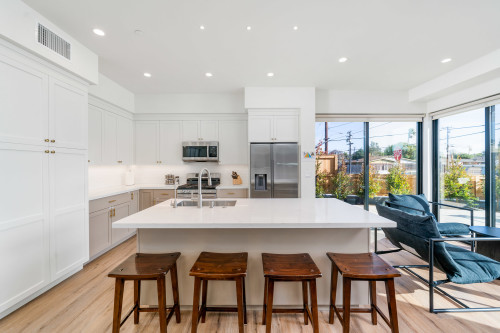
About Renu Healthcare — Costa Mesa
Renu Healthcare’s Costa Mesa program
Renu Healthcare’s current official website is renuhealthrecovery.com, which identifies its Costa Mesa location at 1008 West Wilson Street and publishes 949-368-0633 as its contact number. It describes residential addiction treatment, detoxification, medication support, counseling and continuing care for adults eighteen and older. This profile concerns that Wilson Street service in the United States. Confirm the specific suite, starting service and admission plan directly before arranging travel or relying on older contact information.
The current programs page presents a structured residential model that combines clinical work with daily routines and wellness activities. Its FAQ describes stays of approximately fourteen to thirty days, depending on individual needs. That current primary description is more specific than the thirty-to-forty-five-day range in the secondary listing. Ask for the actual recommended commitment, the review process and what happens if a different duration or starting level is needed.
Two separately recorded suites
The California DHCS facility dataset, last updated August 17, 2026 and checked October 20, identifies Renu Healthcare, LLC at 1008 West Wilson Street under two records. Record 300778AP covers Suite A and record 300778BP covers Suite B. Each lists licensed and certified residential/detoxification services, incidental medical services and six treatment and total places. Both show a listed expiration date of January 31, 2027. The state dataset therefore distinguishes the suites rather than describing a single six-place provider.
These records support the exact location and recorded service categories, but they are dated snapshots rather than a count of present vacancies or an independently verified daily staffing schedule. Ask which suite is offered and what current authorization applies. Do not interpret the two records as twelve beds in each suite or assume that both have identical room arrangements. The recorded residential/detoxification scope also does not establish hospital admission; the overnight service is described here as residential care.
A detoxification detail that needs direct confirmation
Renu’s current homepage and dedicated programs page advertise medical detoxification and residential care at Costa Mesa. However, one answer on its About page says detoxification and inpatient treatment are not offered and describes referrals to local partners. This conflicts with the principal service descriptions and the dated facility categories. Before admission, ask whether the proposed detoxification actually occurs in Suite A or B, who provides it, and whether any part of the starting care is arranged elsewhere.
The inconsistency does not establish that the program has closed or that its recorded authorization has changed. It does mean the website alone does not settle the exact arrangement for a new admission. Request a written plan identifying the receiving facility, clinical service, medical resources and transfer arrangements if a partner is involved. This is particularly important when a family is coordinating transport or comparing a combined detoxification and residential quote with separate offers from different providers.
Assessment and medication support
The provider describes an initial conversation, insurance review and clinical assessment before placement. Prepare accurate information about current substance use, physical health, mental health symptoms, medications and previous treatment. Ask what records are needed, who decides suitability and whether any proposed arrival remains provisional. The current site says it serves adults eighteen and older; an individual assessment still needs to establish whether the actual program and available resources are appropriate for that applicant.
The primary programs and therapy pages explicitly include medication-assisted treatment alongside counseling. This is more informative than a broad secondary statement about being free from substances. Ask which medication services are relevant to the person’s needs, who prescribes and monitors, and how existing prescriptions are reviewed. No directory description establishes an individual medication plan. Confirm pharmacy arrangements, refills and any charges for medication or tests before assuming they are included in the residential price.
The website describes clinical oversight around the clock, but that does not specify continuous physical presence by every medical professional. Ask for the actual nursing, prescribing and after-hours arrangements in the assigned suite and service. Clarify how staff obtain an outside assessment, what needs exceed the setting and who communicates changes to the patient and chosen supporters. A clear account of responsibilities is more useful than assuming that all forms of twenty-four-hour support are the same.
Therapy, relationships and co-occurring needs
The current therapy page describes individual and group counseling, cognitive behavioral therapy, couples counseling and family work. It also describes a trauma-informed approach and support for mental health concerns alongside addiction. Someone seeking co-occurring-condition care should ask how both parts of the presentation are assessed and addressed, including psychiatric appointments where needed. A broad list of concerns does not establish unrestricted admission for every diagnosis or severity.
Ask for a sample weekly plan showing the frequency of individual appointments, the purpose and size of groups, medication reviews and time for practical activities. Clarify who the main clinician is, how goals are agreed and when progress is reviewed with the resident. If a particular method is important, ask whether it is routinely provided, offered after assessment or arranged separately. A provider’s stated commitment to personalization should translate into understandable appointments and responsibilities.
Couples and family counseling are described as therapy options. They should not be assumed to guarantee joint admission, a shared bedroom or unrestricted information sharing. Each person’s needs and preferences require consideration. Ask who may participate, whether sessions can be remote, what consent is required and whether there are separate fees. When relatives are helping with travel or payment, agree how practical updates will be handled without treating logistical involvement as a complete clinical communication plan.
Private and semi-private rooms
The current primary FAQ expressly offers both private and semi-private rooms. This supports a private-bedroom option while correcting any impression that every resident necessarily has a room alone. Ask about the assigned suite, exact occupancy, bathroom use, availability and price. A private bedroom does not establish sole use of a suite, shared living area or bathroom. The source also describes separate housing options for men and women, but it does not assign a specific population to Suite A or B.
The secondary listing includes television and streaming access, exercise equipment and shared recreation. Check those details for the offered room rather than assuming every image or amenity applies to both suites. Ask about laundry, storage, accessibility, quiet hours and staff access. The current provider describes the location as near the coast; it should not be interpreted as a guaranteed beachfront room or an ocean view. Confirm transport and supervision for any activity away from the residence.
The current primary FAQ says daily meals are included and dietary needs can be accommodated. Recovery.com separately describes grocery shopping, cooking or catering choices. Ask how meals are actually provided in the proposed program, who is responsible for preparation and whether alternatives attract extra costs. Explain allergies, restrictions and clinically relevant nutritional needs before arrival. A kitchen or food-choice amenity does not by itself establish the specialist support an individual may require.
Daily routines and wellness activities
Renu’s current program material describes a day combining clinical check-ins, therapy and activities such as movement, mindfulness and outdoor walks. Ask what is scheduled, which elements are optional and what alternatives are available when health needs or preferences affect participation. The website also promotes additional testing and wellness services. Request the clinical purpose, responsible professional, expected information and cost of any proposed service rather than assuming a broad health-optimization claim establishes a benefit for everyone.
Discuss phone and laptop rules, visitors, work obligations and the current packing list before admission. A secondary description of flexible technology does not establish unlimited access during every stage. Explain essential family or employment responsibilities and ask how necessary communication is arranged around treatment. If an activity, room feature or outside appointment is important to the decision, request confirmation for the actual dates and program instead of relying on a general description of the home.
Starting-price evidence and the full offer
The Recovery.com listing checked October 20, 2026 gives an estimated starting price of USD 25,000 or more for thirty days. This is a third-party program reference rather than an official monthly tariff or a maximum price. The plus sign matters: it leaves the upper amount unspecified. Ask for the actual cost of the recommended duration, room and services, including how a shorter stay or extension is priced.
The quote should identify the assigned suite, detoxification provider and location, residential days, professional appointments, medication, tests, meals, activities, transport and later care. Ask about deposits, cancellation, transfer and early departure. The current primary fourteen-to-thirty-day guidance does not establish that every person can book any duration at a proportionate price. If a partner supplies part of the care, obtain that provider’s terms separately and confirm which organization receives each payment.
The primary website names several insurers, while the secondary listing describes verified PPO plans and out-of-network arrangements. Ask about the exact policy, service, network relationship and authorization, including deductible and other personal costs. A logo or a statement that treatment might be fully covered does not guarantee payment for this admission. If benefits change during care, establish how the resident will be informed and what clinical or financial alternatives will be discussed.
Continuing support after residential care
The therapy page describes telehealth follow-up, while the broader program and secondary listing discuss aftercare, peer support and referrals for outpatient treatment or housing. Ask which services Renu itself will provide, which belong to another organization and whether the patient is eligible after returning home. Request named appointments, medication responsibilities, a suitable living arrangement and clear fees. The decision should connect assessed needs with a confirmed Wilson Street suite, resolved detoxification arrangements and a practical next stage.
Sources checked October 20, 2026: Renu Healthcare’s current homepage, programs, About and therapy pages; DHCS records 300778AP and 300778BP in the August 17, 2026 dataset; Recovery.com for attributed amenities and the thirty-day starting-price estimate. The contradictory About-page detoxification answer is disclosed rather than treated as proof of closure.
Destinations
Conditions
Levels of care
Amenities
Program approach
Individual/group counseling, cognitive behavioral therapy, family/couples work, trauma-informed co-occurring support, medication-assisted treatment where clinically appropriate, assessed wellness activities and continuing-care/telehealth follow-up
Fees & admissions
Estimated USD 25,000 / program
Recovery.com checked October 20, 2026 lists an estimated starting price of USD 25,000 or more for thirty days, with no defined upper price. This is a third-party program reference, not an official monthly tariff. Request the actual suite, duration, room, detoxification provider and location, clinical services, medication, tests, meals, activities, transport and continuing care in a written offer.
Confirm the current program, duration, accommodation and included services directly with the center.
Adults eighteen and older. Confirm Suite A or B, actual detoxification provider/location in light of conflicting FAQ, medical and prescriber resources, medications, private/semi-private room and bathroom, meals/accessibility, daily schedule and devices, exact commitment, written costs and policy authorization, plus named follow-up/housing responsibilities.