
About Restorations Health Care — Anaheim
Understanding the Anaheim listing and its different addresses
Restorations Health Care provides addiction treatment through more than one address in Orange County, California. Its current homepage advertises detox and inpatient treatment and prominently displays 1320 North Hancock Street, Unit A, Anaheim. The contact page also names 2238 East Olmstead Way in Anaheim. These addresses should not be treated as interchangeable accommodation. Before booking travel or paying a deposit, ask which property will provide the proposed residential stay, which services occur elsewhere, and who coordinates travel between them.
The current published inquiry number is 800-687-8617. This replaces the different telephone shown on the secondary directory listing as the main contact for this profile. The contact page displays weekday office hours, but those hours do not describe the overnight staffing of a residential house. Ask separately about admissions availability, arrival times, the number residents can use after enrollment, and the staff responsible outside office hours. A central contact point is useful only when the receiving service is clearly identified.
What the California record says about residential and outpatient locations
The California Department of Health Care Services facility dataset, last edited August 17, 2026 and reviewed here October 20, records Restorations Health Care LLC under application 300691AP. It lists residential and detox services at 127 West Palmyra Avenue in Orange, with additional locations at 129 West Palmyra Avenue and 2238 East Olmstead Way, Anaheim. The record gives 14 treatment places across its listed locations, incidental medical services marked “Yes,” and a December 31, 2026 expiration date. It does not establish 14 beds at the Anaheim house alone.
A separate record, 300691DP, identifies 1320 North Hancock Street, Suite A, Anaheim as a certified nonresidential location, with a May 31, 2028 expiration date. This explains why the address repeated in the website footer should not automatically be presented as the residential bedroom address. These are dated administrative records, rather than a live statement of availability or an independent inspection of current operations. Request the applicable current license and the exact house address for any proposed residential admission.
Assessing the proposed level of care
Restorations’ primary website uses inpatient language, while the state record specifically identifies residential and detox services. Neither the word inpatient nor an incidental medical services entry establishes general hospital capabilities. Ask what medical assessment is required, who manages prescriptions, which licensed professionals are physically onsite, and how the house responds if a resident needs a higher medical level. The answer should relate to the proposed property and phase of care, rather than describe all services available somewhere within a network.
A useful first discussion includes current substance use, previous withdrawal complications, prescriptions, significant medical conditions, and psychiatric history. Ask the admissions team to explain whether the proposed offer begins with detox, residential treatment, or another service, and whether a transfer between properties is expected. Obtain the clinical and financial arrangements for each stage. A family should not assume that an advertised detox service means every withdrawal presentation can be managed in the same house or that admission can occur without a clinical review.
Therapy, recovery activities, and the weekly plan
The exact-campus Recovery.com description identifies individual and group work, cognitive behavioral and dialectical behavior approaches, family sessions, and 12-Step participation. It also describes experiential activities and continuing-care planning. These are useful topics for an admissions conversation, but the directory does not establish a guaranteed schedule for every resident. Ask which clinician would oversee the treatment plan, how often individual sessions occur, and how the team decides which activities address the person’s goals.
The provider’s homepage emphasizes learning to enjoy everyday life and taking part in recreation. To judge how that fits the clinical program, ask for a sample week that distinguishes psychotherapy, skills groups, peer support, exercise, community activities, and free time. Ask how activities are adapted when someone is early in withdrawal, physically limited, uncomfortable in groups, or unable to participate in an outing. A range of activities can support different preferences, but their presence does not demonstrate a particular clinical result.
Someone who has attended treatment before may want to discuss what would change this time. Bring a concise account of approaches that were helpful, barriers encountered after discharge, and concerns about the proposed schedule. Ask how those observations influence the new plan and when progress is reviewed with the resident. This moves the conversation from a general description of individualized care to concrete responsibilities, appointments, and decisions that can be checked during the stay.
Co-occurring needs and continuity with existing clinicians
The published description includes support for mental-health concerns alongside substance use. Ask whether the house can accommodate the specific combination of symptoms, current medications, and medical needs under discussion. Clarify psychiatric consultation frequency, who can adjust prescriptions, how records reach the team, and what happens if a new concern emerges after admission. The co-occurring conditions guide offers a useful framework for comparing programs, but suitability requires a decision by the receiving clinicians.
If the person already has a psychiatrist, therapist, or primary-care clinician, ask how those relationships can be included with consent. Identify who will request relevant records and whether the discharge plan will reconnect the resident with those professionals. When care is mainly sought for a mental-health condition without a substance-use treatment need, request a direct answer about eligibility. A directory’s broad mental-health category is not confirmation that the program provides an independent acute psychiatric service.
Rooms and amenities require a house-specific confirmation
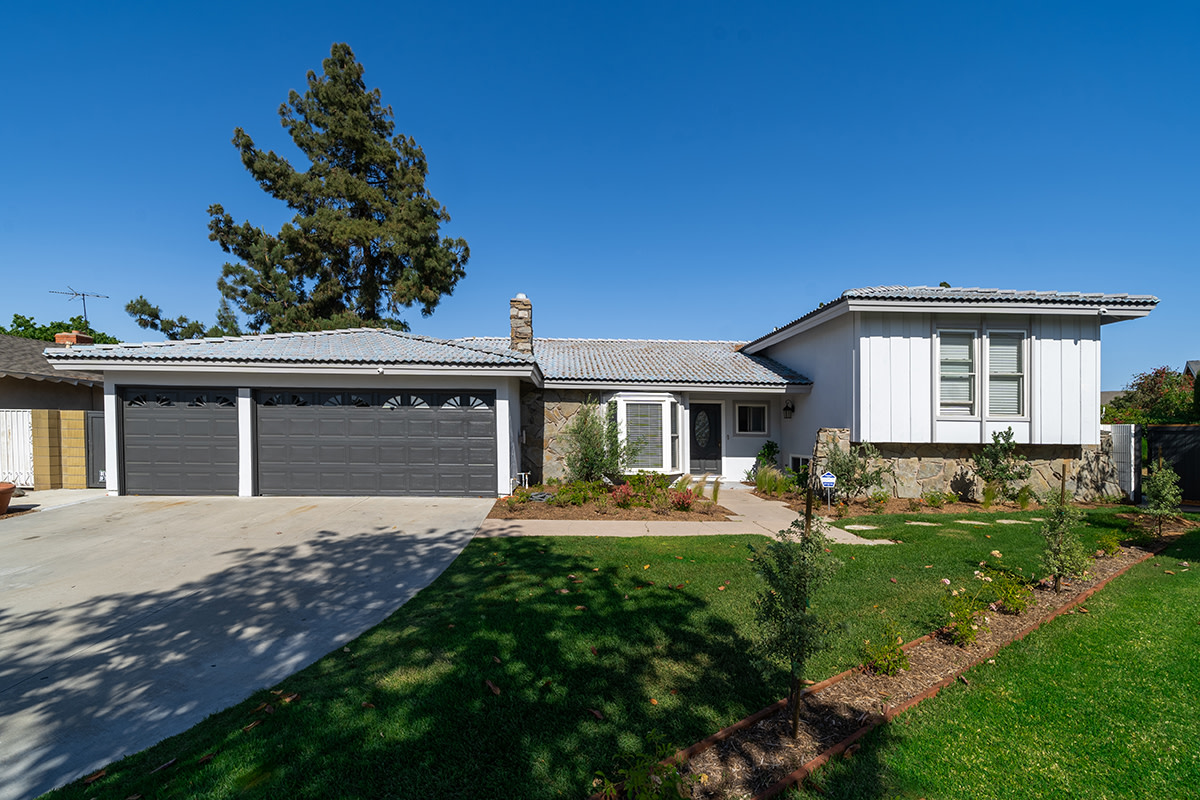
Restorations’ current facility page describes private bedrooms, televisions, a swimming pool, outdoor gathering space, and recreational facilities. The exact-campus secondary listing describes shared bedrooms and bathrooms. Public sources therefore do not settle the room arrangement for a particular booking. Request the actual property name, a current room description, bathroom occupancy, and a written explanation of any private-room option or supplement. Do not interpret attractive photographs or a general amenities page as a reservation.
Some public descriptions also make broad claims about proximity to beaches. Those claims should not replace the verified Anaheim and Orange addresses when planning transport or assessing the setting. Ask where any beach or recreation activity takes place, whether staff accompany it, whether travel is included, and whether participation depends on the treatment phase. The residential offer should identify what is onsite and what is an optional or scheduled offsite activity, especially when several houses use shared program facilities.
For daily living, ask about laundry, storage, permitted belongings, phone use, meals, allergies, quiet hours, and access to outdoor space. Describe any mobility, sensory, or sleep-related requirements in practical terms. Confirm stairs, bathroom access, transport arrangements, and how a resident requests help overnight. If a shared room would be difficult, discuss that before a deposit rather than assuming a later upgrade will be possible. Ask what happens financially and clinically if the assigned room does not meet an agreed requirement.
Family participation and a workable return home
The provider’s family therapy page describes work on communication and relationships affected by substance use. Ask what family involvement is actually offered during the proposed stay: individual family appointments, educational groups, remote sessions, or referral to outside support. Request frequency, eligibility, clinician responsibility, and any separate charge. Participation should be discussed with the resident, including whom they want involved and what information they consent to share.
A useful family conversation can focus on practical issues such as contact during treatment, accommodation after discharge, transport to appointments, and how to communicate concerns. Do not assume all relatives should attend the same session or that relationship difficulties have a single cause. Ask how the program handles unsafe relationships, disagreement about participation, or the absence of available family. A trusted friend or another support person may be an important part of planning; whether and how they can participate should be clarified with the team.
The dated price reference and an itemized quotation
Recovery.com, checked October 20, 2026, estimates USD 30,000 for a 30-day program. That is a third-party reference, not a provider-issued tariff. It should not be displayed as an unrestricted monthly fee or used to infer a fixed price for 60 or 90 days. The estimate also does not establish which house, room, detox services, professional appointments, or continuing-care arrangements are included. No current official numeric price was verified in this review.
Ask for a quotation that names the receiving residential address, intended dates, level of care, and room arrangement. Request separate explanations of medication, testing, outside medical appointments, transport, and any outpatient charges. Review deposits, payment dates, refunds, early departure, extensions, and transfers before signing. When insurance is involved, confirm the exact plan, authorized service, applicable location, and potential remaining charges. A website statement that major insurance is accepted does not answer those specific financial questions.
Planning the step after residential treatment
For someone traveling into Orange County, ask for pickup and arrival instructions tied to the confirmed house. Identify whom to call if a flight is delayed, whether transport is supplied or separately charged, and whether a support person may accompany the resident during intake. The same preparation applies to a transfer between the Anaheim and Orange properties. Written instructions can prevent the central office, an earlier directory address, or a map pin from becoming an unintended destination.
The distinct Hancock Street nonresidential record makes continuing-care arrangements particularly important to clarify. Ask whether a proposed outpatient transition would use that address, another provider, or services near the resident’s home. Confirm the actual schedule, transport, housing expectations, clinician handoff, and separate cost. A residential stay does not automatically reserve an outpatient place, and a recommendation to continue treatment is more useful when the receiving appointment and responsible contact have been established.
Compare Restorations with other residential programs and United States treatment listings using the exact property, clinical coverage, schedule, room, and total proposed cost. Before arrival, obtain a written confirmation of the house, the admissions contact, the assessment decision, and the financial terms. Those details provide a sounder basis for a choice than the central office address, an unqualified amenities list, or a secondary estimate alone.
Destinations
Conditions
Levels of care
Settings
Program approach
Individual and group work, behavioral approaches, family therapy, peer and 12-Step support, experiential activities and continuing-care planning; exact schedule and clinicians require confirmation
Fees & admissions
Estimated USD 30,000 / program
Recovery.com checked 2026-10-20 estimates USD 30,000 for 30 days. Third-party program reference, not official monthly tariff. Exact house, room, detox, medication, testing, professional care, transport and outpatient inclusions require a written quotation.
Confirm the current program, duration, accommodation and included services directly with the center.
Clinical review of substance use, withdrawal, medication, medical and psychiatric history; confirm actual residential address, staff coverage, room, travel and insurance before deposit. Central contact office hours do not describe overnight residential staffing.