
Care at Rise in Malibu — Sea Vista Estates
Rise in Malibu and the Sea Vista residence
Rise in Malibu offers residential substance use treatment and support for co-occurring mental health concerns in a small coastal setting. This listing concerns Sea Vista Estates at 26901 Sea Vista Drive, Malibu, California. The provider also discusses other locations and later care stages, so an inquiry should name Sea Vista and the intended residential program. Ask the admissions team to confirm that the proposed room, clinical schedule, and quoted fee belong to this property rather than another part of the organization.
The California Department of Health Care Services register identifies Rise Luxury Rehab, LLC at the same address, under number 190004AP. The reviewed record lists residential and detox services, incidental medical services, capacity for six, and license expiration November 30, 2028. This supports a specific residential setting; it does not establish that six places are available today or that the home is an acute hospital. Rise’s current official admissions number is 866-229-5267.
Assessment and medical detox
The official detox page describes an initial physical and mental health evaluation, medically supervised withdrawal care, monitoring, and adjustment of the treatment plan. The clinical assessment should determine whether the Sea Vista setting can meet the person’s needs or whether another medical service is required first. Describe current medications, substance use, prior withdrawal experiences, and relevant physical or psychiatric history accurately. Those details help the team explain the proposed sequence of care and any limits of the residential environment.
Rise’s FAQ gives three to eight days as a typical detox range, with substantial individual variation. That is a provider planning description, not a prediction for a particular person. Clarify who reviews progress, what overnight coverage is available, and how the team decides when the residential therapy phase can begin. Ask whether detox has a separate charge and how outside consultations, prescriptions, testing, or hospital transfer would be handled. A medical service within a residence should be compared according to its actual staffing and capabilities.
The individual therapy schedule
Rise’s FAQ describes three or four individual therapy sessions weekly according to clinical need. Its separate therapy and integrative-care pages give a broader minimum of two weekly sessions. These are different published descriptions, so obtain the schedule promised for the proposed admission rather than assume every resident receives an identical number. Confirm appointment length, the clinician’s role, and whether medical reviews or case-management contacts are counted separately from psychotherapy. Extra appointments should have clear availability and financial terms.
The individual therapy page describes cognitive behavioral, dialectical behavioral, and mindfulness-based approaches. The relevant question is how the clinician selects and uses those methods for the person’s goals. Someone seeking trauma-focused work can ask about the practitioner, assessment, pacing, and coordination with other treatment. A list of methods does not mean every technique will be used. The plan should make room for review as needs change, while explaining what regular direct contact the resident can expect.
Medical, psychiatric, and group care
Rise describes an integrated team that includes medical and psychological professionals alongside nutrition and wellness practitioners. Its program combines individual work with therapist-led groups and other recovery activities. Ask who is responsible for prescribing, how psychiatric appointments are scheduled, and how the professionals share relevant information. Co-occurring care means the program considers mental health concerns alongside substance use; it does not establish that this residence accepts every primary psychiatric presentation without addiction or every level of medical complexity.
Group treatment is a different part of the schedule from private appointments. Ask about group size, the daily balance of therapy and education, how new residents join, and what happens when someone cannot participate in a planned activity. Recovery-meeting options can also be discussed in relation to personal preferences. A varied program is easier to evaluate when each component has a stated purpose, a responsible professional or facilitator, and a clear place in the weekly plan.
Private rooms and shared daily life
The current Sea Vista tour and FAQ describe single-occupancy rooms with en-suite bathrooms. This is an advertised private-bedroom model, while meals, communal spaces, groups, and some activities are shared. Ask which room is offered and whether its layout, views, and access match the person’s requirements. The licensed capacity and a directory’s occupancy estimate are not substitutes for a room assignment. A written accommodation description can clarify what is included and what could change during an extension.
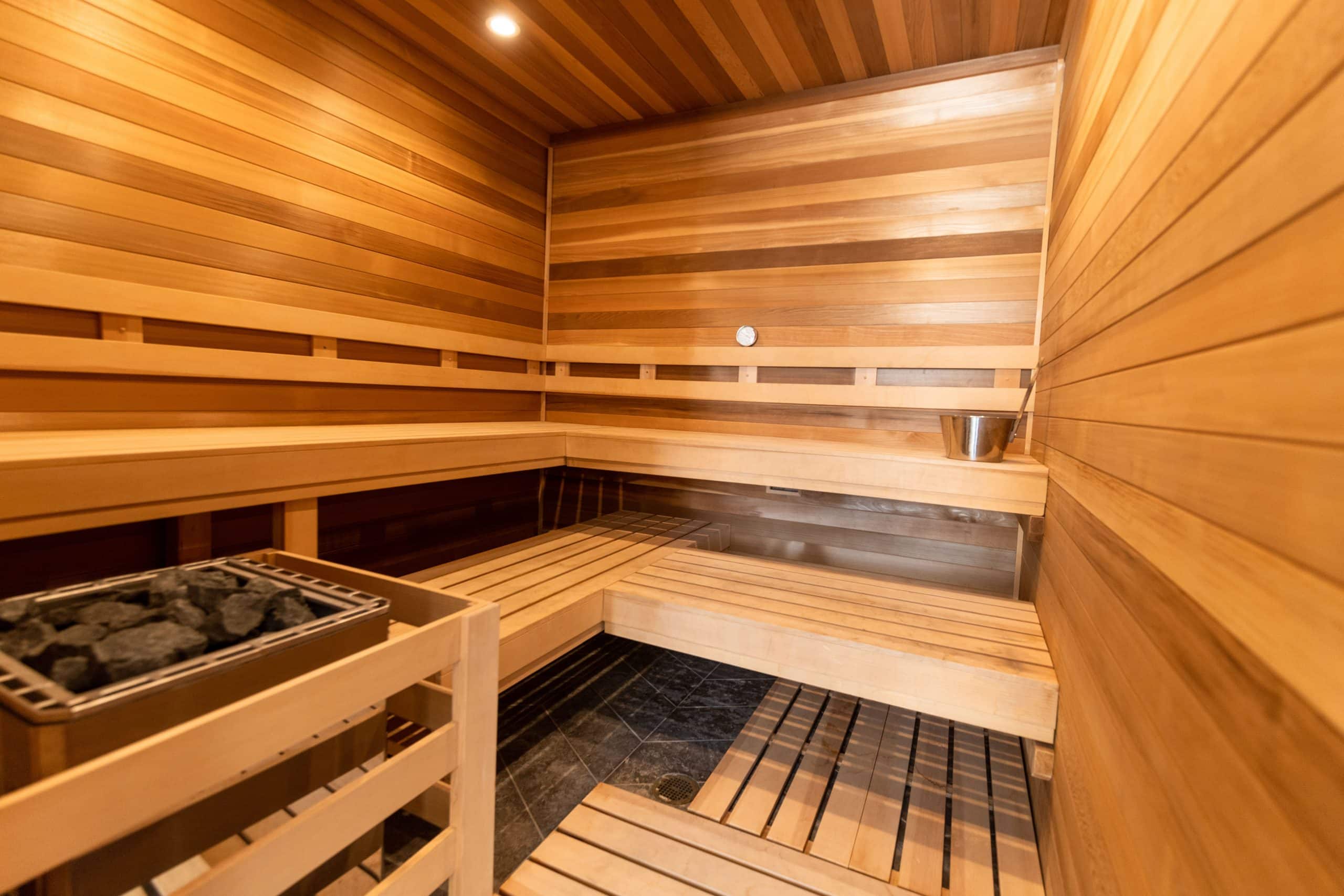
The provider advertises chef-prepared meals, wellness activities, and coastal views, with amenities that include a sauna and hot tub in its detox materials. Discuss allergies, mobility, and other practical requirements before arrival. Recreation may depend on the clinical stage, schedule, and staff approval. An attractive coastal setting does not establish unrestricted access to the beach or every activity at all times. Ask how the team accommodates someone who needs a quieter schedule or cannot use particular leisure facilities.
Devices, outside appointments, and work
Rise’s FAQ describes limited electronic-device use during an initial seventy-two-hour detox period, followed by broader access. Its published policy also requires staff supervision for time away from the facility, including outings and appointments. These conditions should be explained before travel, especially for someone who must remain in contact with family or manage essential responsibilities. Ask how the rules apply to the actual clinical phase and what circumstances could lead the team to recommend additional restrictions.
For work calls or meetings, the provider describes a pre-admission agreement coordinated by admissions. Establish the permitted times, available private space, technology requirements, and how clinical appointments take priority. This arrangement should be specific enough to assess whether residence is practical; it should not be assumed to allow a normal full working day. If paperwork for an employer or outside organization is needed, clarify what staff can provide with consent, without assuming that the program controls an external organization’s decision.
Family, visitors, pets, and couples
The provider’s FAQ advertises weekly visiting opportunities and family participation. Ask about the meeting format, visiting schedule, preparation, and the resident’s consent for sharing information. Family work can involve education and practical planning as well as therapy, so clarify the expected participants and whether appointments are included in the fee. The proposed approach should reflect the individual situation rather than assume every relative will take part or receive unrestricted information about treatment.
Pet admission is conditional on the location and the specific animal, while couples are considered only in selected circumstances. These policies require an individual agreement before arrival. Ask about animal care, shared spaces, allergies, room arrangements, and any extra charges. A couples inquiry should clarify whether treatment occurs at different locations and how individual and joint work are balanced. Neither policy should be read as automatic permission to bring a pet or share a residential room with a partner.
Length of stay and transitions between care levels
Rise describes thirty-, sixty-, and ninety-day programs and the possibility of longer plans extending up to a year across several levels of care. The longer description should not be interpreted as a year spent entirely in the Sea Vista residence. Ask which phases are proposed, where each takes place, what clinical criteria guide transitions, and how accommodation changes. Outpatient treatment and supportive housing have different schedules and responsibilities from residential care, even when coordinated by the same organization.
Build a practical plan around review dates and likely decisions rather than one headline duration. Questions include whether an extension keeps the same room, how insurance authorization is revisited, and what happens if a different level becomes necessary. If travel is involved, clarify who arranges changes and who pays for them. The assessment may change the original plan, so financial terms should explain extensions, early departure, unused services, and any separate contracts for later treatment or housing.
Residential fees and insurance
Recovery.com displayed an estimated starting residential price of US$90,000 for thirty days or longer when checked on October 20, 2026. It separately displayed US$30,000 or more for a partial hospitalization program. These estimates concern different services and should not be combined into a residential price range. No current official numerical residential tariff was verified. Request a Sea Vista quote with actual dates, room, detox arrangements, clinical appointments, medication, testing, transportation, and continuing-care inclusions.
The provider says it works with many commercial PPO and POS plans, including policies with out-of-network benefits. Coverage still depends on the individual policy, authorization, and proposed services. Obtain a written benefits explanation showing likely deductibles, coinsurance, exclusions, and separate billing. A general statement that insurance is accepted does not mean the entire program will be covered. Compare the personal financial obligation and contract terms alongside the treatment plan, rather than relying on a directory estimate or a generic insurance logo.
Continue Rising aftercare and returning home
The Continue Rising program describes housing planning, transportation assistance, outpatient care, community recovery groups, and case management. Ask which elements are provided directly, which involve referrals, and which require separate payment. Assistance selecting a sober living arrangement is different from including that accommodation in the residential fee. Similarly, ongoing contact or alumni membership should be distinguished from regular psychotherapy, prescribing, and other clinical services with their own appointments and terms.
Before leaving, request named follow-up providers, appointment dates, a medication plan where relevant, and arrangements for transferring records with consent. Someone returning outside California should confirm what remote support is available and arrange suitable local care. Sea Vista’s private rooms, documented residential setting, and published therapy and device policies create useful points for comparison. Their value depends on how they fit the individual plan, the agreed clinical schedule, and a realistic transition beyond the residence.
Sources and further comparison
Source review: October 20, 2026. Sea Vista Estates official tour; Residential program; Current admission and program FAQ; Medical detox description; Integrative medical care; Individual therapy and counseling; Continue Rising aftercare program; California DHCS public facility register; Recovery.com separate residential and PHP fee estimates. Provider statements describe the advertised service; they do not establish an individual admission decision, current availability, or treatment outcome. Price evidence is identified separately from the provider’s own fee policy.
For a broader comparison, explore treatment options in the United States and read questions to ask a treatment center. Use the answers from the actual receiving team to compare the clinical plan, practical arrangements, and written financial terms.
Conditions
Levels of care
Settings
Amenities
Treatment approach
Individual and group therapy, selected CBT/DBT and mindfulness approaches, medical and psychiatric coordination, family work, wellness and continuing-care planning; obtain the agreed appointment frequency.
Fees & admissions
USD 90,000 / program
Recovery.com estimates USD 90,000+ for a residential program described as 30+ days, checked October 20, 2026. Its separate USD 30,000+ PHP estimate is a different service. No official numerical tariff verified; do not relabel the reference as a fixed monthly fee. Confirm Sea Vista room, dates, detox, clinical care, extras and aftercare in writing.
Confirm the current program, duration, accommodation and included services directly with the center.
Confirm Sea Vista placement, clinical and detox suitability, current medical coverage, individual therapy schedule, 72-hour initial device policy, supervised outings, room, insurance and full written quote.