Care at River Oaks Treatment Center — Riverview
Separate treatment pathways on the Riverview campus
River Oaks Treatment Center is an American Addiction Centers service at 12012 Boyette Road in Riverview, Florida, near Tampa. The current campus overview describes medical detox, residential addiction care, outpatient programs, and support for co-occurring mental health concerns. A separate primary mental health residential program is also offered. These pathways serve different needs and should not be treated as one interchangeable inpatient package. The useful starting point is to identify which program the assessment recommends and what that particular placement includes.
The distinction is especially important for someone whose main concern is psychiatric rather than substance related. Addiction treatment with co-occurring care and residential primary mental health treatment have different entry criteria. An applicant may also need stabilization at a more intensive service before either program is appropriate. The admission plan should therefore state the main treatment goals, the level of supervision, the role of medication, and how needs outside the program’s capabilities will be addressed. The appearance of the campus does not establish those clinical boundaries.
Medical detox and addiction rehabilitation
River Oaks describes treatment for alcohol, opioids, stimulants, sedatives, and other substance use disorders. Medical withdrawal support can be followed by a structured residential program, with participation in some activities during detox when the person is stable enough. The clinical assessment needs to consider current use, prescribed medication, physical health, and previous withdrawal difficulties. Confirm how symptoms are monitored and how the transition into therapy is reviewed. The correct care level depends on the individual, rather than a universal detox duration or a standard month-long stay.
The provider’s treatment methods page describes medication when appropriate alongside psychological work, skills groups, and recovery support. Medication may help manage a particular condition, cravings, or withdrawal symptoms, while therapy addresses behavior, relationships, and coping. Those components should be coordinated rather than considered competing approaches. Someone already taking medication should explain the current regimen and prescribing arrangements during assessment. The treatment team should make clear which changes are proposed and how prescriptions will continue after the residential stage.
Therapy methods and how they are applied
River Oaks identifies cognitive behavioral therapy and motivational interviewing among its approaches to addiction care. Its CBT explanation describes examining recurring thoughts, beliefs, emotions, and behavior, with practical exercises such as thought records and rehearsal of different responses. In treatment, that work can be connected with a specific situation that tends to precede substance use. The useful outcome is a response the person can recognize and practice outside the therapy room, rather than simply learning terminology about addiction.
The general therapy overview distinguishes individual and group work. Individual appointments provide space for personal history and particular goals. Groups offer feedback, shared experience, and opportunities to practice communicating with others. A person’s needs may call for a different balance over time, particularly when psychiatric symptoms or trauma make participation difficult. Ask how progress is reviewed and what support is available if a group format is not working well. A broad menu of methods does not establish a fixed frequency of individual psychotherapy.
The campus also describes art, music, wellness activities, skills development, and recovery-oriented challenge work as adjuncts to its main program. These activities can provide different ways to communicate, practice cooperation, or build daily habits. They should have a clear place in the plan and be adapted to physical and psychological needs. The residential sample schedule places substantial time in curriculum, process, recovery, and focus groups, with meals, personal time, and evening peer meetings around them. The schedule is illustrative, and medical or individual appointments may alter it.
The primary mental health program is residential, not acute
River Oaks Mental Health Services: A Center for Healing & Wellness is described as a sixteen-bed residential program for adults whose primary need is mental health care. Its published eligibility requires voluntary participation and a condition that does not require acute inpatient treatment. Any substance use disorder must be absent or mild to moderate and under control. Recent crises need to be stabilized before entry. These conditions should be stated plainly rather than describing the program as an acute psychiatric hospital.
The primary mental health pathway combines psychiatric medication management, individual and group behavioral work, skills development, case management, and family or peer support where appropriate. Published methods include DBT skills and Seeking Safety, with attention to emotional regulation, coping, communication, and everyday functioning. The provider describes structured supervision and regular review of progress. The person considering admission should understand how these elements connect with their diagnosis and goals, including what support will be needed afterward. Residential support does not remove the need for an appropriate plan if symptoms become more acute.
Entry to this pathway follows nursing screening and leadership review, with admissions scheduled during weekday periods when the relevant leadership is available. That is different from the network’s around-the-clock inquiry line. A family making an urgent inquiry should establish the actual assessment and admission arrangements, rather than assuming a call guarantees immediate acceptance. The receiving team needs enough information about recent symptoms, treatment, medication, and any preceding crisis to determine whether the program can safely provide the proposed care.
Veterans, first responders, and other individual needs
The campus describes specialty support for veterans, first responders, LGBTQ+ clients, and some people facing complex mental health needs alongside addiction. Its outpatient program information gives examples of veteran and first responder group topics, including military culture, persistent vigilance, stress, relationships, pain, grief, and moral injury. These topics can help make therapy more relevant to a person’s experience. Confirm the available cohort and how any individual trauma work will fit alongside group support and medication review.
River Oaks also states that it may treat pregnant people who have already established prenatal care. This should be understood as a condition for assessment, rather than a promise that every pregnancy or medical situation can be managed at the facility. The addiction and obstetric teams need a clear plan for medication, monitoring, appointments, and any transfer requirements. Similarly, a couple or family seeking treatment together should expect separate assessments and individualized plans. Being admitted to the same provider does not establish shared bedrooms or an identical care pathway.
Outpatient treatment and living arrangements
River Oaks offers PHP and IOP in a separate outpatient building adjacent to the residential service. The current IOP description lists at least nine hours of weekly programming, with daytime sessions and a Florida telehealth option on three weekday evenings. Confirm the actual schedule for the intended admission. Outpatient care involves practicing skills while managing life between appointments, so transport, a stable place to live, and support outside treatment hours are meaningful parts of the clinical and practical plan.
Outpatient groups may combine psychoeducation, process work, DBT-related skills, and recovery meetings, with individual or family sessions as indicated. The provider also describes supportive housing options near the outpatient service. If housing is proposed, obtain its exact address, room occupancy, rules, staffing arrangements, and separate cost. An outpatient program does not provide the same continuous clinical supervision as a residential treatment placement. The relevant comparison is the complete arrangement being offered, including how the service responds if the person needs a higher level of care.
Accommodation and family contact
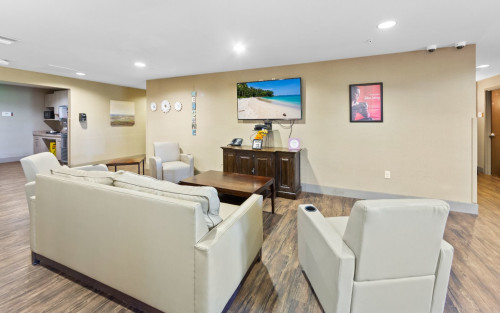
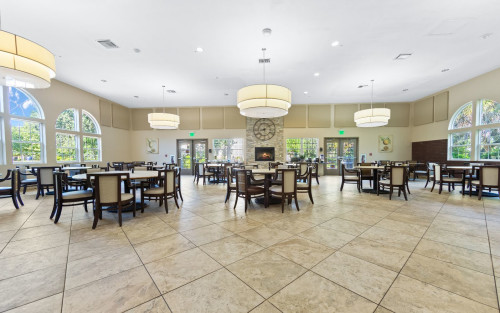
The facility description identifies rooms with private bathrooms, dining, snacks, communal spaces, and areas for therapy and recreation. A current provider location guide also states that private bedrooms are available. Availability is different from a guaranteed allocation. Confirm whether the proposed room is private or shared, whether there is a supplement, and how the arrangement relates to the particular addiction or mental health program. Nearby outdoor space and recreation should also be considered subject to clinical clearance.
Family education and therapy can be part of care when appropriate and with the patient’s consent. The campus overview describes a period before visits begin and planned family education, but the current dates and format should be confirmed with the treatment team. A visit should have a different purpose from a clinical family meeting or a relatives’ support session. Discuss what information can be shared, who should be involved, and how any practical arrangements for discharge will be coordinated. Relatives may need their own support as well as information about the patient’s care.
Continuing care, funding, and the final decision
Case management is included in the provider’s description of both addiction and primary mental health care. It can connect the work done in treatment with the next stage, such as a receiving therapist, medication provider, outpatient group, recovery meeting, or suitable housing. The plan should be specific enough to use after discharge, with appointments and contact details rather than only general suggestions. An alumni community or app can support connection, while continuing clinical needs still require the relevant licensed professionals and an agreed follow-up arrangement.
The current River Oaks site says it accepts many commercial insurance plans and is not in network with Medicare or Medicaid. Coverage still depends on the specific plan, program, authorization, and patient responsibilities. No defined current all-inclusive private-pay tariff was verified. Request a written estimate identifying detox, residential or primary mental health care, any room supplement, outpatient services, and separate housing costs. A clinical change can also change the financial plan, so clarify how extensions, transfers, and noncovered services are handled.
River Oaks offers several distinct routes through care in Riverview. The strongest basis for comparison is the exact service recommended: addiction detox and rehabilitation, nonacute primary mental health residential care, or outpatient treatment. Compare those arrangements with other options in the United States directory, then confirm the current program, room, therapy schedule, medication arrangements, and cost. The sources for this profile were checked on October 20, 2026; admission eligibility and availability should be reconfirmed for the intended start date.
Conditions
Levels of care
Amenities
Treatment approach
Individual and group behavioral therapy, CBT, motivational interviewing, skills work, medication when appropriate, family support, and co-occurring treatment. Primary mental health pathway includes DBT skills and Seeking Safety; specialty groups address veteran/first responder needs.
Fees & admissions
Confirm current pricing
No defined current all-inclusive official tariff verified. Obtain program-specific written costs, room terms, insurance authorization and patient share; supportive housing can be separate. Site says not in network with Medicare or Medicaid, not universal exclusion of all public funding.
Confirm the current program, duration, accommodation and included services directly with the center.
Assessment determines exact placement. Primary mental health program excludes current crises/acute inpatient needs, requires voluntary adult participation and absent or controlled mild-to-moderate SUD, with weekday leadership-reviewed admissions. Pregnancy requires established prenatal care and individual suitability assessment.