Care at Rushton Recovery — South Lyon
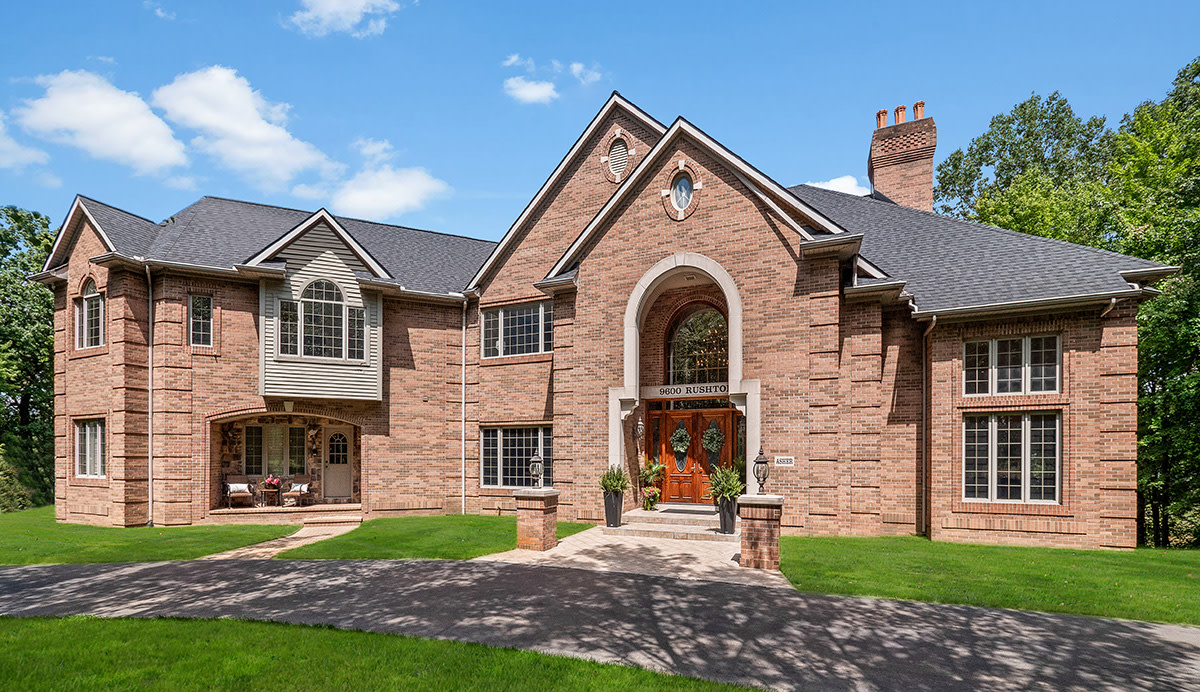
Rushton Recovery’s South Lyon campus
Rushton Recovery is an adult addiction treatment center on a thirty-acre property in South Lyon, Michigan. The current provider site describes medical detoxification, residential treatment, and support after discharge, with programs for men, women, and professionals. Its address is 9600 Rushton Road, South Lyon, Michigan 48178. The wooded residential setting is central to how the center presents daily life, but the clinical admission criteria and the individual treatment plan determine whether it is suitable for a particular person.
The official admissions page sets out specific requirements: clients must be eighteen or older, have a substance use disorder, be medically stable for the residential phase, and be willing to participate. Mental health support is described in the context of addiction and co-occurring conditions. A person seeking care solely for a psychiatric condition should not assume that this is a separately established primary mental health residential program. The team should clarify the appropriate service before anyone arranges a stay.
Detox and the transition into residential treatment
Rushton’s residential detox page describes medical history review, physical examination, nursing assessment, and psychiatric evaluation within the first twenty-four hours of admission. It also describes ongoing nursing observation, withdrawal assessment, and medication management when needed. The initial evaluation is intended to guide the plan rather than fit each person into one standard detox course. The duration and intensity of this phase depend on the substance history, health conditions, symptoms, and clinical response.
The provider gives unusually specific monitoring information, including thirty-minute rounds and alcohol- or opioid-withdrawal assessments every four hours. These are published descriptions of its nursing procedures, not instructions for managing withdrawal independently or a promise that the same interval is suitable for every patient. A prospective resident should ask the clinical team how it adapts monitoring and what happens if symptoms require a higher level of care. Medical supervision in a residence should not be confused with a verified hospital admission.
Medication-assisted treatment is offered when clinically appropriate, and the residential page also describes medication for cravings or withdrawal. The public information does not provide a complete formulary or a personal prescribing plan. Someone arriving on an existing medication regimen should have their current clinician and Rushton’s team agree on continuation, dispensing, monitoring, and costs. A treatment menu does not answer whether a particular medication is supplied at the property, obtained externally, or requires a separate specialist appointment.
Current medical and clinical leadership
The current provider homepage identifies Dr. Khatiwala as medical director and describes medical oversight for detox and residential clients. It lists Shamonda Burks, RN, as director of nursing and Nicolas Mitchell as clinical director. These current primary details differ from older secondary staff references, so the present team should be confirmed during intake. The medical director’s role, a nursing leadership position, and a therapist’s role each answer different questions about how care is organized.
The primary site describes round-the-clock medical monitoring and support, but does not establish that the medical director is continuously at the residence. Ask who is on site overnight, who is available by consultation, and how urgent medical or psychiatric concerns are escalated. Rushton’s documented medical detox, nursing, and psychiatric services support describing it as a clinical treatment organization. They do not establish that this particular admission has the resources or authorization of an acute hospital ward.
Therapy for addiction and co-occurring conditions
The residential program combines individual counseling and groups with cognitive behavioral therapy, dialectical behavior therapy, motivational enhancement work, and mindfulness-based approaches. Anxiety, depression, and post-traumatic stress are among the co-occurring problems the center discusses. The actual selection should follow assessment rather than imply that every client receives every advertised method. Ask how the team decides priorities when substance use, trauma, sleep, mood, and relationship difficulties overlap.
CBT and DBT appear throughout the current program descriptions. The former can help examine recurring relationships between thoughts and behavior, while DBT-related skills work can address emotional regulation and responses to stress. Rushton also describes individual treatment planning and an assigned therapist. The practical question is how those elements translate into the person’s week: the number of private appointments, group size, facilitator qualifications, and opportunities to review a plan that is not meeting the resident’s needs.
The clinical director’s current biography lists training in additional approaches including motivational interviewing and EMDR. A professional’s training establishes a different fact from a guarantee that every resident will receive that method. Trauma work should be discussed in terms of the proposed therapist, readiness, preparation, and session format. The center’s broader trauma-informed approach can affect how the team handles communication and distress even when a specific trauma-processing intervention is not part of a resident’s initial plan.
Creative activities, yoga, meditation, breathing exercises, and nutrition education are also included in the provider’s descriptions. They offer different ways to structure time and attend to everyday wellbeing alongside treatment. A massage, exercise session, or recreation period should not be counted as additional psychotherapy simply because it occurs within a rehabilitation program. A clear schedule separates clinical work from complementary activities and explains which are optional, which require assessment, and whether any involve additional fees.
Professional responsibilities and the executive option
Rushton’s executive program addresses substance use alongside professional stress, burnout, perfectionism, and performance pressure. It describes private rooms, workspaces, and designated opportunities to use a laptop or phone. This is a structured accommodation for necessary responsibilities rather than an unrestricted promise to continue working throughout treatment. A prospective client should explain their actual obligations so the clinical team can determine whether they are compatible with the recommended level of care.
The executive description suggests that scheduling and intensity can be tailored, but it does not publish a universal shorter stay or a guaranteed number of extra individual sessions. Ask for the proposed balance of appointments, rest, permitted work, and contact with colleagues. Recovery planning should also consider what will change when the person returns to the same pressures. Career coaching and practical goal setting can contribute to that discussion without replacing clinical treatment or promising a particular professional outcome.
Accommodation and life on the property
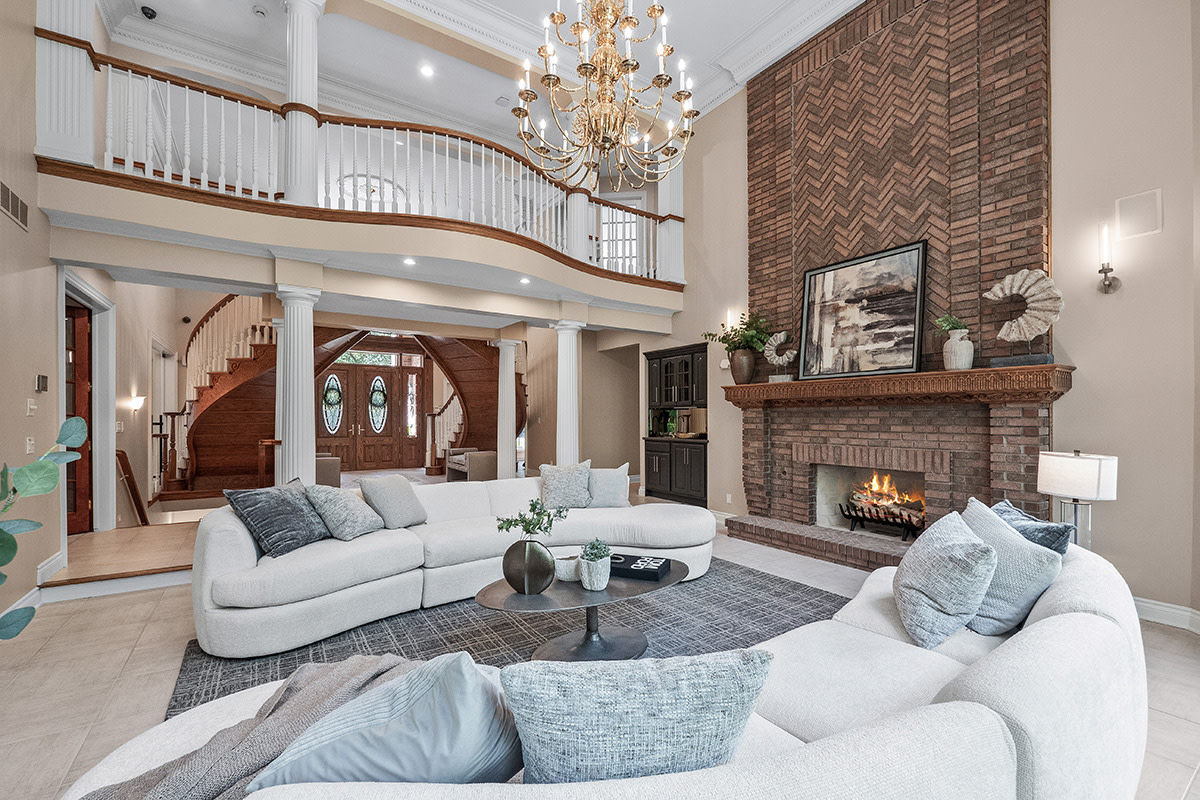
The current primary pages advertise private bedrooms and bathrooms, chef-prepared meals, shared living areas, a fitness center, and a yoga or meditation space. Recovery.com also describes semiprivate options, so the exact room and bathroom should be confirmed in the written admission offer. A private bedroom can provide space between sessions while treatment still involves other residents and group activities. The reviewed information does not establish exclusive use of the entire house or a one-client model.
The grounds include approximately one and a half miles of wooded trails. The provider lists a golf simulator, basketball and pickleball facilities, games spaces, a fire pit, and gardening among its amenities. These details distinguish Rushton’s residential environment from an urban clinic, but they do not guarantee that every activity is available in every season or appropriate during early stabilization. Discuss mobility, supervision, equipment, weather alternatives, and any physical restrictions with the team rather than planning the stay around recreation alone.
Erin Masek is identified on the primary site in health and wellness coaching and communications, with nutrition and personal-training credentials. These services can help residents consider food, fitness, and ordinary routines as they prepare to leave treatment. They are distinct from medical prescribing or licensed psychotherapy. The chef’s ability to accommodate dietary needs should be discussed in concrete terms, including allergies, restrictions, preferences, and any medical nutrition requirements that need input from a treating clinician.
Daily fee estimates and insurance exclusions
Recovery.com’s listing, checked October 20, 2026, gives an estimated cash-pay range of USD 1,300–1,900 per day. This is a third-party daily estimate rather than a confirmed official tariff or a fixed monthly package. The same directory describes stays of up to sixty days, while the primary pages reviewed make the plan individual rather than publish a universal duration. The price and length therefore need to be matched to the specific recommended admission.
For comparison, thirty days at the displayed daily endpoints would total USD 39,000–57,000 before any differences in inclusions. That arithmetic is an illustration, not a provider quote. Ask whether the actual price covers the chosen room, detox, nursing, psychiatric appointments, prescriptions, laboratory work, family sessions, transport, and later support. If executive scheduling or a longer stay changes the cost, that should be explicit. A daily estimate does not establish that all possible clinical or personal expenses are included.
The current official site explicitly states that Rushton does not accept Medicare or Medicaid. It describes accepting other insurance and helping verify benefits, while the secondary listing identifies particular private-plan relationships. The decisive answer is the benefit review for the exact policy and service. Obtain written information about authorization, network status, deductibles, coinsurance, and any separate professional charges. An assurance that the team will help with insurance should not be taken as a guarantee that the insurer will fund the full stay.
Family support and plans after discharge
Rushton describes discharge planning that includes lower levels of care, family education, sober-living or transitional-housing referrals, and peer recovery support. The main program page also mentions continued therapy and connections with AA, NA, or SMART Recovery. Those options differ in format and purpose; SMART Recovery should not be described as another twelve-step fellowship. Ask which resources fit the person’s preferences and where the next clinical appointments will take place. A referral does not mean the South Lyon residence itself supplies every outpatient service.
The current primary admissions number is 888-713-3617. The team describes assessment, financial planning, scheduling, arrival, and introduction to the residential community. Before traveling, obtain the proposed sequence of detox and residential care, a realistic duration, and an agreed transition plan. Readers comparing other treatment centers in the United States can use those details alongside the private-room option and wooded setting, with the medical responsibilities and complete costs established for the actual stay.
Conditions
Levels of care
Settings
Amenities
Treatment approach
Medical and psychiatric assessment, nursing observation, medication support when appropriate, individual and group counseling, CBT, DBT, motivational enhancement, trauma-informed work, selected EMDR according to clinician and plan, mindfulness, creative activities, nutrition, fitness, case management and discharge coordination
Fees & admissions
USD 1,300–1,900 / day
Recovery.com estimated USD 1,300–1,900 per day, checked October 20, 2026. This is a third-party daily range, not an official tariff or a fixed monthly package. Obtain the proposed duration and itemized inclusions for room, detox, medical/psychiatric care, medication, tests, executive arrangements, transport and follow-up. Current official site excludes Medicare and Medicaid; other benefits require individual verification.
Confirm the current program, duration, accommodation and included services directly with the center.
Confirm age and SUD admission criteria, medical stability, detox sequence and escalation arrangements, medication continuation, actual bedroom/bathroom, executive work and device expectations, proposed duration, itemized daily or program price, private insurance benefits and the location of any lower-level follow-up.