Care at Sabino Recovery — Tucson
Sabino Recovery provides residential treatment at 8505 East Ocotillo Drive in Tucson, Arizona. Its 140-acre desert campus is used for a trauma-first approach to mental health difficulties and substance use. An addiction diagnosis is not a prerequisite: the provider also considers people seeking care for trauma and mental health concerns without substance dependence.
Programme and length of stay
The centre describes one individualized residential model, rather than distinct facilities for its different treatment durations. Its current residential page specifies a 35-day minimum, with extensions up to 90 days when clinically appropriate. Psychological options include EMDR, cognitive behavioural and dialectical behaviour therapies, individual sessions and group work. Equine work and other mind-body activities may complement the clinical plan. Ask which methods are recommended for you and who will deliver them.
Living on campus
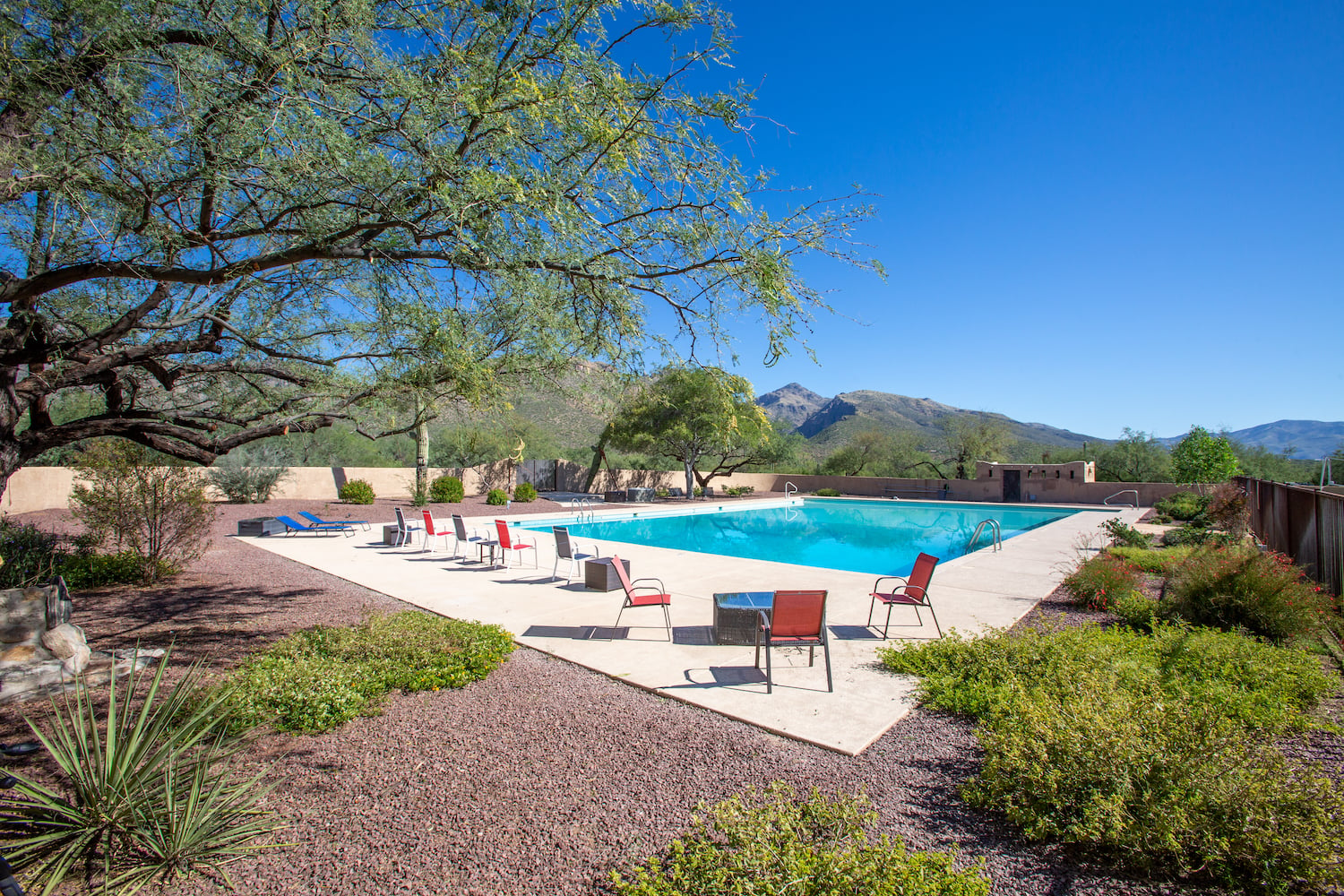
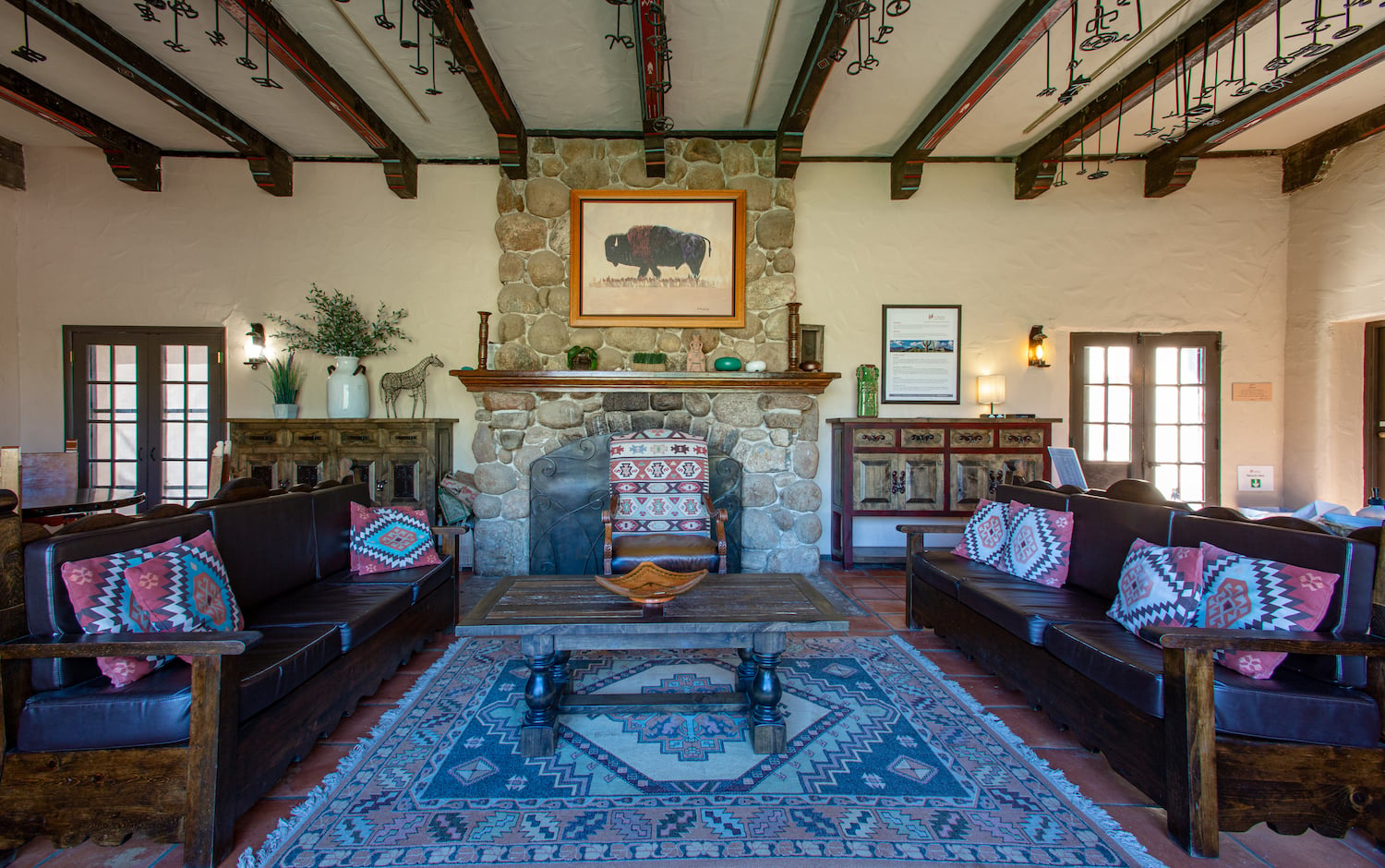
Official campus photographs show southwestern-style communal interiors, an outdoor pool, activity spaces and desert grounds. The provider describes rooms with individual air conditioning and private entrances. Confirm whether your quotation covers a private or shared room, the bathroom arrangement, accessibility and any restrictions on phones or laptops. Activities and outdoor access may depend on clinical suitability and conditions; the grounds should not be mistaken for an unrestricted resort stay.
Admissions and costs
The admissions process includes review of medical and personal history by the clinical team. Ask whether any detox or hospital stabilization must occur before arrival, how current medications are managed, and whether the programme can meet your physical and psychiatric needs. Obtain an itemised quote for the agreed length of stay and clarify the cost of extensions. Any insurance benefit check should be confirmed with your insurer; this directory does not verify coverage, fees or availability.
Continuing care
While still in residence, clients meet with a continuing-care specialist and work with their therapist on the transition out of treatment. Planning can include local clinicians, support groups or transitional programmes, with appointments arranged before discharge where possible. Ask for named follow-up contacts, medication arrangements and a contingency plan if the first placement or support group is unsuitable. Alumni community access is separate from ongoing clinical care.
Sources and verification
Checked 16 September 2026: official website, residential programme, continuing care and campus gallery. Discovery: Recovery.com. Official photographs were visually inspected and their source URLs recorded with the attachments; reuse licensing was not independently verified.
Conditions
Levels of care
Settings
Treatment approach
Trauma-first individualized care, psychological therapies, group work and complementary experiential activities
Fees & admissions
Confirm current pricing
Request a current itemised quotation for the planned stay and possible extensions.
Confirm the current program, duration, accommodation and included services directly with the center.
Clinical history review; confirm medical suitability, any pre-arrival detox, room allocation, fees and insurance benefits.