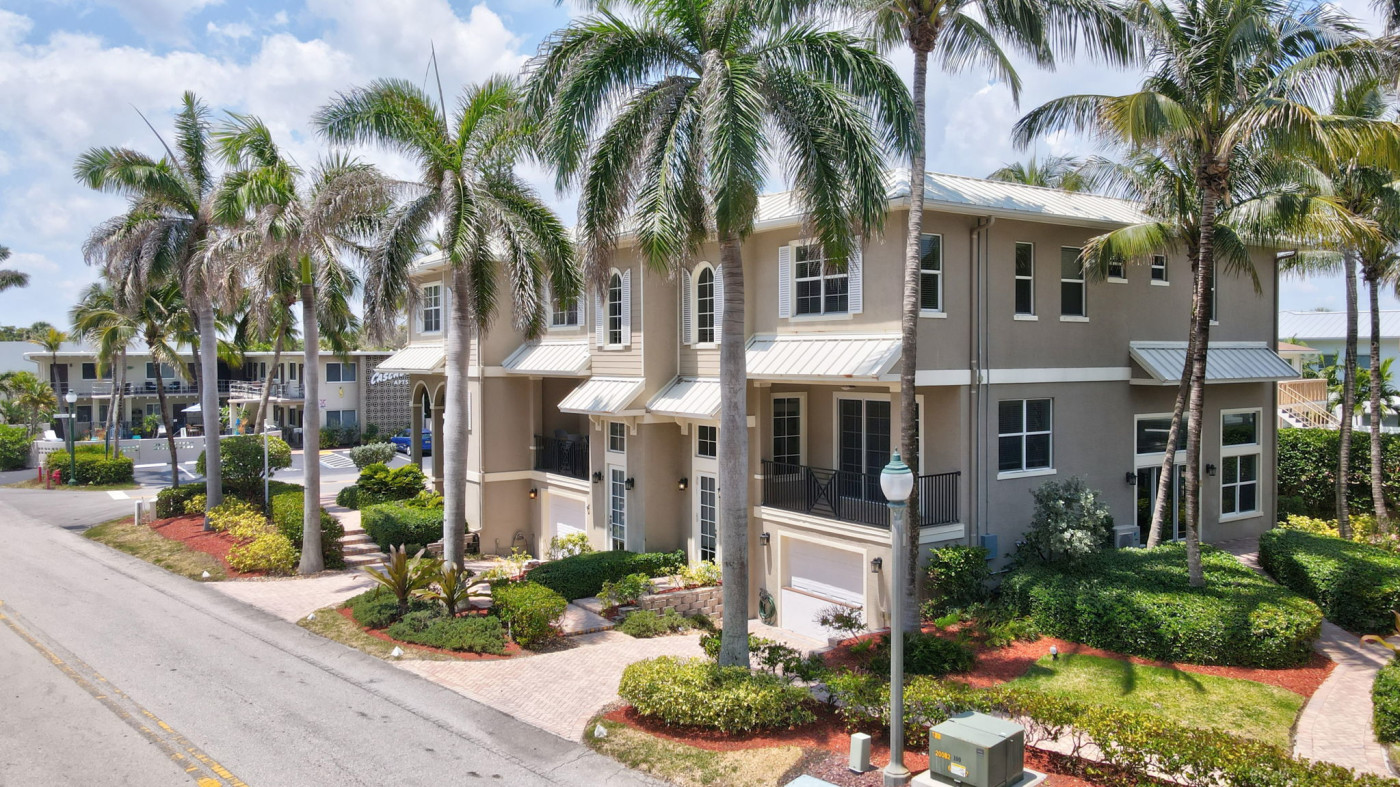

Care at Seaside Wellness — West Palm Beach
Seaside Wellness in West Palm Beach
Seaside Wellness provides medical detoxification, residential addiction treatment, and residential mental health care in West Palm Beach, Florida. Its current program descriptions also include integrated care when substance use and mental health conditions occur together. These are different admission pathways within the same service, so a prospective resident should receive a recommendation for the appropriate program rather than assume that every stay begins with detox. The provider’s treatment overview presents the campus as a coastal setting with medical and psychological support.
The current contact address is 106 Blossom Lane, West Palm Beach, Florida 33404. Seaside welcomes people traveling from elsewhere in Florida and other states, and describes assistance with transportation and records. A convenient coastal location can make a stay feel more manageable, but it does not determine clinical suitability. The admission assessment still needs to establish which symptoms the team can support at this property, what accommodation is available, and whether any stabilization or specialist consultation should take place before arrival.
Addiction treatment and a separate mental health pathway
Seaside’s current FAQ explicitly says that it accepts people seeking mental health treatment without a history of substance use. Its published scope includes anxiety, depression, bipolar disorder, trauma-related difficulties, personality disorders, and other psychiatric concerns. This makes the primary mental health offering more specific than a general promise to address emotional issues during addiction treatment. The presence of a diagnosis on the website does not establish that every severity, combination of conditions, or immediate crisis can be managed in this residential environment.
For substance use, the provider describes care involving alcohol, opioids including fentanyl and heroin, benzodiazepines, cocaine, methamphetamine, and prescription medications. When psychiatric symptoms accompany substance use, the proposed plan combines psychological work with medical and psychiatric review. Sharing a complete medication and treatment history helps the receiving team distinguish an established mental health condition from symptoms that need further assessment during stabilization. That assessment should determine the appropriate sequence and supervision rather than a visitor selecting a package solely from the list of treatments.
Medical detox and the clinical team
The official detox program describes on-site medical supervision, monitoring, symptom management, and medication when clinically appropriate. Its published duration is commonly five to ten days, with a longer period possible when stabilization requires it. That is a planning range rather than a prediction for an individual. The team should explain whether detox is part of the proposed admission, how it will reassess progress, and when the person can move into the psychological and practical work of residential care.
The current staff page identifies Dr. Pamela Tambini as providing medical oversight and describes her background in internal medicine and addiction medicine. Erin Crawford is listed as director of nursing and a registered nurse. Michael Meagher, a licensed clinical social worker and certified addiction professional, is the clinical director. These named medical, nursing, and therapy roles support describing Seaside as a clinical treatment organization. A medical-oversight role does not by itself specify how many hours that physician is physically present at the residence.
Seaside says its units have licensed medical professionals available around the clock for monitoring, medication administration, and crisis intervention. Families should distinguish that statement from a promise that every professional on the team is continuously on site. The reviewed pages describe residential care and medical detox; they do not establish that the Blossom Lane admission is a hospital admission. For someone needing intensive physical-health monitoring or acute psychiatric containment, the receiving clinician should confirm the required setting and the arrangements for transfer if needs exceed the campus’s resources.
How therapy and psychiatric support are organized
The published therapy menu includes cognitive behavioral therapy, dialectical behavior therapy, eye movement desensitization and reprocessing, and trauma-informed approaches. Seaside also describes individual, group, and family work. These methods serve different purposes and should be selected around the assessment. Cognitive and behavioral work may focus on recurring thought and action patterns, while skills groups can give residents a structured place to practice emotional regulation and communication. The presence of EMDR in the program does not mean every resident receives it immediately or that trauma processing is appropriate at every stage.
The mental health residential page adds psychiatric evaluations, medication management, and clinical groups alongside personal therapy. A prospective resident should obtain the actual weekly timetable and frequency of individual appointments. The public pages describe a combination of daily treatment activities but do not provide a dependable person-specific allocation of psychiatrist, therapist, and support-worker hours. Those roles are not interchangeable, and a tailored schedule is more informative than adding every advertised activity together as though all were psychotherapy.
Seaside’s staff biographies also distinguish professional credentials. For example, primary therapist Shaun Hutton’s doctorate is in educational psychology, while the page separately identifies her counseling and addiction credentials. The title Dr. should not lead readers to assume that every named therapist is a prescribing physician. Other team members bring social work, recovery coaching, case management, and coordination experience. Knowing who will assess symptoms, prescribe medication, deliver therapy, and organize practical arrangements helps a resident understand whom to approach during the stay.
Family participation can take place in person or remotely, with the resident’s consent. The provider describes work on communication, relationship patterns, and support after discharge, and offers gender-specific therapy when clinically appropriate. These options should be agreed individually rather than assumed for every person. A family session has a different purpose from an admissions update or an ordinary visit. Before traveling, relatives should confirm the planned format, the clinician involved, confidentiality permissions, and whether their accommodation or transport is a separate expense.
Rooms, shared spaces, and everyday life
The current FAQ describes both private and semiprivate rooms, with common areas, a gym, a pool, and supervised outdoor activities. Recovery.com gives a more detailed secondary description of apartment suites and three townhomes, with semiprivate bedrooms, shared television spaces, a poolside tiki hut, and chef-prepared meals. Because the two descriptions do not establish which room is offered for a particular admission, residents should obtain their actual bedroom and bathroom arrangement in writing. Private treatment discussions do not necessarily imply a private bedroom.
The coastal setting and leisure facilities provide context for life between appointments; they should not be treated as a separate guarantee of therapeutic benefit. Recovery.com describes beach access, yoga, breathwork, and music activities, while Seaside’s own pages emphasize mindfulness, nutrition, fitness, and structured recreation. The activity plan should take account of mobility, medical needs, preferences, and the person’s stage of stabilization. A current tour is useful for understanding stairs, distances between buildings, room sharing, and access to quieter spaces.
Technology access needs specific confirmation. A directory highlight describes Seaside as technology friendly, but the provider’s FAQ says electronics and certain personal products may be restricted for clinical or safety reasons. These statements can coexist when access depends on the program or phase of care. Someone who needs contact with children, scheduled work communication, or an accessibility device should discuss that requirement before arrival. The packing guide and agreed communication arrangements are more reliable than assuming unrestricted access from a short promotional label.
Duration, daily fee estimates, and insurance
Seaside’s current official planning range is generally thirty to ninety days for addiction recovery or mental health stabilization, with extensions when clinically appropriate. Recovery.com separately describes a typical thirty-day stay. Neither statement means that every admission lasts exactly one month, and detox may introduce a distinct phase. Ask how the team reviews continued residential need, what would justify an extension or earlier step-down, and whether insurance authorization follows the same timetable as the original clinical recommendation.
Recovery.com’s Seaside listing, checked October 20, 2026, gives an estimated cash-pay rate of USD 500–2,500 per day for thirty days. This is a broad third-party daily estimate, not a fixed official tariff or a single thirty-day package. Multiplying those endpoints by thirty gives USD 15,000–75,000 as a simple illustration of the range; it does not establish the cost of a particular room, clinical pathway, detox phase, or extended admission. The official site instead asks prospective clients to obtain an individualized quote.
The provider says it works with major insurers and can verify benefits, submit claims, and discuss private-pay arrangements. The amount payable still depends on the actual policy, clinical service, network status, authorization, deductible, and other cost sharing. A logo or general statement that insurance is accepted does not establish full payment. Request a written estimate separating accommodation and treatment from medication, laboratory work, external consultations, transport, and any optional service. If financing is discussed, review its terms separately from the treatment recommendation.
Admission and the transition after residential care
The current primary admissions number is 855-416-5648. Seaside describes a confidential initial assessment, benefit verification, pre-admission planning, and clinical intake. Same-day arrival may be possible when beds, medical clearance, and other requirements permit, but it is not guaranteed. The contact form is explicitly not an emergency service. An urgent medical or psychiatric situation needs appropriate immediate help rather than waiting for an online inquiry or arranging travel around an assumed available bed.
Medication continuity is reviewed during intake rather than handled through a blanket instruction to stop current prescriptions. The team should receive the actual medication list and relevant records, with consent, before making a plan. Confirm the pharmacy arrangements and what to bring in original packaging. Travel coordination also deserves a written account of who books and pays for flights, pickup, or accompanying support. Assistance with logistics should not be interpreted as clinical approval to travel before an assessment is complete.
Seaside’s case management work includes discharge planning and referrals for continued therapy, medication management, community support, and other levels of treatment. Its FAQ specifically places partial hospitalization and intensive outpatient programs at affiliated facilities rather than describing them as the same Blossom Lane residential service. Before discharge, establish the next address, provider, appointment, transport, housing if needed, and payment arrangement. Readers comparing this pathway with other treatment options in the United States can then evaluate the complete sequence, including care after the coastal residential stay.
Conditions
Levels of care
Settings
Amenities
Treatment approach
Individual, group and consent-based family therapy; CBT, DBT, EMDR and trauma-informed approaches selected by assessment; psychiatric evaluation, medication management, case management, mindfulness, nutrition, fitness and discharge planning
Fees & admissions
USD 500–2,500 / day
Recovery.com estimated USD 500–2,500 per day for a thirty-day stay, checked October 20, 2026. This broad third-party range is not a provider tariff or a single monthly package. The official site gives individualized quotes based on care pathway, duration and additional services. Confirm room, detox, medication, tests, outside consultations, transport, insurance authorization and personal cost sharing.
Confirm the current program, duration, accommodation and included services directly with the center.
Confirm the assessed clinical pathway, detox sequence, medical staffing and transfer arrangements, assigned room and bathroom, medication and device rules, actual program duration, written daily or package quote, insurance responsibilities and the separate address/provider for any outpatient step-down.