
About Siam Rehab
Siam Rehab is a residential addiction treatment provider in Mae Chan District, Chiang Rai, Thailand. Its published address is 109 Moo 12 Patueng, Chiang Rai 57110. The program combines individual and group counseling with a non-twelve-step approach, fitness, mindfulness, and a structured daily routine. Clients stay in private en-suite rooms on a campus the provider describes as thirty acres of tropical gardens. Treatment is delivered in English and requires voluntary participation.
The service focuses on alcohol, drugs, and behavioral addictions, with attention to accompanying mental health concerns. Its website describes psychiatric assessment and medication management through external medical professionals, rather than a physician living continuously on the campus. The details of this arrangement, and the program’s specific medication restrictions, are important parts of deciding whether Siam Rehab is an appropriate match. Accommodation, price, and program philosophy should be assessed alongside those clinical boundaries.
A non-twelve-step model with several recovery approaches
The approach overview identifies cognitive behavioral therapy, motivational interviewing or motivational enhancement, relapse-prevention work, dialectical behavior therapy, and rational emotive behavior therapy among the methods used. The program page also names acceptance and commitment therapy, SMART Recovery, and Recovery Dharma. These approaches provide different ways to examine behavior, strengthen motivation, practice coping skills, and consider personal values. A prospective resident can ask which components would be emphasized in the individual plan.
Non-twelve-step does not mean the program consists only of private appointments or excludes every spiritual practice. Siam describes daily groups, meditation, and a Buddhist-informed recovery option alongside its psychological work. It also emphasizes physical activity as part of the weekly structure. Someone who has found a particular recovery model unhelpful can discuss that experience openly, while clarifying how the actual sessions differ from prior treatment and which forms of participation are expected.
Individual counseling and the daily group schedule
The current program and fee page specifies two individual primary-counseling sessions per week, daily educational groups, and daily recovery groups. It also lists meditation training, fitness, yoga, and optional Muay Thai. Those details describe a substantial shared timetable, with individual appointments serving a different purpose from peer discussion and skills practice. Confirm the assigned counselor and how the plan is reviewed when goals or symptoms change.
A useful comparison considers what happens during those sessions, not simply the number of methods advertised. Cognitive and behavioral work may examine patterns linked to use, while motivational conversations explore the person’s own priorities and ambivalence. Skills groups can provide practice between appointments. Ask how work on co-occurring anxiety, depression, or trauma symptoms is coordinated with addiction treatment, and whether a particular specialist intervention is routinely available or requires an additional arrangement.
Medical oversight and the external psychiatrist
The team page describes Dr. Nattapatt Sukkhosawat as an external psychiatrist and medical advisor, with a weekly on-site clinic and daily telehealth availability. Other medical advisors have external roles, including Europe-based assessment and continuity work. Counselors, a clinical psychologist, nurses, support staff, and fitness instructors are also listed. These provider-published roles should not be interpreted as every named specialist being physically present throughout each resident’s stay.
The FAQ explicitly says there is no continuously on-site doctor and describes regular visits and access to a local hospital. Medical assessment may involve the psychiatrist’s clinic or hospital, depending on need. Before booking, establish how the nursing team and external physician coordinate, how concerns are escalated outside appointments, and which conditions the residential setting cannot manage. The distinction between twenty-four-hour staff presence and continuous on-site physician care should remain clear.
Detox placement and medication restrictions
The medical-detox page describes withdrawal treatment under the external psychiatrist, with care at the residence, outpatient clinic, or Kasemrad Sriburin Hospital according to assessment. It states that inpatient hospital charges are separate from Siam’s fees, as are prescribed medicines. The proposed pathway should therefore identify where each stage occurs and who bills for it. A general reference to detox availability does not establish that every withdrawal presentation is managed on campus.
The same page sets a specific abstinence policy. It says the program does not accommodate ongoing methadone or benzodiazepine use throughout treatment and places restrictions on high-dose opioid replacement therapy. That is narrower than the general approach page’s mention of medication-assisted treatment. Anyone receiving prescribed treatment for opioid use disorder should obtain a direct clinical suitability discussion before considering admission, rather than assume the broader service list means their current regimen can continue unchanged.
These are provider admission restrictions, not evidence that maintenance medication is an inferior form of recovery. SAMHSA’s treatment information identifies methadone and buprenorphine among established medications for opioid use disorder and advises consulting the prescriber before discontinuation. Do not alter an effective treatment simply to qualify for a preferred residence. The person’s existing clinician and the prospective program should determine whether the proposed setting supports the appropriate medical plan.
English-language participation and physical access
The admission requirements state that clients need to speak and understand English comfortably because treatment is delivered in that language. The website offers inquiry contacts in other languages, but an admissions conversation in Dutch, German, or Thai does not mean the residential clinical program is delivered in those languages. Clarify any communication need that could affect informed participation in groups, individual counseling, or medical discussions.
The same page says the facility is not fully accessible for people with mobility impairments and that residents should be able to navigate stairs independently. This is a concrete consideration for someone with an injury, chronic illness, or limited mobility. Request information about the assigned room, distances between activities, bathrooms, and transport before agreeing to the stay. The program’s fitness emphasis should also be adapted to health and ability rather than taken as a requirement to complete every exercise.
Private rooms and shared facilities
The facilities information describes private bedrooms with en-suite bathrooms, and the FAQ adds air conditioning, a refrigerator, a safe, a desk, internet access, and a balcony. Housekeeping, linen changes, and laundry are provided. These features support personal space between appointments, while meals, groups, and many activities remain communal. Private accommodation should not be confused with a one-client-only treatment model or exclusive use of the grounds.
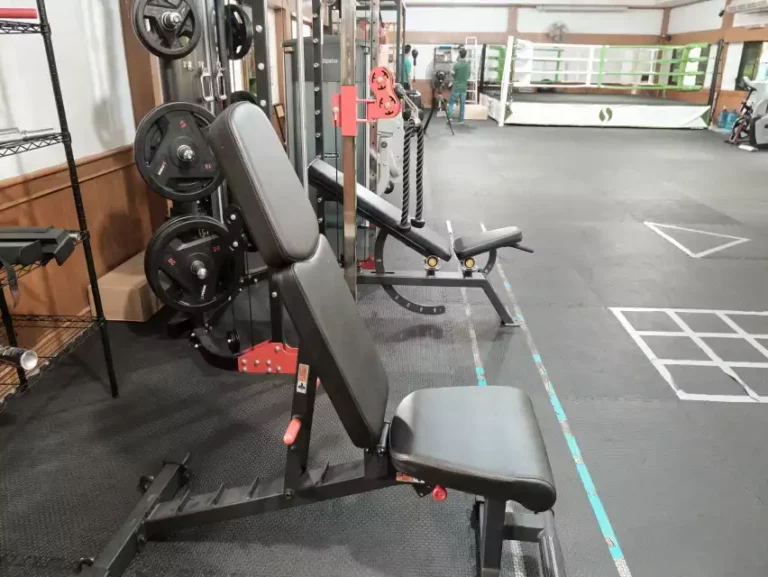
The published campus facilities include a pool, boxing and fitness areas, a running track, a yoga studio, group and meditation rooms, dining spaces, and quieter places to sit. Meals combine Thai and Western dishes, with a kitchen team on site. Discuss dietary needs and exercise limitations in advance. Photos of the gardens can help illustrate the environment, but the assigned room and practical access to treatment are more important than assuming every advertised amenity will be relevant to the stay.
Program lengths and the actual published prices
Siam’s official fee schedule lists US$12,000 for four weeks, US$22,000 for eight weeks, and US$31,500 for twelve weeks. The page’s structured pricing information and currency-conversion notice identify US dollars as the billing currency. Seven percent Thai VAT is included. Longer admissions, from sixteen weeks to one year, are priced individually. The quoted amount should always be paired with its duration rather than displayed as a single interchangeable monthly rate.
The twelve-week package works out to US$10,500 per four-week period, but the full booked commitment is US$31,500. That averaged figure is not the price of purchasing a standalone four-week stay. The provider says the longer-program discount applies when booked and paid under its package terms, while extensions arranged during treatment use the standard twenty-eight-day rate. Confirm the initial recommendation, review points, and extension cost before selecting a duration mainly for its discount.
Inclusions, extras, and payment conditions
The published package includes the private room, meals, the specified counseling and groups, selected fitness and wellness activities, Chiang Rai airport transfers, housekeeping, laundry, and weekly excursions. It lists medication, additional doctor visits and related transport, hospital treatment, flights, visa expenses, and certain optional services separately. NAD+ therapy and an additional physical-health program are add-ons; their presence on a menu does not establish that they are necessary or effective for a particular condition.
The fee page describes a US$3,000 nonrefundable booking deposit and settlement of the balance before or on arrival. Its early-departure policy provides a limited refund of the balance under specified conditions during the first four days, with further restrictions for serious rule violations and requests made after leaving. Read the current contract rather than relying on a short summary. Clarify how a medical transfer, delayed arrival, extension, or decision not to continue affects both treatment arrangements and payment.
Communication, visitors, and admission preparation
Siam says it does not routinely confiscate phones or cut off contact with the outside world. That can matter to someone arranging care for a dependent or managing essential work decisions, but the residential schedule still requires sustained participation. Agree how communication fits around sessions and sleep. Visits need prior approval, and the program emphasizes voluntary commitment rather than accepting a person who is simply being forced into treatment by relatives.
The admission sequence moves from an inquiry and review of requirements to a counselor assessment, agreement about timing and duration, payment, and travel to Chiang Rai. Confirm clinical acceptance before booking flights. Relevant records should include current prescriptions, previous treatment, medical needs, and what the person hopes to change. If a family member is arranging logistics, establish the client’s consent and distinguish practical coordination from permission to receive confidential clinical information.
Aftercare and support in the home community
The aftercare page describes an online community for former residents, with opportunities to remain connected to peers, counselors, and support staff. It does not establish a universal number of included individual appointments or a guaranteed period of continuous clinical availability. Ask what contact is scheduled, what needs to be arranged separately, and whether any proposed remote professional service can be provided in the country where the client will live.
The discharge plan should identify continuing psychotherapy, medical follow-up, appropriate medication treatment, and practical support for housing, work, and relationships. An alumni community can complement those services but does not replace them. When comparing Siam with other providers in the Thailand treatment directory, give particular attention to the non-twelve-step format, English-language and mobility requirements, external medical arrangement, medication policy, and the complete price for the intended stay.
Official Siam Rehab pages and SAMHSA treatment information reviewed October 20, 2026. Provider policies are distinguished from general clinical guidance. Published prices retain their original currency and duration; medical suitability and current contract terms require individual confirmation.
Destinations
Conditions
Levels of care
Settings
Amenities
Program approach
Non-twelve-step model with CBT, motivational interviewing, DBT-informed work, REBT, SMART Recovery, Recovery Dharma, relapse prevention, and fitness
Fees & admissions
From USD 12,000 / program
Official package prices including 7% VAT: US$12,000 for four weeks; US$22,000 for eight weeks; US$31,500 for twelve weeks. The US$10,500 figure is a four-week average within the full twelve-week commitment, not a standalone package price. Billing is in USD per the provider's currency notice and structured offers. Medication, hospital stays, extra medical visits, flights, visas, and optional services are excluded. Confirm deposit, refund, and extension terms.
Confirm the current program, duration, accommodation and included services directly with the center.
Confirm detox suitability, medication, accessibility, travel and continuing care.