
Care at Silver Hill Hospital — New Canaan
Silver Hill Hospital: one campus with several clinical programs
Silver Hill Hospital is a psychiatric hospital and treatment campus at 208 Valley Road in New Canaan, Connecticut. It provides inpatient, residential, and outpatient services for mental health, substance use, and co-occurring conditions. This profile covers the shared New Canaan campus, including its specialized residential houses. A program such as The Steward House is part of that location, rather than a separate campus with identical admission criteria. The hospital’s official overview is the appropriate starting point for understanding the full range of care before choosing a particular house or service.
The distinction between care levels matters here. Inpatient hospitalization concentrates on acute assessment and stabilization. Residential programs provide a longer period of structured treatment after symptoms are sufficiently stable, while outpatient participants attend scheduled services without being residential patients. Movement between these levels depends on clinical suitability, availability, and funding. The fact that several options exist within one organization does not make a transfer automatic or mean that one insurance authorization covers the entire pathway.
Inpatient assessment, stabilization, and detoxification
The inpatient program addresses diagnostic assessment, acute psychiatric symptoms, medication management, and detoxification when indicated. The hospital describes daily physician meetings, twenty-four-hour nursing, therapeutic groups, psychological work, and support from an interdisciplinary team. Physicians, psychologists, nurses, social workers, psychiatric technicians, and pharmacists contribute to care, including daily discussions of each patient’s progress. Psychological testing and electroconvulsive therapy are available when the treating team recommends them; their availability does not mean that either is part of every admission.
Adults eighteen and older and adolescents aged thirteen to seventeen receive inpatient care in separate secure units. The published arrangement includes single- and double-occupancy rooms, with the adult services treating up to twenty-nine patients and the adolescent unit up to ten at a time. Those figures describe the inpatient programs, not the total residential capacity of Silver Hill. The usual inpatient stay is described as seven to ten days, although individual needs vary. Discharge planning begins at admission, with attention to the next appropriate service and communication with family and community clinicians.
Admission starts before arrival with screening by an admissions coordinator and exchange of relevant clinical information. The hospital identifies mood disorders, psychotic episodes, and withdrawal from alcohol, sedatives, or opioids among the reasons for inpatient care. Applicants should provide recent records and medication information so that the team can determine the appropriate unit. A residential preference should not override a recommendation for inpatient stabilization, and a short inpatient stay should not be confused with the full expected duration of a longer treatment pathway.
Residential houses organized around clinical needs
Silver Hill’s residential overview describes hospital-based treatment in houses around the campus. For most adult conditions, the published minimum is thirty days; the adolescent residential program generally requires at least five weeks. Programs include psychiatric evaluation, an individual treatment plan, medication when indicated, and psychological and behavioral work. These general minimums do not replace the requirements of a specific program. The Steward House, for example, describes its own four-to-six-week model.
The campus guide identifies River House for adults with personality and mood concerns, The Lodge for psychotic illnesses, K House for adolescents, Barrett House for trauma and dissociative disorders, and Scavetta House for substance use and co-occurring conditions. Hill House accommodates the Argent assessment program, while The Steward House serves executives and professionals. The exact placement depends on therapeutic needs. Room configuration, bathroom access, and the location of meals or therapy can vary by house, so photographs of one residence should not be read as a description of every admission.
Resilience at River House: structured DBT and related therapies
The Resilience Program at River House is for adults with personality or mood disorders and difficulties such as emotional dysregulation, self-harm, or relationship problems. Dialectical behavior therapy is its core approach. The curriculum rotates through mindfulness, emotion regulation, distress tolerance, and interpersonal effectiveness, using skills training, groups, and assignments to support practice. Repeated modules introduce further aspects of the skills. That structure is more specific than simply saying a residential program offers DBT somewhere on its therapy menu.
Resilience also describes mentalization-based therapy, Good Psychiatric Management, psychodrama, art and pet therapies, and family programming. Published frequencies include weekly psychiatrist sessions, individual therapy twice a week, mentalization groups three times a week, and psychodrama twice a week. The program has a thirty-day minimum, with extension possible. These are River House details and should not be generalized to other houses. Someone interested in DBT can use them to compare the proposed intensity and the opportunities to practice skills in daily life.
DBT for substance use at Scavetta House
The DBT-S program adapts dialectical behavior therapy for adults with a primary substance use disorder and accompanying mental health concerns. Scavetta House accommodates sixteen residents in a mixture of single and double bedrooms. Its published minimum is thirty days. The program combines medication management, psychotherapy, peer recovery mentorship, daily process groups, and at least seven DBT-S groups each week. It may be relevant to someone stepping down from detoxification or inpatient care, or someone whose needs have not been met by a less structured setting.
The provider describes at least four individual contacts per week across the psychiatrist, therapist, and peer recovery mentor. That should not be represented as four individual psychotherapy sessions: the contacts serve different purposes. Ryan Wade, MD, is identified as program director and addiction psychiatrist. Additional services such as cognitive processing therapy, neuropsychological testing, or particular family and couples assessments may carry separate fees. The regular program also includes recovery meetings, with AA, NA, Refuge Recovery, and SMART Recovery among the named options.
The Steward House for executives and professionals
The Steward Program has distinct residential and outpatient offerings for people with substantial professional or leadership responsibilities. Steward Residential addresses mental health and substance use concerns while considering career pressures, relationships, confidentiality, and a return to work or a change in role. The current FAQ specifies a minimum commitment of four weeks and recommends six. That duration belongs to this program and should not be used as the expected stay for every Silver Hill patient.
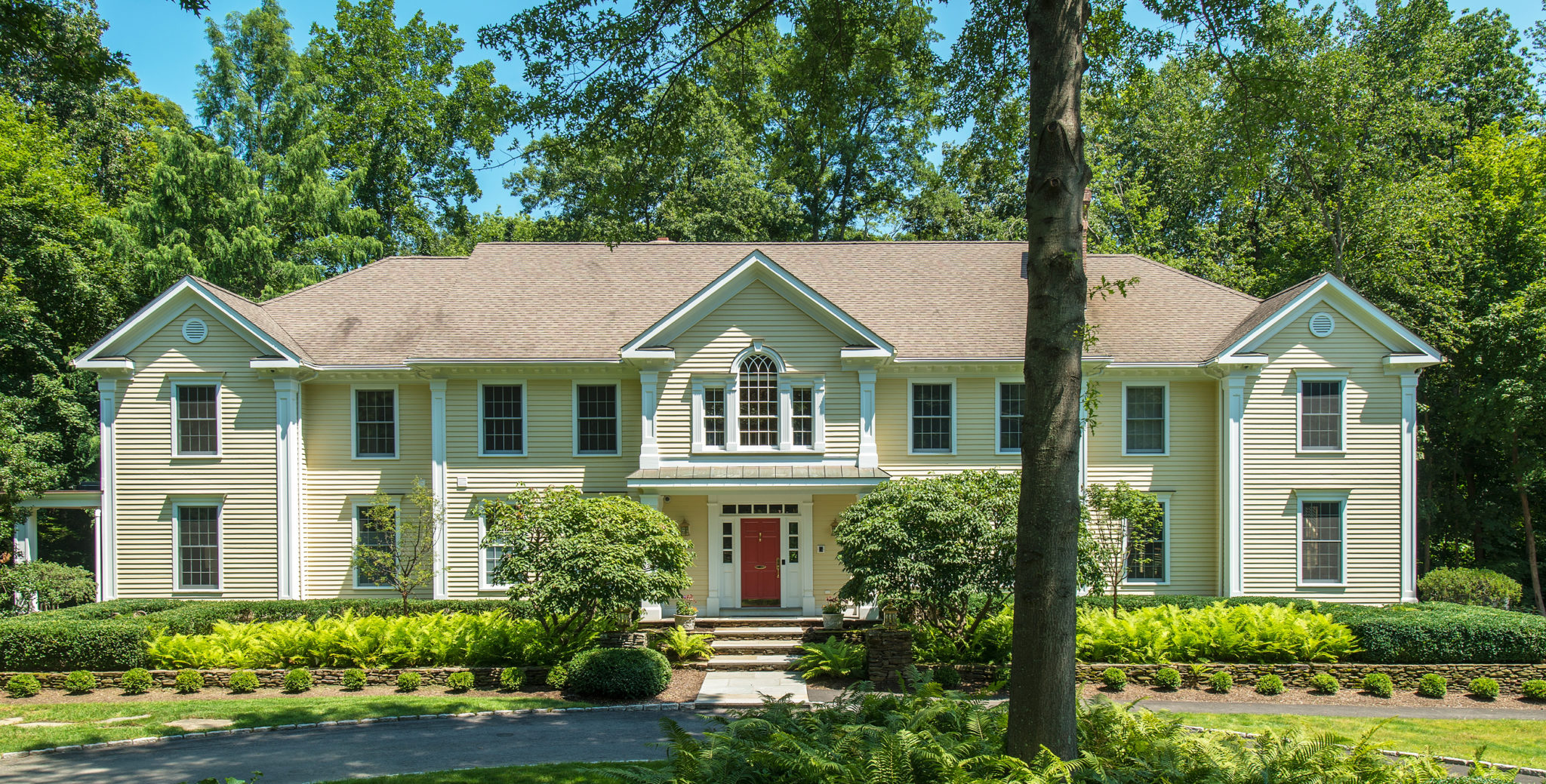
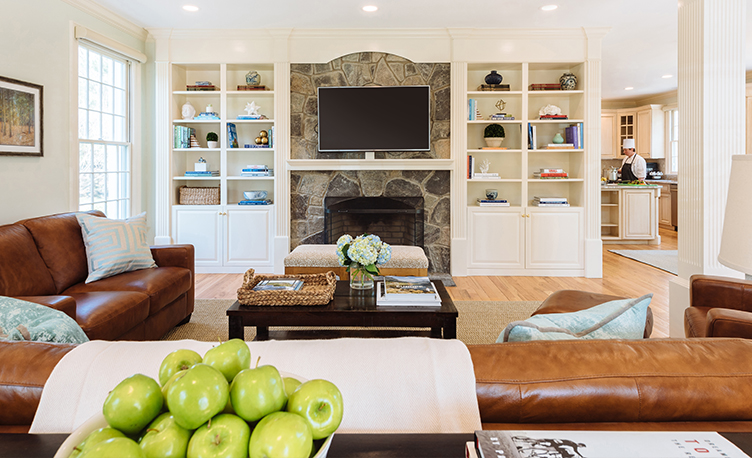
The Steward stay guide describes an eight-bedroom house with private bedrooms and bathrooms, an in-house chef, recreation space, and access to campus fitness and wellness facilities. Its weekday schedule includes individual treatment meetings, medication management, group work, community goal-setting, written assignments, and recovery discussion. Group themes include emotions, relationships, stress, career, family, and substance use. The comfortable setting supports a demanding therapeutic schedule; it is not presented as a place for unrestricted work while receiving occasional counseling.
The care team page identifies psychiatrist Petra Pilgrim, MD, as director and Emily Calderone, PsyD, as psychologist and team lead. Calderone’s described work includes psychodynamic and insight-oriented individual and group therapy. Jenny Grace Jablonka is listed as senior clinical coordinator and assistant team lead, with responsibilities spanning screening, family and provider communication, and discharge planning. These named roles help explain how assessment, psychiatric care, psychotherapy, and coordination are integrated. They do not guarantee that every professional on the team will be assigned to each resident.
Steward’s device access is conditional. Communication is usually limited to immediate family during the first week, followed by device access during limited hours when compatible with treatment. The team reviews connectivity according to stability, stress, and the effect on participation. Approved accompanied day and overnight passes may be considered after the published treatment milestones. Family education and couples work may also be included when indicated. A prospective resident should discuss professional commitments and privacy requirements before admission so that expectations match the actual clinical plan.
Outpatient treatment and continuing care
The outpatient overview separates intensive outpatient programs from specialty services offered through The Practice at Silver Hill, PC. The IOP selection includes adolescent, young adult, mood, women’s, DBT, and DBT-S options. Specialty services include Steward Outpatient, Young Minds for adults eighteen to thirty, Big Feelings for parents and caregivers, and maintenance DBT groups. These services address different populations and should not be treated as one universal aftercare package included with a residential stay.
Steward Outpatient is described as meeting three days weekly, with two in-person days and one virtual day. Its methods include psychodrama, CBT, mentalization-based therapy, family systems, and interpersonal process work. Other groups have their own schedules and eligibility. For someone returning outside Connecticut, a local handoff may be more practical than a campus program that requires regular attendance. The discharge plan should identify the next service, medication prescriber, and communication arrangements, with actual appointments and funding checked before the residential or inpatient stage ends.
Program-specific insurance and costs
The fees and insurance page makes clear that funding differs by level of care. Inpatient treatment participates with several insurance and managed-care arrangements, including Medicare and TRICARE. Adolescent residential care is described as in network with Optum arrangements that may include certain UnitedHealthcare, ConnectiCare, and Oxford plans. Adult residential services are generally discussed in terms of possible out-of-network reimbursement. Intensive outpatient programs may be covered by participating plans, while specialty outpatient services have separate private-pay arrangements. Individual policy verification remains necessary.
No current official fixed tariff was verified for the entire campus or for Steward Residential in the pages reviewed. A previously cited third-party thirty-day Steward estimate should not function as a campus-wide starting price. Obtain an itemized quote for the actual house, duration, testing, added therapies, and any subsequent program. Silver Hill’s main advantage for comparison is the specificity of its clinical pathways and the ability to assess several levels of care within one system. The appropriate choice depends on the proposed program and its current clinical and financial arrangements.
Conditions
Levels of care
Settings
Amenities
Treatment approach
Interdisciplinary psychiatric assessment, medication management, program-specific DBT and DBT-S, individual and group psychotherapy, family collaboration, recovery support, and coordinated transitions between levels of care
Fees & admissions
Confirm current pricing
No current official fixed tariff verified. A prior third-party 30-day Steward estimate is not a campus-wide fee. Inpatient, adolescent residential, adult residential, IOP and specialty outpatient services have different insurance arrangements; request an exact program-specific quote.
Confirm the current program, duration, accommodation and included services directly with the center.
Admissions screening determines level and program. Inpatient adults are 18+, adolescents 13–17 in separate units; residential eligibility varies. Confirm exact house, medical needs, room, minimum stay, insurer authorization, and any separately billed testing or therapy.