Care at Spirit Mountain Recovery — Eden
Spirit Mountain Recovery’s men’s program in Eden
Spirit Mountain Recovery provides residential addiction treatment for adult men in Eden, Utah, with care for co-occurring mental health concerns. Its mountain home is described as an eight-bed setting, combining psychological treatment, medical and psychiatric assessment, peer support, family work, and outdoor activities. The address listed for the residence is 3181 East 3350 North, Eden, Utah 84310. This profile concerns that residential program; the organization also discusses day treatment and outpatient options that need their own admission and location details.
The official Eden page focuses on substance use together with related psychiatric needs. It describes treating the addiction and co-occurring condition through one plan rather than assuming that emotional symptoms will disappear when substance use stops. The men’s residential service should not be taken as confirmation of a primary psychiatric hospital or a separate residential program for every mental health diagnosis without addiction. A clinician should establish whether the person’s current symptoms and support needs fit the actual setting.
Residential duration and the role of assessment
The provider’s FAQ gives a minimum residential period of thirty days and describes forty-five to ninety days, or longer, as its preferred planning range when appropriate. These are provider expectations rather than predictions of recovery or a guarantee that a longer stay suits everyone. The proposed duration should account for clinical progress, practical circumstances, funding, and the next level of support. Ask when the team reviews the plan and how an extension is agreed and priced.
Admission begins with discussion of substance-use history, health, previous treatment, urgency, logistics, and insurance. The Eden page says clients receive medical and psychiatric evaluations. These assessments can clarify issues such as whether withdrawal management is needed first, whether an existing diagnosis requires further review, and how prescribed medication will be handled. Someone traveling to Utah should complete the relevant screening before making assumptions about immediate admission, and should understand where to go if a medical or psychiatric problem requires more intensive care.
Medical support and an important medication boundary
The current professional team page names psychiatrist Michael Scott Roundy, MD, as medical director and psychologist Todd Soutor as chief clinical director. It also lists clinical director Dan Phillips, psychiatric nurse practitioner Colby James, and therapists with counseling or social-work credentials. These roles establish a medical and psychological component to the program. They do not establish that every named professional is physically present at the residence throughout the day and night.
The exact Eden page says the psychiatrist determines whether detoxification is required before admission and states that medication-assisted treatment is not provided. Broader program pages also mention private detox and medical assistance, leaving the precise location and scope of that service less clear. Prospective residents should obtain the current withdrawal-management and medication policy directly from the clinical team. This profile therefore does not promise an on-site detox unit or continuation of every medication at the Eden home.
For a person already receiving medication for opioid use disorder or another condition, the decision requires coordination with the existing prescriber. A program’s ability to review or taper some prescriptions does not answer whether it can maintain a particular treatment safely and continuously. Obtain the named prescribing professional, dispensing arrangements, exclusions, and any external service needed before changing settings. The distinction is especially relevant here because the exact-campus medication wording is more restrictive than the broader treatment menu.
Published staffing ratios are also inconsistent: one primary page describes two clients per professional, while another describes two staff per client. Neither wording provides a current shift-by-shift clinical roster. Readers should ask for the actual overnight team, scheduled medical and therapy availability, and emergency escalation arrangements instead of treating either promotional ratio as a guarantee. Peer workers, coaches, therapists, nursing staff, and physicians can all contribute, but their responsibilities and qualifications differ.
Psychotherapy, mindfulness, and peer support
The residential program combines individual and group work with experiential activities. The Eden description specifically names cognitive behavioral therapy, dialectical behavior therapy, motivational interviewing, and trauma-informed care. Its mindfulness-based approach also includes meditation, breathing practices, and yoga. The clinical plan should identify which methods are appropriate for the resident and who will deliver them. A long list of methods does not establish that every resident receives all of them or that each activity is psychotherapy.
The FAQ provides a more concrete scheduling reference: one to two hours of individual therapy and fourteen hours of clinical groups each week. Confirm that allocation for the actual admission, including how holidays, clinical needs, or participation in other activities affect the week. It is useful to distinguish private psychotherapy from medication reviews, recovery coaching, family appointments, exercise, and recreation. These can all have a role without being added together as an equivalent number of individual clinical hours.
The team includes peer-support roles as well as licensed clinicians. The provider’s emphasis on shared experience may help some men feel more comfortable discussing substance use, setbacks, and vulnerability. That support should be understood alongside the professional treatment plan rather than as a substitute for medical or psychological care. A prospective resident can ask how the program balances accountability with support, how concerns are raised, and how the team responds when someone finds a particular group format difficult.
The residence and activities in the mountains
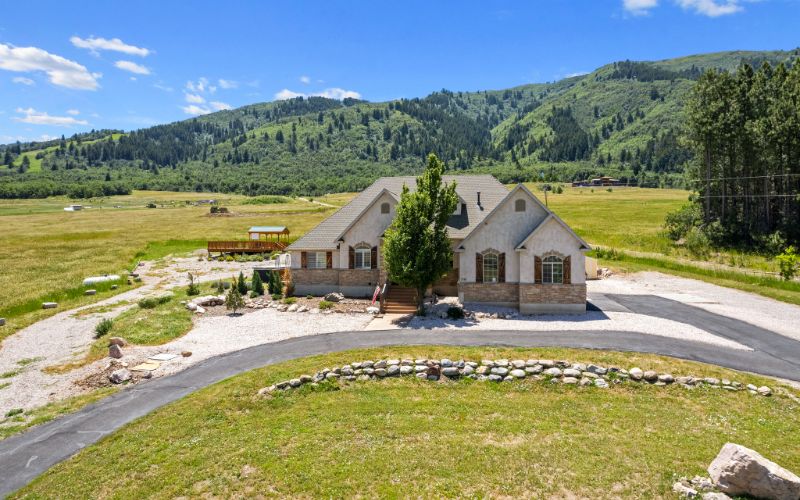
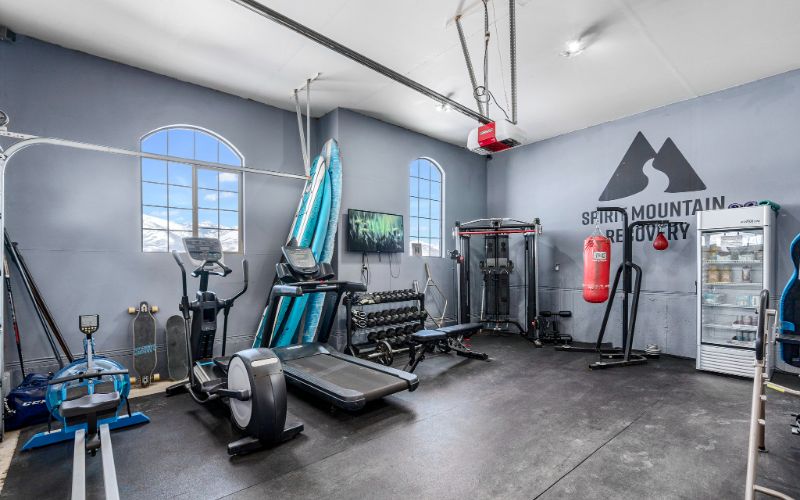
The official residence page describes a home in the Wasatch mountain area with a gym, swim spa, shared living spaces, and family-style meals planned around nutrition. Recovery.com describes spacious shared master suites with different configurations. The FAQ’s reference to an eight-bedroom house should not be treated as proof that all eight residents receive private bedrooms. Ask for the actual room and bathroom arrangement, accessibility, and any needs related to sleep, privacy, allergies, or diet.
Outdoor and experiential activities include options such as hiking, fishing, skiing, paddling, and equine work, depending on the program and conditions. These activities distinguish the day-to-day environment from a largely indoor treatment schedule, but they are not guarantees of a particular outing or a clinical outcome. Physical ability, weather, season, supervision, and medical readiness can all affect participation. A resident who prefers quieter activities or cannot take part should know what alternatives are available.
The residence page also describes transport to appointments, games and leisure spaces, and opportunities to rediscover enjoyable activities without substance use. These details help explain the program’s approach to life outside formal sessions. They should be compared with the actual clinical timetable and any extra costs. A mountainside setting can be a meaningful personal preference, but it does not by itself establish the intensity of medical observation or the suitability of the program for a complex health condition.
A defined family program
The current family program page describes a monthly two-day intensive in Eden on Thursday and Friday, followed by a Saturday family visiting day. Its focus includes family systems, communication patterns, and experiential work with the clinical team. The published schedule is more specific than a general promise of family involvement, but admission dates and consent still matter. Relatives should confirm which intensive falls during the stay and what participation is recommended.
A separate family support call takes place on Wednesday evenings. The primary page says clients do not participate in that call, giving relatives a setting to focus on their own experience. This differs from a joint family therapy session. The FAQ also describes a general restriction on personal visits during the first two weeks, with approved communication arranged separately. Resolve how those policies apply to the monthly intensive, ordinary visits, and essential contact before relatives book travel or assume unrestricted access.
Costs and the limits of the available estimate
Recovery.com’s listing, checked October 20, 2026, displays a starting estimate of USD 42,000 alongside a thirty-plus-day duration. The reviewed evidence does not clearly map that starting amount to an exact number of days or a specific package. It is therefore retained as a qualified secondary reference rather than converted into a verified monthly tariff. The official FAQ describes individualized pricing but does not provide a current numerical schedule that resolves that uncertainty.
The FAQ says its residential quote can combine room, meals, transport, medical, therapeutic, counseling, and complementary services into one agreed cost. The actual written proposal should define each inclusion, particularly preliminary detox, prescriptions, outside appointments, family travel, optional activities, and aftercare. The secondary directory states that Medicare and Medicaid are not accepted and lists private insurance arrangements. Ask the admissions team and insurer to confirm the specific policy, service authorization, personal cost sharing, and any extension rather than relying on a general insurance list.
Continuing care and return to everyday life
Spirit Mountain publishes an IOP description with a typical schedule of three hours a day, three days a week, and discusses individualized aftercare. Its older FAQ and newer program pages differ about day-treatment availability, so confirm the current service, address, schedule, housing, and supervision for any proposed step-down. Outpatient attendance should not be mistaken for continuing overnight residential care. A resident returning to another state may need a different local or remote arrangement.
The directory also describes alumni meetings, sober-living referrals, case management, and recovery-coaching connections. Establish which are currently available, which are included, and who will coordinate the next clinical appointment and medication responsibility. The current primary contact number is 801-336-0658. When comparing other treatment programs in the United States, consider Spirit Mountain’s small men’s residential environment, defined family schedule, clinical team, and outdoor emphasis together with the medication limits and specific unanswered pricing questions.
Conditions
Levels of care
Settings
Treatment approach
Individual and group therapy, CBT, DBT, motivational interviewing, trauma-informed care, provider-branded mindfulness work, peer support, yoga, meditation, selected outdoor and equine activities, clinical family systems work, medication review and individualized aftercare
Fees & admissions
Confirm current pricing
A current numerical tariff with a confirmed duration mapping is not established. Recovery.com displays USD 42,000-plus beside a thirty-plus-day range, checked October 20, 2026; that does not verify an exact thirty-day or monthly package. Official FAQ describes an individualized combined cost. Request written duration, accommodation, clinical and medication inclusions, detox location/cost, transport, family arrangements and later support, with exact insurance benefits.
Confirm the current program, duration, accommodation and included services directly with the center.
Confirm adult men’s residential suitability, prior detox location, current medication policy and continuity, actual medical and overnight staffing, assigned shared room, minimum and recommended duration, therapy allocation, family intensive and first-two-week visiting rules, written package cost, insurance benefits and separate step-down location/housing.