About Stone River Recovery Center — San Antonio
The residential campus at Lakeside Parkway
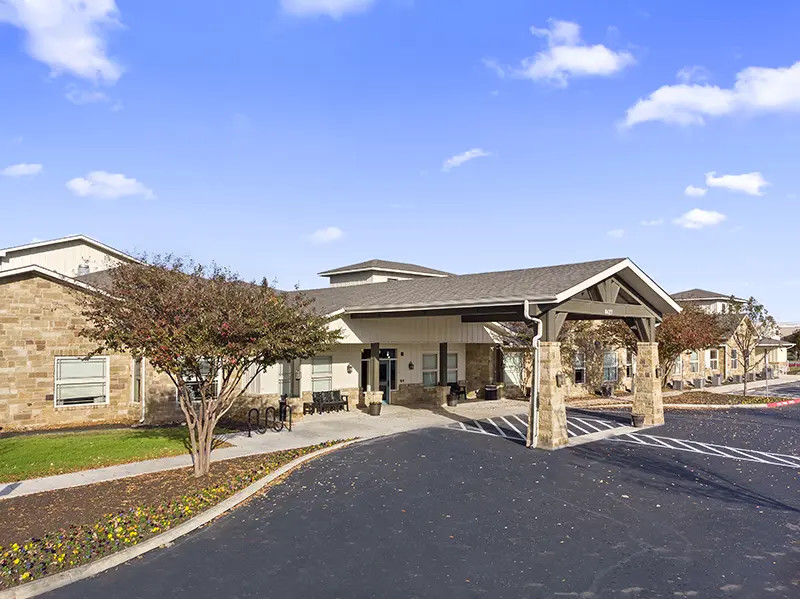
Stone River Recovery Center provides residential treatment at 8627 Lakeside Parkway, San Antonio, Texas 78245. Its current contact page distinguishes that campus from the outpatient office at 12508 Jones Maltsberger Road, San Antonio 78247. The published inquiry number is 888-235-3003. This profile focuses on the residential campus. Before admission, ask the team to confirm Lakeside Parkway on the treatment proposal, arrival instructions, and financial agreement so that services at the separate outpatient office are not confused with the overnight setting.
The provider’s residential page describes care for people with a primary substance-use disorder, a primary mental-health condition, or co-occurring needs. That is broader than a program limited to substance use alone. It still requires an individual suitability assessment. A person seeking help mainly for depression, anxiety, or trauma-related difficulties should ask which residential track is proposed, what clinical support it includes, and which conditions or levels of acuity require a different service.
A trauma-focused approach and a specific treatment plan
Stone River’s residential description emphasizes trauma-informed care and names cognitive behavioral work and somatic experiencing among its approaches. Ask how that focus appears in the actual weekly plan: the number of individual appointments, the type and size of groups, the qualifications of the treating clinician, and the way progress is reviewed. A program’s philosophy can help identify a possible fit, but a prospective resident needs concrete information about what they will be offered and who is responsible for it.
Not everyone wants to discuss detailed traumatic experiences during an initial admissions call. Ask what information is needed to assess suitability, how it is recorded, who can access it, and what can wait for a clinical appointment. Someone with previous therapy experience can describe what felt helpful or overwhelming without having to repeat an entire history to several staff members. This allows the conversation to focus on the person’s present needs, preferences, and questions about the proposed environment.
Ask how the team decides when to begin particular trauma-focused work and what support is available between sessions. Clarify whether named therapies are available to every resident, offered only when indicated, or dependent on clinician availability. If an activity is uncomfortable or unsuitable, ask how alternatives are discussed. An individualized plan should make room for those conversations and explain how the resident can raise concerns or request a review without assuming that one approach suits everyone.
Detox and the medical resources behind the offer
The provider’s detox page describes assessment and continuous medical support during withdrawal. Ask whether the proposed admission starts in detox or residential treatment, whether both occur at Lakeside Parkway, and whether a move between units is expected. Request the relevant staffing information, including who is physically onsite overnight, how prescribing decisions are made, and when an outside medical evaluation or transfer is required. The service description does not by itself establish general hospital capabilities.
Prepare a current medication list and discuss recent substance use, earlier withdrawal experiences, significant medical conditions, and any previous need for hospital care. Ask the receiving clinicians how these facts affect placement and what records they need before arrival. A directory cannot choose a safe starting level or determine an individual withdrawal timetable. The useful outcome of the assessment is a clear explanation of the recommended setting, the clinical reasons for it, and the next steps if the campus cannot meet the person’s needs.
A detox offer should also explain what follows it. Ask how readiness for residential work is reviewed, whether the treatment team changes, and how medication and other information are handed over. Clarify whether insurance authorization and charges differ between phases. If the intended next step is another provider or an outpatient program, ask who arranges the receiving appointment. A planned transition is more useful than assuming that every person will move through the same sequence on the same timetable.
Primary mental-health and co-occurring treatment
The current mental-health page discusses conditions including PTSD, anxiety, obsessive-compulsive disorder, and depression. Those descriptions can help frame an inquiry, but they do not establish that every severity or combination of symptoms is appropriate for residential admission. Ask about the specific program offered, psychiatric review, medication oversight, and the response if symptoms change. A broad list of conditions should be translated into a clear decision about the actual person seeking care.
Someone already working with a psychiatrist, therapist, or primary-care clinician can ask how those professionals will be included with consent. Identify who requests records and how changes to the plan will be communicated. For co-occurring needs, ask how substance-use work and mental-health treatment are coordinated rather than treated as unrelated appointments. The co-occurring conditions guide can support comparison, while Stone River’s clinical team should explain its own admission criteria and limits.
Daily structure, peer support, and personal goals
The provider overview describes structured substance-use treatment that incorporates 12-Step principles alongside clinical and wellness approaches. Ask which meetings are part of the proposed track, which are optional, and what alternatives are available when a particular approach does not fit. A primary mental-health resident may have different needs from someone entering after withdrawal treatment, so the schedule should be explained for the actual track rather than assumed from the program’s general recovery language.
Request a sample week that distinguishes clinician-led therapy, skills groups, peer meetings, recreation, personal time, and medical appointments. Ask how goals are set with the resident and how the team adapts the schedule when someone struggles to participate. Relevant goals might concern returning to daily routines, communicating needs, managing appointments, or preparing for work or education. The useful question is how the program connects its activities to the resident’s own priorities and reviews whether the current plan remains appropriate.
Accommodation and the practical details of living onsite
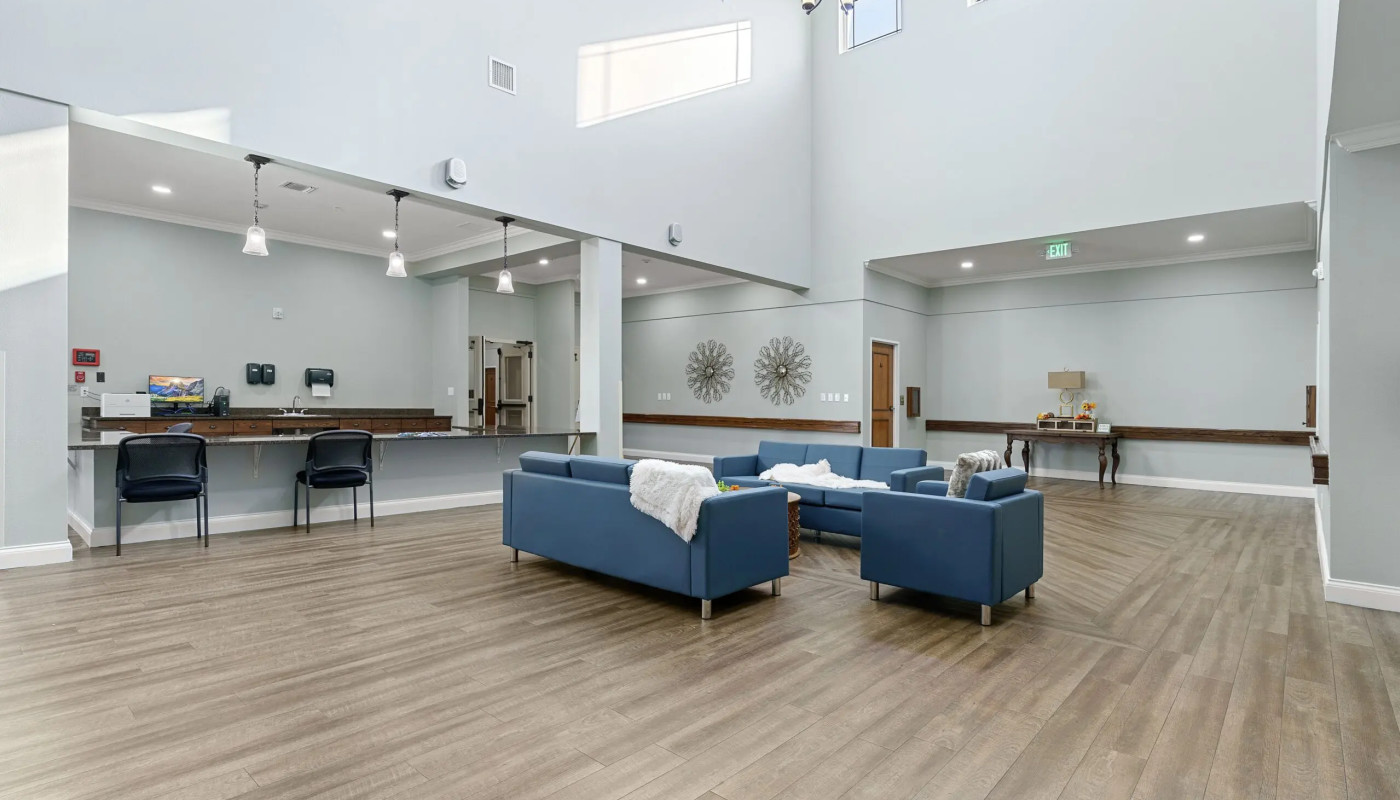
The exact-campus Recovery.com listing identifies private or shared room options. This is secondary information and does not reserve a private room for a particular admission. Ask about the room offered for the intended dates, bathroom sharing, any supplement, and whether a room change is possible. Request a current description or tour of the residential campus rather than assuming that a general photograph shows the actual bedroom arrangement.
Discuss meals, laundry, storage, permitted belongings, phones, visiting, quiet hours, and access to outdoor or recreational space. Describe mobility, sensory, dietary, or sleep-related needs in specific terms. Ask whether stairs, bathroom arrangements, or transport create practical barriers and what assistance can be provided. If room privacy is essential, put the agreed arrangement in the written offer and ask how the program responds if it cannot be maintained. An advertised option is different from a confirmed accommodation for the whole stay.
Family communication and other support people
Ask what family involvement is available during the proposed residential track and how it differs from ordinary visiting. Clarify whether there are educational sessions, family appointments, remote options, and separate fees. Identify whom the resident wants included, how consent is recorded, and what information can be shared. A trusted person may need practical updates without being involved in every clinical discussion, while some residents may prefer to work with a friend or another support person rather than a relative.
The provider’s contact form is described as a general inquiry channel monitored during business hours. It should not be assumed to reach the residential team immediately. Before enrollment, ask for the contact method used for time-sensitive family matters and for routine updates during the stay. Agree on expectations for calls, messages, and visiting so that relatives can plan around work or travel. Communication arrangements should reflect the resident’s needs and preferences as well as the program’s schedule.
Current fees require a direct quotation
No current numeric cash-pay tariff was verified in this review. The Recovery.com exact-campus page checked October 20, 2026 does not publish a numeric price in its current price fields. An earlier directory amount should therefore not be treated as a current offer. The secondary description refers to a typical residential period of about 30 days, but a typical duration is not a price, an insurance authorization, or a guarantee of the length clinically recommended for an individual resident.
The admissions page describes reviewing identification details, medical and relevant family history, insurance, and treatment goals. It also offers benefits verification and financial guidance. Request a written quotation for the exact track, dates, room, and clinical services. Ask about detox, medication, testing, outside appointments, transport, extensions, early departure, and any later outpatient fees. Confirm the particular insurance plan and authorized level rather than relying only on a statement that an insurer is accepted.
A clear transition from Lakeside Parkway
For arrival, request the current packing instructions and ask how prescribed medicines should be presented for clinical review. Confirm the receiving address, arrival window, transport arrangements, and contact for delays. If someone will accompany the resident, ask whether they can remain during the initial meeting and when the assessment may require private discussion. Preparing these details before travel reduces uncertainty without assuming that a telephone inquiry alone completes admission. Keep a copy of the agreed program and payment information so any change can be discussed with the responsible team.
If continued outpatient care is proposed, ask whether it will use the Jones Maltsberger office, a provider closer to home, or another arrangement. Confirm the schedule, transport, housing expectations, clinical handoff, and separate financial terms. A residential place does not automatically reserve an outpatient appointment. Before discharge, identify which appointments, prescriptions, and practical arrangements are confirmed and who will help resolve any remaining gap between leaving the campus and starting the next service.
Compare Stone River with other residential programs and United States treatment listings using the actual track, clinical resources, schedule, room, and complete quote. Ask how the program defines and measures progress rather than interpreting promotional outcome figures as an individual prediction. The strongest basis for a decision is a clear assessment, an understandable offer, and a plan for the period after residential treatment that fits the person’s circumstances.
Destinations
Conditions
Levels of care
Amenities
Program approach
Trauma-informed individualized residential care, cognitive behavioral and somatic approaches when appropriate, individual/group work, recovery skills, wellness and continuing-care planning
Fees & admissions
Confirm current pricing
No usable current fee estimate was verified in the exact-campus Recovery.com listing checked October 20, 2026. The older USD 22,000/30-day figure is not confirmed by current published pricing. No official tariff was verified. Request a written quotation identifying the treatment track, room, care phase, services and duration.
Confirm the current program, duration, accommodation and included services directly with the center.
Clinical fit assessment using medical and relevant family history, substance use and mental-health needs, goals, prescriptions and insurance. Confirm Lakeside residential campus, medical resources, room, quote and transition. General contact form monitored only during business hours.