
About The Arrow House — Orange
The Arrow House is an adolescent residential treatment program in Orange, California, for young people ages 12–17 with mental health, substance-use, and co-occurring needs. It combines individual and group treatment, psychiatric support when appropriate, family work, and education within a residential setting. Choosing a program for a teenager involves more than finding an available bed: families need to understand the clinical fit, the teen’s participation, everyday supervision, school arrangements, and the transition home. This profile explains the current program descriptions, distinguishes shared rooms from private accommodation, and identifies the practical questions to resolve before enrollment.
Who the program serves and where it is located
The official contact page confirms 525 North Parker Street, Orange, CA 92868, and publishes (657) 282-4263 for inquiries. The provider welcomes all genders within its stated 12–17 age range. Its admissions team is available around the clock, while enrollment generally takes place Monday through Friday unless circumstances require another arrangement. Those are different commitments: access to someone who can answer a question does not establish that a teen can be admitted immediately or that the program is the appropriate next setting.
The location page describes a design for up to 20 residents in separately housed groups, with no more than ten in a pod. This is the provider’s description of its residential model, not a staff-to-resident ratio or a guarantee of the census on a particular day. Ask which group is proposed, how age and clinical needs are considered, and what supervision is provided during the day, overnight, and on outings. Parents and the teen should understand how concerns about peers or the living environment can be raised.
Assessment and the role of residential treatment
The treatment information describes an individualized assessment covering emotional functioning, mental health, family circumstances, academic needs, and substance-use history. Ask the team to explain why residential treatment is recommended for this teen and what alternatives have been considered. A difficult period at school, distress at home, or a previous unsuccessful therapy experience does not on its own identify the right level of care. The proposed placement should follow a clinical evaluation that considers the young person’s needs and the support available outside the program.
The Arrow House is described as a residential treatment home, not a general hospital or a verified medical detox unit. If there are acute medical concerns, withdrawal risks, or psychiatric symptoms requiring another level of support, ask how those will be assessed before enrollment. Clarify the program’s admission exclusions, emergency-transfer arrangements, nursing coverage, and access to a prescribing clinician. A description of around-the-clock support does not specify every clinical resource. Families should receive a concrete explanation of what the home can safely provide.
The provider’s location page states a minimum program length of 30 days and describes 30 to 90 days as typical. Ask how the expected duration is determined, when progress is reviewed, and how the teen and family contribute to discharge planning. The published range does not predict a particular young person’s stay. If insurance authorizes a shorter period than the team recommends, request an explanation of both the clinical options and financial implications. A proposed discharge date should connect to an actual support plan rather than simply the end of a package.
Therapy, psychiatric care, and the teen’s voice
The treatment page describes weekly individual sessions, group work, family therapy, and experiential activities. The main program information also discusses psychiatric care and medication management when clinically appropriate. Ask who will lead the teen’s treatment, how often the psychiatrist or other prescribing professional reviews care, and how medication decisions are explained. A family can request the process for sharing records with existing clinicians and for arranging prescriptions after discharge. The presence of psychiatric support does not mean medication is the only or automatic response to a difficulty.
Request a sample week that distinguishes individual clinical appointments from group therapy, academics, recreation, and community activities. Ask how the team adapts the timetable for learning differences, concentration problems, sensory needs, or physical limitations. If a particular approach is important, such as trauma-focused work or a skills-based intervention, ask how suitability is assessed and who provides it. A menu of therapies is not a promise that each will be used. The teen should also know whom to approach if an activity feels confusing, overwhelming, or unhelpful.
Understanding the young person’s participation is important throughout the process. Ask how staff explain the program, invite questions, review goals with the teen, and respond when the teen disagrees with a proposed activity or feels misunderstood. Clarify the routes for raising a concern privately and for involving a parent or guardian when appropriate. A family-centered model should still make room for the adolescent’s perspective. These questions help assess how the published emphasis on connection and respect is put into practice during ordinary residential life.
Family work without assuming a single cause
The Arrow House places family involvement at the center of its approach and describes family systems work alongside other treatment. This can involve examining communication and patterns within relationships, but it should not be treated as proof that a parent or family caused the teen’s difficulties. Ask what the assessment has identified, what joint sessions are intended to address, and how individual needs are protected. A useful explanation connects the proposed work to specific concerns rather than assigning blame through a broad theory.
Before enrollment, establish the expected family time commitment, whether sessions are in person or remote, and how the program works with separated households or other caregivers. Ask which relatives can participate, how consent and confidentiality are handled, and what happens if a particular joint session is not appropriate. Practical topics may include communication, school attendance, household routines, and the support needed after discharge. Participation can be valuable without guaranteeing that every conflict is resolved or that all family members will reach the same view.
Education during the stay
The education page says school is a required part of the program and describes 2.5 hours of classroom time daily in groups of six to ten. It discusses coordination with a student’s school of origin, online coursework, individual support, and additional study hall when needed. Ask how the teen’s current classes will be managed, which school issues grades or credits, and who will communicate with the home school. A structured school day should be explained in relation to the actual student’s coursework and treatment needs.
The provider reports WASC accreditation and a relationship with Advantages Online School. Those statements should not be turned into an unconditional promise that every course transfers or that a student cannot fall behind. Before enrollment, request the relevant school documentation and have the receiving school confirm credit and graduation requirements. Ask how laboratory courses, examinations, missed assignments, or specialized subjects are handled. The practical question is what the teen will complete, who will record it, and how the work will fit into their education after treatment.
For a student with an IEP, a 504 plan, or other documented learning needs, provide the current plan and ask the education team which accommodations it can deliver. Clarify what requires coordination with the home school and whether additional assessment is proposed. The published education information says program computers are monitored and outside computers are not allowed. Families should therefore confirm approved devices, login access, school platforms, and online restrictions before arrival. An existing laptop or remote course should not be assumed compatible with the residential technology policy.
Shared rooms, supervision, and daily routines
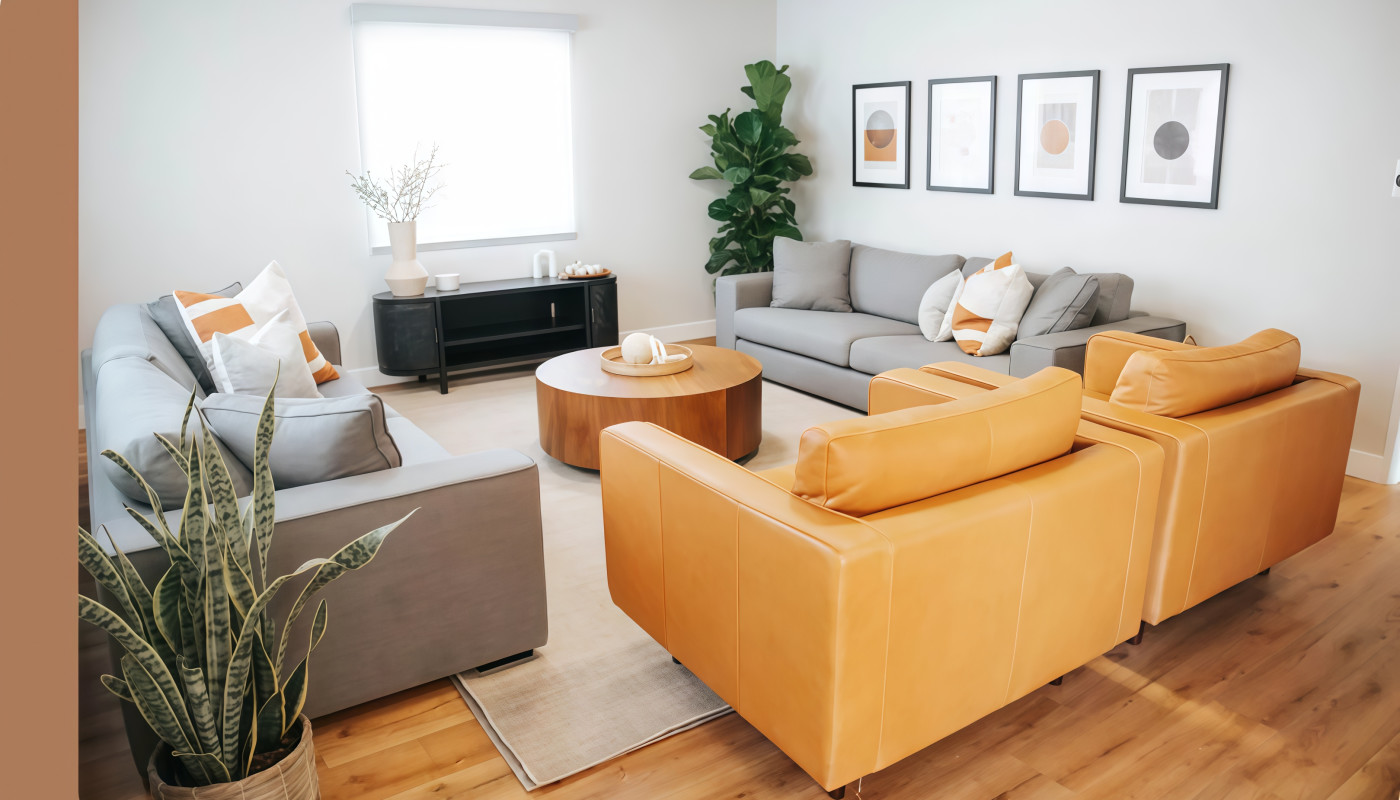
The official location page describes semi-private rooms, and the independent Recovery.com listing also identifies shared bedrooms and bathrooms. This profile does not promise private accommodation. Ask how rooms are assigned, how many teens share, what storage is available, and how staff address sleep, privacy, or roommate concerns. If accessibility or a specific health need affects accommodation, discuss it during assessment. The fact that a home has a small number of residents does not settle the suitability of a particular room for every teen.
The program describes a routine combining treatment, school, recreation, and community activities. Ask about phone contact, visits, meals, laundry, approved belongings, outdoor activities, and how parents receive ordinary updates. Clarify supervision during transport and offsite activities and how participation is adjusted for clinical or physical needs. The description of experiences such as equine, surf, yoga, or music activities does not establish that each occurs every week or is suitable for every resident. Request the current schedule and any separate costs or permission requirements.
Fees and insurance questions
On October 20, 2026, Recovery.com displayed an estimated $1,000 per day. This is a third-party daily estimate, not an official Arrow House tariff. At an unchanged rate, 30 days would total $30,000 by arithmetic, but that is not a quoted package or a prediction of what an insured family would owe. Ask for a written quotation covering the recommended stay, shared room, therapy, psychiatric appointments, education, medication, laboratory work, outside consultations, transportation, and any additional activities or services.
The official contact information says The Arrow House works with major insurers and is in network with selected plans, while currently not accepting Medi-Cal or Medicare. Confirm the exact policy, authorization, deductible, coinsurance, and services covered before enrollment. Ask how changes in the approved duration are communicated, whether education or medical services are billed separately, and what happens if the plan changes. The financial agreement should explain deposits, extensions, early departure, cancellation, and refunds. A general claim of affordability does not establish the amount a particular family can expect to pay.
Returning to school and community care
A discharge plan should connect the teen with the next clinical appointments, prescribing professional, school arrangements, and practical support at home. Ask how the team coordinates with existing providers, whether a step-down program is recommended, and what family work continues afterward. Compare The Arrow House with other United States treatment options using the same questions about developmental fit, supervision, education, and cost. The residential care guide and co-occurring conditions guide can help organize the discussion, alongside an individualized assessment by the professionals involved in the teen’s care.
Sources and verification
Reviewed October 20, 2026, using the linked official contact, treatment, location, family, and education pages, plus the dated Recovery.com fee estimate. Ages, room sharing, minimum duration, and published school arrangements are distinguished from individual admission, academic transfer, insurance, and clinical guarantees. No invented reviewer, outcome claim, or hospital status is implied.
Destinations
Conditions
Levels of care
Settings
Program approach
Individual and group therapy, family systems work, psychiatric review when appropriate, skills development, experiential activities, and school coordination
Fees & admissions
Estimated USD 1,000 / day
Recovery.com checked 2026-10-20 estimates USD 1,000/day. No current official numeric tariff verified. USD 30,000 for 30 days is arithmetic only at an unchanged rate, not a package or insured liability. Request quote covering clinical, psychiatric, education, medication, room and outside-care charges.
Confirm the current program, duration, accommodation and included services directly with the center.
Family and teen assessment, medical/psychiatric and medication review, education planning, exact supervision and room discussion, and insurance verification. Admissions inquiry 24/7; enrollment generally Monday–Friday. Current primary says no Medi-Cal or Medicare.